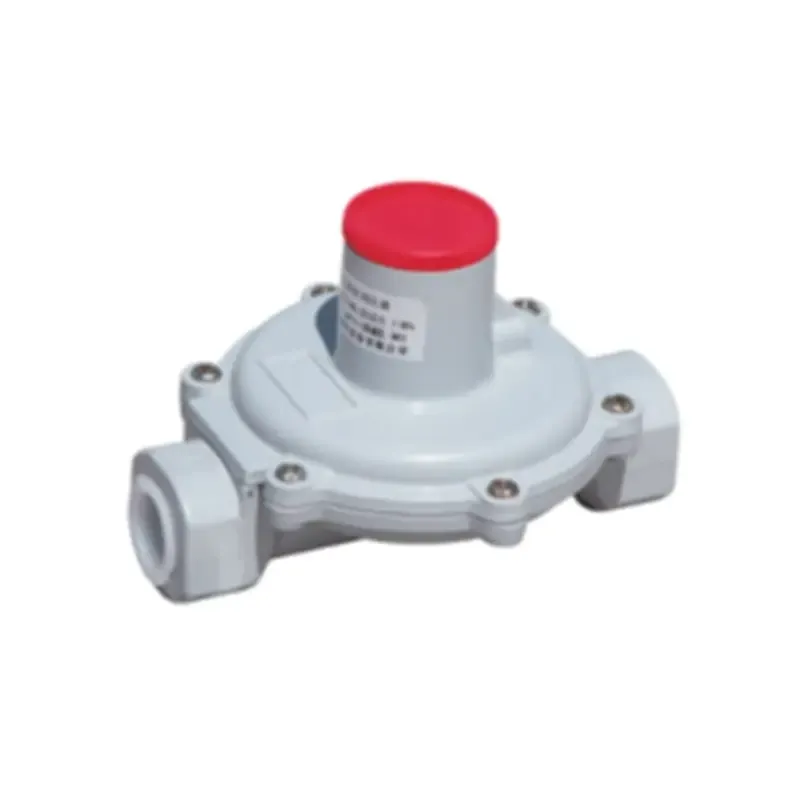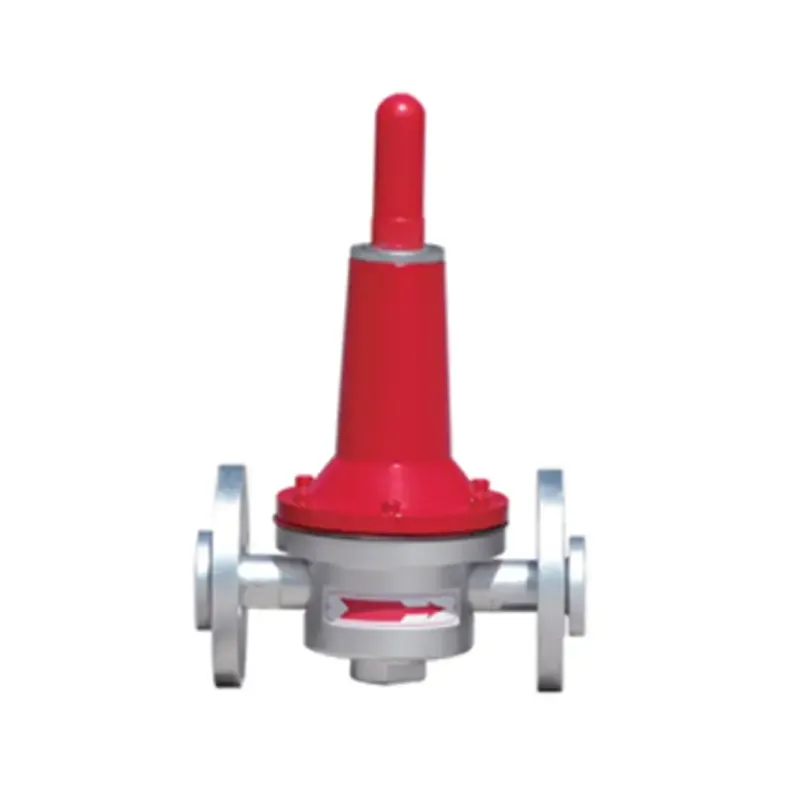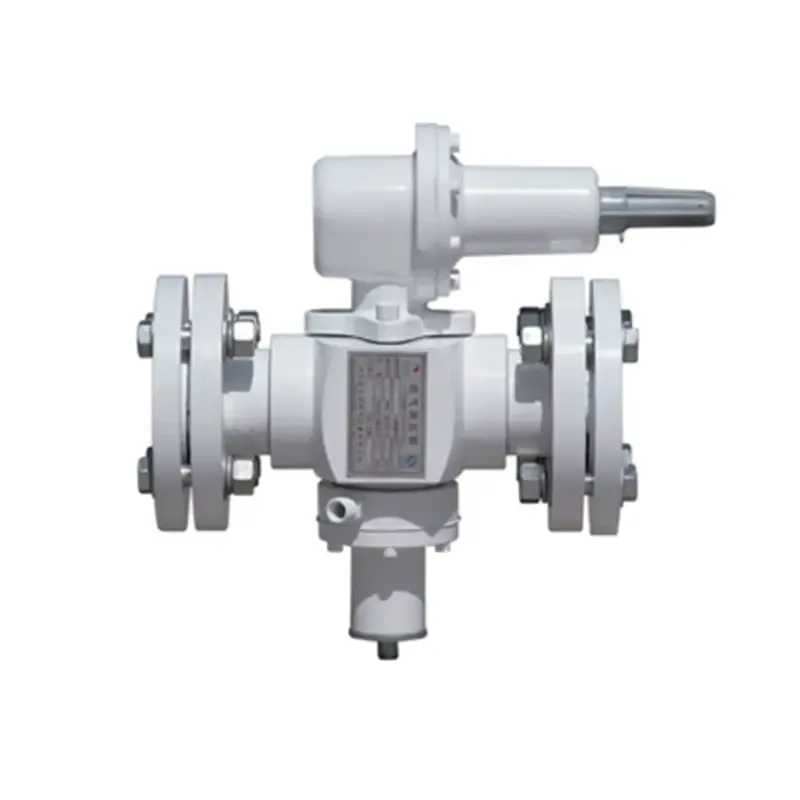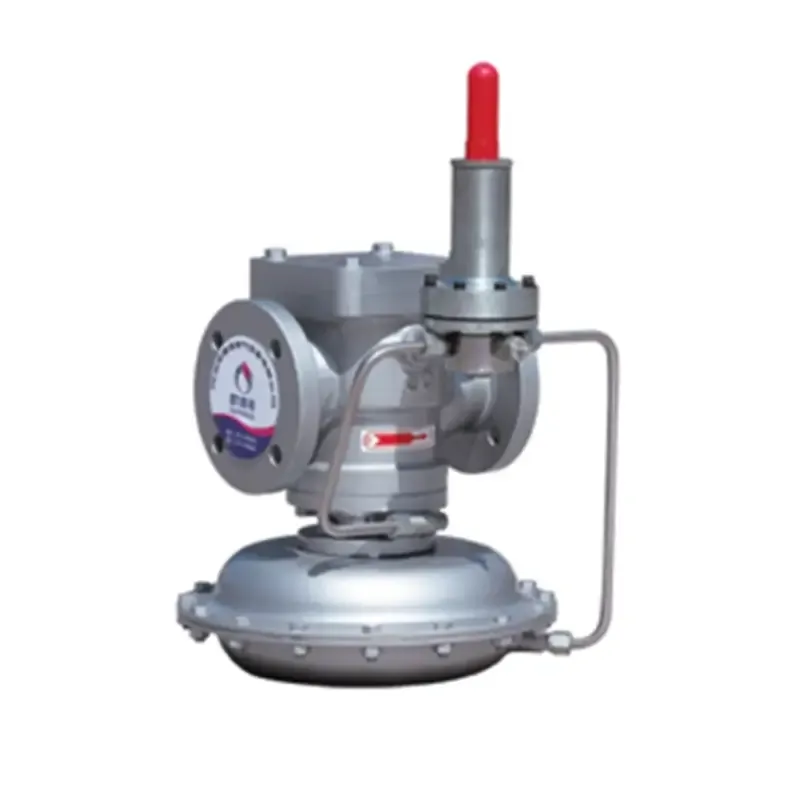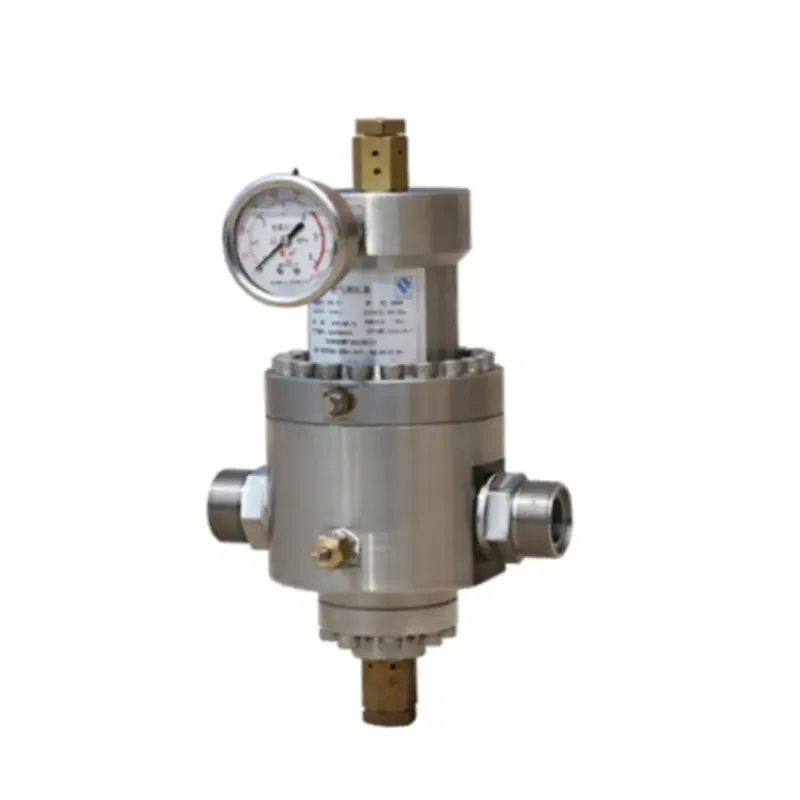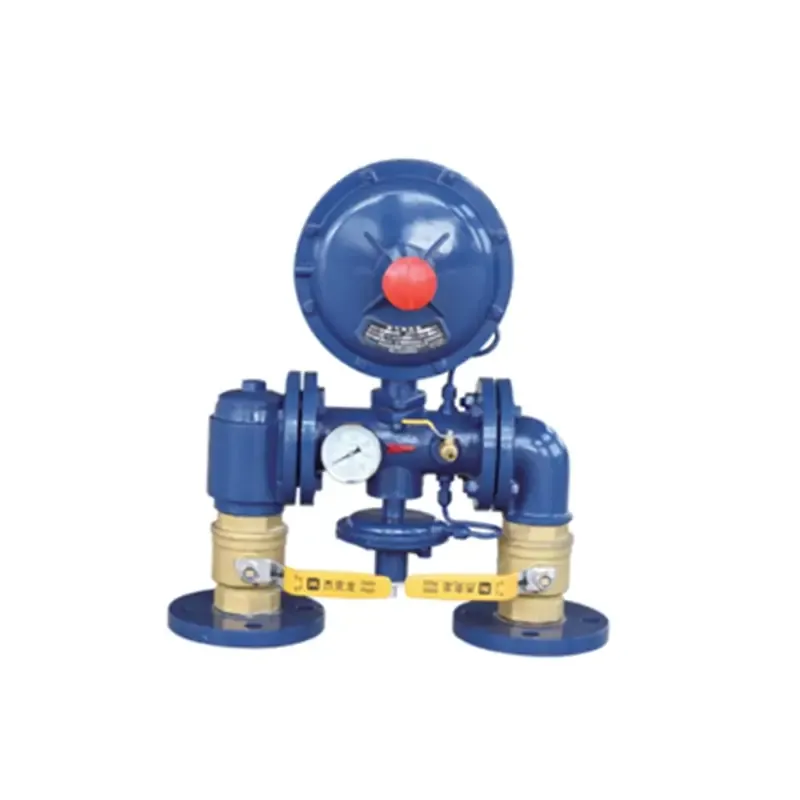
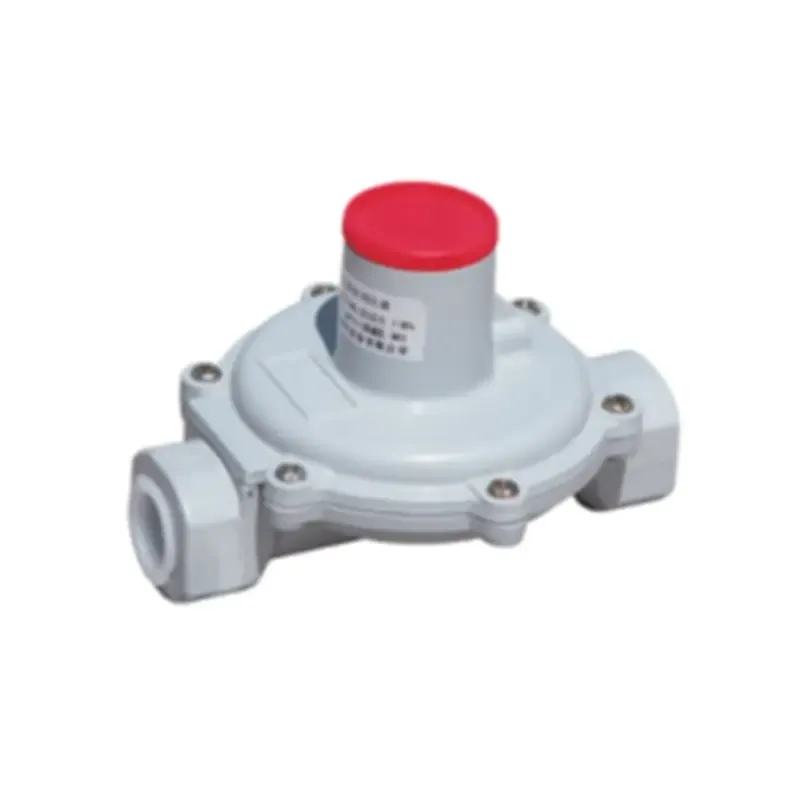
The series of pressure regulator is a direct-acting spring-loaded pressure regulator, which is mainly used for urban indoor gas, villas and other places and can also be used for pressure adjustment and regulation of affixed pressure head in high-rise buildings.
Features:
Straight- through design. high control accuracy. internal filtration, easy maintenance.
Applicable medium:
Natural gas.coal gas.liquefied petroleum gas and other non-corrosive gases.
The pressure regulator is a direct-acting type, and the main pressure regulator is a soft-sealed closing form of the lever force transmission system. It can be repaired and maintained online. The product is easy to manage and replace.
It has few accessories and reliable operation, saving maintenance man-hours and costs. The voltage stabilization accuracy is AC15, and the closing accuracy reaches SG20. Its continuous operation durability test is based on the provisions of the national standard GB27790-2020 "Urban Gas Voltage Regulator" which requires 30,000 strokes of more than 50% of the full stroke opening and closing action. The external seal of the regulator , voltage stabilization accuracy and shutdown performance are still within the standard range.
Inlet pressure: P1: 0.005-0.2MPa
Outler pressure: P2:1-10KPa
Flow: Q: 2-6Nm3/h
Pressure regulation accuracy grade: AC15
Closing pressure grade: SG20
Working temperature:-20℃~+60℃
What is a medium pressure gas system?
A medium pressure gas system is a type of gas distribution system that delivers natural gas or propane at pressures higher than those found in standard low-pressure household systems but lower than high-pressure industrial lines. It is commonly used in residential neighborhoods, commercial buildings, and small industrial facilities where a higher pressure is needed to move gas efficiently over longer distances or supply larger equipment.
In a typical low-pressure system, gas is delivered at about 0.25 psi or less, which is suitable for most household appliances. A medium pressure gas system, by contrast, usually operates in the range of 1 psi to 5 psi, though exact definitions vary by region and utility company. This higher pressure allows the system to use smaller-diameter pipes while still delivering the volume required for multiple appliances, large buildings, or long service runs.
Medium pressure systems are often preferred when a property has high gas demand—such as multiple furnaces, tankless water heaters, large commercial kitchen equipment, or gas-powered industrial tools. The gas is delivered from the utility at medium pressure and then reduced to usable appliance pressure by a gas pressure regulator installed at the building’s entry point or at each appliance. These regulators ensure the final pressure matches the specific requirements of stoves, heaters, boilers, or other gas-fueled devices.
Safety is an important aspect of medium pressure gas systems. Because the pressure is higher than in low-pressure systems, equipment must be properly rated, and installation regulations are stricter. Gas piping must be tested for leaks, and regulators must be installed in accessible and ventilated locations. Some systems also include overpressure protection devices to prevent accidental pressure spikes.
Medium pressure gas systems bring several advantages: improved efficiency in long-distance distribution, reduced pipe size, better performance for high-demand buildings, and greater flexibility in system design. At the same time, they require careful planning and maintenance to ensure safe operation.
In summary, a medium pressure gas system is a distribution method that supplies gas at pressures higher than standard household levels. It offers efficiency and capacity benefits, especially for properties with significant gas needs, while relying on regulators to safely reduce pressure before it reaches appliances.
What is low pressure vs medium pressure?
Low pressure and medium pressure refer to two different ranges of gas pressure used in natural gas or propane distribution systems. The distinction is important because each pressure level affects how gas is delivered, what type of piping is required, and how appliances receive the correct operating pressure.
Low pressure gas systems typically operate at 0.25 psi (about 7 inches of water column) or lower. This is the standard pressure for most residential homes and small appliances. Low pressure is safe, stable, and easy to regulate, which makes it ideal for stoves, furnaces, water heaters, fireplaces, and other common household equipment. Because the pressure is low, the gas does not travel long distances as efficiently, so larger-diameter pipes are often required to maintain sufficient flow. The main advantage of low pressure systems is simplicity—appliances do not usually need individual regulators because the entire system is already at an appliance-safe pressure.
Medium pressure gas systems, on the other hand, operate at a higher level—usually 1 psi to 5 psi, depending on local standards and utilities. This higher pressure allows gas to move more efficiently through smaller pipes, making medium pressure systems useful in areas with long piping distances or buildings with high gas demand. Commercial facilities, large homes with multiple gas appliances, and properties using high-capacity equipment often benefit from medium pressure. However, because the pressure is too high for appliances to use directly, pressure regulators must be installed either at the building entry or at each appliance to reduce the gas to a safe operating level.
The key differences come down to capacity, efficiency, and equipment needs. Low pressure is simple and safe but requires larger pipes and has limited capacity. Medium pressure supports greater gas flow, reduces pipe size, and improves system flexibility but requires more careful regulation and added safety measures.
In summary, low pressure is ideal for standard residential use, while medium pressure is used when higher capacity or longer-distance gas delivery is needed.
What is the maximum pressure for a pressure regulator?
The maximum pressure for a pressure regulator depends entirely on the type of regulator, the gas being used, and the application, but generally regulators are designed to handle a specific maximum inlet pressure and reduce it to a safe outlet pressure. Understanding these limits is essential for safety and proper system performance.
For most residential and light commercial applications—such as natural gas meters, propane tanks, and small appliances—the maximum inlet pressure for a standard regulator typically ranges from 5 psi to 10 psi. These regulators then reduce the pressure to very low levels, often under 1 psi, suitable for stoves, furnaces, and water heaters.
In propane systems, the common first-stage regulators connected to storage tanks usually handle maximum inlet pressures of up to 250 psi, because propane in a tank can reach high pressures depending on temperature. These regulators then reduce the pressure to around 10 psi before it is further reduced by a second-stage regulator for household use.
Industrial regulators, such as those used in welding, laboratory gas systems, gas cylinders, or manufacturing processes, are often built to withstand much higher inlet pressures. Many high-pressure regulators can safely manage 2,000 psi to 6,000 psi, depending on the gas cylinder’s pressure rating. These units are specifically engineered with stronger materials and specialized components to control extremely high pressures safely.
The outlet pressure of a regulator also has a “maximum” rating. For example, low-pressure appliance regulators may only deliver up to 14 inches of water column (about 0.5 psi), while medium-pressure regulators can provide 1–5 psi. High-pressure regulators used for industrial applications can deliver tens or hundreds of psi, depending on design.
It is important to note that every regulator is labeled with its exact maximum inlet pressure, maximum outlet pressure, and intended use. Exceeding these limits can cause regulator failure, gas leaks, or unsafe system operation. For safety, always choose a regulator that is properly rated for your system’s pressure requirements and the specific gas being used.
In summary, maximum pressure for a regulator varies widely: around 5–10 psi for residential gas lines, up to 250 psi for propane tank regulators, and several thousand psi for industrial high-pressure systems.
coalescing filter
filter separator
gas filter
natural gas filter
supercharger
Write your message here and send it to us
Products categories