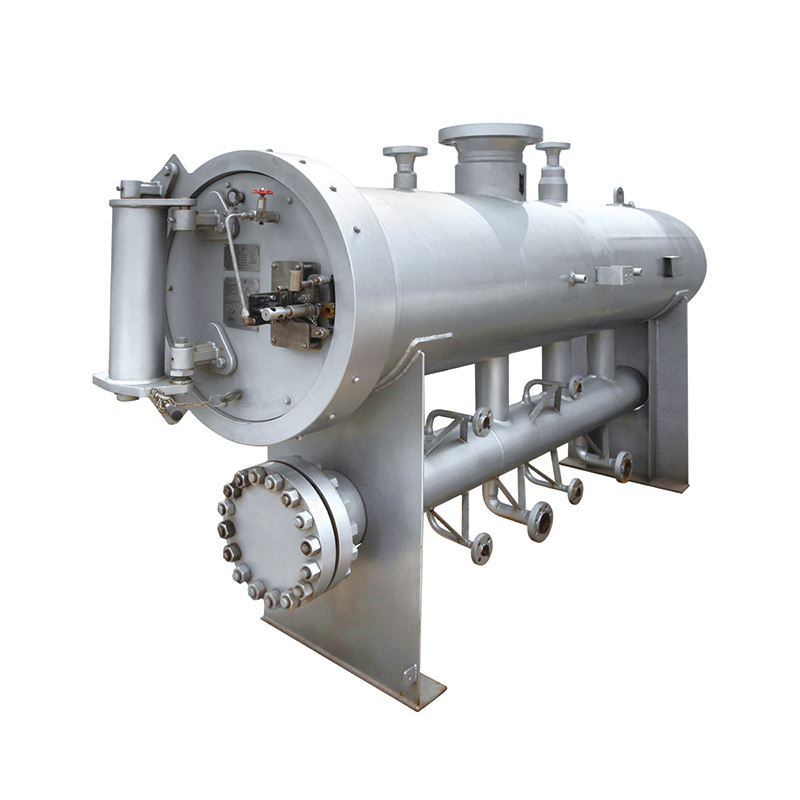
Fast opening blind plate, cylinder, reducing pipe, process connecting pipe, indicator and saddle support.
Design, manufacturing specifications and standards: GB150-2011 Pressure vessel.
TSG R0001-2009 Fixed pressure vessel safety technology supervision regulations
Materials and parts standard: GB713-2008, NB/T47008-2010, JB/T4712-2007, HG/T20592 - 20635-2009, GB/T9115-2010
Working temperature: -40℃~+80℃
Working pressures: < 10MPa
Classification: type I and type II
Type I is used for common pig launching and receiving;
Type II is used for the intelligent pig launching and receiving, and the installation method is horizontal type.
OYNR(P)DNXXX/DNXXX-PNXX-I(II)
OYN-Hebei Ouyinuo Gas Equipment Co., Ltd.
R-receiver
P-launcher
DN XXX/DNXXX-master cylinder diameter/pipe diameter
Design pressure (bar)
I (II) - Pig receiver & launcher type
Installation and connection mode
For installation, the receiver and launcher are installed by horizontal type, the distance from center to ground is usually about 1 meter, and the fast opening blind plate side of launcher is low with 5/1000 slope, while the fast opening blind plate side of receiver is high with 5/1000 slope. The launcher is connected with underground main pipeline through the valve and elbow pipes connecting with the straight pipe section.
The diameter of the ball valve which is connected by the receiving and serving devices with main pipeline shall be equal to the inner diameter of pigging pipeline. The upper part of end close to the fast opening blind pipe of launcher and receiver shall be equipped with venting valve, safety valve and pressure gauge, the lower part with a drain valve, and the side with medium inlet and outlet.
|
Basic Structure and Size of Type I Pig Launch and Receiver |
|||||||||||||||||
|
Pig launcher and receiver shall specifications |
Inlet and outlet diameter |
Structure size (mm) |
Nozzle nominal size |
||||||||||||||
|
L |
L1 |
L2 |
L3 |
L4 |
L5 |
L6 |
L7 |
L8 |
L9 |
1 |
2 |
3 |
4 |
5 |
6 |
||
|
DN150/DN100 |
Φ 108Φ114 |
2400 |
1200 |
800 |
800 |
200 |
500 |
150 |
200 |
200 |
200 |
15 |
25 |
80 |
25 |
50 |
50 |
|
DN200/DN150 |
Φ159、Φ 168 |
2400 |
1200 |
800 |
800 |
200 |
500 |
150 |
300 |
200 |
200 |
15 |
25 |
80 |
25 |
50 |
50 |
|
DN250/DN200 |
Φ219 |
2900 |
1500 |
1000 |
1100 |
200 |
600 |
150 |
300 |
300 |
200 |
15 |
32 |
150 |
32 |
50 |
50 |
|
DN325/DN300 |
Φ273 |
2900 |
1500 |
1000 |
1100 |
200 |
600 |
200 |
300 |
300 |
200 |
15 |
32 |
200 |
32 |
50 |
50 |
|
DN400/DN300 |
Φ325、Φ323 |
3600 |
1800 |
1200 |
1400 |
200 |
900 |
200 |
350 |
350 |
200 |
15 |
32 |
250 |
32 |
50 |
50 |
|
DN450/DN300 |
Φ377、Φ 355 |
3800 |
1800 |
1200 |
1400 |
200 |
800 |
200 |
350 |
350 |
200 |
15 |
40 |
300 |
40 |
50 |
80 |
|
DN500/DN400 |
Φ426Φ406 |
4400 |
2000 |
1500 |
1500 |
250 |
1000 |
200 |
350 |
350 |
250 |
15 |
40 |
300 |
40 |
50 |
80 |
|
DN550/DN450 |
Φ 457 |
4400 |
2000 |
1500 |
1500 |
250 |
1000 |
200 |
350 |
350 |
250 |
15 |
50 |
350 |
50 |
50 |
80 |
|
DN600/DN500 |
Φ529、Φ508 |
4600 |
2200 |
1800 |
1600 |
250 |
1400 |
200 |
350 |
400 |
250 |
15 |
50 |
350 |
50 |
50 |
80 |
|
DN700/DN600 |
Φ630、Φ610 |
4600 |
2200 |
1800 |
1600 |
250 |
1400 |
200 |
350 |
400 |
250 |
15 |
50 |
400 |
50 |
50 |
100 |
|
DN800/DN650 |
Φ660 |
4900 |
2500 |
2000 |
1900 |
250 |
1400 |
250 |
350 |
400 |
250 |
15 |
80 |
400 |
80 |
50 |
100 |
|
DN800/DN700 |
Φ711、Φ720 |
4900 |
2500 |
2000 |
1900 |
300 |
1400 |
250 |
350 |
400 |
300 |
15 |
80 |
500 |
80 |
50 |
100 |
|
DN850/DN750 |
Φ762 |
5300 |
3000 |
2200 |
2400 |
300 |
1400 |
250 |
400 |
400 |
300 |
15 |
80 |
500 |
80 |
50 |
100 |
|
DN900/DN800 |
Φ 813、Φ820 |
5600 |
3000 |
2200 |
2400 |
300 |
1400 |
250 |
400 |
500 |
300 |
15 |
100 |
500 |
100 |
50 |
150 |
|
DN1000/DN850 |
Φ864 |
6800 |
3500 |
2500 |
2900 |
300 |
1600 |
250 |
400 |
500 |
300 |
15 |
100 |
500 |
100 |
50 |
150 |
|
DN1200/DN900 |
Φ914、Φ920 |
6800 |
3500 |
2500 |
2900 |
300 |
1600 |
250 |
400 |
600 |
300 |
15 |
150 |
500 |
150 |
50 |
150 |
|
DN1200/DN950 |
Φ965 |
6800 |
3500 |
2500 |
2900 |
300 |
2000 |
250 |
400 |
600 |
300 |
15 |
150 |
600 |
150 |
50 |
150 |
|
DN 1200/DN1000 |
Φ1016、Φ1020 |
6800 |
3500 |
2500 |
2900 |
300 |
2000 |
250 |
400 |
600 |
300 |
15 |
150 |
600 |
150 |
50 |
150 |
|
Basic Structure and Size of Type II Pig Receiver & Launcher |
|||||||||||||||||
|
Specifications of Pig Receiver & Launcher |
Pipe Diameter |
Structure Size (mm) |
Nominal Size of Nozzle |
||||||||||||||
|
L |
L1 |
L2 |
L3 |
L4 |
L5 |
L6 |
L7 |
L8 |
L9 |
1 |
2 |
3 |
4 |
5 |
6 |
||
|
DN150/DN100 |
Φ108, Φ 114 |
2400 |
1200 |
800 |
1340 |
200 |
700 |
150 |
200 |
300 |
200 |
15 |
25 |
80 |
25 |
50 |
50 |
|
DN200/DN150 |
Φ159, Φ168 |
2400 |
1200 |
800 |
1352 |
200 |
700 |
150 |
300 |
300 |
200 |
15 |
25 |
80 |
25 |
50 |
50 |
|
DN250/DN200 |
Φ219 |
2900 |
1500 |
1000 |
1678 |
200 |
850 |
150 |
300 |
400 |
200 |
15 |
32 |
150 |
32 |
50 |
50 |
|
DN330/DN300 |
Φ273 |
2900 |
1500 |
1000 |
1703 |
200 |
850 |
200 |
300 |
400 |
200 |
15 |
32 |
200 |
32 |
50 |
50 |
|
DN400/DN300 |
Φ 325, Φ 323 |
3600 |
1800 |
1200 |
2130 |
200 |
1000 |
200 |
400 |
500 |
200 |
15 |
32 |
250 |
32 |
50 |
50 |
|
DN450/DN300 |
Φ 377, Φ355 |
3800 |
1800 |
1200 |
2156 |
200 |
1000 |
200 |
400 |
500 |
200 |
15 |
40 |
300 |
40 |
50 |
80 |
|
DN500/DN400 |
Φ426, Φ406 |
4400 |
2000 |
1500 |
2508 |
250 |
1400 |
200 |
400 |
500 |
250 |
15 |
40 |
300 |
40 |
50 |
80 |
|
DN550/DN450 |
Φ457 |
4400 |
2000 |
1500 |
2508 |
250 |
1600 |
200 |
400 |
550 |
250 |
15 |
50 |
350 |
50 |
50 |
80 |
|
DN600/DN500 |
Φ529, Φ 508 |
4600 |
2200 |
1800 |
2708 |
250 |
1600 |
400 |
400 |
550 |
250 |
15 |
50 |
350 |
50 |
50 |
80 |
|
DN700/DN600 |
Φ 630, Φ 610 |
4600 |
2200 |
1800 |
2810 |
250 |
1800 |
200 |
400 |
550 |
250 |
15 |
50 |
400 |
50 |
50 |
100 |
|
DN800/DN650 |
Φ660 |
4900 |
2500 |
2000 |
3110 |
250 |
1800 |
250 |
400 |
550 |
250 |
15 |
80 |
400 |
80 |
50 |
100 |
|
DN800/DN700 |
Φ711, Φ720 |
4900 |
2500 |
2000 |
3110 |
300 |
1800 |
250 |
400 |
650 |
300 |
15 |
80 |
500 |
80 |
50 |
100 |
|
DN850/DN750 |
Φ762 |
5300 |
3000 |
2200 |
3610 |
300 |
1800 |
250 |
400 |
650 |
300 |
15 |
80 |
500 |
80 |
50 |
100 |
|
DN900/DN800 |
Φ813, Φ820 |
5600 |
3000 |
2200 |
3610 |
300 |
1800 |
250 |
400 |
650 |
300 |
15 |
100 |
500 |
100 |
50 |
150 |
|
DN1000/DN850 |
Φ864 |
6800 |
3500 |
2500 |
4110 |
300 |
2500 |
250 |
400 |
700 |
300 |
15 |
100 |
500 |
100 |
50 |
150 |
|
DN1200/DN900 |
Φ 914, Φ 920 |
6800 |
3500 |
2500 |
4110 |
300 |
2500 |
250 |
400 |
700 |
300 |
15 |
150 |
500 |
150 |
50 |
150 |
|
DN1200/DN950 |
Φ965 |
6800 |
3500 |
2500 |
4110 |
300 |
2500 |
250 |
400 |
700 |
300 |
15 |
150 |
600 |
150 |
50 |
150 |
|
DN1200/DN1000 |
Φ1016, Φ1020 |
6800 |
3500 |
2500 |
4110 |
300 |
2500 |
250 |
400 |
700 |
300 |
15 |
150 |
600 |
150 |
50 |
150 |
What is the design code for pig launcher and receiver?
The design of pig launchers and receivers—used in pipelines for cleaning, inspection, or maintenance—must adhere to established engineering codes and standards to ensure safety, structural integrity, and reliable operation under pressure. These devices are subjected to internal pressures, mechanical loads, and sometimes temperature extremes, making compliance with recognized design codes essential.
The primary design code commonly referenced is the ASME Boiler and Pressure Vessel Code (BPVC), Section VIII, Division 1 or 2, which governs pressure vessels. Pig launchers and receivers are essentially pressure vessels connected to the pipeline and must be designed to withstand the maximum allowable working pressure (MAWP) of the pipeline, as well as operational loads such as hydrostatic and dynamic forces during pig launching and receiving. Material selection, wall thickness, welding, inspection, and testing requirements all follow ASME standards to ensure safety under normal and abnormal conditions.
In addition to ASME, API (American Petroleum Institute) standards, such as API 1111 (Design, Construction, Operation of Pipelines and Associated Facilities), provide guidance on pigging operations, launcher and receiver configurations, and operational safety. API 1111 outlines proper design considerations for the geometry of launcher/receiver barrels, closure devices, venting systems, and bypass connections, ensuring smooth pig passage and minimizing operational hazards.
Other relevant codes may include ANSI/ASME B31.3 (Process Piping) or B31.4/B31.8 (Liquid and Gas Transmission Pipelines), especially when the launcher or receiver is part of a process pipeline. These standards address design pressures, material compatibility, and inspection requirements.
Finally, proper hydrostatic testing, non-destructive examination (NDE), and adherence to local regulations are mandatory. Pressure relief devices, locking mechanisms, and safety interlocks are also designed according to these codes to prevent accidents during pigging operations.
In summary, pig launchers and receivers are primarily designed following ASME Section VIII for pressure vessels, with operational guidance from API 1111, and supplemented by applicable ANSI/ASME piping codes, ensuring safe, reliable, and code-compliant operation in pipeline systems.
pig launcher and receiver design
A pig launcher and receiver are essential components in pipeline systems, used for cleaning, inspecting, and maintaining pipelines without interrupting flow. The launcher introduces a pig—a device that travels inside the pipeline—while the receiver safely captures it at the downstream end. Designing these systems requires careful consideration of pressure, flow, material, and operational safety.
The design typically follows ASME Section VIII for pressure vessels, as launchers and receivers are subject to high internal pressures. The barrel must be sized to accommodate the pig, provide sufficient space for pressurization, and withstand the maximum allowable working pressure (MAWP) of the pipeline. Wall thickness, end-cap design, and nozzle connections are calculated based on internal pressure, material strength, and corrosion allowances. Material selection is critical, often using carbon steel, stainless steel, or corrosion-resistant alloys to match the pipeline environment and operating temperature.
Operational considerations include the closure mechanism—bolted or quick-opening doors—pressure relief devices, venting systems, and bypass lines to ensure smooth pig insertion and retrieval. The receiver must allow controlled depressurization before opening to safely remove the pig. Designers also account for pig velocity, pipeline pressure drop, and pig dimensions to prevent damage or jamming.
Standards and codes such as API 1111 and ANSI/ASME B31.4 or B31.8 guide configuration, barrel orientation, and safety requirements. Inspection, non-destructive testing, and hydrostatic testing are mandatory to verify structural integrity.
In summary, the design of a pig launcher and receiver integrates pressure vessel engineering, pipeline operational considerations, and safety compliance. Proper sizing, material selection, and adherence to ASME and API standards ensure reliable pigging operations, protecting both personnel and the pipeline system.
Pig launcher and receiver design pdf
A Pig Launcher and Receiver Design PDF typically provides comprehensive technical guidance on the engineering, construction, and operation of pigging facilities in pipelines. Pig launchers and receivers are specialized pressure vessels used to insert and retrieve pigs—devices that clean, inspect, or separate fluids in pipelines—without interrupting flow.
The PDF usually begins with an introduction to pigging operations, explaining the purpose of pigs, types of pigs, and applications in oil, gas, and water pipelines. It emphasizes safety considerations, including handling high-pressure gas or liquid, avoiding pipeline damage, and ensuring personnel protection.
Design sections focus on pressure vessel calculations, following ASME Section VIII for wall thickness, end-cap design, and nozzle sizing. It covers material selection, typically carbon steel, stainless steel, or corrosion-resistant alloys, considering operating pressure, temperature, and fluid properties. The document also details barrel sizing, ensuring sufficient space for the pig and smooth operation, and provides guidance for closure mechanisms, such as bolted or quick-opening doors, and pressure relief systems to prevent accidents.
Operational guidance includes pressure equalization, venting, and bypass lines to safely launch and receive pigs. It often explains how to calculate pig velocity, pipeline pressure drops, and flow dynamics to prevent jamming or damage. Illustrations, diagrams, and tables show proper orientation, dimensions, and key components.
Standards and codes such as API 1111, ANSI/ASME B31.4, and B31.8 are referenced to ensure compliance. Testing procedures, including hydrostatic tests and non-destructive examinations (NDE), are also described to verify structural integrity.
In summary, a Pig Launcher and Receiver Design PDF provides engineers with detailed calculations, material guidance, safety protocols, and operational instructions to design reliable and compliant pigging facilities for pipelines.
gas filtration
gas heat exchanger
gas metering
metering systems
natural gas heat exchanger
Write your message here and send it to us
Products categories