HighEfficiency CNG Decompression Equipment China Suppliers and Factory
Product Overview
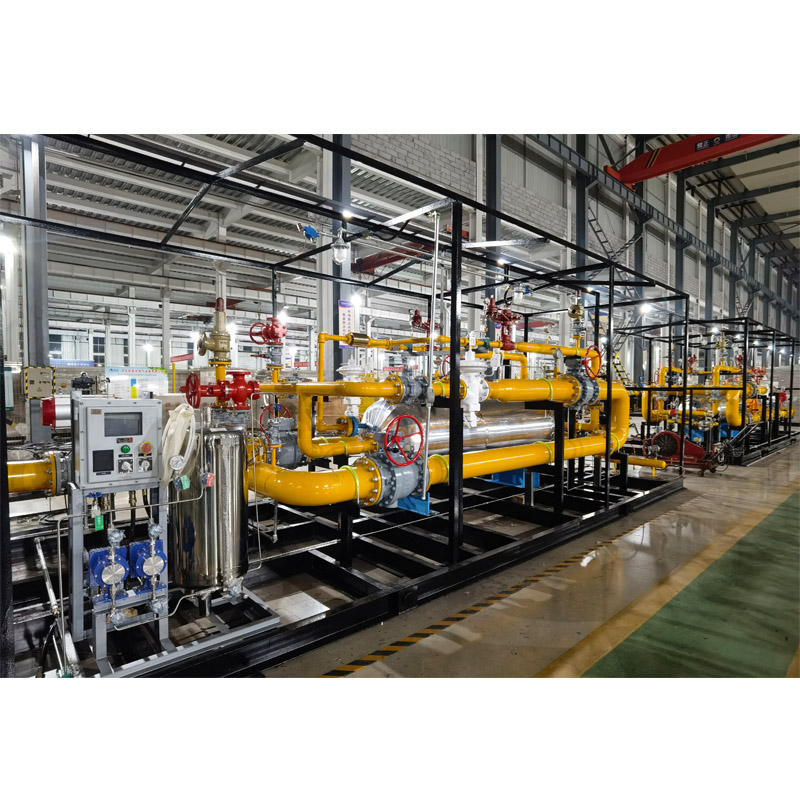
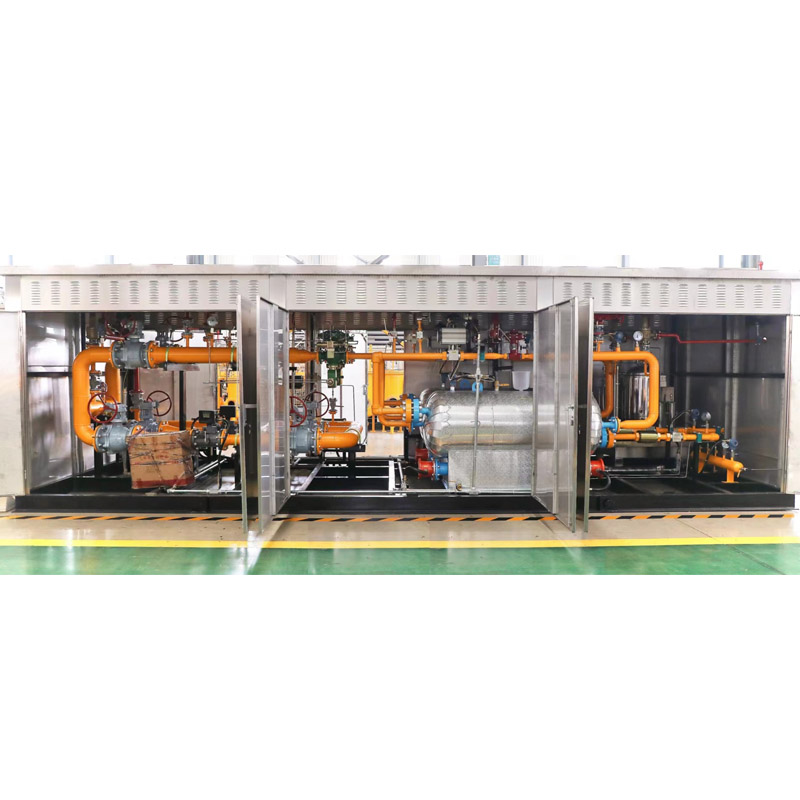
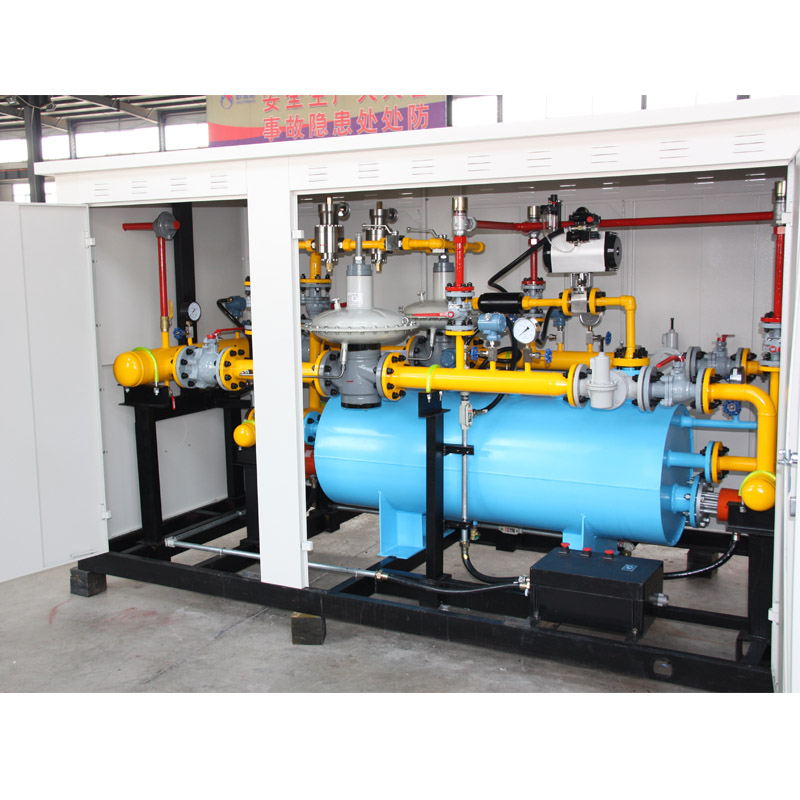
Our CNG Decompression Equipment is engineered to meet the evolving energy demands and environmental standards of modern natural gas distribution. By facilitating the secure storage and transport of high-pressure Compressed Natural Gas (CNG), this system enables efficient delivery to end-users through advanced multi-stage heat exchange and precise pressure regulation, ensuring a seamless transition from transport tankers to pipeline networks.
Designed for optimal economic efficiency, the system is ideal for supply ranges between 300km and 500km, serving 2,000 to 4,000 households with a flow capacity of 200-5,000Nm³/h. This modular solution offers a low investment threshold, short construction periods, and rapid ROI, while serving as a critical peak-load and emergency gas source for future long-distance pipeline expansions.
Detailed Parameters
| Max Flow Rate | 300 - 5,000 Nm³/h | Pressure Regulation | Secondary or Third-Stage Regulation |
|---|---|---|---|
| Inlet Temperature | 65-85 °C | Outlet Gas Temp | 10-20 °C |
| Inlet Diameter | DN25 - DN50 | Outlet Diameter | DN50 - DN150 |
| System Dimensions | 6.5 x 2 x 2.3 m | Equipment Weight | 2.6 - 4.6 t |
| Post-regulation Pressure | 0.1 - 0.4 MPa | Boiler Power | 2.0 - 25 Large Calorie |
Key Advantages
High-Safety Control
Equipped with high-pressure emergency cutoff valves and relief valves to ensure absolute safety during decompression.
Rapid Implementation
Low investment scale and short construction periods allow for quick deployment and faster payback periods.
Precision Regulation
Advanced multi-stage regulation (2 or 3 stages) ensures gas pressure conforms strictly to pipeline specifications.
Intelligent Monitoring
Central console provides interlocking control over pressures, temperatures, and flow rates across the station.
Thermal Stability
Integrated heating systems and heat exchangers prevent freezing and maintain optimal gas temperature.
Flexible Scalability
Model range from CNG-300 to CNG-5000 allows for precise matching based on household demand.
Product Gallery
Management Platforms
Unloading System
Optimized high-pressure hoses and quick couplers for rapid and secure tanker connection.
Heat Exchange System
Multi-stage heating ensures gas stability and prevents temperature drops during expansion.
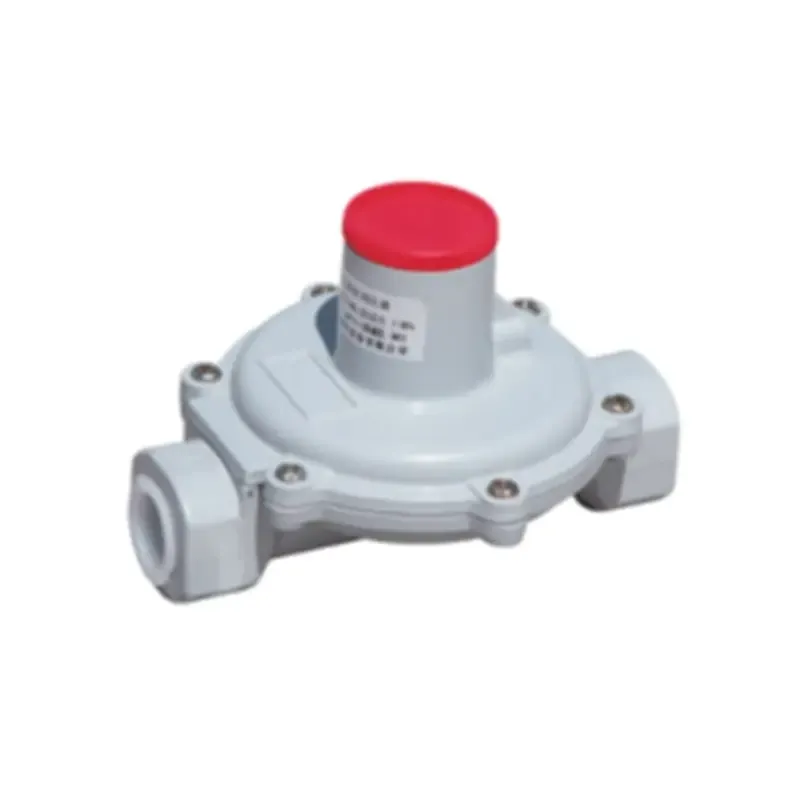
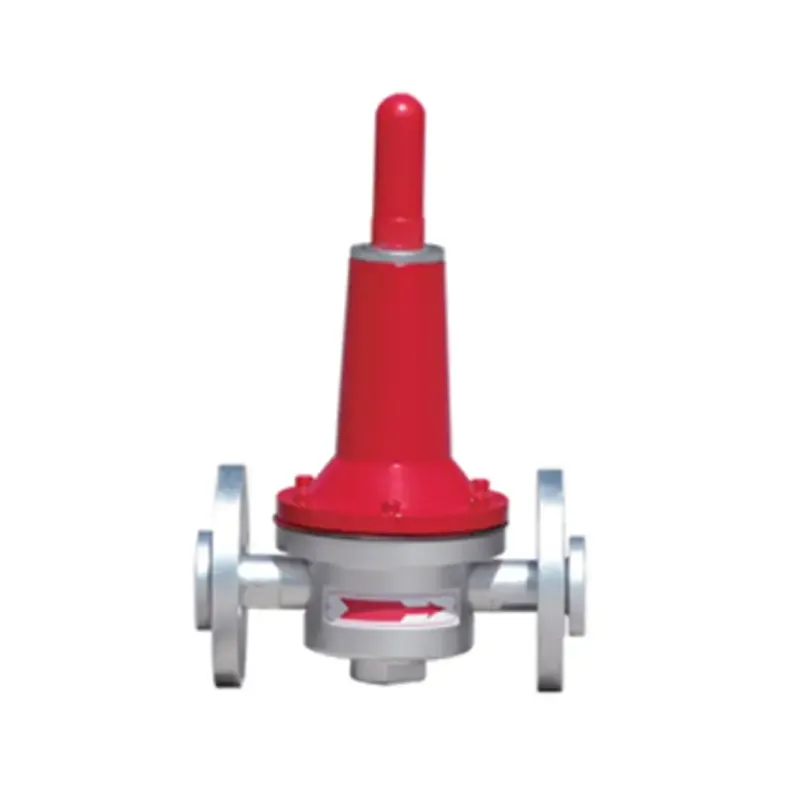
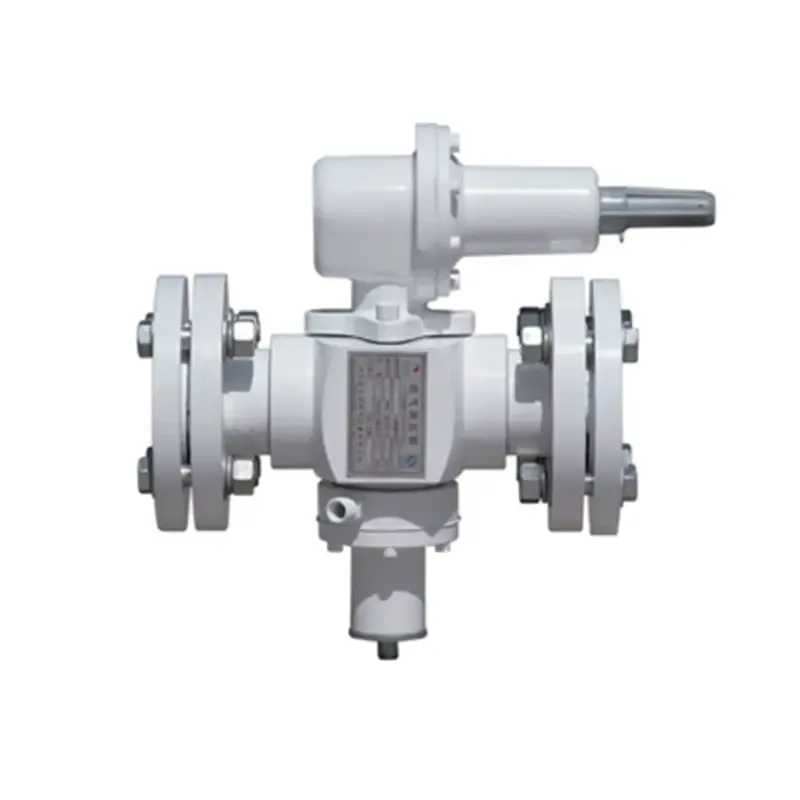
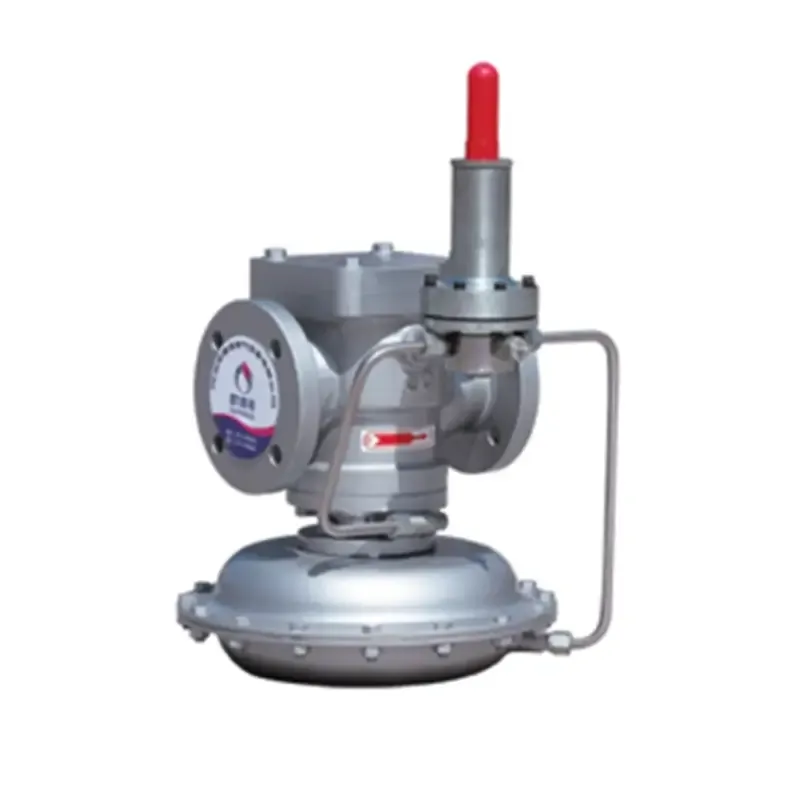
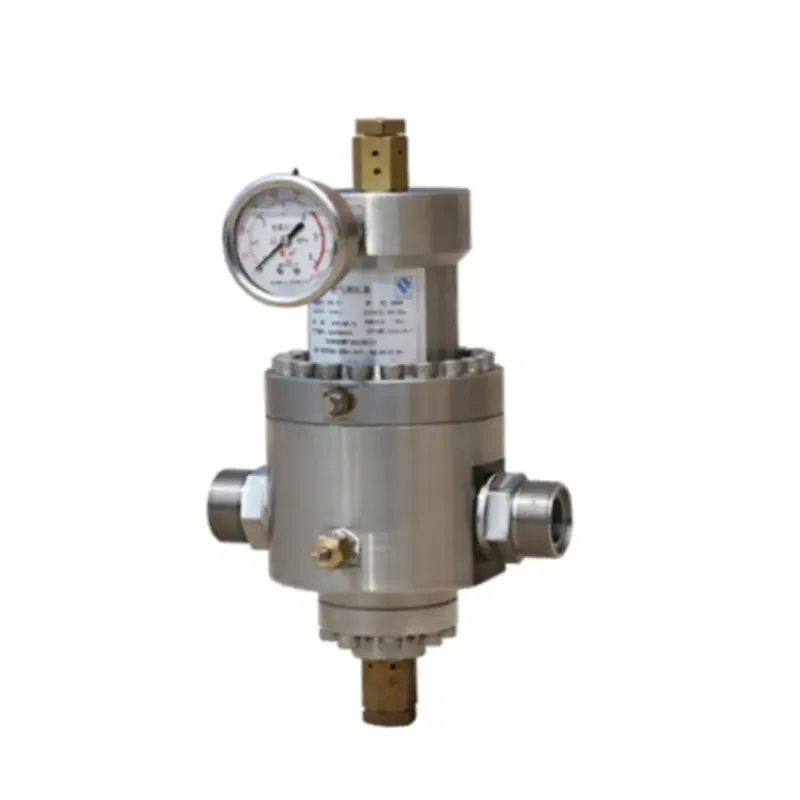
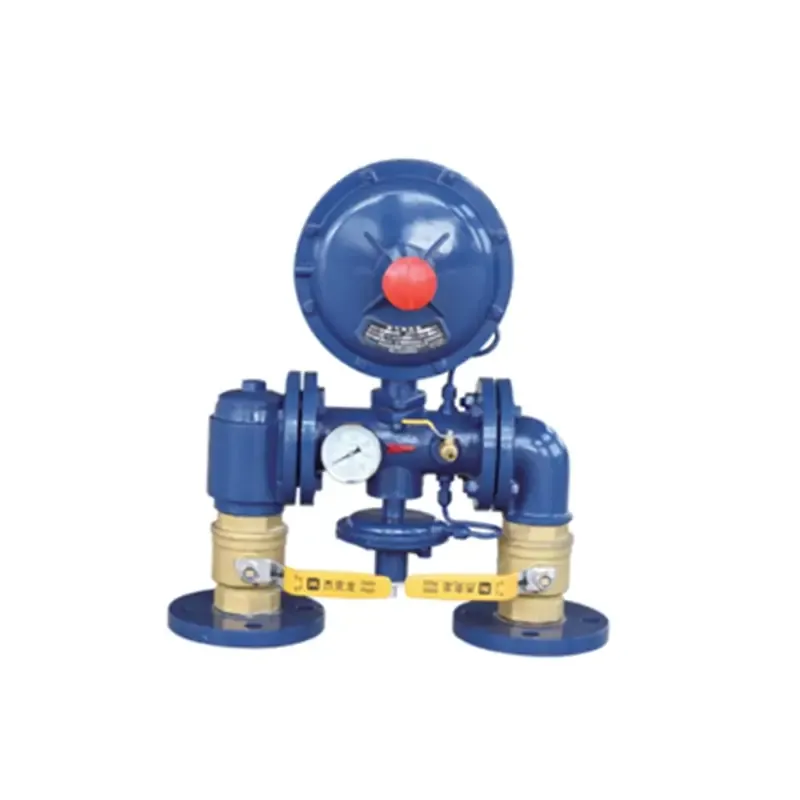
Pressure Regulation
Precision regulators manage the transition from high-pressure storage to medium-pressure networks.
Flow Metering
High-accuracy flow meters for precise billing and distribution monitoring.
Odorization System
Integrated odorization for leak detection and safety compliance in downstream pipelines.
Central Control
Automated console for real-time monitoring of all system interlocking parameters.
Investment Return Comparison
| Feature | Traditional Pipeline | CNG Decompression System |
|---|---|---|
| Initial Investment | Very High | Low to Moderate |
| Construction Period | Long (Years) | Short (Weeks/Months) |
| Flexibility | Fixed Route | Highly Mobile/Adaptable |
| Payback Period | Long Term | Rapid Recovery |
| Emergency Capability | Limited | High (Peak Load Support) |
Frequently Asked Questions
Q: What is the primary difference between secondary and third-stage pressure regulation?
Secondary regulation reduces pressure in two steps (e.g., to 1.0-4.0MPa then 0.1-0.4MPa), while third-stage regulation adds an intermediate step (3.0-7.5MPa to 1.6-2.5MPa then 0.1-0.4MPa) for more precise control and stability in higher-capacity systems.
Q: Why is heat exchange necessary during CNG decompression?
Rapid decompression causes a significant drop in gas temperature (Joule-Thomson effect). Heat exchangers are used to preheat the gas to prevent equipment freezing and ensure the outlet temperature remains between 10-20°C.
Q: What is the ideal supply scale for these CNG stations?
The system is most economic when serving 2,000 to 4,000 households with an air supply range of 200-5,000Nm³/h, typically within 300-500km from the source.
Q: How is the system's safety ensured during high-pressure unloading?
Safety is maintained through high-pressure emergency cutoff valves, relief valves, and a central control console that manages interlocking controls for all key valves and pressure levels.
Q: Can this equipment be used as a temporary solution?
Yes, due to its low investment and quick installation, it is an excellent choice for temporary supply or as a peak-load and emergency gas source before a permanent long-distance pipeline is established.
Q: What components are included in the standard CNG station structure?
A standard station includes an unloading system, pressure regulating heat exchange system, flow metering system, central control system, and a heating system (boiler and pumps).
Ready to Optimize Your Gas Distribution Infrastructure?
Contact UsWrite your message here and send it to us
Products categories