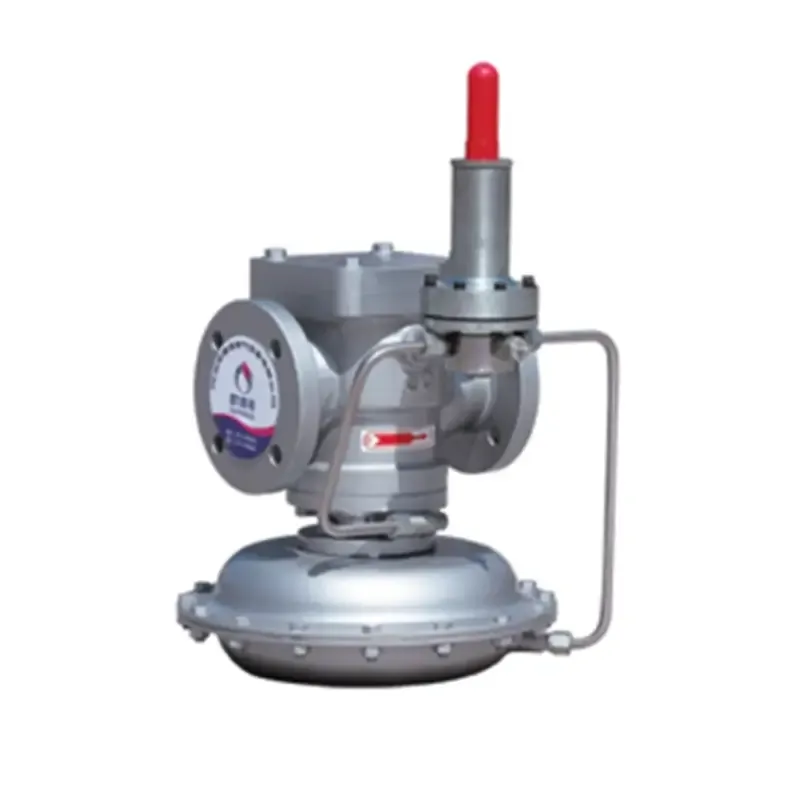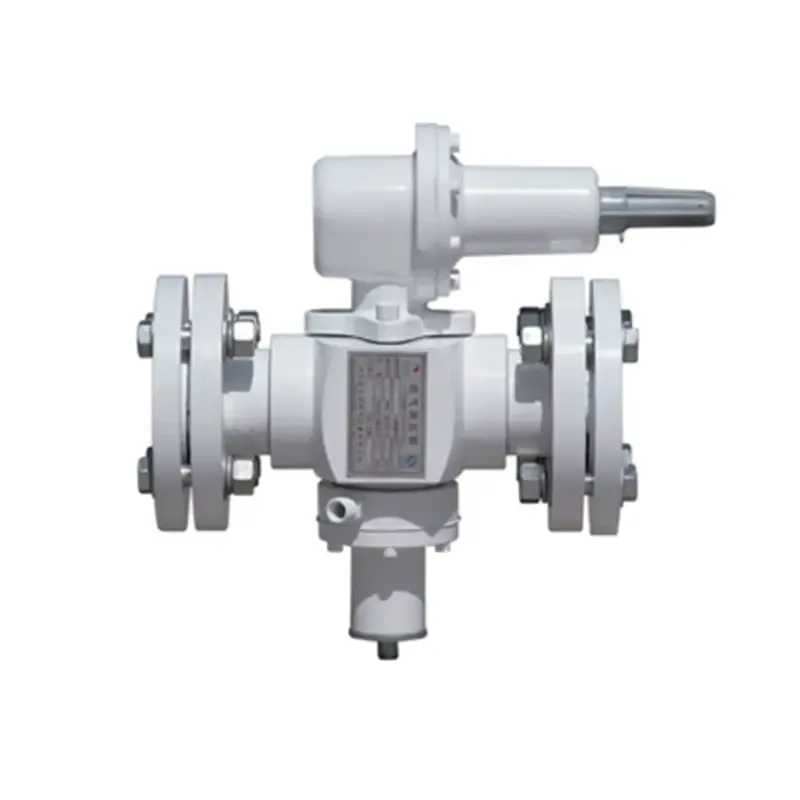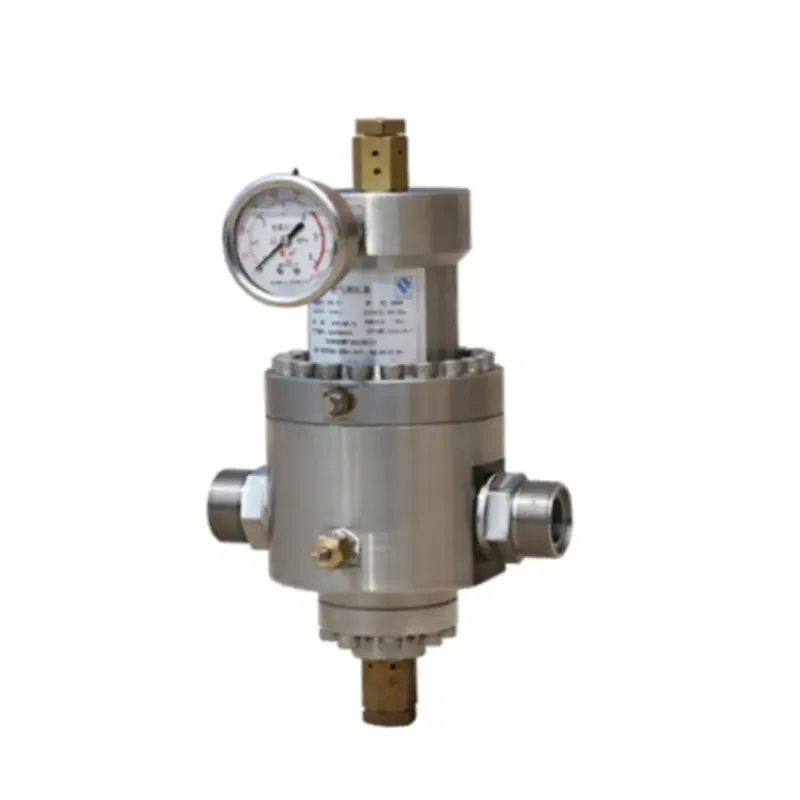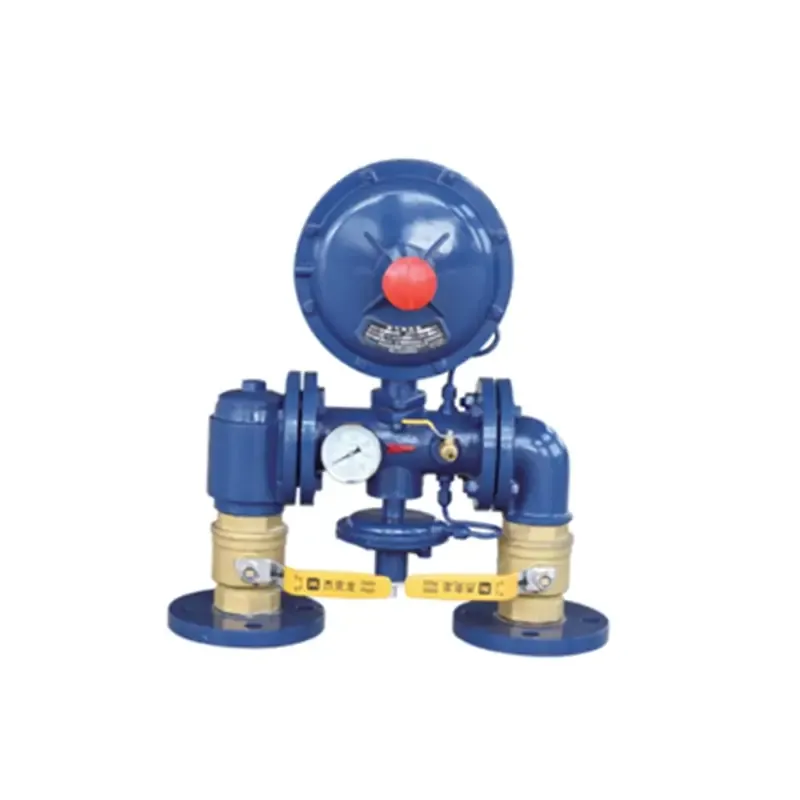
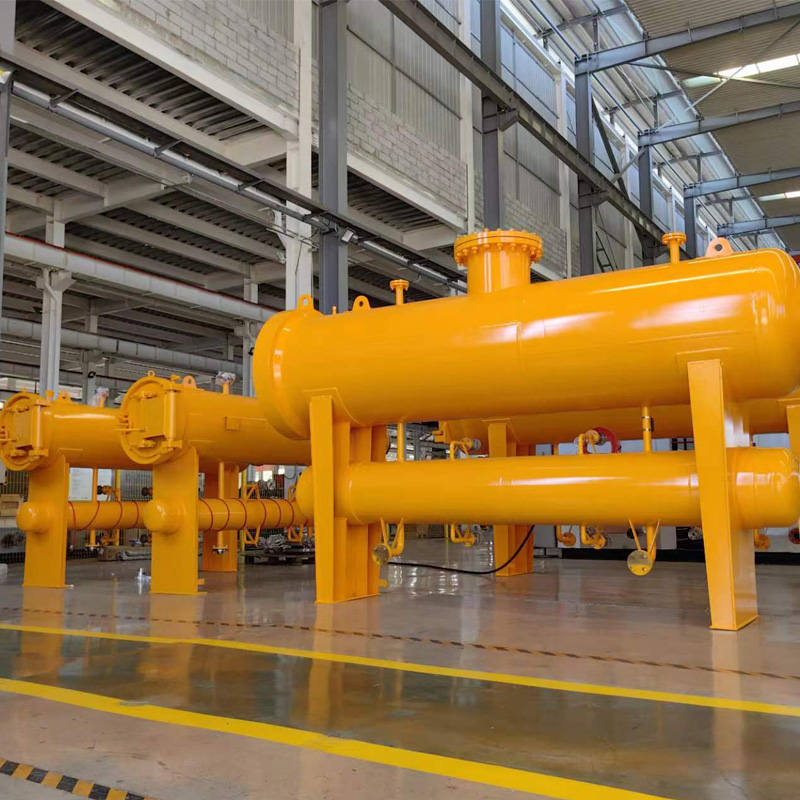
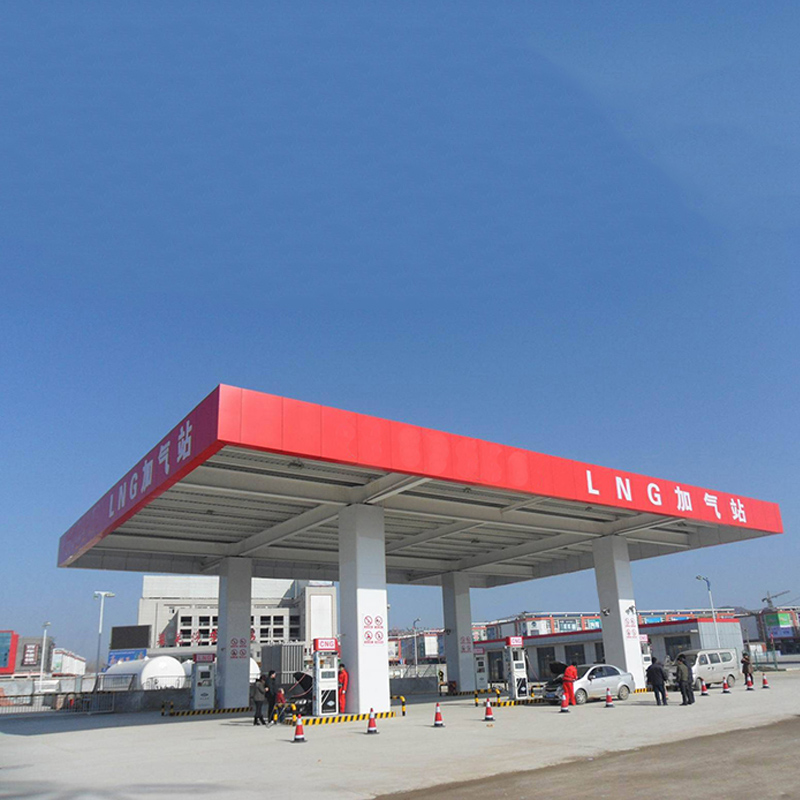
Uruguay's gas infrastructure is currently undergoing a strategic shift toward increased reliability and efficiency. With a heavy reliance on imported natural gas, the demand for robust decompression equipment has surged to ensure a steady supply to both industrial clusters and residential hubs, overcoming the challenges of varying inlet pressures.
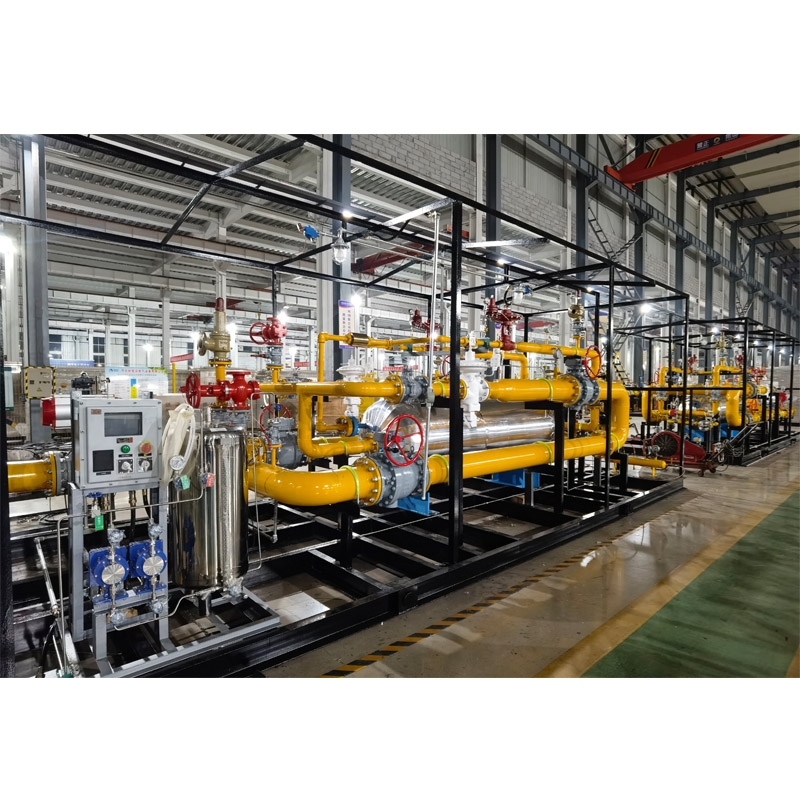
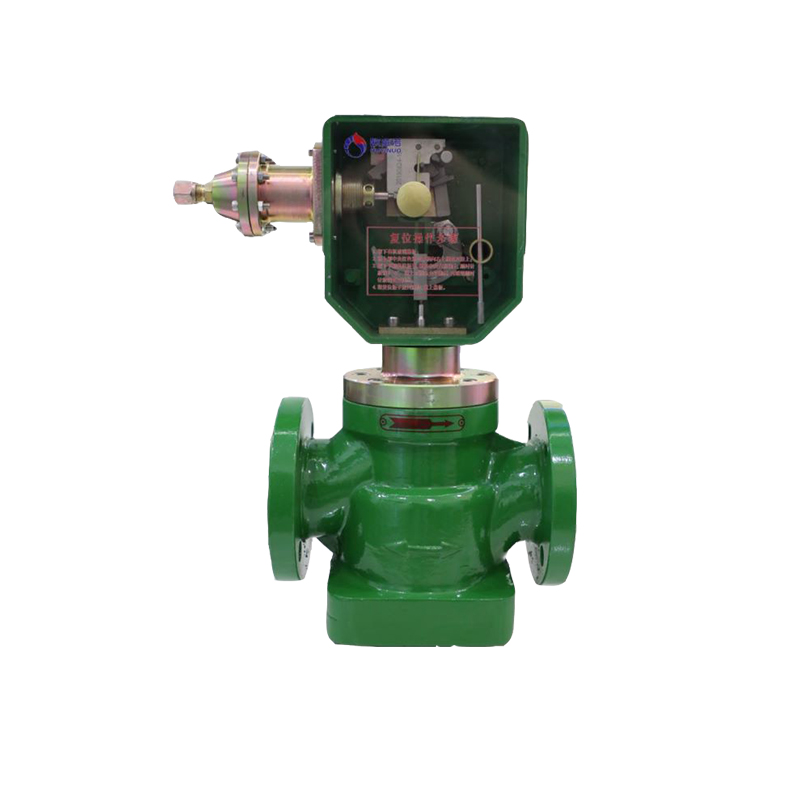
The local environment, characterized by high humidity and saline air near the coastal regions, necessitates specialized materials in valve manufacturing. This has led to a preference for skid mounted equipment that allows for rapid deployment and factory-tested quality control, reducing the risks associated with on-site assembly in Uruguayan weather conditions.
Furthermore, the industrialization of the interior regions requires more flexible distribution nodes. The adoption of the decompression skid has become essential for localized pressure reduction, allowing small-to-medium enterprises to integrate into the national gas network without prohibitive infrastructure costs.