


Sep . 23, 2025 01:55
Back to list
CNG Heat Exchangers: Efficient Natural Gas & LNG Solutions
Introduction to Compressed Natural Gas (CNG) and its Strategic Importance
Compressed Natural Gas, or CNG, represents a vital component in the global transition towards cleaner, more sustainable energy sources. Derived from natural gas, predominantly methane, CNG is created by compressing natural gas to less than 1% of its volume at standard atmospheric pressure. This process allows for efficient storage and transportation, making it an attractive alternative to conventional liquid fuels in various industrial and commercial applications. The inherent advantages of natural gas, such as lower carbon emissions and cost-effectiveness, are further amplified by its compressed form, facilitating widespread adoption across multiple sectors.
The industry landscape for CNG is characterized by dynamic growth, driven by stringent environmental regulations, fluctuating crude oil prices, and advancements in natural gas infrastructure. Global demand for natural gas as a cleaner fuel has spurred significant investments in compression technologies, distribution networks, and end-use applications. Trends indicate a sustained shift towards natural gas vehicles (NGVs) in public transportation and logistics, alongside an expanding role for CNG in industrial processes and distributed power generation. This evolution underscores the need for robust, reliable, and technically advanced components, such as high-performance gas pressure regulators, to ensure safe and efficient operation.
The CNG Processing Flow: From Raw Gas to Distribution
The transformation of raw natural gas into a usable CNG product involves a sophisticated multi-stage processing flow designed to ensure purity, safety, and optimal energy density. This intricate process is critical for meeting stringent industry standards and delivering a high-quality fuel.
Detailed Process Steps:
- Raw Gas Reception & Pre-treatment: Natural gas from pipelines or wellheads first undergoes preliminary filtration to remove larger particulate matter. This step is crucial for protecting downstream equipment from physical damage.
- Desulfurization & Dehydration: The gas is then routed through desulfurization units to remove sulfur compounds (e.g., H2S, mercaptans) and dehydration units to extract water vapor. Both processes are essential to prevent corrosion of equipment, ensure fuel quality, and meet dew point specifications, often aligned with ISO 6976 and ANSI standards. Materials used in these stages, such as molecular sieves or glycol absorbers, are selected for their high efficacy and chemical resistance.
- Compression: Following purification, the gas is compressed in multiple stages to pressures typically ranging from 200 to 250 bar (2900-3600 psi). Multi-stage reciprocating or screw compressors are common, often featuring intermediate cooling stages. This is where heat exchanger technology becomes paramount, dissipating the heat generated during compression to optimize efficiency and prevent thermal degradation of components. The use of advanced materials like high-strength alloy steels for compressor cylinders and precision-machined components manufactured via CNC machining ensures exceptional service life and reliability, often exceeding 20 years in continuous operation.
- Cooling & Storage: After final compression, the hot CNG is cooled to ambient temperatures using high-efficiency natural gas heat exchangers before being stored in high-pressure cylinders or storage cascades. These cylinders are typically constructed from seamless steel or composite materials, designed and tested according to standards like ISO 11439 or DOT specifications, guaranteeing structural integrity under extreme pressures.
- Dispensing & Distribution: For end-use, the stored CNG is dispensed through fueling stations, utilizing sophisticated dispensing units equipped with flow meters and pressure regulators, such as the RTZ1-/GQ Series Gas Pressure Regulators, to deliver the gas safely and accurately to vehicles or industrial consumers. The manufacturing of these regulators involves precision casting or forging followed by CNC machining to achieve the tight tolerances required for exact pressure control.
This rigorous process ensures that the delivered CNG is clean, dry, and at the correct pressure, making it suitable for a wide array of target industries including petrochemicals, metallurgy, power generation, and transportation. Advantages include significant energy saving through efficient compression and reduced pipeline losses, along with enhanced corrosion resistance due to the removal of corrosive elements during purification.
Technical Specifications and Performance Parameters of CNG
Understanding the intrinsic technical specifications of CNG is paramount for its effective and safe utilization. These parameters dictate everything from storage requirements to engine design and overall system efficiency. Key parameters include composition, pressure, energy density, and specific gravity.
Typical CNG Technical Parameters:
| Parameter | Typical Range/Value | Unit |
|---|---|---|
| Methane (CH4) Content | 85 - 98 | % by volume |
| Operating Pressure | 200 - 250 (300 for some systems) | bar (psi) |
| Lower Heating Value (LHV) | 48 - 50 | MJ/kg |
| Energy Density (Volumetric) | 3000 - 3600 | Wh/L |
| Gas Quality (H2S) | < 4 | ppm |
| Dew Point | < -10 | °C at service pressure |
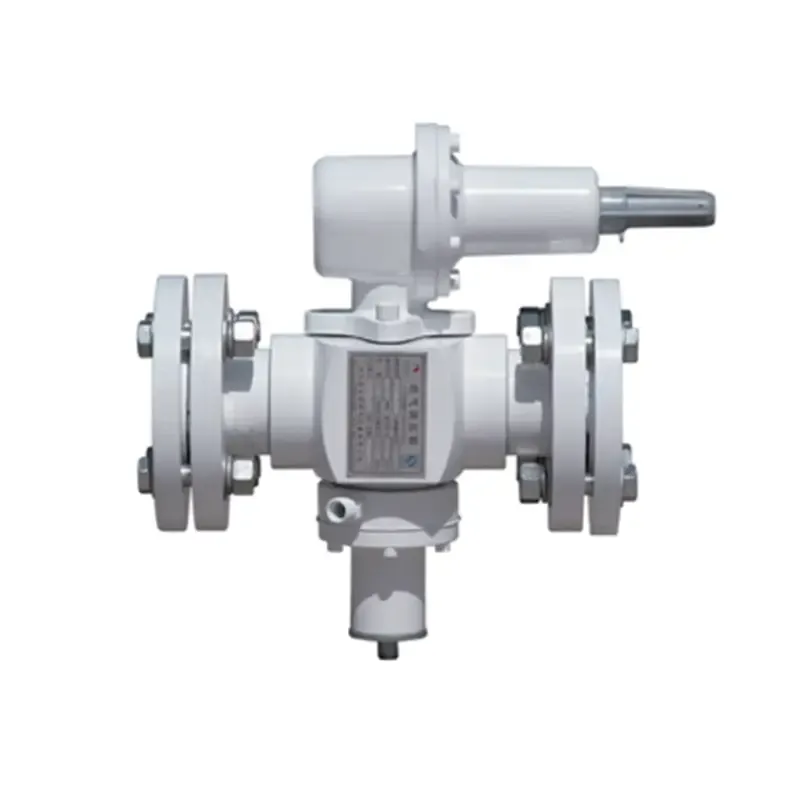
These parameters highlight the energy-rich nature of CNG and its suitability for various high-demand applications. The operational pressure is a critical factor influencing the design and material selection for storage tanks, pipelines, and dispensing equipment. Ensuring precise pressure regulation at the point of use is achieved through specialized components like the RTZ1-/GQ Series Gas Pressure Regulator, which is engineered for stability, accuracy, and long-term reliability under challenging operational conditions. Its design typically incorporates robust diaphragm or piston mechanisms, high-strength alloy bodies (often ductile iron or cast steel for B2B applications), and corrosion-resistant internal components, all manufactured to exacting specifications via advanced CNC machining.
Key Technologies in CNG Systems: Focus on Heat Exchangers
The efficient and safe operation of CNG systems relies heavily on several critical technologies, among which heat exchangers play a foundational role. These devices are essential for managing thermal energy throughout the compression, storage, and dispensing cycle of natural gas, ensuring both system performance and safety.
The Indispensable Role of Natural Gas Heat Exchangers:
During the compression of natural gas, a significant amount of heat is generated due to the ideal gas law and the work done on the gas. Without adequate cooling, this heat can lead to several problems: reduced compressor efficiency, potential damage to sealing materials, and an increased risk of thermal expansion issues in storage vessels. Natural gas heat exchangers are strategically placed between compression stages (intercoolers) and after the final compression stage (aftercoolers) to efficiently dissipate this heat. This process not only maintains optimal operating temperatures but also enhances the volumetric efficiency of compression and ensures that the CNG is stored at a stable temperature.
Conversely, during the decompression or dispensing of CNG, the gas undergoes rapid expansion, leading to a significant temperature drop (Joule-Thomson effect). If unmanaged, this cooling can cause freezing of moisture, material embrittlement, or impede flow. Therefore, gas heat exchangers are also used in dispensing units to pre-heat the gas before it enters the pressure regulator, ensuring smooth operation and preventing cold-related issues, particularly crucial in cold climates.
Types and Technical Considerations:
- Shell and Tube Heat Exchangers: Robust and widely used for high-pressure and high-temperature applications, offering good structural integrity and ease of maintenance. Materials like carbon steel or stainless steel are chosen based on the fluid properties and operating environment.
- Plate Heat Exchangers: Known for high thermal efficiency and compact design, ideal for applications where space is a constraint. Gasketed or brazed plate designs are common, with material choices like stainless steel or titanium for corrosive resistance.
- Finned Tube Heat Exchangers (Air Cooled): Often used as aftercoolers, these utilize ambient air to dissipate heat, reducing the need for water cooling infrastructure. The extended surface area provided by fins enhances heat transfer.
Manufacturers adhere to strict international standards such as TEMA (Tubular Exchanger Manufacturers Association) for shell and tube exchangers and various ASME codes for pressure vessels, ensuring reliable performance and safety. The selection of a specific heat exchanger type depends on factors like pressure rating, flow rate, temperature difference, available space, and required maintenance intervals.
Application Scenarios Across Diverse Industries
The versatility and environmental benefits of CNG have propelled its adoption across a broad spectrum of industrial and commercial applications. Its utility spans from transportation to power generation and various industrial processes, offering a cleaner and often more economical alternative to traditional fuels.
Key Application Areas:
- Vehicle Fueling (Natural Gas Vehicles - NGVs): One of the most prominent applications. CNG is widely used as a fuel for public transport buses, commercial fleets (trucks, taxis), and increasingly, passenger cars. Its lower emissions of greenhouse gases, nitrogen oxides, and particulate matter contribute significantly to urban air quality improvements.
- Industrial Fuel: Many industrial facilities, including those in metallurgy, ceramics, textiles, and food processing, utilize CNG as a clean-burning fuel for boilers, furnaces, and industrial heaters. This often leads to reduced operational costs and compliance with environmental regulations.
- Power Generation: CNG can be used in internal combustion engines or gas turbines for distributed power generation, especially in regions lacking direct pipeline access to natural gas. This provides a flexible and efficient solution for captive power plants or grid support.
- Remote Area Energy Supply (Virtual Pipeline): For industrial sites or communities located far from natural gas pipelines, CNG is transported via specialized trailers, acting as a "virtual pipeline." This offers a cost-effective alternative to pipeline extension for mid-to-large-scale energy needs.
CNG vs. LNG in Industrial Applications:
While both CNG and LNG (Liquefied Natural Gas) are natural gas fuels, their application depends on specific project requirements, particularly transport distance and volume. CNG is typically more economical for shorter transport distances and smaller to medium volumes due to lower processing and storage costs. LNG, being super-cooled to a liquid state, offers a higher energy density, making it ideal for very long-haul transportation and large-scale industrial consumers where significant volumes are required. The choice often involves a detailed cost-benefit analysis considering infrastructure, logistics, and consumption patterns.
Technical Advantages of CNG Solutions
The growing global acceptance of CNG is not merely a trend but a reflection of its compelling technical and economic advantages. These benefits make it a superior choice for various industrial and commercial applications, aligning with both operational efficiency and environmental stewardship goals.
Key Advantages:
- Environmental Superiority: CNG combustion produces significantly lower emissions compared to gasoline or diesel. This includes reductions of up to 25% in CO2, 95% in CO, 80% in NOx, and virtually no particulate matter (PM) or sulfur oxides (SOx). This directly contributes to cleaner air and helps meet stringent regulatory requirements.
- Economic Efficiency: Natural gas generally has a lower and more stable price than petroleum fuels. Utilizing CNG can lead to substantial fuel cost savings for fleets and industrial operations, often resulting in a rapid return on investment for infrastructure upgrades.
- Enhanced Safety Profile: Natural gas is lighter than air, meaning that in the event of a leak, it dissipates rapidly into the atmosphere, reducing the risk of ground-level accumulation and explosion, unlike heavier-than-air liquid fuels. Modern CNG systems are designed with multiple safety features, including robust tanks (meeting ISO 11439), automatic shut-off valves, and rigorous testing protocols (e.g., hydrostatic testing, non-destructive examination).
- Operational Reliability & Extended Equipment Life: The clean-burning nature of CNG results in less engine wear and tear, reducing maintenance frequency and extending the service life of internal combustion engines. This translates to lower operational costs and greater uptime for vehicles and industrial machinery. Furthermore, the meticulous purification process (desulfurization, dehydration) during CNG production minimizes corrosive elements, thereby extending the lifespan of storage and distribution components.
- Corrosion Resistance: As highlighted in the processing section, the rigorous removal of impurities like H2S and water vapor ensures that CNG is a non-corrosive fuel. This is particularly beneficial for the long-term integrity of metallic components in storage tanks, pipelines, valves, and pressure regulators, leading to lower material degradation and reduced replacement costs.
- Energy Saving: Modern CNG compression and dispensing systems are engineered for energy efficiency. This includes optimized compressor designs, efficient heat exchangers to recover and manage thermal energy, and advanced control systems that minimize power consumption during operation.
Vendor Comparison and Customized Solutions
Selecting the right vendor for CNG infrastructure and components is a critical decision for B2B stakeholders, impacting long-term reliability, operational costs, and safety. A comprehensive evaluation involves assessing expertise, product quality, certifications, and the ability to provide tailored solutions.
Key Criteria for Vendor Selection:
- Industry Experience and Expertise: Look for vendors with a proven track record in CNG systems, deep technical knowledge of gas dynamics, materials science, and pressure regulation.
- Certifications and Compliance: Ensure products meet international standards such as ISO 9001 for quality management, API (American Petroleum Institute) for specific oil and gas equipment, and relevant local safety and environmental regulations (e.g., ATEX for hazardous environments).
- Product Range and Quality: Evaluate the breadth of their offerings, from compressors and gas heat exchangers to pressure regulators and dispensing units. Assess the manufacturing quality, materials used (e.g., stainless steel, high-grade alloys), and precision engineering.
- After-Sales Support & Service Network: A robust global service network, readily available spare parts, and responsive technical support are crucial for minimizing downtime.
- Customization Capabilities: For complex industrial applications, off-the-shelf solutions may not suffice. Vendors capable of designing and fabricating bespoke CNG systems, including specific pressure and flow requirements for regulators or custom heat exchanger designs, offer significant added value.
The Value of Customized Solutions:
Customized CNG solutions are essential for optimizing performance in unique operational environments. This can involve:
- Tailored Pressure Regulation: Designing gas pressure regulators, like the RTZ1-/GQ Series, to handle specific inlet/outlet pressures, flow rates, and gas compositions beyond standard ranges.
- Integrated System Design: Engineering complete CNG stations or industrial fuel supply systems that seamlessly integrate compressors, storage, dispensing, and safety systems into existing infrastructure.
- Environmental Adaptations: Solutions designed to perform optimally in extreme climates (e.g., arctic conditions requiring enhanced heating, or desert conditions requiring advanced cooling).
- Compliance with Local Codes: Adapting designs and materials to meet specific regional or national safety and environmental regulations.
| Feature/Service | Standard Vendor Offerings | Customized Solution Benefits |
|---|---|---|
| Pressure Regulator Range | Limited standard models | Tailored to exact pressure/flow for optimal system performance |
| Heat Exchanger Design | Off-the-shelf sizes/materials | Optimized for specific heat load, footprint, and operating conditions |
| System Integration | Basic interfaces | Seamless integration with existing SCADA, BMS, and process controls |
| Material Specification | Standard metallurgy | Specific alloys for extreme corrosion or temperature resilience |
Real-World Application Case Studies
The practical advantages of CNG solutions are best illustrated through real-world deployments. These case studies demonstrate how industries leverage CNG to achieve operational efficiencies, reduce environmental impact, and secure reliable energy supply.
Case Study 1: Large Urban Transit Fleet Conversion
A major metropolitan transit authority faced increasing pressure to reduce air pollution and fuel costs. By converting its entire bus fleet of over 500 vehicles to run on CNG, supported by a dedicated public-access CNG fueling station equipped with multi-stage compressors and robust RTZ1-/GQ Series Gas Pressure Regulators, the authority achieved significant results. Over a five-year period, they reported a 20% reduction in fuel costs, a 90% reduction in particulate matter emissions, and a 25% reduction in CO2 emissions. The average maintenance interval for engines was extended by 15%, demonstrating the operational reliability and cleaner burning benefits of CNG.
Case Study 2: Remote Industrial Plant Fuel Supply
An energy-intensive mining operation located hundreds of kilometers from the national natural gas pipeline struggled with high diesel fuel costs and logistical challenges. A bespoke CNG virtual pipeline solution was implemented, involving the daily transport of CNG via specialized trailers. At the mine site, a custom-designed decompression and distribution skid, incorporating high-capacity gas heat exchangers for efficient depressurization and multiple RTZ1-/GQ Series Regulators for precise pressure control, supplied CNG to power generators and heating systems. This transition resulted in a 30% reduction in energy costs, improved energy security, and an 18% decrease in their carbon footprint, showcasing the efficacy of customized CNG delivery for off-grid applications.
Ensuring Trust: Certifications, Warranty, and Support
In the B2B sector, trust is built on a foundation of reliability, certified quality, and unwavering customer support. For critical infrastructure components like those in CNG systems, these aspects are non-negotiable.
Commitment to Quality and Compliance:
- Industry Certifications: Our products and manufacturing processes adhere to international standards such as ISO 9001:2015 for Quality Management Systems, ensuring consistent product quality. Many components, including our RTZ1-/GQ Series Gas Pressure Regulators, are designed and tested to meet specific industry benchmarks like ANSI/ASME codes and relevant API specifications, validating their performance and safety for diverse applications, including high-pressure CNG service.
- Rigorous Testing: Every critical component undergoes stringent factory acceptance testing (FAT), including pressure tests, leak tests, and functional performance checks, often exceeding industry minimums. This commitment to exhaustive testing ensures that our products, including heat exchangers and regulators, perform reliably under the most demanding conditions.
Warranty and After-Sales Support:
We stand behind the quality and durability of our products with comprehensive warranty commitments. Our standard warranty typically covers manufacturing defects and material failures for a specified period (e.g., 1-2 years from installation or 18 months from shipment, whichever comes first). Details are provided with each product delivery, ensuring transparency and customer peace of mind.
Our dedication extends beyond the sale with a robust after-sales support system. This includes:
- Technical Assistance: A dedicated team of experienced engineers and technical specialists is available to provide expert guidance on installation, operation, troubleshooting, and maintenance.
- Spare Parts Availability: We maintain a comprehensive inventory of genuine spare parts to ensure prompt replacement and minimal downtime for our customers' CNG systems.
- Field Service: For complex issues or on-site support, our trained field service technicians can be deployed globally to assist with commissioning, maintenance, and repairs.
Lead Times and Fulfillment:
Understanding the critical timelines in industrial projects, we prioritize efficient order processing and logistics. Standard products typically have lead times of 4-8 weeks, while customized solutions or large-scale project components may require 10-16 weeks, depending on complexity and material availability. We work closely with clients to establish realistic timelines and provide regular updates throughout the manufacturing and delivery process, leveraging our streamlined supply chain and manufacturing capabilities.
Frequently Asked Questions (FAQ) about CNG Solutions
- Q: What is the primary difference between CNG and LNG?
- A: CNG (Compressed Natural Gas) is natural gas stored at high pressure (200-250 bar) at ambient temperatures. LNG (Liquefied Natural Gas) is natural gas cooled to -162°C (-260°F) to turn it into a liquid, reducing its volume significantly. CNG is typically more cost-effective for shorter transport distances and smaller volumes, while LNG is preferred for long-distance transport and large-scale industrial consumption due to its higher energy density per unit volume.
- Q: Are CNG systems safe?
- A: Yes, modern CNG systems are designed with multiple layers of safety features and adhere to strict international safety standards (e.g., ISO 11439, ECE R110). Natural gas is lighter than air, so it disperses quickly in the event of a leak. Tanks are highly robust and equipped with pressure relief devices and automatic shut-off valves to prevent over-pressurization and control gas flow in emergencies.
- Q: What are the main benefits of using CNG over diesel or gasoline?
- A: CNG offers significant environmental benefits, including lower emissions of CO2, NOx, and particulate matter. Economically, it often provides substantial fuel cost savings due to the lower price of natural gas. Operationally, it leads to less engine wear and tear, reducing maintenance costs and extending equipment lifespan.
- Q: How often do CNG components, such as pressure regulators or heat exchangers, require maintenance?
- A: Maintenance intervals depend on the specific component, operating conditions, and manufacturer guidelines. High-quality components like the RTZ1-/GQ Series Gas Pressure Regulators are designed for extended service intervals, often requiring only annual inspections and periodic diaphragm/seal replacements every 3-5 years. Heat exchangers typically require cleaning and inspection every 1-3 years to maintain optimal efficiency. Regular preventative maintenance is crucial for ensuring the long-term reliability and safety of the entire CNG system.
- Q: Can existing industrial equipment be converted to run on CNG?
- A: Many industrial boilers, furnaces, and power generators designed for other fuels can be converted to operate on CNG, often requiring burner modifications, fuel supply line adjustments, and the integration of appropriate pressure regulation and safety systems. Consulting with experienced engineers is essential to determine feasibility and optimal conversion strategies.
Conclusion
Compressed Natural Gas stands as a cornerstone of modern energy strategy, offering a compelling blend of environmental responsibility, economic viability, and operational efficiency. From its rigorous processing flow to its versatile applications across transportation, industry, and power generation, CNG provides a cleaner and more sustainable alternative to traditional fossil fuels. The integration of advanced components, such as high-efficiency heat exchangers and precision gas pressure regulators, ensures the safe, reliable, and optimized performance of CNG systems. As industries worldwide continue their transition towards decarbonization and enhanced energy security, the strategic importance of CNG is set to expand further, driving innovation and demanding robust, customized solutions from trusted partners.
References:
- International Gas Union (IGU). (2023). Global Gas Report.
- U.S. Environmental Protection Agency (EPA). (2022). Natural Gas Vehicles.
- International Organization for Standardization (ISO). (Various Standards, e.g., ISO 6976, ISO 11439).
- Gas Technology Institute (GTI). (2021). Natural Gas Energy Data and Trends.
- American Petroleum Institute (API). (Various Standards, e.g., API 6A, API 6D).
Latest news
-
Industrial Natural Gas Pressure Reducing Valve Guide and SelectionNewsApr.16,2026
-
Understanding the Industrial Regulating Valve for Fluid ControlNewsApr.09,2026
-
Understanding Gas Pressure Reducer Types Applications and Safety MeasuresNewsApr.07,2026
-
Understanding and Optimizing Gas Pressure Reducing Valve SystemsNewsApr.04,2026
-
Optimizing System Performance with the Right Filter Separator SelectionNewsMar.31,2026
-
Comprehensive Guide to Understanding and Utilizing Pressure Pipe SystemsNewsMar.28,2026
Sep . 08, 2025 16:39
Back to list
CNG Heat Exchangers: Efficient Natural Gas & LNG Solutions
Introduction to Compressed Natural Gas (CNG) and its Strategic Importance
Compressed Natural Gas, or CNG, represents a vital component in the global transition towards cleaner, more sustainable energy sources. Derived from natural gas, predominantly methane, CNG is created by compressing natural gas to less than 1% of its volume at standard atmospheric pressure. This process allows for efficient storage and transportation, making it an attractive alternative to conventional liquid fuels in various industrial and commercial applications. The inherent advantages of natural gas, such as lower carbon emissions and cost-effectiveness, are further amplified by its compressed form, facilitating widespread adoption across multiple sectors.
The industry landscape for CNG is characterized by dynamic growth, driven by stringent environmental regulations, fluctuating crude oil prices, and advancements in natural gas infrastructure. Global demand for natural gas as a cleaner fuel has spurred significant investments in compression technologies, distribution networks, and end-use applications. Trends indicate a sustained shift towards natural gas vehicles (NGVs) in public transportation and logistics, alongside an expanding role for CNG in industrial processes and distributed power generation. This evolution underscores the need for robust, reliable, and technically advanced components, such as high-performance gas pressure regulators, to ensure safe and efficient operation.
The CNG Processing Flow: From Raw Gas to Distribution
The transformation of raw natural gas into a usable CNG product involves a sophisticated multi-stage processing flow designed to ensure purity, safety, and optimal energy density. This intricate process is critical for meeting stringent industry standards and delivering a high-quality fuel.
Detailed Process Steps:
- Raw Gas Reception & Pre-treatment: Natural gas from pipelines or wellheads first undergoes preliminary filtration to remove larger particulate matter. This step is crucial for protecting downstream equipment from physical damage.
- Desulfurization & Dehydration: The gas is then routed through desulfurization units to remove sulfur compounds (e.g., H2S, mercaptans) and dehydration units to extract water vapor. Both processes are essential to prevent corrosion of equipment, ensure fuel quality, and meet dew point specifications, often aligned with ISO 6976 and ANSI standards. Materials used in these stages, such as molecular sieves or glycol absorbers, are selected for their high efficacy and chemical resistance.
- Compression: Following purification, the gas is compressed in multiple stages to pressures typically ranging from 200 to 250 bar (2900-3600 psi). Multi-stage reciprocating or screw compressors are common, often featuring intermediate cooling stages. This is where heat exchanger technology becomes paramount, dissipating the heat generated during compression to optimize efficiency and prevent thermal degradation of components. The use of advanced materials like high-strength alloy steels for compressor cylinders and precision-machined components manufactured via CNC machining ensures exceptional service life and reliability, often exceeding 20 years in continuous operation.
- Cooling & Storage: After final compression, the hot CNG is cooled to ambient temperatures using high-efficiency natural gas heat exchangers before being stored in high-pressure cylinders or storage cascades. These cylinders are typically constructed from seamless steel or composite materials, designed and tested according to standards like ISO 11439 or DOT specifications, guaranteeing structural integrity under extreme pressures.
- Dispensing & Distribution: For end-use, the stored CNG is dispensed through fueling stations, utilizing sophisticated dispensing units equipped with flow meters and pressure regulators, such as the RTZ1-/GQ Series Gas Pressure Regulators, to deliver the gas safely and accurately to vehicles or industrial consumers. The manufacturing of these regulators involves precision casting or forging followed by CNC machining to achieve the tight tolerances required for exact pressure control.
This rigorous process ensures that the delivered CNG is clean, dry, and at the correct pressure, making it suitable for a wide array of target industries including petrochemicals, metallurgy, power generation, and transportation. Advantages include significant energy saving through efficient compression and reduced pipeline losses, along with enhanced corrosion resistance due to the removal of corrosive elements during purification.
Technical Specifications and Performance Parameters of CNG
Understanding the intrinsic technical specifications of CNG is paramount for its effective and safe utilization. These parameters dictate everything from storage requirements to engine design and overall system efficiency. Key parameters include composition, pressure, energy density, and specific gravity.
Typical CNG Technical Parameters:
| Parameter | Typical Range/Value | Unit |
|---|---|---|
| Methane (CH4) Content | 85 - 98 | % by volume |
| Operating Pressure | 200 - 250 (300 for some systems) | bar (psi) |
| Lower Heating Value (LHV) | 48 - 50 | MJ/kg |
| Energy Density (Volumetric) | 3000 - 3600 | Wh/L |
| Gas Quality (H2S) | < 4 | ppm |
| Dew Point | < -10 | °C at service pressure |
These parameters highlight the energy-rich nature of CNG and its suitability for various high-demand applications. The operational pressure is a critical factor influencing the design and material selection for storage tanks, pipelines, and dispensing equipment. Ensuring precise pressure regulation at the point of use is achieved through specialized components like the RTZ1-/GQ Series Gas Pressure Regulator, which is engineered for stability, accuracy, and long-term reliability under challenging operational conditions. Its design typically incorporates robust diaphragm or piston mechanisms, high-strength alloy bodies (often ductile iron or cast steel for B2B applications), and corrosion-resistant internal components, all manufactured to exacting specifications via advanced CNC machining.
Key Technologies in CNG Systems: Focus on Heat Exchangers
The efficient and safe operation of CNG systems relies heavily on several critical technologies, among which heat exchangers play a foundational role. These devices are essential for managing thermal energy throughout the compression, storage, and dispensing cycle of natural gas, ensuring both system performance and safety.
The Indispensable Role of Natural Gas Heat Exchangers:
During the compression of natural gas, a significant amount of heat is generated due to the ideal gas law and the work done on the gas. Without adequate cooling, this heat can lead to several problems: reduced compressor efficiency, potential damage to sealing materials, and an increased risk of thermal expansion issues in storage vessels. Natural gas heat exchangers are strategically placed between compression stages (intercoolers) and after the final compression stage (aftercoolers) to efficiently dissipate this heat. This process not only maintains optimal operating temperatures but also enhances the volumetric efficiency of compression and ensures that the CNG is stored at a stable temperature.
Conversely, during the decompression or dispensing of CNG, the gas undergoes rapid expansion, leading to a significant temperature drop (Joule-Thomson effect). If unmanaged, this cooling can cause freezing of moisture, material embrittlement, or impede flow. Therefore, gas heat exchangers are also used in dispensing units to pre-heat the gas before it enters the pressure regulator, ensuring smooth operation and preventing cold-related issues, particularly crucial in cold climates.
Types and Technical Considerations:
- Shell and Tube Heat Exchangers: Robust and widely used for high-pressure and high-temperature applications, offering good structural integrity and ease of maintenance. Materials like carbon steel or stainless steel are chosen based on the fluid properties and operating environment.
- Plate Heat Exchangers: Known for high thermal efficiency and compact design, ideal for applications where space is a constraint. Gasketed or brazed plate designs are common, with material choices like stainless steel or titanium for corrosive resistance.
- Finned Tube Heat Exchangers (Air Cooled): Often used as aftercoolers, these utilize ambient air to dissipate heat, reducing the need for water cooling infrastructure. The extended surface area provided by fins enhances heat transfer.
Manufacturers adhere to strict international standards such as TEMA (Tubular Exchanger Manufacturers Association) for shell and tube exchangers and various ASME codes for pressure vessels, ensuring reliable performance and safety. The selection of a specific heat exchanger type depends on factors like pressure rating, flow rate, temperature difference, available space, and required maintenance intervals.
Application Scenarios Across Diverse Industries
The versatility and environmental benefits of CNG have propelled its adoption across a broad spectrum of industrial and commercial applications. Its utility spans from transportation to power generation and various industrial processes, offering a cleaner and often more economical alternative to traditional fuels.
Key Application Areas:
- Vehicle Fueling (Natural Gas Vehicles - NGVs): One of the most prominent applications. CNG is widely used as a fuel for public transport buses, commercial fleets (trucks, taxis), and increasingly, passenger cars. Its lower emissions of greenhouse gases, nitrogen oxides, and particulate matter contribute significantly to urban air quality improvements.
- Industrial Fuel: Many industrial facilities, including those in metallurgy, ceramics, textiles, and food processing, utilize CNG as a clean-burning fuel for boilers, furnaces, and industrial heaters. This often leads to reduced operational costs and compliance with environmental regulations.
- Power Generation: CNG can be used in internal combustion engines or gas turbines for distributed power generation, especially in regions lacking direct pipeline access to natural gas. This provides a flexible and efficient solution for captive power plants or grid support.
- Remote Area Energy Supply (Virtual Pipeline): For industrial sites or communities located far from natural gas pipelines, CNG is transported via specialized trailers, acting as a "virtual pipeline." This offers a cost-effective alternative to pipeline extension for mid-to-large-scale energy needs.
CNG vs. LNG in Industrial Applications:
While both CNG and LNG (Liquefied Natural Gas) are natural gas fuels, their application depends on specific project requirements, particularly transport distance and volume. CNG is typically more economical for shorter transport distances and smaller to medium volumes due to lower processing and storage costs. LNG, being super-cooled to a liquid state, offers a higher energy density, making it ideal for very long-haul transportation and large-scale industrial consumers where significant volumes are required. The choice often involves a detailed cost-benefit analysis considering infrastructure, logistics, and consumption patterns.
Technical Advantages of CNG Solutions
The growing global acceptance of CNG is not merely a trend but a reflection of its compelling technical and economic advantages. These benefits make it a superior choice for various industrial and commercial applications, aligning with both operational efficiency and environmental stewardship goals.
Key Advantages:
- Environmental Superiority: CNG combustion produces significantly lower emissions compared to gasoline or diesel. This includes reductions of up to 25% in CO2, 95% in CO, 80% in NOx, and virtually no particulate matter (PM) or sulfur oxides (SOx). This directly contributes to cleaner air and helps meet stringent regulatory requirements.
- Economic Efficiency: Natural gas generally has a lower and more stable price than petroleum fuels. Utilizing CNG can lead to substantial fuel cost savings for fleets and industrial operations, often resulting in a rapid return on investment for infrastructure upgrades.
- Enhanced Safety Profile: Natural gas is lighter than air, meaning that in the event of a leak, it dissipates rapidly into the atmosphere, reducing the risk of ground-level accumulation and explosion, unlike heavier-than-air liquid fuels. Modern CNG systems are designed with multiple safety features, including robust tanks (meeting ISO 11439), automatic shut-off valves, and rigorous testing protocols (e.g., hydrostatic testing, non-destructive examination).
- Operational Reliability & Extended Equipment Life: The clean-burning nature of CNG results in less engine wear and tear, reducing maintenance frequency and extending the service life of internal combustion engines. This translates to lower operational costs and greater uptime for vehicles and industrial machinery. Furthermore, the meticulous purification process (desulfurization, dehydration) during CNG production minimizes corrosive elements, thereby extending the lifespan of storage and distribution components.
- Corrosion Resistance: As highlighted in the processing section, the rigorous removal of impurities like H2S and water vapor ensures that CNG is a non-corrosive fuel. This is particularly beneficial for the long-term integrity of metallic components in storage tanks, pipelines, valves, and pressure regulators, leading to lower material degradation and reduced replacement costs.
- Energy Saving: Modern CNG compression and dispensing systems are engineered for energy efficiency. This includes optimized compressor designs, efficient heat exchangers to recover and manage thermal energy, and advanced control systems that minimize power consumption during operation.
Vendor Comparison and Customized Solutions
Selecting the right vendor for CNG infrastructure and components is a critical decision for B2B stakeholders, impacting long-term reliability, operational costs, and safety. A comprehensive evaluation involves assessing expertise, product quality, certifications, and the ability to provide tailored solutions.
Key Criteria for Vendor Selection:
- Industry Experience and Expertise: Look for vendors with a proven track record in CNG systems, deep technical knowledge of gas dynamics, materials science, and pressure regulation.
- Certifications and Compliance: Ensure products meet international standards such as ISO 9001 for quality management, API (American Petroleum Institute) for specific oil and gas equipment, and relevant local safety and environmental regulations (e.g., ATEX for hazardous environments).
- Product Range and Quality: Evaluate the breadth of their offerings, from compressors and gas heat exchangers to pressure regulators and dispensing units. Assess the manufacturing quality, materials used (e.g., stainless steel, high-grade alloys), and precision engineering.
- After-Sales Support & Service Network: A robust global service network, readily available spare parts, and responsive technical support are crucial for minimizing downtime.
- Customization Capabilities: For complex industrial applications, off-the-shelf solutions may not suffice. Vendors capable of designing and fabricating bespoke CNG systems, including specific pressure and flow requirements for regulators or custom heat exchanger designs, offer significant added value.
The Value of Customized Solutions:
Customized CNG solutions are essential for optimizing performance in unique operational environments. This can involve:
- Tailored Pressure Regulation: Designing gas pressure regulators, like the RTZ1-/GQ Series, to handle specific inlet/outlet pressures, flow rates, and gas compositions beyond standard ranges.
- Integrated System Design: Engineering complete CNG stations or industrial fuel supply systems that seamlessly integrate compressors, storage, dispensing, and safety systems into existing infrastructure.
- Environmental Adaptations: Solutions designed to perform optimally in extreme climates (e.g., arctic conditions requiring enhanced heating, or desert conditions requiring advanced cooling).
- Compliance with Local Codes: Adapting designs and materials to meet specific regional or national safety and environmental regulations.
| Feature/Service | Standard Vendor Offerings | Customized Solution Benefits |
|---|---|---|
| Pressure Regulator Range | Limited standard models | Tailored to exact pressure/flow for optimal system performance |
| Heat Exchanger Design | Off-the-shelf sizes/materials | Optimized for specific heat load, footprint, and operating conditions |
| System Integration | Basic interfaces | Seamless integration with existing SCADA, BMS, and process controls |
| Material Specification | Standard metallurgy | Specific alloys for extreme corrosion or temperature resilience |
Real-World Application Case Studies
The practical advantages of CNG solutions are best illustrated through real-world deployments. These case studies demonstrate how industries leverage CNG to achieve operational efficiencies, reduce environmental impact, and secure reliable energy supply.
Case Study 1: Large Urban Transit Fleet Conversion
A major metropolitan transit authority faced increasing pressure to reduce air pollution and fuel costs. By converting its entire bus fleet of over 500 vehicles to run on CNG, supported by a dedicated public-access CNG fueling station equipped with multi-stage compressors and robust RTZ1-/GQ Series Gas Pressure Regulators, the authority achieved significant results. Over a five-year period, they reported a 20% reduction in fuel costs, a 90% reduction in particulate matter emissions, and a 25% reduction in CO2 emissions. The average maintenance interval for engines was extended by 15%, demonstrating the operational reliability and cleaner burning benefits of CNG.
Case Study 2: Remote Industrial Plant Fuel Supply
An energy-intensive mining operation located hundreds of kilometers from the national natural gas pipeline struggled with high diesel fuel costs and logistical challenges. A bespoke CNG virtual pipeline solution was implemented, involving the daily transport of CNG via specialized trailers. At the mine site, a custom-designed decompression and distribution skid, incorporating high-capacity gas heat exchangers for efficient depressurization and multiple RTZ1-/GQ Series Regulators for precise pressure control, supplied CNG to power generators and heating systems. This transition resulted in a 30% reduction in energy costs, improved energy security, and an 18% decrease in their carbon footprint, showcasing the efficacy of customized CNG delivery for off-grid applications.
Ensuring Trust: Certifications, Warranty, and Support
In the B2B sector, trust is built on a foundation of reliability, certified quality, and unwavering customer support. For critical infrastructure components like those in CNG systems, these aspects are non-negotiable.
Commitment to Quality and Compliance:
- Industry Certifications: Our products and manufacturing processes adhere to international standards such as ISO 9001:2015 for Quality Management Systems, ensuring consistent product quality. Many components, including our RTZ1-/GQ Series Gas Pressure Regulators, are designed and tested to meet specific industry benchmarks like ANSI/ASME codes and relevant API specifications, validating their performance and safety for diverse applications, including high-pressure CNG service.
- Rigorous Testing: Every critical component undergoes stringent factory acceptance testing (FAT), including pressure tests, leak tests, and functional performance checks, often exceeding industry minimums. This commitment to exhaustive testing ensures that our products, including heat exchangers and regulators, perform reliably under the most demanding conditions.
Warranty and After-Sales Support:
We stand behind the quality and durability of our products with comprehensive warranty commitments. Our standard warranty typically covers manufacturing defects and material failures for a specified period (e.g., 1-2 years from installation or 18 months from shipment, whichever comes first). Details are provided with each product delivery, ensuring transparency and customer peace of mind.
Our dedication extends beyond the sale with a robust after-sales support system. This includes:
- Technical Assistance: A dedicated team of experienced engineers and technical specialists is available to provide expert guidance on installation, operation, troubleshooting, and maintenance.
- Spare Parts Availability: We maintain a comprehensive inventory of genuine spare parts to ensure prompt replacement and minimal downtime for our customers' CNG systems.
- Field Service: For complex issues or on-site support, our trained field service technicians can be deployed globally to assist with commissioning, maintenance, and repairs.
Lead Times and Fulfillment:
Understanding the critical timelines in industrial projects, we prioritize efficient order processing and logistics. Standard products typically have lead times of 4-8 weeks, while customized solutions or large-scale project components may require 10-16 weeks, depending on complexity and material availability. We work closely with clients to establish realistic timelines and provide regular updates throughout the manufacturing and delivery process, leveraging our streamlined supply chain and manufacturing capabilities.
Frequently Asked Questions (FAQ) about CNG Solutions
- Q: What is the primary difference between CNG and LNG?
- A: CNG (Compressed Natural Gas) is natural gas stored at high pressure (200-250 bar) at ambient temperatures. LNG (Liquefied Natural Gas) is natural gas cooled to -162°C (-260°F) to turn it into a liquid, reducing its volume significantly. CNG is typically more cost-effective for shorter transport distances and smaller volumes, while LNG is preferred for long-distance transport and large-scale industrial consumption due to its higher energy density per unit volume.
- Q: Are CNG systems safe?
- A: Yes, modern CNG systems are designed with multiple layers of safety features and adhere to strict international safety standards (e.g., ISO 11439, ECE R110). Natural gas is lighter than air, so it disperses quickly in the event of a leak. Tanks are highly robust and equipped with pressure relief devices and automatic shut-off valves to prevent over-pressurization and control gas flow in emergencies.
- Q: What are the main benefits of using CNG over diesel or gasoline?
- A: CNG offers significant environmental benefits, including lower emissions of CO2, NOx, and particulate matter. Economically, it often provides substantial fuel cost savings due to the lower price of natural gas. Operationally, it leads to less engine wear and tear, reducing maintenance costs and extending equipment lifespan.
- Q: How often do CNG components, such as pressure regulators or heat exchangers, require maintenance?
- A: Maintenance intervals depend on the specific component, operating conditions, and manufacturer guidelines. High-quality components like the RTZ1-/GQ Series Gas Pressure Regulators are designed for extended service intervals, often requiring only annual inspections and periodic diaphragm/seal replacements every 3-5 years. Heat exchangers typically require cleaning and inspection every 1-3 years to maintain optimal efficiency. Regular preventative maintenance is crucial for ensuring the long-term reliability and safety of the entire CNG system.
- Q: Can existing industrial equipment be converted to run on CNG?
- A: Many industrial boilers, furnaces, and power generators designed for other fuels can be converted to operate on CNG, often requiring burner modifications, fuel supply line adjustments, and the integration of appropriate pressure regulation and safety systems. Consulting with experienced engineers is essential to determine feasibility and optimal conversion strategies.
Conclusion
Compressed Natural Gas stands as a cornerstone of modern energy strategy, offering a compelling blend of environmental responsibility, economic viability, and operational efficiency. From its rigorous processing flow to its versatile applications across transportation, industry, and power generation, CNG provides a cleaner and more sustainable alternative to traditional fossil fuels. The integration of advanced components, such as high-efficiency heat exchangers and precision gas pressure regulators, ensures the safe, reliable, and optimized performance of CNG systems. As industries worldwide continue their transition towards decarbonization and enhanced energy security, the strategic importance of CNG is set to expand further, driving innovation and demanding robust, customized solutions from trusted partners.
References:
- International Gas Union (IGU). (2023). Global Gas Report.
- U.S. Environmental Protection Agency (EPA). (2022). Natural Gas Vehicles.
- International Organization for Standardization (ISO). (Various Standards, e.g., ISO 6976, ISO 11439).
- Gas Technology Institute (GTI). (2021). Natural Gas Energy Data and Trends.
- American Petroleum Institute (API). (Various Standards, e.g., API 6A, API 6D).
Next:
Latest news
-
Industrial Natural Gas Pressure Reducing Valve Guide and SelectionNewsApr.16,2026
-
Understanding the Industrial Regulating Valve for Fluid ControlNewsApr.09,2026
-
Understanding Gas Pressure Reducer Types Applications and Safety MeasuresNewsApr.07,2026
-
Understanding and Optimizing Gas Pressure Reducing Valve SystemsNewsApr.04,2026
-
Optimizing System Performance with the Right Filter Separator SelectionNewsMar.31,2026
-
Comprehensive Guide to Understanding and Utilizing Pressure Pipe SystemsNewsMar.28,2026