


Mar . 04, 2026 02:05
Back to list
Comprehensive Guide to Natural Gas Regulators for Safe and Efficient Usage
Understanding Natural Gas Regulators: A Comprehensive Guide
Natural gas is a vital energy source for homes and industries alike. However, the gas delivered from utility companies at high pressure requires regulation before it can be safely used. This is where natural gas regulators come into play. These devices are essential for maintaining a consistent and safe gas pressure for appliances and equipment. This article delves into the types, functions, applications, and key considerations when selecting a natural gas regulator, providing a thorough understanding for both professionals and consumers. Ensuring safe and efficient gas usage is paramount, and choosing the right regulator is a crucial step in achieving this.
What is a Natural Gas Regulator and How Does It Work?
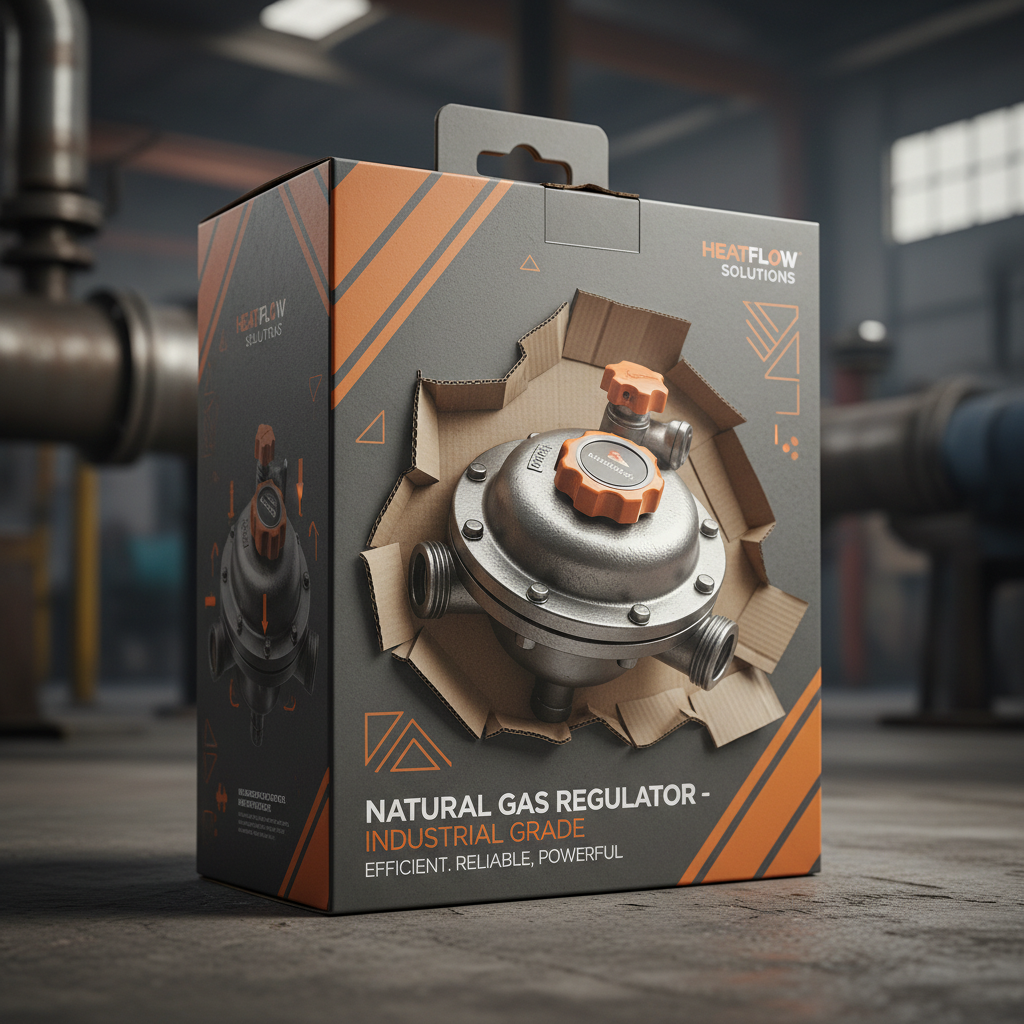
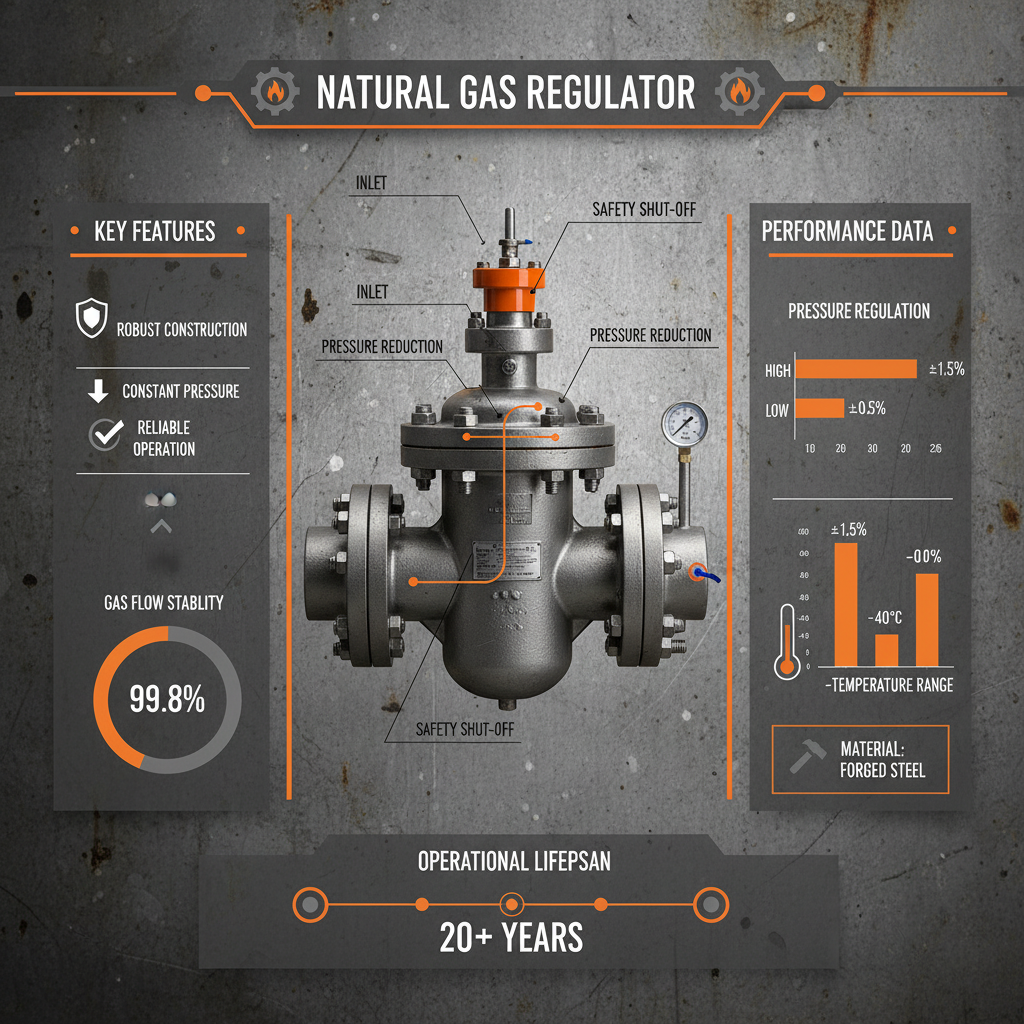
A natural gas regulator is a valve that automatically reduces high inlet pressure gas to a lower, more usable outlet pressure. They function by balancing the force of the incoming gas pressure against an opposing force, typically a spring. This balancing act adjusts the valve opening, controlling the flow of gas and maintaining the desired outlet pressure. Modern regulators utilize diaphragms and sensors to precisely monitor and adjust the pressure. Different types of regulators are designed for varying pressure ranges and flow rates, making them suitable for diverse applications. Understanding this core functionality is crucial for selecting and maintaining these vital components of any gas system.
Key Takeaway: Natural gas regulators maintain safe and consistent gas pressure, crucial for efficient and safe appliance operation.
Types of Natural Gas Regulators
There are several types of natural gas regulators, each designed for specific applications. The most common types include:
- First Stage Regulators: These reduce high-pressure gas from a source (like a utility company) to an intermediate pressure.
- Second Stage Regulators: Further reduce the intermediate pressure to a low pressure suitable for appliances.
- Service Regulators: Used to regulate gas pressure for individual buildings or residences.
- Pilot Regulators: Provide a consistent, low-pressure gas supply to pilot lights in appliances.
- Slam-Shut Regulators: Designed to quickly shut off gas flow in the event of a pressure drop, enhancing safety.
Choosing the Right Regulator:
• Consider the inlet pressure and desired outlet pressure.
• Determine the maximum flow rate required.
• Choose a regulator compliant with relevant safety standards.
• Ensure compatibility with the gas type (natural gas, propane, etc.).
Natural Gas Regulator Selection: Key Considerations
Selecting the correct natural gas regulator is critical for safety and optimal performance. Several factors should be considered, including the inlet pressure, desired outlet pressure, and maximum flow rate. The type of gas being regulated (natural gas, propane, etc.) is also crucial. Moreover, regulators must comply with relevant safety standards and certifications. Proper sizing of the regulator ensures efficient operation and prevents pressure fluctuations. Consulting with a qualified gas technician or referring to the manufacturer's specifications is highly recommended. You can find a wide selection of natural gas regulators at Gasouyinuo, designed to meet diverse needs and applications.
Applications of Natural Gas Regulators
Natural gas regulators are essential components in a wide range of applications. Residential heating systems rely on regulators to provide safe and consistent gas supply to furnaces and water heaters. Commercial kitchens use them to regulate gas flow to stoves, ovens, and fryers. Industrial processes, such as power generation and manufacturing, require precise gas pressure control achieved through advanced regulator systems. Moreover, natural gas regulators play a critical role in gas distribution networks, ensuring safe and reliable delivery to homes and businesses. Gasouyinuo offers regulators tailored for each of these applications, built for durability and performance.
Maintenance and Safety Tips
Regular maintenance is vital for ensuring the safe and reliable operation of natural gas regulators. Periodic inspections should be conducted to check for leaks, corrosion, and damage. It's crucial to follow the manufacturer's recommendations for maintenance procedures. Never attempt to repair a regulator yourself unless you are a qualified gas technician. If you suspect a gas leak, immediately shut off the gas supply and contact your local utility company. Regularly testing and inspecting your gas system is a proactive step towards ensuring safety and preventing potential hazards. We encourage using Gasouyinuo’s quality regulators and following our safety guidelines.
Conclusion: Ensuring Safety and Efficiency with Reliable Regulators
Investing in high-quality natural gas regulators is paramount for the safe and efficient operation of any gas system. Proper selection, installation, and maintenance are crucial for preventing leaks, ensuring consistent pressure, and protecting lives and property. Gasouyinuo is committed to providing reliable and innovative regulator solutions to meet your specific needs. Don't compromise on safety – choose Gasouyinuo for peace of mind.
Frequently Asked Questions (FAQs)
What is the typical lifespan of a natural gas regulator?
The lifespan of a natural gas regulator varies depending on factors such as usage, environmental conditions, and the quality of the regulator. Generally, a well-maintained regulator can last 10-20 years or more. However, it's crucial to conduct regular inspections and replace the regulator if any signs of damage, corrosion, or malfunction are observed. Following the manufacturer's recommended maintenance schedule is essential for maximizing the regulator's lifespan and ensuring its continued safe operation.
How often should a natural gas regulator be inspected?
Natural gas regulators should be inspected at least annually by a qualified gas technician. During an inspection, the technician will check for leaks, corrosion, damage, and proper operation. They will also verify the outlet pressure and ensure the regulator is functioning within its specified range. More frequent inspections may be necessary in harsh environments or for high-demand applications. Regular inspections are a proactive step towards ensuring safety and preventing potential gas leaks.
What should I do if I suspect a gas leak near my regulator?
If you suspect a gas leak near your regulator, it's crucial to act immediately. First, shut off the gas supply at the main shut-off valve. Second, evacuate the area and ensure everyone is a safe distance away. Third, do not operate any electrical switches or devices, as this could create a spark. Finally, contact your local utility company or emergency services from a safe location. Do not attempt to repair the leak yourself – leave it to qualified professionals.
Latest news
-
Industrial Natural Gas Pressure Reducing Valve Guide and SelectionNewsApr.16,2026
-
Understanding the Industrial Regulating Valve for Fluid ControlNewsApr.09,2026
-
Understanding Gas Pressure Reducer Types Applications and Safety MeasuresNewsApr.07,2026
-
Understanding and Optimizing Gas Pressure Reducing Valve SystemsNewsApr.04,2026
-
Optimizing System Performance with the Right Filter Separator SelectionNewsMar.31,2026
-
Comprehensive Guide to Understanding and Utilizing Pressure Pipe SystemsNewsMar.28,2026