


Mar . 03, 2026 18:15
Back to list
Comprehensive Guide to Pneumatic Valves Types Applications and Selection
Understanding Pneumatic Valves: A Comprehensive Guide
Pneumatic valves are essential components in a wide range of industrial automation systems, controlling the flow of compressed air to power actuators and other pneumatic devices. Choosing the right pneumatic valve is crucial for efficient and reliable operation. This article provides a detailed overview of pneumatic valves, covering their types, applications, working principles, and selection criteria. Whether you're a seasoned engineer or new to pneumatics, this guide will help you understand the intricacies of these vital components. Understanding the specific requirements of your system will help ensure optimal performance and longevity.
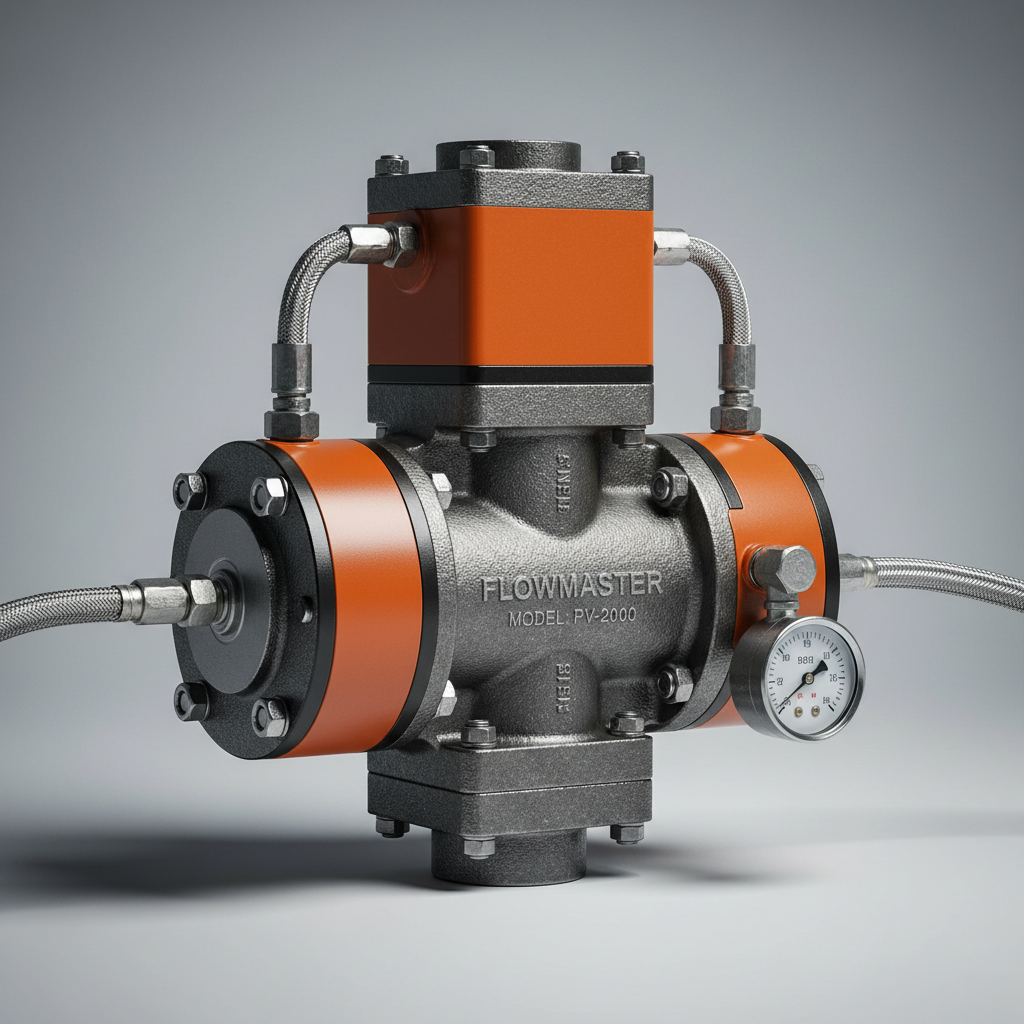
Types of Pneumatic Valves
Pneumatic valves come in various configurations, each designed for specific applications. Common types include directional control valves (DCVs), pressure control valves, and flow control valves. DCVs direct airflow along different paths, enabling actuators to move in different directions. Pressure control valves regulate air pressure to maintain consistent force. Flow control valves control the speed of actuators by adjusting airflow rate. Understanding these differences is key to selecting the appropriate valve for your system. Gasou Yinuo offers a wide range of pneumatic valve solutions to meet diverse industrial needs.
Key Valve Types: Directional Control Valves, Pressure Control Valves, Flow Control Valves. Each designed for specific applications in pneumatic systems.
How Pneumatic Valves Work: A Detailed Explanation
Most pneumatic valves operate using either a solenoid, mechanical pilot, or air pilot. Solenoid valves use an electromagnetic coil to directly control the valve spool. Mechanical pilot valves require manual actuation, while air pilot valves use a small pneumatic signal to control a larger valve. The core principle involves shifting a spool or poppet within the valve body to open or close airflow paths. Precise control of these movements is essential for accurate system operation. Explore our valve range for high-performance solutions.
Actuation Methods:
• Solenoid – Electromagnetic coil control
• Mechanical Pilot – Manual actuation
• Air Pilot – Pneumatic signal control
Comparing Pneumatic Valve Types: Solenoid vs. Air Pilot
Solenoid valves are known for their fast response times and ease of integration into automated systems. However, they consume more energy than air pilot valves. Air pilot valves, on the other hand, are more energy-efficient but generally have slower response times. The choice between the two depends on the specific application requirements. For high-speed applications, solenoid valves are often preferred. For systems where energy efficiency is paramount, air pilot valves are a better option. Gasou Yinuo’s pneumatic valves offer reliable performance in any application.
Applications of Pneumatic Valves Across Industries
Pneumatic valves are critical in numerous industries, including manufacturing, automotive, robotics, and food processing. They're used in automated assembly lines, controlling robotic arms, operating machinery, and regulating processes. The robust nature of pneumatic systems and the reliability of pneumatic valves make them ideal for demanding industrial environments. Their versatility makes them a cornerstone of modern automation.
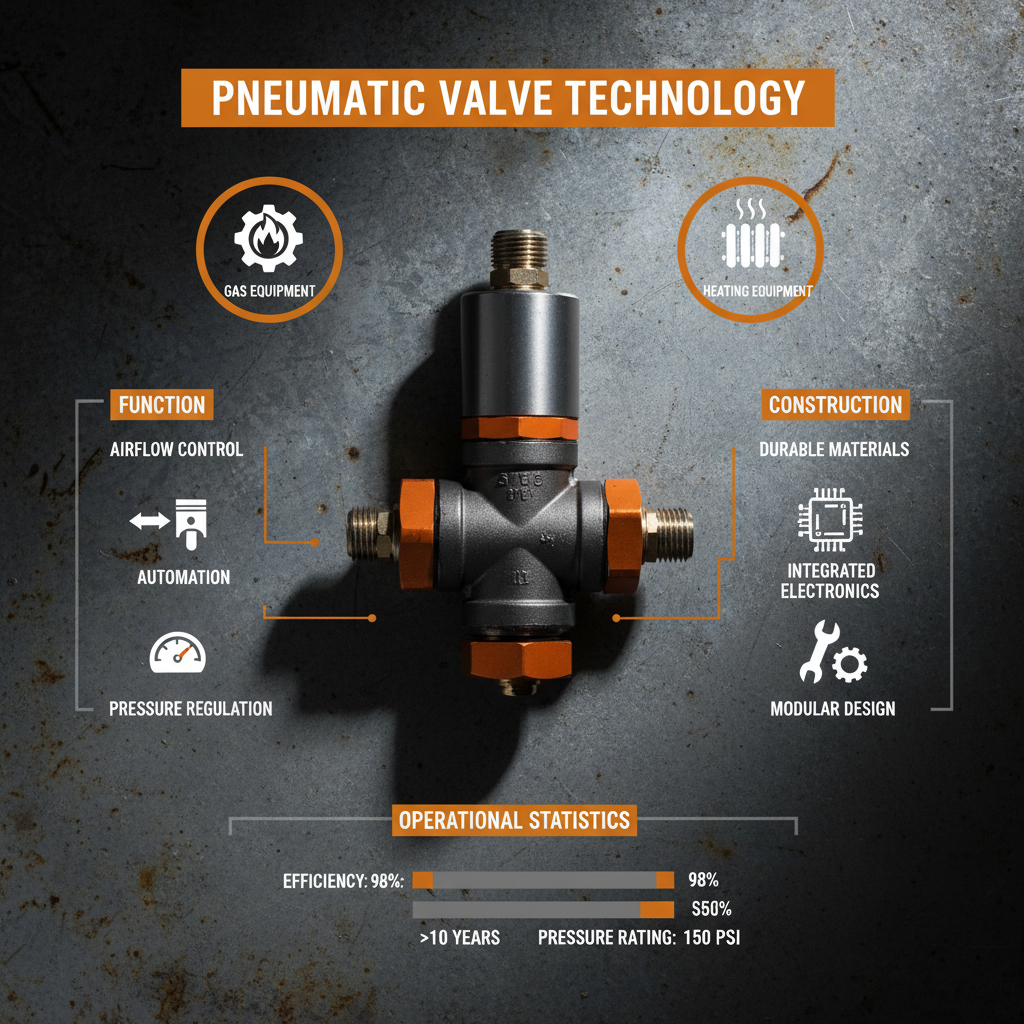
Pneumatic Valve Specifications and Selection Considerations
When selecting a pneumatic valve, consider factors like operating pressure, flow rate, port size, and actuation method. The valve material must be compatible with the working fluid and environment. Also, ensure the valve meets relevant safety standards. Key specifications include voltage requirements for solenoid valves, and the media compatibility. Gasou Yinuo provides detailed specifications and expert guidance to help you select the perfect valve.
Conclusion: Choosing the Right Pneumatic Valve for Your Application
Selecting the appropriate pneumatic valve is vital for the performance and reliability of your pneumatic systems. By understanding the different types, their working principles, and key specifications, you can make an informed decision. Gasou Yinuo is dedicated to providing high-quality pneumatic valves and expert support to meet your specific needs.
Frequently Asked Questions (FAQs)
What is the typical lifespan of a pneumatic valve?
The lifespan of a pneumatic valve depends on factors like usage frequency, operating conditions, and maintenance. With proper care and adherence to manufacturer guidelines, a pneumatic valve can typically last between 5 to 10 years, or even longer in less demanding applications. Regular inspection for wear and tear, lubrication, and cleaning are essential to maximize lifespan. Using a filter to remove contaminants from the air supply will also significantly extend the valve’s life.
How do I troubleshoot a pneumatic valve that isn't functioning correctly?
Start by checking the air supply pressure to ensure it's within the valve's operating range. Next, inspect the valve for any visible damage or obstructions. Verify that the solenoid (if applicable) is receiving power. Check for leaks in the air lines and connections. If the valve still isn't working, consult the manufacturer's documentation or contact a qualified technician. Remember to disconnect the air supply before performing any maintenance.
What is the importance of using filtered air with pneumatic valves?
Using filtered air is crucial for the longevity and performance of pneumatic valves. Contaminants like dust, moisture, and oil can cause internal wear, blockages, and malfunctions. A good air filter removes these contaminants, protecting the valve from damage and ensuring smooth, reliable operation. Proper filtration reduces maintenance costs and extends the lifespan of the valve and associated pneumatic components.
What are the key safety considerations when working with pneumatic valves?
Always disconnect the air supply before performing any maintenance or repairs on pneumatic valves. Wear appropriate personal protective equipment (PPE), such as safety glasses and gloves. Be aware of the potential for stored energy in the system. Never attempt to disassemble a valve while it's pressurized. Follow the manufacturer's safety guidelines and consult with qualified personnel if you're unsure about any aspect of the installation or operation.
Latest news
-
Industrial Natural Gas Pressure Reducing Valve Guide and SelectionNewsApr.16,2026
-
Understanding the Industrial Regulating Valve for Fluid ControlNewsApr.09,2026
-
Understanding Gas Pressure Reducer Types Applications and Safety MeasuresNewsApr.07,2026
-
Understanding and Optimizing Gas Pressure Reducing Valve SystemsNewsApr.04,2026
-
Optimizing System Performance with the Right Filter Separator SelectionNewsMar.31,2026
-
Comprehensive Guide to Understanding and Utilizing Pressure Pipe SystemsNewsMar.28,2026