


Mar . 05, 2026 01:55
Back to list
Comprehensive Guide to Pressure Regulating Valves for Industrial Applications
Understanding Pressure Regulating Valves: A Comprehensive Guide
Pressure regulating valves are essential components in numerous industrial and commercial applications, controlling and maintaining desired pressure levels within a system. These valves ensure efficient and safe operation across a variety of industries, from oil and gas to manufacturing and even residential plumbing. Choosing the correct pressure regulating valve is critical for optimizing performance and preventing costly downtime. This article provides a detailed overview of these valves, exploring their functions, types, applications, and key considerations for selection.
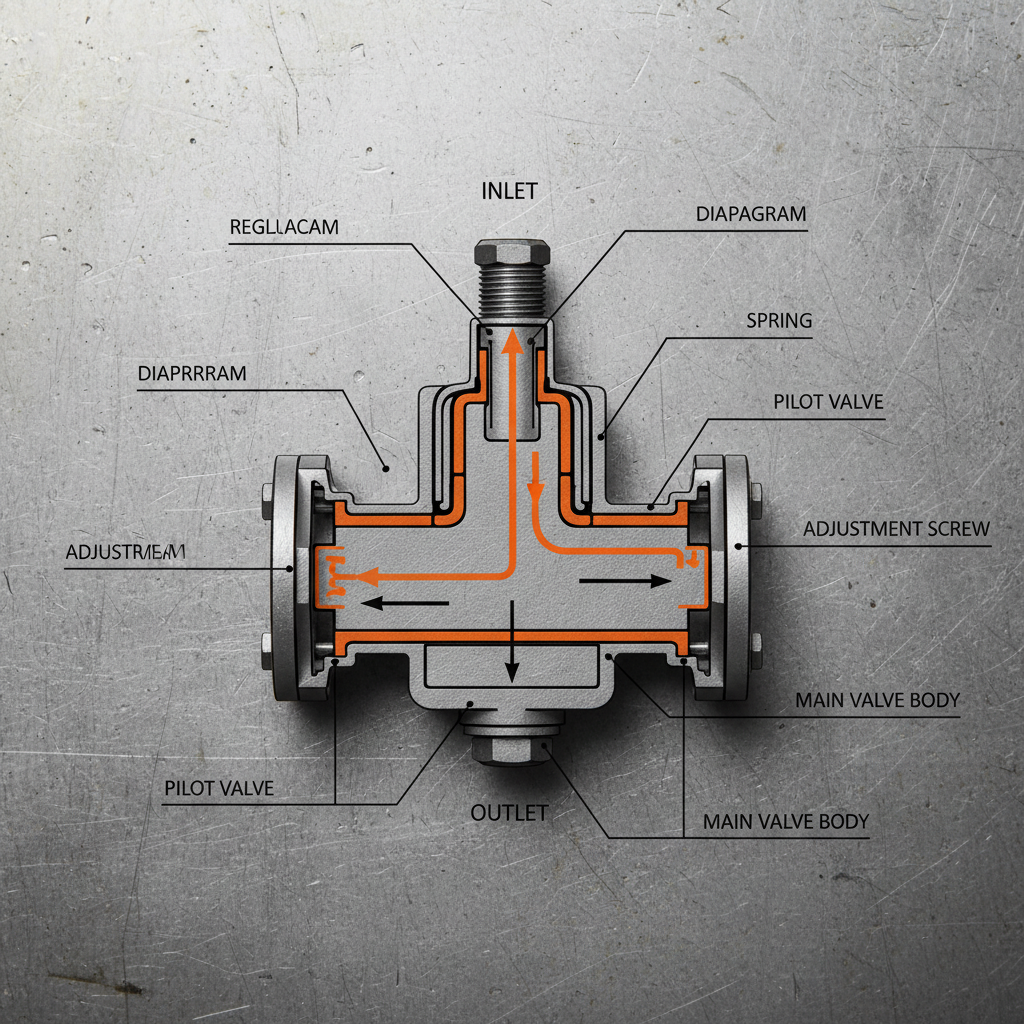
How Do Pressure Regulating Valves Work?
At their core, pressure regulating valves function by reducing a high inlet pressure to a lower, more stable outlet pressure. They accomplish this through a self-operating mechanism that modulates the valve’s opening, adjusting the flow rate to maintain the desired downstream pressure. The valve typically consists of a valve body, a diaphragm, a spring, and a valve seat. When the outlet pressure rises, it acts against the spring force, causing the valve to close and reduce flow. Conversely, if the outlet pressure drops, the spring pushes the valve open, increasing flow. This continuous adjustment ensures consistent pressure delivery, even with fluctuations in the inlet pressure or downstream demand.
Key Principle: Pressure regulating valves utilize a force balance between the outlet pressure and a spring force to automatically control the flow and maintain a stable downstream pressure.
Types of Pressure Regulating Valves
Several types of pressure regulating valves cater to different application needs. Common types include direct-acting, pilot-operated, and self-relieving valves. Direct-acting valves are simple and responsive, suitable for low-flow applications. Pilot-operated valves are more accurate and can handle higher flow rates, using a smaller pilot valve to control the main valve. Self-relieving valves protect equipment from overpressure by automatically relieving excess pressure. The choice of valve type depends on factors like flow rate, pressure range, required accuracy, and the nature of the fluid being regulated. Gasouyinuo offers a comprehensive range of these valves to suit diverse industrial needs.
Valve Type Comparison:
• Direct-Acting: Simple, responsive, low flow.
• Pilot-Operated: Accurate, high flow, requires a pilot pressure source.
• Self-Relieving: Overpressure protection, automatic relief.
Applications of Pressure Regulating Valves
Pressure regulating valves are widely used across various industries. In the oil and gas sector, they control pressure in pipelines and processing plants. Manufacturing utilizes them in pneumatic and hydraulic systems to power machinery and maintain consistent operation. Water treatment facilities employ them for efficient water distribution and pressure control. Even in residential settings, they're found in gas appliances to regulate gas pressure for safe and reliable performance. The broad applicability of these valves highlights their importance in modern industrial and commercial processes.
Factors to Consider When Selecting a Pressure Regulating Valve
Selecting the right pressure regulating valve requires careful consideration of several factors. The fluid type (gas, liquid, or steam) is paramount, as different fluids require specific valve materials and designs. The pressure range, flow rate, and required accuracy must also be determined. Additionally, the operating temperature, environmental conditions, and any potential corrosive elements should be factored into the selection process. Understanding these parameters ensures optimal performance, reliability, and longevity of the valve.
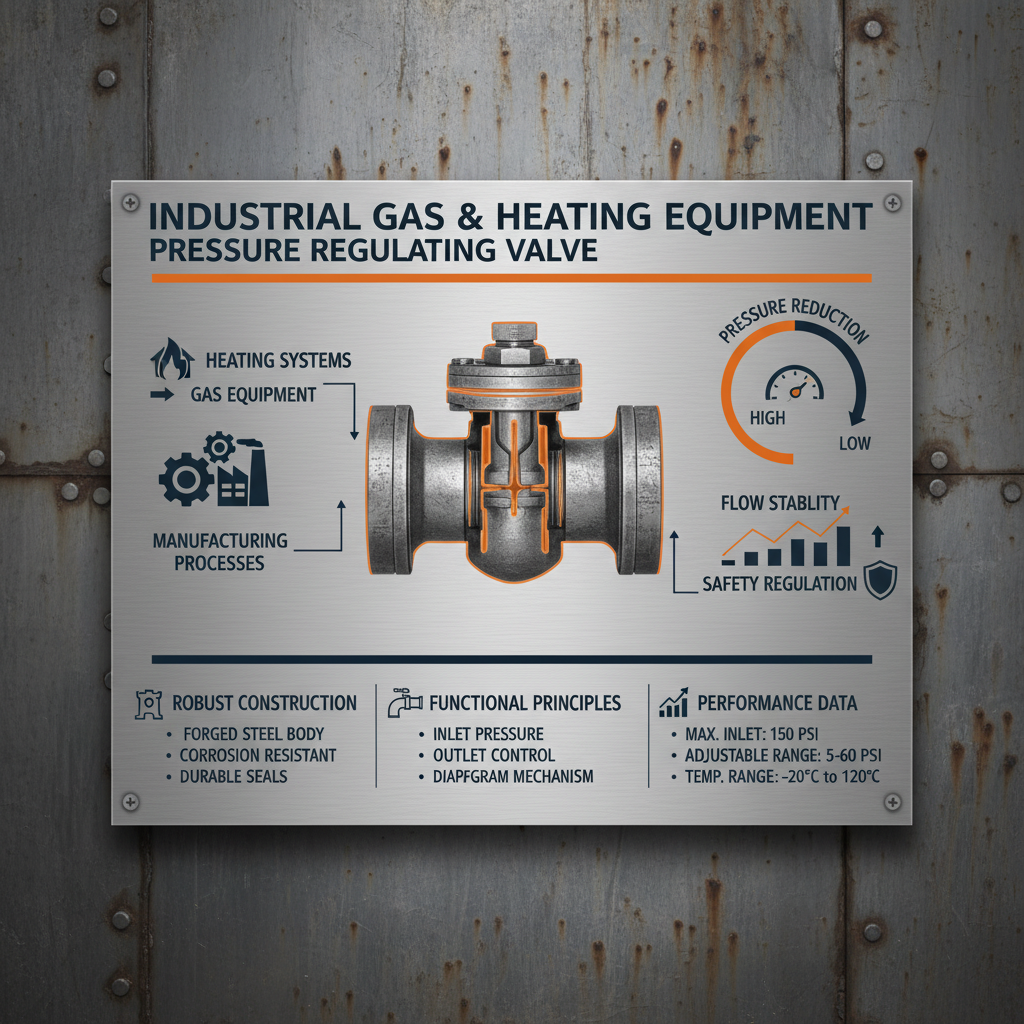
Gasouyinuo Pressure Regulating Valve Specifications
Gasouyinuo offers a wide range of pressure regulating valves designed to meet diverse industrial needs. Here’s a sample of our common specifications:
Conclusion: Ensuring System Reliability with Quality Pressure Regulating Valves
Investing in high-quality pressure regulating valves is crucial for maintaining optimal performance, safety, and efficiency in any industrial or commercial application. Gasouyinuo provides a comprehensive selection of reliable and durable valves designed to meet your specific requirements. Contact us today to discuss your needs and find the perfect solution for your application.
Frequently Asked Questions (FAQs)
What is the difference between a direct-acting and a pilot-operated pressure regulating valve?
Direct-acting valves are simpler and respond quickly to changes in outlet pressure, but they are typically limited to lower flow rates. They directly sense and react to the outlet pressure. Pilot-operated valves, on the other hand, use a smaller pilot valve to control a larger main valve. This allows them to handle much higher flow rates with greater accuracy. The pilot valve requires a source of pressure to function, adding to the system complexity. Choose a direct-acting valve for applications with lower flow demands and a pilot-operated valve when high flow and precision are critical.
What materials are pressure regulating valves typically made from?
Pressure regulating valves are constructed from various materials depending on the application and the fluid being regulated. Common materials include brass, stainless steel, carbon steel, and various polymers. Brass is often used for general-purpose applications with non-corrosive fluids. Stainless steel provides excellent corrosion resistance and is suitable for harsh environments. Carbon steel is a cost-effective option for many applications but may require coatings to prevent corrosion. The material choice must be compatible with the fluid to ensure valve longevity and prevent contamination.
How do I determine the correct pressure regulating valve size for my application?
Determining the correct valve size requires calculating the required flow rate and pressure drop. You'll need to consider the system's maximum and minimum flow rates, as well as the desired outlet pressure. Valve manufacturers typically provide sizing charts or software tools to help you select the appropriate valve based on these parameters. It’s important to avoid undersizing, which can lead to excessive pressure drop and reduced performance, or oversizing, which can compromise accuracy and stability. Contacting a valve specialist is recommended for complex applications.
Latest news
-
Industrial Natural Gas Pressure Reducing Valve Guide and SelectionNewsApr.16,2026
-
Understanding the Industrial Regulating Valve for Fluid ControlNewsApr.09,2026
-
Understanding Gas Pressure Reducer Types Applications and Safety MeasuresNewsApr.07,2026
-
Understanding and Optimizing Gas Pressure Reducing Valve SystemsNewsApr.04,2026
-
Optimizing System Performance with the Right Filter Separator SelectionNewsMar.31,2026
-
Comprehensive Guide to Understanding and Utilizing Pressure Pipe SystemsNewsMar.28,2026