


Mar . 06, 2026 02:25
Back to list
Comprehensive Guide to Safety Valves for Optimal System Protection
Understanding Safety Valves: A Comprehensive Guide
Safety valves are critical components in numerous industries, protecting systems from overpressure. They are essential for ensuring the safe operation of boilers, pressure vessels, and pipelines. Choosing the right safety valve is paramount for preventing catastrophic failures and maintaining operational integrity. This article will delve into the different types, applications, and considerations when selecting a safety valve, providing a thorough overview for engineers, technicians, and safety professionals. We'll explore how these valves safeguard equipment and personnel alike.
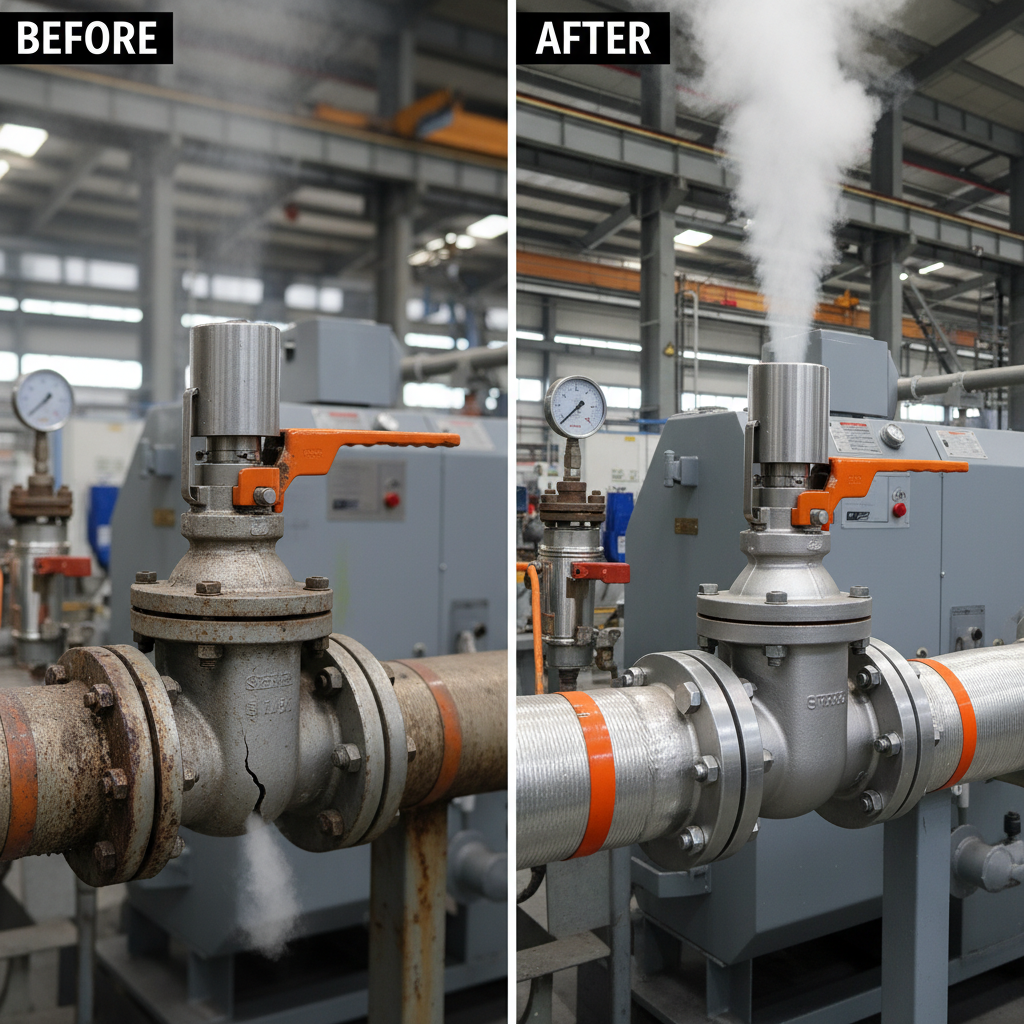
What is a Safety Valve and Why is it Important?
A safety valve is a spring-loaded pressure relief device designed to automatically release a substance when the pressure exceeds a predetermined limit. This prevents the pressure in a system from exceeding its maximum allowable working pressure (MAWP), which could lead to equipment damage, explosions, or injuries. They are often used in steam, gas, and liquid applications. Regular inspection and maintenance of safety valves are critical to ensure their proper function and reliability. A malfunctioning safety valve can have severe consequences, highlighting the importance of quality and proper installation. Gasou Yinuo offers a comprehensive range of safety valves to meet diverse industrial needs.
Key Benefit: Preventing catastrophic failures and protecting equipment and personnel from overpressure situations.
Types of Safety Valves
Several types of safety valves are available, each designed for specific applications. The most common include conventional safety valves, balanced bellows safety valves, and pilot-operated safety valves. Conventional valves are simple and reliable but can be affected by back pressure. Balanced bellows valves compensate for back pressure, offering improved performance in certain applications. Pilot-operated valves are ideal for high-pressure systems and offer precise control and rapid response. Understanding the characteristics of each type is crucial for selecting the most appropriate valve for a given system.
Safety Valve Types:
• Conventional Safety Valves
• Balanced Bellows Safety Valves
• Pilot-Operated Safety Valves
Safety Valve Comparison: Conventional vs. Pilot-Operated
Choosing between conventional and pilot-operated safety valves often depends on the specific application and system requirements. Conventional valves are generally more cost-effective for lower-pressure applications, while pilot-operated valves offer superior performance and control for high-pressure systems. The table below highlights key differences between the two types:
Applications of Safety Valves Across Industries
Safety valves find extensive use in a wide range of industries, including power generation, chemical processing, oil and gas, and manufacturing. In power plants, they protect boilers and steam turbines from overpressure. In the chemical industry, they safeguard reactors and storage tanks. Oil and gas applications include protecting pipelines and processing facilities. Gasou Yinuo provides tailored safety valve solutions for diverse industrial applications.
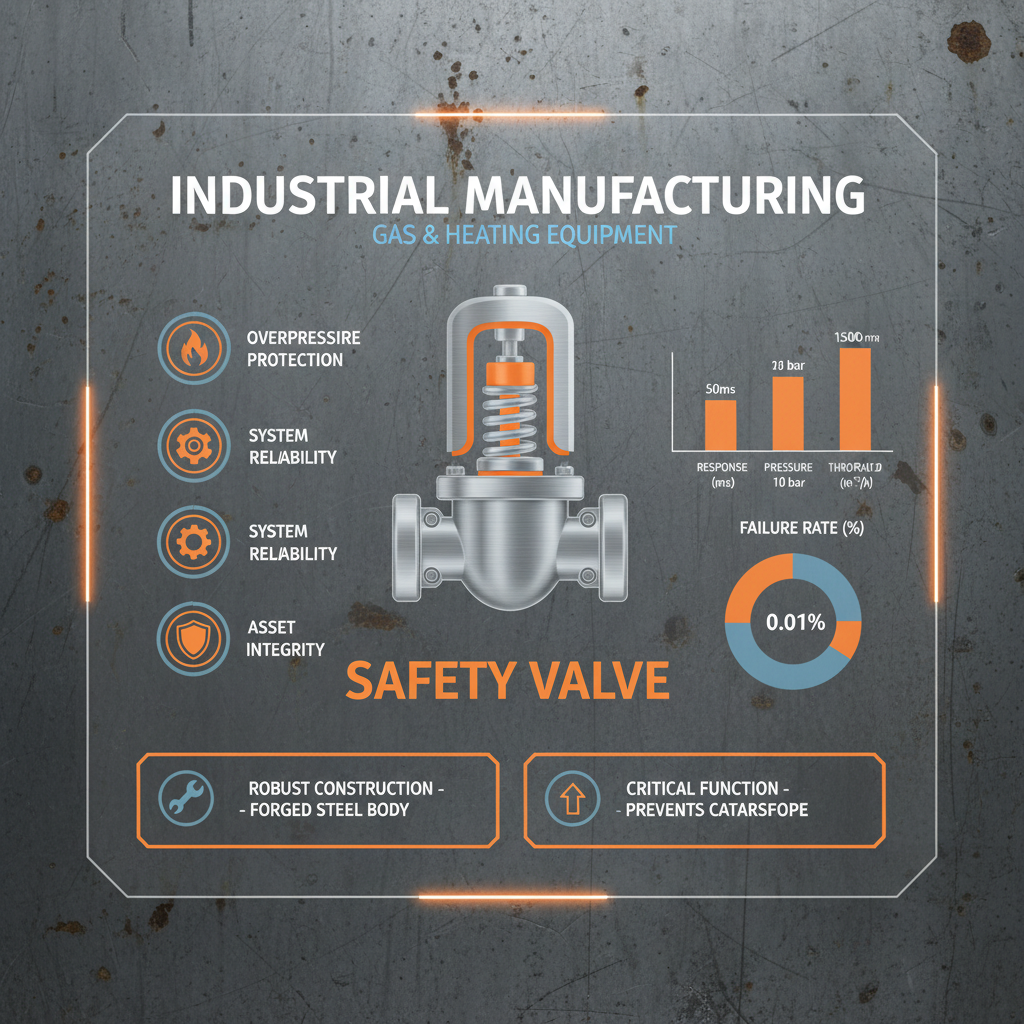
Safety Valve Specifications and Standards
Safety valves must comply with relevant industry standards, such as ASME Section VIII and API 520. These standards define design, testing, and certification requirements to ensure safety and reliability. Key specifications include set pressure, capacity, and materials of construction. Proper selection and installation of a safety valve are crucial for meeting regulatory requirements and maintaining a safe operating environment.
Conclusion: Protecting Your Systems with Reliable Safety Valves
Selecting the appropriate safety valve is essential for safeguarding your equipment and personnel. Understanding the different types, applications, and standards is crucial for making informed decisions. Gasou Yinuo offers a wide range of high-quality safety valves to meet your specific needs. Prioritize safety and invest in reliable protection.
Frequently Asked Questions (FAQs)
How often should safety valves be inspected?
Safety valves should be inspected regularly, typically at least annually, and more frequently in harsh or critical applications. Inspections should include a visual check for corrosion, damage, and proper seating. Functional testing, such as lift tests, should be performed periodically to verify the valve's set pressure and operating characteristics. Detailed inspection and testing procedures are outlined in API 527. Ignoring regular inspections can lead to valve failure and potentially catastrophic consequences.
What is the purpose of a lift test?
A lift test verifies the set pressure of a safety valve and ensures it opens at the intended pressure. During a lift test, the valve is carefully lifted to confirm that it operates correctly and reseats properly. This test can be performed in-situ or by removing the valve for bench testing. Lift tests are crucial for identifying potential problems, such as corrosion or sticking, which could prevent the valve from functioning properly. It's a vital part of maintaining the reliability and integrity of the safety valve system.
What factors should be considered when selecting a safety valve?
Several factors should be considered when selecting a safety valve, including the system's operating pressure, temperature, fluid type, and flow rate. The valve's materials of construction must be compatible with the fluid being handled. Back pressure and potential corrosion also need to be taken into account. Compliance with relevant industry standards and regulations is essential. Consulting with a qualified engineer is recommended to ensure the correct valve is selected for the specific application. Gasou Yinuo can assist in valve selection and provide expert guidance.
Latest news
-
Industrial Natural Gas Pressure Reducing Valve Guide and SelectionNewsApr.16,2026
-
Understanding the Industrial Regulating Valve for Fluid ControlNewsApr.09,2026
-
Understanding Gas Pressure Reducer Types Applications and Safety MeasuresNewsApr.07,2026
-
Understanding and Optimizing Gas Pressure Reducing Valve SystemsNewsApr.04,2026
-
Optimizing System Performance with the Right Filter Separator SelectionNewsMar.31,2026
-
Comprehensive Guide to Understanding and Utilizing Pressure Pipe SystemsNewsMar.28,2026