


Feb . 11, 2026 01:55
Back to list
Comprehensive Guide to Solenoid Gas Safety Shut Off Valve Selection and Applications
Understanding Solenoid Gas Safety Shut Off Valves
Ensuring gas safety is paramount in a variety of applications, from industrial processes to residential heating. A crucial component in achieving this safety is the solenoid gas safety shut off valve. These valves act as a critical fail-safe mechanism, automatically cutting off the gas supply in the event of a detected hazard. This article will delve into the function, benefits, applications, and selection criteria for these vital safety devices, helping you understand why they are an essential investment for anyone working with gas. Choosing the right valve can protect lives and prevent costly damage.
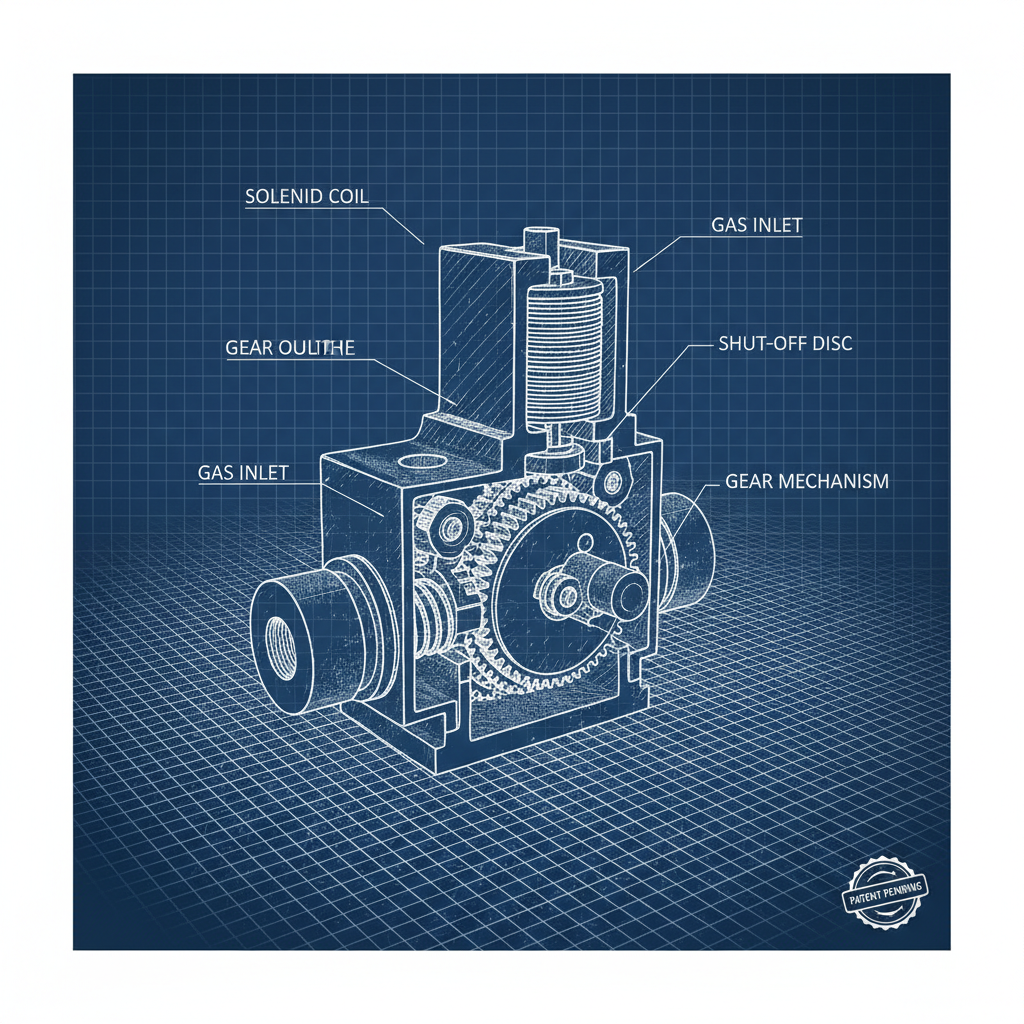
How a Solenoid Gas Safety Shut Off Valve Works
At its core, a solenoid gas safety shut off valve uses an electromagnet (the solenoid) to control the flow of gas. Normally, the solenoid is energized, holding the valve open and allowing gas to pass through. However, when a safety sensor – such as a gas leak detector, flame sensor, or pressure switch – detects an abnormal condition, it sends a signal to de-energize the solenoid. This causes the valve to quickly close, stopping the gas flow. The speed of this response is critical for preventing dangerous situations. Gasouyinuo specializes in valves designed for rapid and reliable shut-off.
Key Features: Fast response time, reliable operation, compatibility with various gas types, and integration with safety sensor systems.
Applications of Solenoid Gas Safety Shut Off Valves
The applications for these valves are diverse and span numerous industries. Common uses include: residential gas appliances (furnaces, water heaters), industrial gas processing plants, commercial kitchens, gas-fired boilers, emergency shutdown systems (ESD), and laboratory gas handling. In residential settings, they protect against leaks and ensure safe operation of appliances. In industrial environments, they safeguard against catastrophic failures and maintain process safety. The valves from Gasouyinuo are specifically engineered for demanding industrial applications.
Key Application Areas:
• Residential Gas Appliances
• Industrial Gas Processing
• Commercial Kitchens
• Emergency Shutdown Systems
Choosing the Right Solenoid Gas Safety Shut Off Valve
Selecting the appropriate valve requires careful consideration of several factors. The type of gas being used (natural gas, propane, etc.) is critical, as different gases have different properties and require specific valve materials. The operating pressure and temperature range must also be considered. Furthermore, the valve's response time, flow capacity, and compatibility with existing safety systems are essential factors. It's crucial to choose a valve certified by relevant safety standards. Gasouyinuo’s technical team can assist in selecting the optimal valve for your application.
Solenoid vs. Manual Gas Shut Off Valves
While manual gas shut-off valves serve a purpose, solenoid valves offer significant advantages in terms of safety and response time. Manual valves require human intervention, which can be slow and unreliable in an emergency. Solenoid valves, triggered by sensors, provide instantaneous shut-off, minimizing the risk of escalation. Furthermore, solenoid valves can be integrated into automated safety systems, offering a higher level of protection than manual operation. The automated functionality of Gasouyinuo’s solenoid valves is a key benefit.
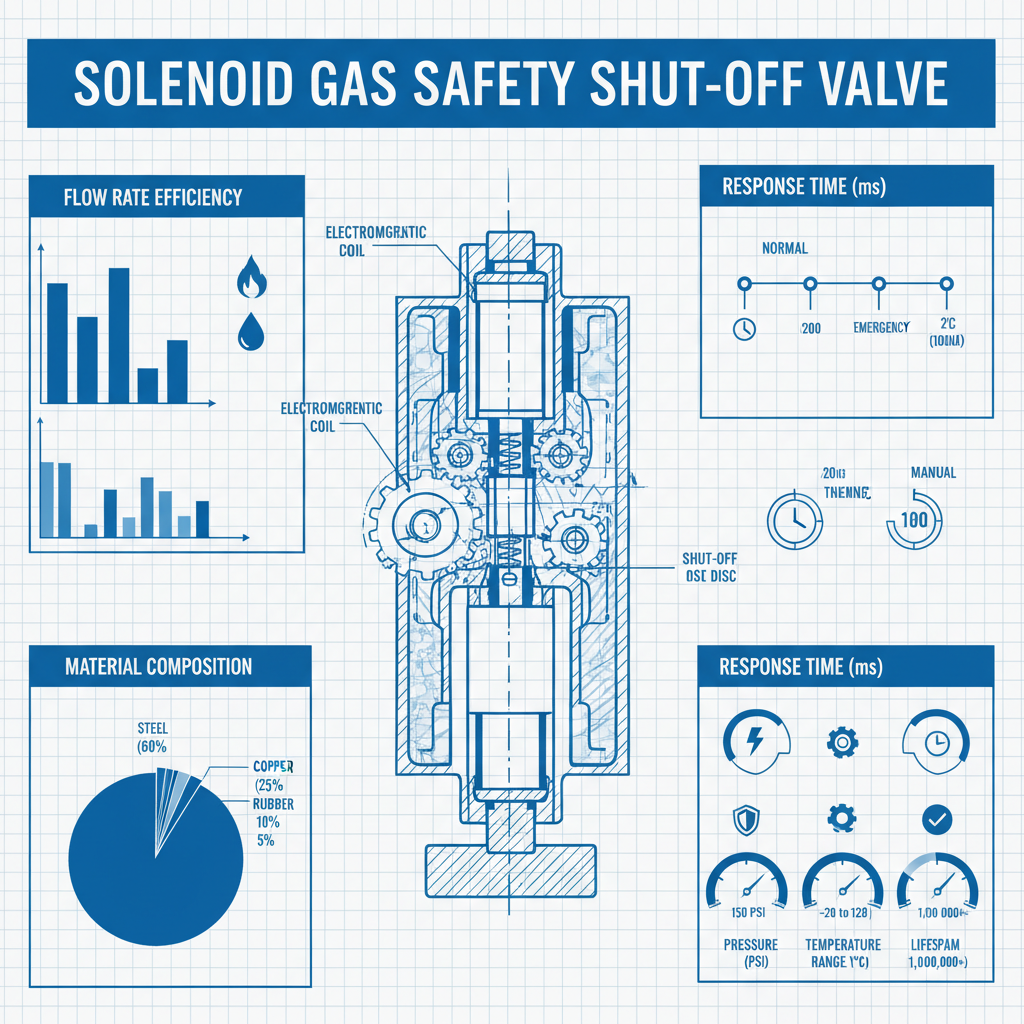
Maintenance and Testing
Regular maintenance and testing are crucial to ensure the reliable operation of solenoid gas safety shut off valves. Periodic inspections should include checking for leaks, corrosion, and proper operation of the solenoid. Functional testing, where the valve is deliberately triggered to verify its shut-off capability, should be performed at least annually, or more frequently in harsh environments. Gasouyinuo provides comprehensive maintenance guidelines and support.
Conclusion: Prioritizing Gas Safety with Reliable Valves
Investing in high-quality solenoid gas safety shut off valves is a proactive step towards ensuring safety and preventing potential disasters. These valves offer a critical layer of protection, automatically mitigating risks in the event of a gas leak or other hazardous conditions. Choose a reputable supplier like Gasouyinuo to guarantee reliability, performance, and adherence to industry standards. Don’t compromise on safety – it’s an investment that protects lives and assets.
Frequently Asked Questions (FAQs)
What is the typical lifespan of a solenoid gas safety shut off valve?
The lifespan of a solenoid gas safety shut off valve generally ranges from 5 to 10 years, depending on the operating environment, frequency of use, and quality of the valve. Factors like exposure to corrosive substances, extreme temperatures, and frequent cycling can shorten the lifespan. Regular maintenance and testing, including inspecting for leaks and corrosion, can significantly extend the valve’s operational life. It’s recommended to establish a preventative maintenance schedule and replace the valve at the end of its expected lifespan, even if it appears to be functioning properly.
How often should I test my solenoid gas safety shut off valve?
It is recommended to test your solenoid gas safety shut off valve at least annually, or more frequently in harsh environments or critical applications. Testing involves simulating a safety condition (e.g., triggering a gas leak sensor) to verify that the valve reliably shuts off the gas supply. Keep a detailed record of all testing and maintenance activities. Refer to the valve manufacturer’s instructions for specific testing procedures. Gasouyinuo offers testing guidelines and support for its products.
Can I repair a solenoid gas safety shut off valve myself?
Repairing a solenoid gas safety shut off valve is generally not recommended. These valves are precision instruments critical for safety, and improper repairs can compromise their functionality. Attempting to repair a valve yourself can also create a safety hazard. It's best to contact a qualified technician or the valve manufacturer for repairs or replacement. Gasouyinuo provides repair services and offers replacement valves.
What certifications should I look for in a gas safety shut-off valve?
When selecting a gas safety shut-off valve, look for certifications that demonstrate compliance with relevant safety standards. Common certifications include CSA (Canadian Standards Association), UL (Underwriters Laboratories), and CE marking (European Conformity). These certifications indicate that the valve has been tested and meets specific safety requirements. Always verify that the valve is certified for the specific gas type and application.
Latest news
-
Industrial Natural Gas Pressure Reducing Valve Guide and SelectionNewsApr.16,2026
-
Understanding the Industrial Regulating Valve for Fluid ControlNewsApr.09,2026
-
Understanding Gas Pressure Reducer Types Applications and Safety MeasuresNewsApr.07,2026
-
Understanding and Optimizing Gas Pressure Reducing Valve SystemsNewsApr.04,2026
-
Optimizing System Performance with the Right Filter Separator SelectionNewsMar.31,2026
-
Comprehensive Guide to Understanding and Utilizing Pressure Pipe SystemsNewsMar.28,2026