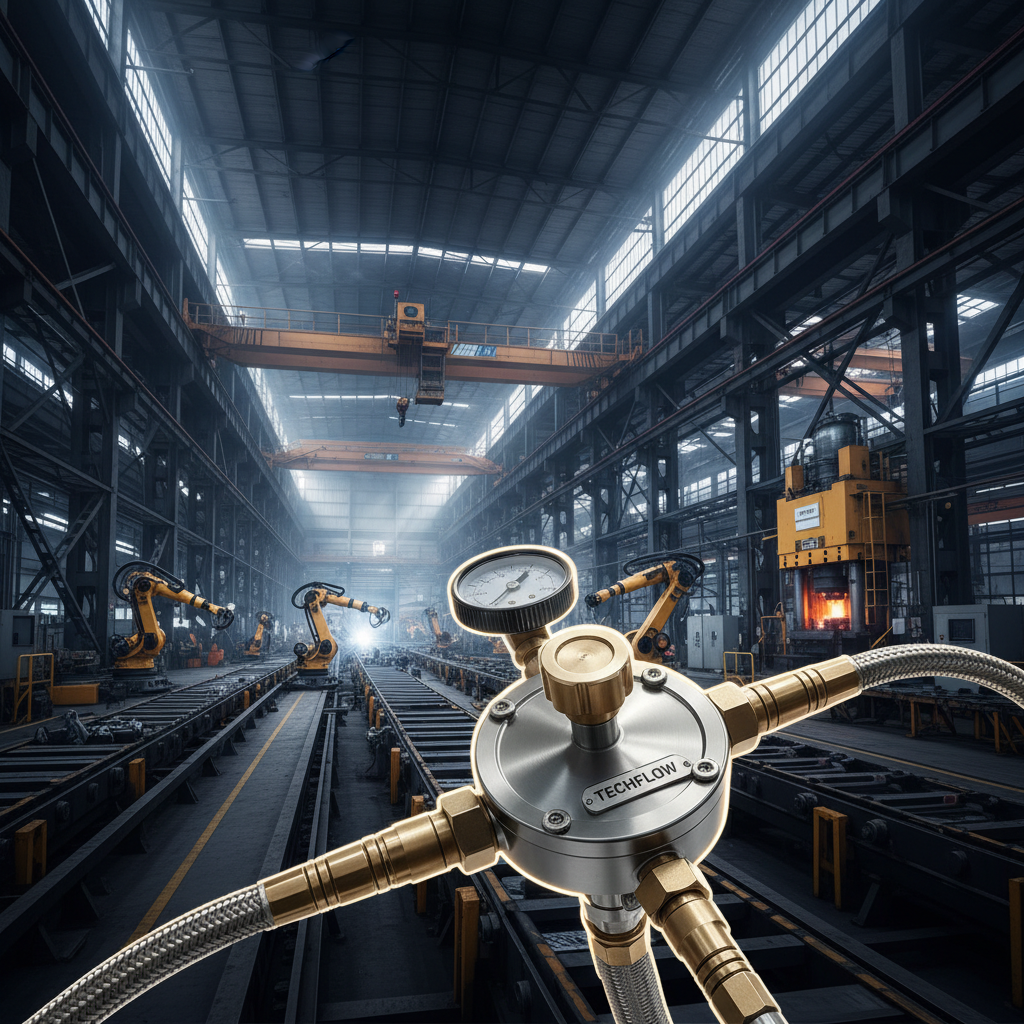
A natural gas regulator is a vital component in the safe and efficient distribution of natural gas, a cornerstone of modern energy infrastructure. Its importance stems from the inherent risks associated with handling a flammable and potentially explosive substance. Reliable regulation ensures consistent pressure, protecting both consumers and the integrity of the entire gas network. The need for robust and accurate natural gas regulation is escalating alongside the world’s increasing reliance on this energy source.
Globally, natural gas accounts for approximately 24% of the world’s energy consumption, and demand continues to rise, particularly in developing nations. According to the International Energy Agency (IEA), natural gas is projected to remain a significant part of the global energy mix for decades to come. This increased demand puts a greater onus on ensuring the safety and efficiency of gas distribution systems, making the quality and reliability of natural gas regulators paramount.
Understanding the intricacies of natural gas regulation isn't just crucial for engineers and technicians. From homeowners to large industrial facilities, everyone benefits from the secure and stable supply of gas. Effective regulation translates directly to reduced risks, lower energy costs, and a sustainable energy future. Investing in and advancing this technology is a critical step towards energy security worldwide.
The Importance of Natural Gas Regulation
Natural gas, while offering a cleaner burning alternative to many fossil fuels, requires meticulous control during its journey from production to consumption. Natural gas regulators are the primary mechanisms by which this control is achieved, ensuring a consistent and safe supply for a wide range of applications. Without proper regulation, fluctuations in pressure can lead to inefficient appliance operation, potentially dangerous leaks, and even explosions.
The significance of effective gas regulation extends beyond immediate safety concerns. It plays a crucial role in optimizing energy efficiency and reducing waste, ultimately contributing to lower utility bills for consumers and a more sustainable energy system overall. Modern regulator designs incorporate advanced technologies to enhance accuracy and reliability, minimizing potential disruptions to the gas supply.
Defining Natural Gas Regulation
At its simplest, natural gas regulation is the process of reducing a high-pressure gas supply to a lower, safer, and more usable pressure. Natural gas is typically transported over long distances at high pressures to minimize volume and maximize efficiency. However, residential, commercial, and many industrial appliances are designed to operate at much lower pressures. Natural gas regulators bridge this gap, providing a controlled reduction in pressure to ensure safe and effective operation.
This isn't merely a matter of lowering pressure; it's about maintaining a stable pressure despite fluctuations in the incoming supply or variations in demand. A well-designed regulator will compensate for these changes, delivering a consistent pressure to the downstream system. This is critical for the proper functioning of burners, heaters, and other gas-powered equipment.
The practice of gas regulation connects directly to modern infrastructure and humanitarian needs. Reliable natural gas supply, facilitated by precise regulation, powers homes, businesses, and critical services like hospitals. In emergency situations, access to a regulated gas supply can be essential for heating, cooking, and providing power where the electrical grid is compromised.
Core Components of Natural Gas Regulators
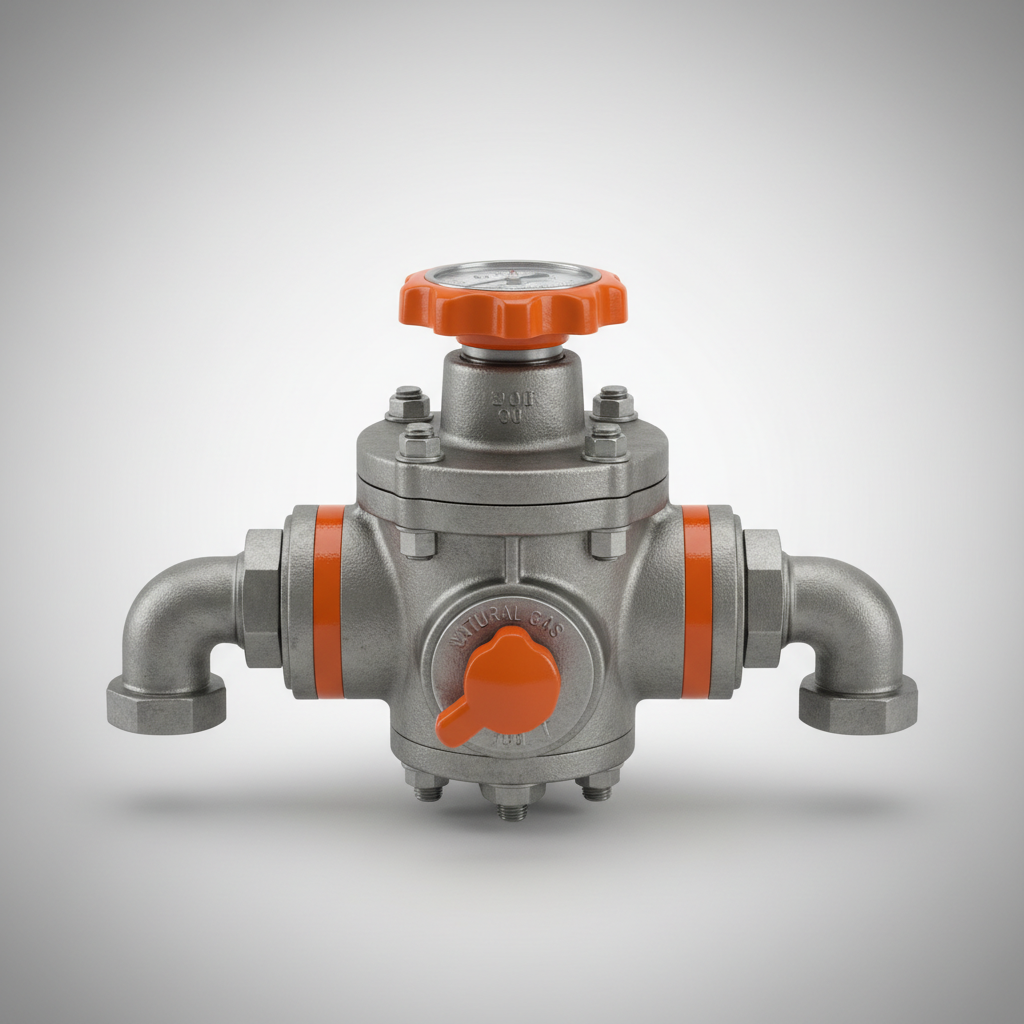
A typical natural gas regulator consists of several key components working in concert. These include a robust body, often constructed from materials like cast iron or stainless steel, to withstand high pressures. Internally, a diaphragm or piston mechanism responds to changes in downstream pressure, automatically adjusting the gas flow. A spring provides the initial force for pressure adjustment, while a valve controls the actual gas flow rate.
The vent, a vital safety feature, allows excess gas to be released if the regulator malfunctions or if downstream pressure exceeds a certain limit. These vents are designed to prevent over-pressurization and ensure safe operation. Different regulator designs utilize various venting methods, each tailored to specific applications and safety standards. The overall effectiveness of a regulator relies on the precise interplay of all these components.
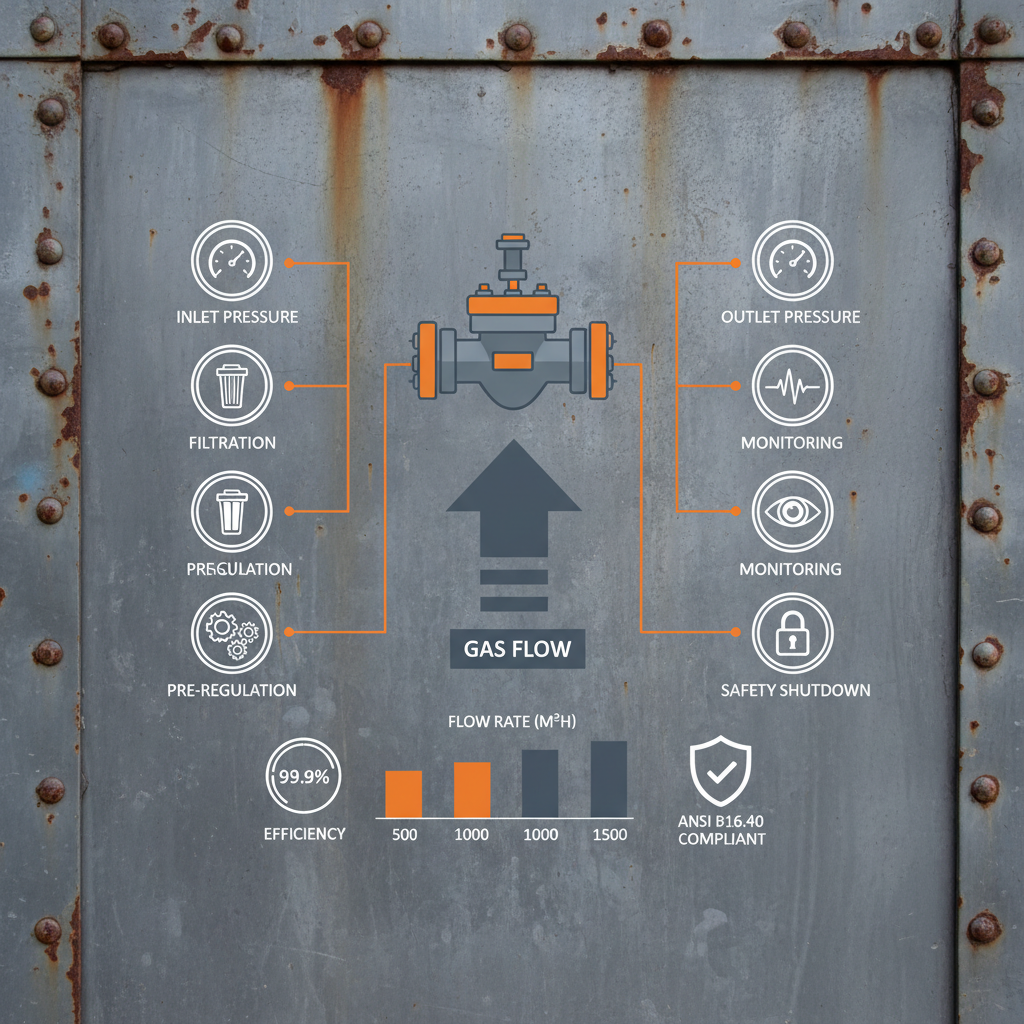
Modern regulators often incorporate additional features, such as pressure gauges for monitoring performance, and safety shut-off devices for added protection. The complexity of these components varies depending on the regulator's intended use – from simple residential regulators to sophisticated industrial models capable of handling extremely high pressures and flow rates.
Key Factors in Regulator Performance
Several factors contribute to the optimal performance of a natural gas regulator. Durability is paramount, as regulators are often exposed to harsh environmental conditions and require a long operational lifespan. Material selection, manufacturing quality, and robust design all play a role in ensuring durability.
Accuracy is another critical factor. The ability to consistently deliver the desired downstream pressure, even with fluctuations in input pressure or demand, is essential for efficient and safe operation. Scalability, or the capacity to handle varying flow rates, is important for accommodating changing needs in residential, commercial, and industrial settings.
Comparison of Natural Gas Regulator Methods
Global Applications of Natural Gas Regulators
Natural gas regulators are deployed across a vast range of applications worldwide. In residential areas, they ensure safe and consistent gas delivery to homes for heating, cooking, and hot water. Commercial buildings, such as restaurants and offices, rely on regulators to power various gas-fueled appliances and systems.
Industrially, natural gas regulators are crucial for processes requiring precise gas pressure, such as manufacturing, power generation, and chemical production. In remote industrial zones, they facilitate reliable energy access where alternative sources may be limited. In post-disaster relief operations, portable and rapidly deployable regulators are used to establish temporary gas supplies for essential services like field hospitals and emergency shelters.
Advantages and Long-Term Value
The advantages of utilizing high-quality natural gas regulators are numerous. Cost-effectiveness stems from optimized gas usage, reduced waste, and minimized maintenance requirements. The inherent safety features provide peace of mind and protect against potentially catastrophic events. Sustainability is enhanced through efficient energy consumption and reduced emissions compared to alternative fuels.
Beyond the tangible benefits, regulators offer long-term value through increased reliability and reduced downtime. A consistent and stable gas supply fosters trust with consumers and enables uninterrupted business operations. Investing in advanced regulator technology represents an investment in a more secure, efficient, and sustainable energy future.
Future Trends and Innovations
The future of natural gas regulation is marked by innovation and a growing focus on sustainability. Smart regulators, equipped with sensors and communication capabilities, are emerging as a key trend. These devices can remotely monitor performance, detect leaks, and provide real-time data for predictive maintenance.
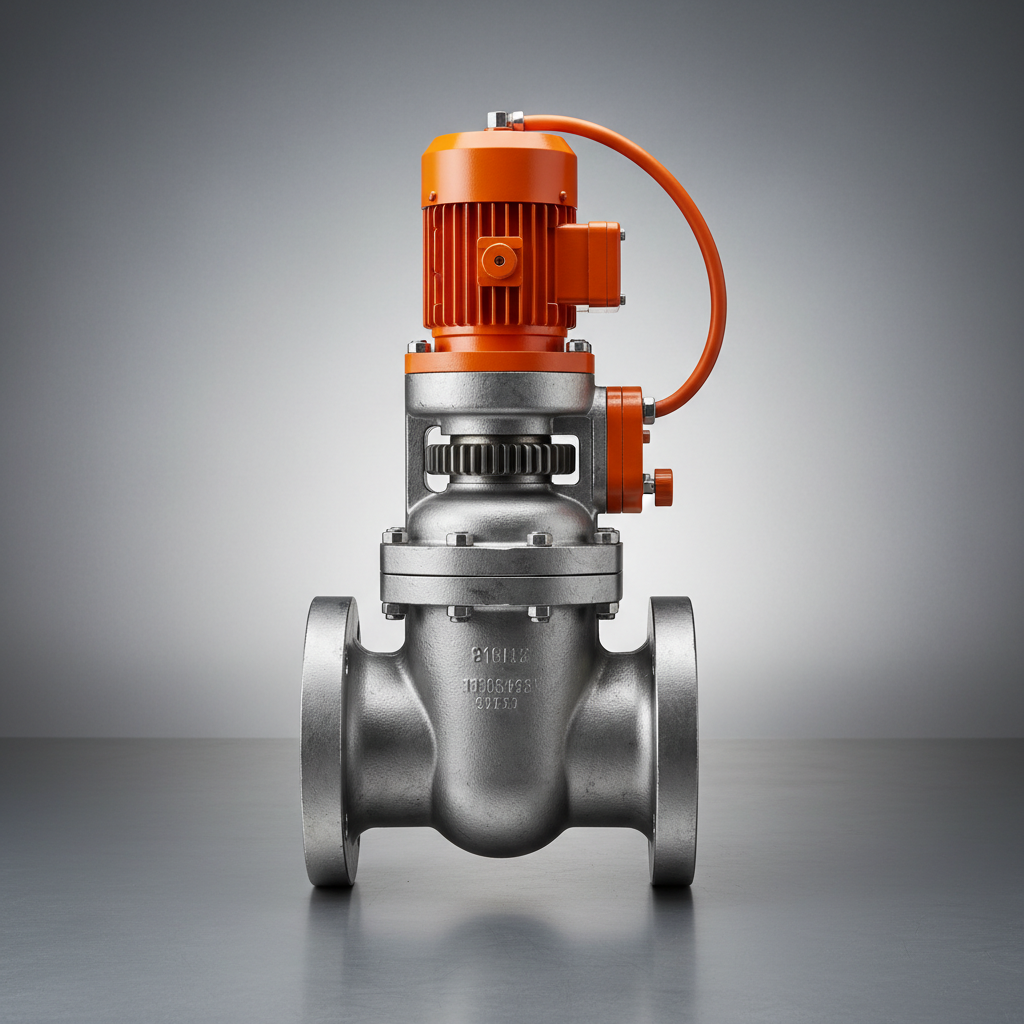
Integration with digital transformation initiatives and automation systems is also gaining momentum. Automated regulator control and monitoring can optimize gas distribution networks, improve efficiency, and enhance safety. Furthermore, research into new materials and designs is focused on developing regulators that are more durable, accurate, and environmentally friendly, aligning with the broader shift towards green energy solutions.
The adoption of advanced manufacturing techniques, such as 3D printing, could enable the creation of customized regulators tailored to specific applications and operating conditions. This customization would optimize performance and reduce waste, contributing to a more sustainable and efficient gas distribution system.
Overview of Natural Gas Regulator Performance Metrics
The following table summarizes key performance metrics across various natural gas regulator types. These parameters are crucial for evaluating the suitability of a regulator for a specific application.
Summary of Key Natural Gas Regulator Performance Metrics
| Regulator Type |
Pressure Accuracy (±%) |
Flow Capacity (SCFH) |
Response Time (seconds) |
| Direct Acting Regulator |
2% |
500 |
0.5 |
| Pilot Operated Regulator |
0.5% |
2000 |
1.0 |
| Slam Shut Regulator |
3% |
300 |
0.2 |
| Two-Stage Regulator |
1.5% |
1000 |
0.7 |
| Self-Operated Regulator |
2.5% |
750 |
0.6 |
| Electronic Regulator |
0.1% |
5000 |
0.1 |
FAQS
The lifespan of a natural gas regulator varies depending on factors like operating conditions, maintenance, and manufacturing quality. However, a well-maintained regulator typically lasts between 10 and 20 years. Regular inspections and preventative maintenance, such as cleaning and testing, can significantly extend its service life. It's crucial to adhere to manufacturer guidelines and local safety regulations regarding replacement intervals.
Natural gas regulators should be inspected at least annually, and more frequently in harsh environments or high-demand applications. Inspections should include a visual check for damage, leaks, and corrosion, as well as functional testing to ensure accurate pressure regulation. Qualified technicians should perform these inspections, following established safety protocols and utilizing appropriate testing equipment.
Common causes of failure include diaphragm rupture, valve sticking, contamination from debris in the gas stream, corrosion, and damage from freezing. Over-pressurization events, caused by upstream pressure spikes or regulator malfunctions, can also lead to catastrophic failure. Proper filtration, regular maintenance, and protection from the elements are essential to prevent these issues.
Replacing a natural gas regulator is generally not recommended for untrained individuals. Working with natural gas is inherently dangerous and requires specialized knowledge and tools. Incorrect installation can lead to gas leaks, explosions, and carbon monoxide poisoning. Always hire a qualified and licensed gas technician to perform any work on gas appliances or regulators.
Essential safety features include a vent to relieve overpressure, a safety shut-off mechanism that automatically cuts off gas flow in case of a malfunction, and robust construction materials resistant to corrosion and damage. Compliance with relevant safety standards (such as ANSI or EN standards) is also critical. Look for regulators with clear labeling and documentation.
Altitude impacts regulator performance due to changes in atmospheric pressure. Regulators are typically calibrated for a specific operating altitude. At higher altitudes, lower atmospheric pressure can affect the regulator's ability to maintain accurate pressure. Some regulators are designed to compensate for altitude changes, while others may require recalibration or replacement for optimal performance at elevated locations.
Conclusion
In conclusion, natural gas regulators are indispensable components in ensuring the safe, efficient, and reliable distribution of natural gas. From their fundamental function of pressure reduction to their integration with advanced technologies, these devices play a vital role in modern energy infrastructure. Understanding their operation, maintenance, and future trends is crucial for stakeholders across the energy sector.
Investing in high-quality regulators and prioritizing regular maintenance is not merely a matter of compliance; it's a commitment to safety, sustainability, and energy security. As the global demand for natural gas continues to grow, the importance of robust and innovative regulator technology will only increase. Visit our website at www.gasouyinuo.com to explore our comprehensive range of natural gas regulators and solutions.