


Feb . 24, 2026 10:52
Back to list
Comprehensive Guide to Stabilizer Selection for Industrial and Commercial Use
Choosing the Right Stabilizer: A Comprehensive Guide
In numerous industrial and commercial applications, maintaining stability is paramount. Whether it's preventing tipping in heavy machinery, ensuring smooth operation of marine vessels, or securing equipment during transportation, a stabilizer plays a crucial role. This article will delve into the world of stabilizers, exploring their types, applications, and key considerations for selection. Understanding the nuances of stabilizers can significantly improve safety, efficiency, and operational reliability. We'll explore various types of stabilizers and how they contribute to enhancing stability in different scenarios.
Understanding the Core Function of a Stabilizer
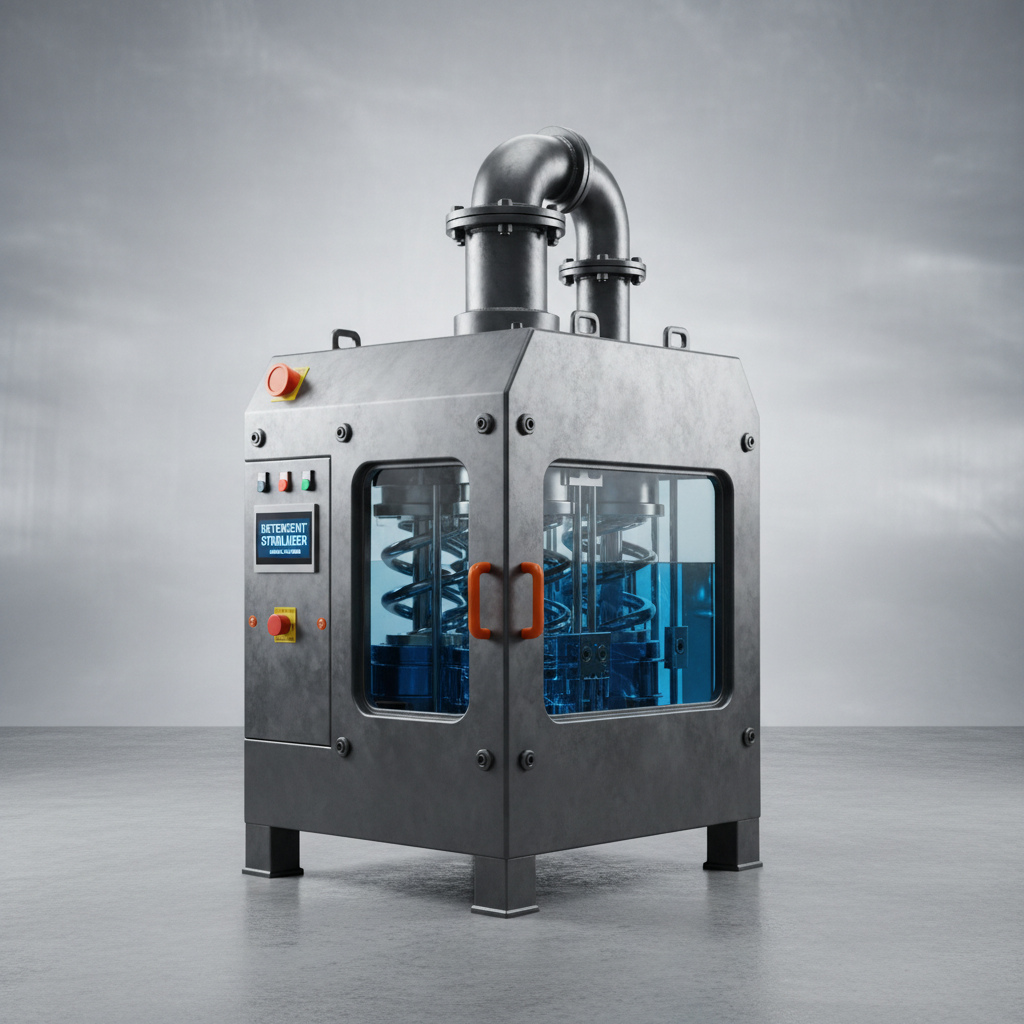
At its core, a stabilizer is a device designed to counteract forces that could cause instability. These forces can range from gravitational pull and wind resistance to dynamic loads generated during operation. Stabilizers work by either adding weight (passive stabilization) or actively responding to changes in motion (active stabilization). The selection of the appropriate stabilizer depends heavily on the specific application and the nature of the destabilizing forces. A properly chosen stabilizer can significantly extend the lifespan of equipment and reduce the risk of accidents. Gasou Yinuo offers a wide range of stabilizers for diverse applications.
Key Highlights: Stabilizers counteract forces that could cause instability, improving safety, efficiency, and operational reliability.
Types of Stabilizers: A Detailed Overview
Stabilizers come in various forms, each suited for specific applications. Common types include: Outrigger stabilizers, used to increase the base of support for heavy equipment; Fin stabilizers, commonly employed in marine vessels to reduce roll; Gyroscopic stabilizers, which utilize a spinning rotor to counteract motion; and Active stabilizers, employing sensors and actuators to dynamically adjust to changing conditions. The choice of stabilizer type depends on factors such as the magnitude of the destabilizing forces, the operating environment, and budget constraints. Understanding these different types is critical for making an informed decision.
Stabilizer Type Benefits:
• Outrigger stabilizers: Increase base of support, suitable for heavy equipment.
• Fin stabilizers: Reduce roll in marine vessels.
• Gyroscopic stabilizers: Counteract motion using a spinning rotor.
• Active stabilizers: Dynamically adjust to changing conditions.
Stabilizer Applications Across Industries
The applications of stabilizers are incredibly diverse. In construction, outrigger stabilizers are essential for cranes and aerial lifts. The marine industry relies heavily on fin and gyroscopic stabilizers for passenger and cargo vessels. Manufacturing facilities use stabilizers to secure robots and other automated equipment. Furthermore, stabilizers are vital in the transportation of sensitive goods, ensuring they remain upright and undamaged during transit. Gasou Yinuo's stabilizers can be found in a wide variety of applications globally.
Selecting the Right Stabilizer: Key Considerations
Choosing the ideal stabilizer requires careful evaluation. Consider the load capacity, operating environment, and potential dynamic forces. Factors like corrosion resistance, maintenance requirements, and cost also play crucial roles. It’s essential to consult with experts to ensure the selected stabilizer meets specific needs and complies with relevant safety standards. Gasou Yinuo’s team can assist with stabilizer selection and provide tailored solutions.
Stabilizer Maintenance and Longevity
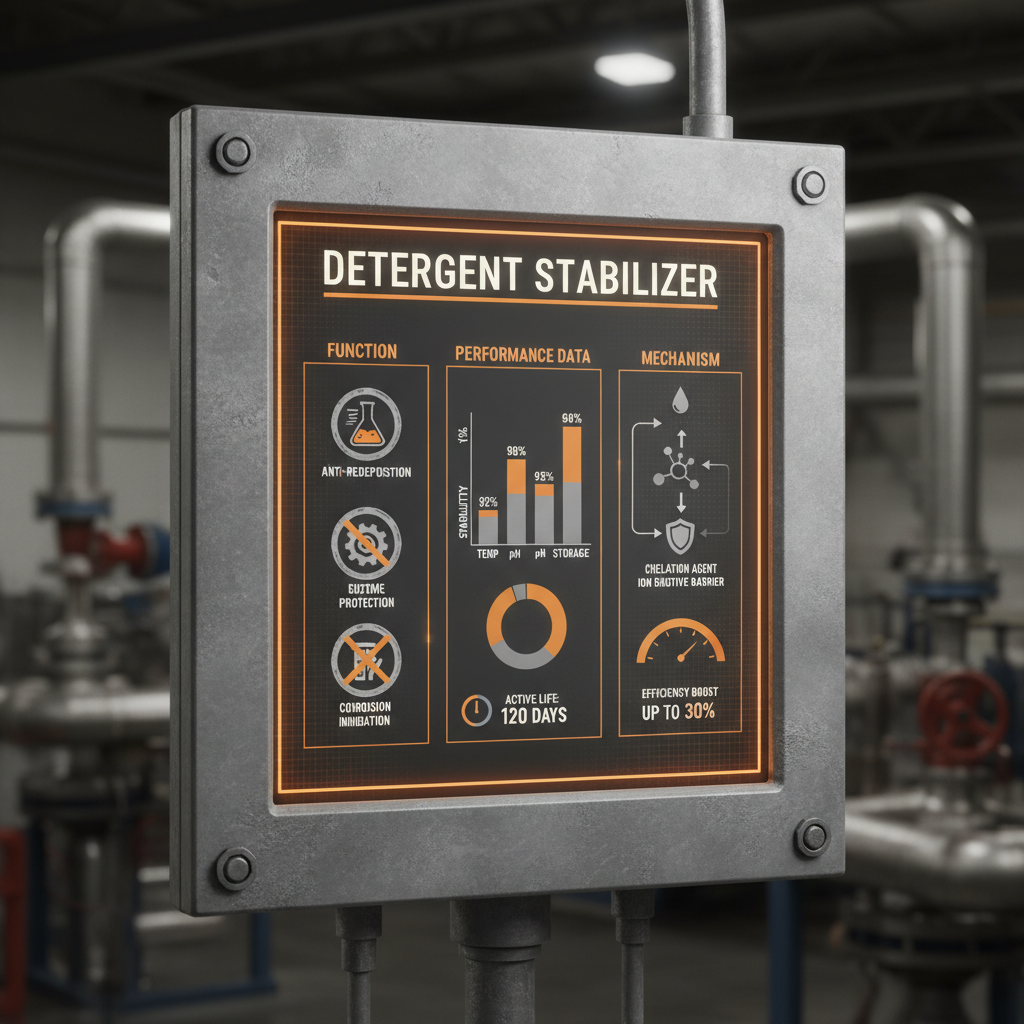
Regular maintenance is vital for ensuring the long-term performance and reliability of stabilizers. This includes periodic inspections for wear and tear, lubrication of moving parts, and replacement of worn components. Adhering to the manufacturer's maintenance schedule will prevent premature failure and ensure consistent stabilization. Proper storage conditions, especially for outdoor stabilizers, can also extend their lifespan. By proactively maintaining stabilizers, you can minimize downtime and maximize return on investment.
Conclusion: Investing in Stability for Long-Term Success
Selecting the right stabilizer is a critical investment for any industry requiring stable operation. Understanding the various types, applications, and maintenance requirements can ensure optimal performance, safety, and longevity. Gasou Yinuo offers a comprehensive range of stabilizers and expert support to help you achieve optimal stability for your operations.
Frequently Asked Questions (FAQs)
What factors should I consider when selecting a stabilizer?
When selecting a stabilizer, you should consider several key factors. These include the load capacity of the equipment, the operating environment (indoor vs. outdoor, wet vs. dry), the types of forces acting upon the equipment (static, dynamic, wind), and any relevant safety regulations. It’s also essential to evaluate the stabilizer’s material compatibility, maintenance requirements, and overall cost. Choosing a stabilizer that is appropriately sized and designed for the specific application is vital for ensuring its effectiveness and longevity. Consider the specific requirements of your application and consult with an expert to determine the optimal solution.
How often should I inspect my stabilizer?
The frequency of stabilizer inspections depends on the severity of the operating environment and the intensity of use. However, a general recommendation is to conduct visual inspections at least monthly, or more frequently in harsh conditions. Look for signs of wear and tear, such as cracks, corrosion, or damage to components. Pay close attention to any moving parts and ensure they are properly lubricated. Document all inspections and any maintenance performed. Regular inspections can help identify potential problems before they escalate into major failures.
What is the difference between active and passive stabilizers?
Active stabilizers use sensors and actuators to dynamically adjust to changing conditions, providing real-time stabilization. They require a power source and are typically more complex and expensive than passive stabilizers. Passive stabilizers, on the other hand, rely on fixed weights or mechanical components to counteract forces. They are simpler, more reliable, and require no external power. The choice between active and passive stabilization depends on the specific application and the level of control required. Active stabilizers are often used in applications where precise stabilization is critical, while passive stabilizers are suitable for less demanding applications.
Are stabilizers suitable for all types of heavy machinery?
While stabilizers are beneficial for many types of heavy machinery, their suitability depends on the specific application. Some machinery may have inherent stability features, reducing the need for additional stabilization. However, even in these cases, stabilizers can enhance safety and performance. It’s crucial to assess the potential risks and the operating environment to determine if a stabilizer is necessary. Consulting with a stabilizer expert can help you evaluate your specific needs and choose the appropriate solution. Careful consideration of the machinery's design and intended use will help determine if a stabilizer is a valuable addition.
Latest news
-
Industrial Natural Gas Pressure Reducing Valve Guide and SelectionNewsApr.16,2026
-
Understanding the Industrial Regulating Valve for Fluid ControlNewsApr.09,2026
-
Understanding Gas Pressure Reducer Types Applications and Safety MeasuresNewsApr.07,2026
-
Understanding and Optimizing Gas Pressure Reducing Valve SystemsNewsApr.04,2026
-
Optimizing System Performance with the Right Filter Separator SelectionNewsMar.31,2026
-
Comprehensive Guide to Understanding and Utilizing Pressure Pipe SystemsNewsMar.28,2026