


Oct . 06, 2025 08:35
Back to list
Gas Pressure Regulator: Precise, Safe Control—Why Choose Us?
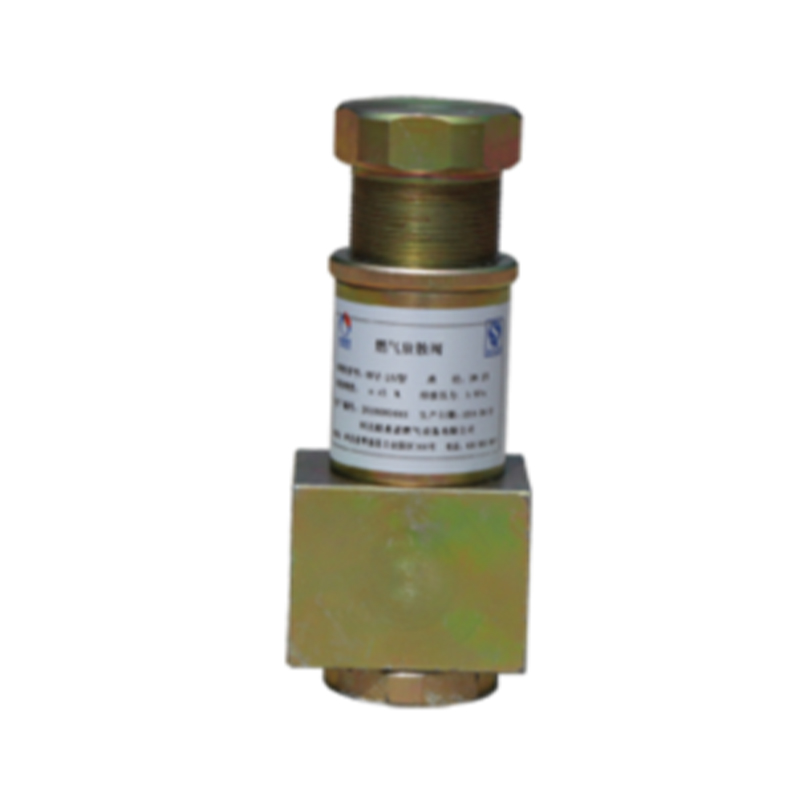
RFZ-V58F Gas Safety Discharge Valve: the quiet bodyguard behind every reliable station
If you’ve ever stood in a gas station control room during a pressure excursion, you know the piece of kit that decides whether it’s a non-event or a headline: the relief device downstream of the gas pressure regulator. The RFZ-V58F Gas Safety Discharge Valve—built in No. 6 Weiqi Street, South District of Hengshui Innovation Port, Zaoqiang County, Hengshui City, Hebei, China—sits exactly there, spring-loaded and ready to vent safely when the system says “enough.” To be honest, most days it does nothing. That’s the point.
What’s changing in the industry (and why this matters)
Trends I see on the ground: tighter decarbonization targets, city-gate stations moving closer to consumption points, H2-ready materials quietly becoming baseline, and regulators getting smarter—telemetry everywhere. Yet, when overpressure happens, operators still favor the honest physics of a spring. The RFZ-V58F follows that philosophy: predictable opening, no firmware, immediate response. Many customers say they just want a device that opens when it should and seals when it shouldn’t—simple, robust, testable.
RFZ-V58F at a glance
| Model | RFZ-V58F Gas Safety Discharge Valve (spring-loaded) |
| Typical set-pressure range | ≈ 0.5–6 bar standard; custom options up to around 10 bar (real-world use may vary) |
| Body / trim materials | Carbon steel or 304/316 stainless; seats: NBR / FKM / PTFE based on media |
| Connections | Flanged PN16 / ANSI 150 (others on request) |
| Nominal sizes | DN25–DN80 typical |
| Temperature range | ≈ −20 to +60°C with standard elastomers; extended ranges available |
| Compliance baseline | Designed to align with ISO 4126 (safety devices) and API 527 seat-tightness testing |
How it’s built (short version)
Materials are batch-tracked; bodies are CNC-machined, deburred, and shot-cleaned. Springs get calibrated by rate (not just free length). Seats are lapped, then assemblies are torqued to spec. Each valve is set on a bench to a requested relief pressure and verified. Hydrostatic shell tests and air seat-leak tests follow EN 12266-1; seat tightness checked per API 527. Typical service life is measured in years—maintenance cycles often 12–24 months depending on gas quality. I guess that’s conservative, but better conservative than sorry.
Where it fits
Downstream of the gas pressure regulator in city-gate stations, industrial boilers, ceramics kilns, food plants, CNG/LNG skids, hospital energy centers—anywhere a regulated line needs overpressure protection. It’s also used midstream, safeguarding district energy and CHP nodes. For H2 blends, specify stainless body and FKM/PTFE seats; for wet biogas, consider corrosion-resistant trim. Installation with drip legs and silencers is common (neighbors appreciate it).
Why operators pick it
- Fail-safe spring actuation — instant response, no power needed.
- Compact envelope — easy retrofit right after the gas pressure regulator.
- Customizable orifice and set pressure — tuned to your station’s relief capacity.
- Seat options to balance tightness vs. durability.
Vendor snapshot (real-world buyer notes)
| Vendor | Lead time | Certs/Alignment | Customization | After-sales |
|---|---|---|---|---|
| Yinuo (Hebei, China) | ≈ 2–5 weeks standard | ISO 9001; designs align with ISO 4126, EN 12266-1 | High — springs, seats, trims | Direct engineering support |
| Global Brand X | 4–10 weeks (varies) | PED/CE portfolio, extensive docs | Medium–High | Regional service network |
| Local Fabricator Y | 1–3 weeks | Basic QA; limited standards alignment | Low–Medium | On-call but variable |
Quick case note
A district energy node retrofitted RFZ-V58F units downstream of each gas pressure regulator. During a regulator creep event (operator’s words), the discharge valves cracked at ≈ 3.2 bar setpoint and reseated cleanly once pressure normalized. Post-event inspection found no seat damage—downtime was essentially zero. Not flashy, just effective.
Documentation, testing, and customization
Factory provides set-pressure certificates, shell and seat-leak test records, and materials traceability on request. Options include oxygen-cleaning, NACE-compliant trims for sour gas, low-temperature elastomers, and acoustic hoods. Alignment with ISO 4126, API 520/527, EN 12186/EN 334 workflows, and PED principles is available per project specification.
For quotes or engineering help, reference “RFZ-V58F” and your desired set pressure, media, temperature, flow capacity, and connection standard.
References
- API 520/521: Sizing, Selection, and Installation of Pressure-Relieving Devices.
- ISO 4126: Safety devices for protection against excessive pressure.
- EN 12186 and EN 334: Gas supply systems and pressure regulators in transmission and distribution.
- EN 12266-1: Industrial valves — Testing of metallic valves.
- ISO 23555-1: Gas pressure regulators — Functional requirements.
Latest news
-
Industrial Natural Gas Pressure Reducing Valve Guide and SelectionNewsApr.16,2026
-
Understanding the Industrial Regulating Valve for Fluid ControlNewsApr.09,2026
-
Understanding Gas Pressure Reducer Types Applications and Safety MeasuresNewsApr.07,2026
-
Understanding and Optimizing Gas Pressure Reducing Valve SystemsNewsApr.04,2026
-
Optimizing System Performance with the Right Filter Separator SelectionNewsMar.31,2026
-
Comprehensive Guide to Understanding and Utilizing Pressure Pipe SystemsNewsMar.28,2026