


Jul . 24, 2025 03:01
Back to list
High-Performance Relief Valve for Gas Pressure Vessels and Safety Applications
About HEBEI OUYINUO GAS EQUIPMENT CO., LTD.
HEBEI OUYINUO GAS EQUIPMENT CO., LTD. is a globally recognized manufacturer and technological innovator specializing in advanced gas equipment, including relief valves, pressure regulating stations, and more for the gas and petrochemical sector. With years of expertise driven by a commitment to quality and safety, OUYINUO serves major gas transmission projects worldwide.
- Official Website: https://www.gasouyinuo.com
- Phone: +86-318-8289999
- Email: hboynrq@163.com
- Mobile: +86-400-663-8811
- Address: No. 6 Weiqi Street, South District of Hengshui Innovation Port, Zaoqiang County, Hengshui City, Hebei Province, China
Featured Product: City Gate Station
Product Name: City Gate Station
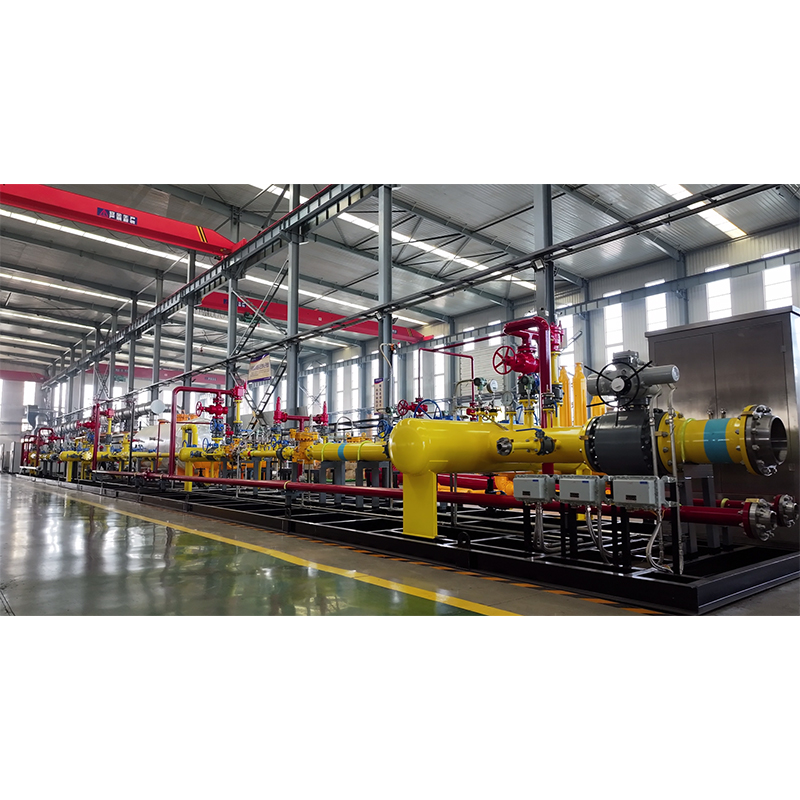
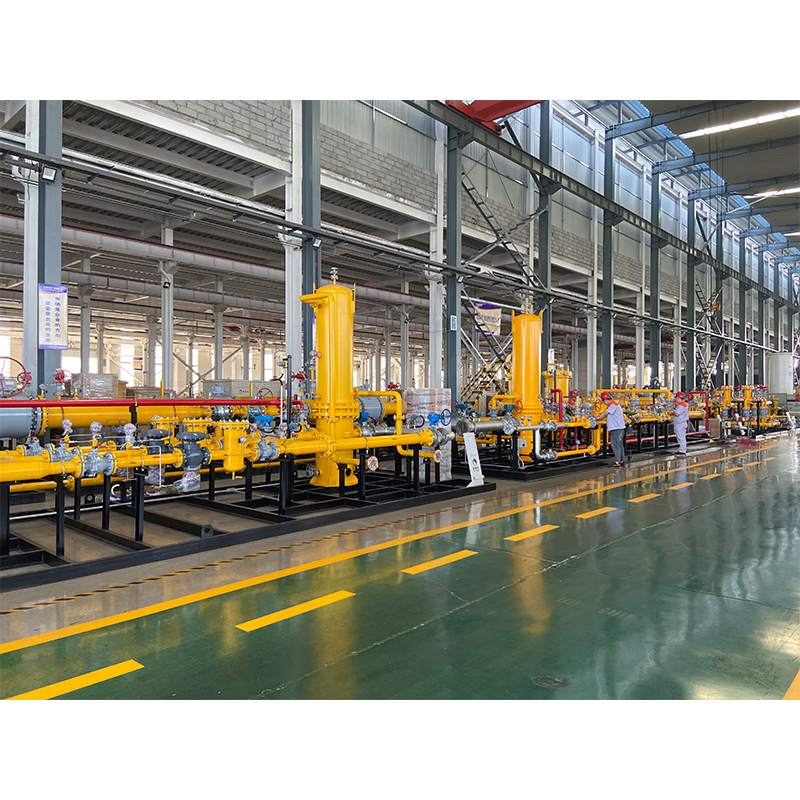
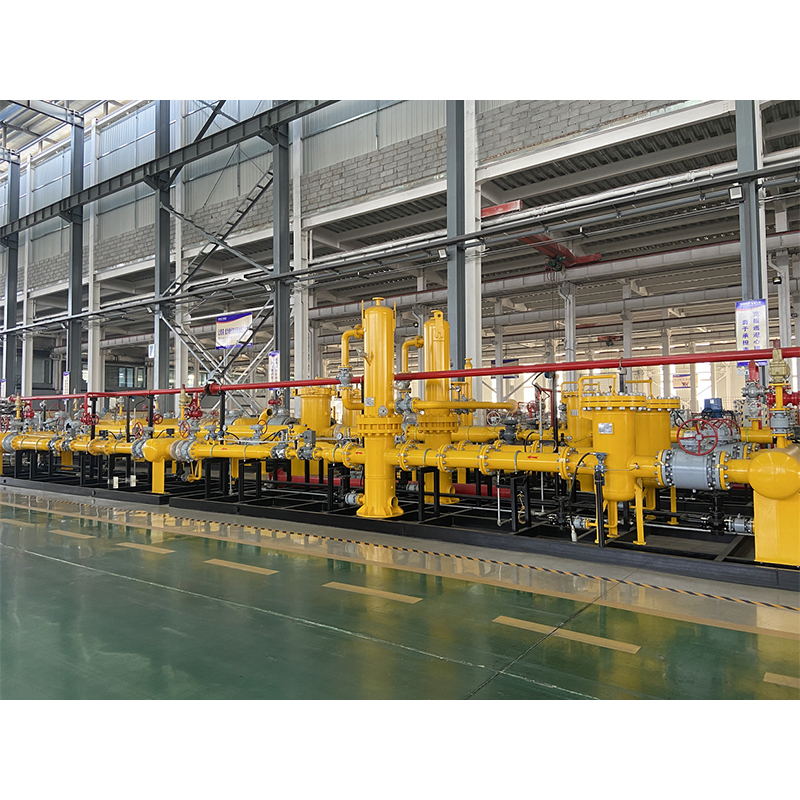
Description: This series of pressure regulating stations is usually skid-mounted. Served as the key of supporting the gas long-distance transmission pipeline into the city pipe network, the equipment mainly applies to the branch station of the gas long-distance transmission pipeline as well as the downstream of the first station or the upstream of the city medium pressure network as the city gate station.
Learn more about City Gate Station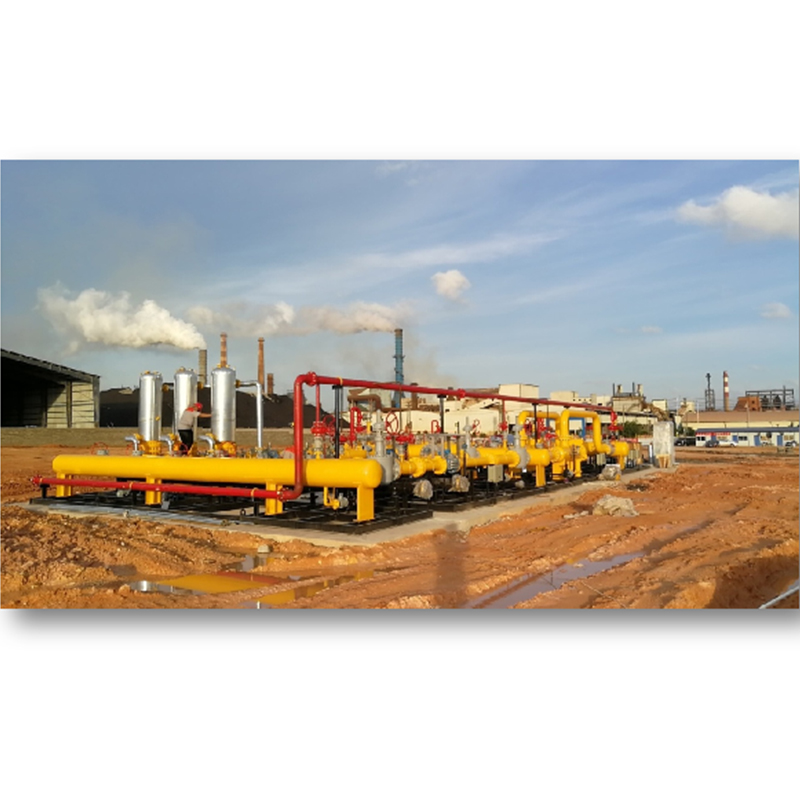
Understanding Relief Valve: Core Definitions and Importance
A relief valve is a crucial safety device installed in pipelines, pressure vessels, and city gate stations, designed to automatically release excess pressure and prevent catastrophic failures. There are several types, including relief valves, safety relief valve, and gas safety relief valve, each optimized for specific applications in industrial and urban gas networks.
Industry standards—like ASME BPVC, API 520, and PED—strongly regulate relief and safety relief valves for pressure vessel safety ([source](https://www.asme.org/codes-standards)). In City Gate Station contexts, their performance directly relates to operational reliability, personnel safety, and regulatory compliance.
Relief Valve Technical Parameter Table
| Parameter | Typical Value/Range | Description |
|---|---|---|
| Set Pressure | 0.5–100 bar (7–1450 psi) | Pressure at which the valve actuates to release excess |
| Orifice Size | DN10–DN300 | Sizes based on required discharge capacity |
| Design Temperature | -40℃ to +200℃ | Temperature range for safe operation |
| Material | Stainless Steel, Carbon Steel, Brass | Determined by medium, temperature & pressure |
| Discharge Coefficient (Kd) | ~0.7–0.85 | Indicates relief effectiveness ([API 520](https://www.api.org/news-policy-and-issues/api-standards)) |
| Blowdown (% of set pressure) | 7–15% | Pressure reduction for valve re-seating |
| Certification | ASME, ISO 4126, PED | Relevant international standards |
Industry Trends and Applications of Relief Valve
The relief valve market has seen robust growth, parallel with the expansion of the global oil & gas and chemical industries. According to industry research, safety and gas safety relief valve manufacturing has become increasingly sophisticated with enhanced diagnostic sensors, digital actuation, and remote status detection.
Modern applications span:
- City Gate Stations (regulating city gas distribution)
- Pressure Vessel safety systems in process plants
- Natural gas pipeline compression stations
- Petrochemical gas pressure vessel protection
- Boiler and heat exchanger overpressure safety
Key innovations in relief valves include fast-adjusting set points, resilient-seat and metal-seat options, and enhanced anti-corrosion builds for critical applications. Trends also show increasing compliance to global standards including API 526, ASME VIII, and the European PED.
Why Relief Valve Quality & Compliance Matter
Properly engineered relief valve solutions act as the final defense against catastrophic pipeline or pressure vessel failures due to overpressure. Non-conformance or using unsuitable types can lead to environmental hazards, regulatory violations, and costly downtime.
Technical FAQ: Professional Terminologies on Relief Valve
Q1: What materials are most commonly used for manufacturing relief valves?
A1: Stainless steel, carbon steel, and brass are widely used due to their corrosion resistance, mechanical robustness, and compatibility with natural gas and other industrial media.
A1: Stainless steel, carbon steel, and brass are widely used due to their corrosion resistance, mechanical robustness, and compatibility with natural gas and other industrial media.
Q2: What standards govern relief valve specifications for pressure vessels?
A2: Core standards include ASME "Boiler and Pressure Vessel Code" (BPVC), API 520/526, and European PED. Compliance ensures safety and global market acceptance.
A2: Core standards include ASME "Boiler and Pressure Vessel Code" (BPVC), API 520/526, and European PED. Compliance ensures safety and global market acceptance.
Q3: What is the importance of ‘set pressure’ in a relief valve?
A3: ‘Set pressure’ defines the precise pressure at which the relief valve actuates, directly determining equipment protection performance ([source](https://www.engineeringtoolbox.com/relief-valves-d_1566.html)).
A3: ‘Set pressure’ defines the precise pressure at which the relief valve actuates, directly determining equipment protection performance ([source](https://www.engineeringtoolbox.com/relief-valves-d_1566.html)).
Q4: How is the orifice size selected?
A4: Proper orifice sizing (DN10–DN300) is based on the maximum expected flow rate and discharge requirements, as per API sizing charts and process simulation.
A4: Proper orifice sizing (DN10–DN300) is based on the maximum expected flow rate and discharge requirements, as per API sizing charts and process simulation.
Q5: What installation guidelines must be followed for safety relief valve placement?
A5: Installation must ensure vertical placement, direct connection (no unnecessary piping between valve and vessel), and accessibility for testing and maintenance. All per ASME and relevant local codes.
A5: Installation must ensure vertical placement, direct connection (no unnecessary piping between valve and vessel), and accessibility for testing and maintenance. All per ASME and relevant local codes.
Q6: What is the typical maintenance cycle for gas safety relief valves?
A6: Annual inspection, calibration, and re-certification are standard. More frequent checks may be needed in harsh gas service environments ([source](https://www.flowcontrolnetwork.com/maintaining-safety-relief-valves/)).
A6: Annual inspection, calibration, and re-certification are standard. More frequent checks may be needed in harsh gas service environments ([source](https://www.flowcontrolnetwork.com/maintaining-safety-relief-valves/)).
Q7: How do “blowdown” values affect system protection?
A7: “Blowdown” (the pressure drop required to re-seat the valve) ensures the valve remains open until safe pressure is restored, preventing premature closure and ensuring system integrity.
A7: “Blowdown” (the pressure drop required to re-seat the valve) ensures the valve remains open until safe pressure is restored, preventing premature closure and ensuring system integrity.
Trusted Performance: City Gate Station & Relief Valve Integration
HEBEI OUYINUO’s City Gate Station is engineered specifically to address modern gas transmission needs, integrating advanced relief valve technology for primary and redundant safety lines. Distinguished by:
- Pressure regulation with up to 1.5% accuracy
- High-flow capability (up to 50,000 Nm3/h)
- Operating pressure up to 90 bar (1305 psi)
- Skid-mounted for rapid deployment and modular maintenance
- Incorporation of both primary and standby gas safety relief valve units
- Full compliance with ASME/PED/ISO safety norms
This ensures robust operational safety for critical city gas delivery lines.
Explore City Gate Station with advanced Relief Valve integrationBest Practices: Sizing, Selection, and Global Compliance
Selecting the optimum relief valve for your application involves considering the following:
- Confirm the maximum system pressure and required setpoint.
- Select the material, trim, and seal technology suited for the process media and environment.
- Size the orifice according to worst-case overpressure scenarios (based on API/ASME calculation methods).
- Ensure all valves are certified under international standards (e.g., ASME VIII, PED, ISO 4126).
- Allow for easy inspection, testing, and maintenance—especially for gas pressure vessel and city gate use.
A robust relief valve selection guarantees process integrity and personnel safety throughout all operating cycles in gas transmission and distribution facilities.
Conclusion: Leading with EEAT — Expertise, Authority, & Trustworthiness in Relief Valve Manufacturing
HEBEI OUYINUO GAS EQUIPMENT CO., LTD., with its City Gate Station and full spectrum of relief valve offerings, stands at the forefront of safety, reliability, and technical innovation. The company’s adherence to global standards, rigorous testing, and commitment to ongoing research and development ensure long-life, worry-free operation for clients around the globe.
For technical consultation, solutions, or quotations, contact us anytime at:
+86-318-8289999 / hboynrq@163.com
Latest news
-
Industrial Natural Gas Pressure Reducing Valve Guide and SelectionNewsApr.16,2026
-
Understanding the Industrial Regulating Valve for Fluid ControlNewsApr.09,2026
-
Understanding Gas Pressure Reducer Types Applications and Safety MeasuresNewsApr.07,2026
-
Understanding and Optimizing Gas Pressure Reducing Valve SystemsNewsApr.04,2026
-
Optimizing System Performance with the Right Filter Separator SelectionNewsMar.31,2026
-
Comprehensive Guide to Understanding and Utilizing Pressure Pipe SystemsNewsMar.28,2026