0%

Table of Contents

The humble safety valve stands as a critical component across countless industries and applications, often unnoticed until its protective function is required. From safeguarding pressurized systems in power plants to protecting lives in boiler operations, the safety valve prevents catastrophic failures and ensures operational integrity. Understanding its principles, applications, and advancements is not merely a technical exercise, but a vital step in bolstering safety, reducing downtime, and promoting responsible engineering practices globally. The consistent reliability of a safety valve is paramount.

Globally, the demand for robust safety systems is driven by increasing industrialization, stringent regulatory standards, and a growing awareness of process safety. According to the International Organization for Standardization (ISO), adherence to safety standards like ISO 4126 significantly impacts the design, testing, and certification of pressure relief devices. The World Bank emphasizes the importance of infrastructure safety in developing nations, where preventative measures, including reliable safety valves, can prevent devastating accidents and protect economic progress.

The core challenge that the safety valve addresses is the prevention of overpressure events within closed systems. These events can arise from various factors – thermal expansion, runaway reactions, equipment malfunction – and can lead to equipment damage, environmental hazards, and, tragically, loss of life. Investing in quality safety valves and implementing proper maintenance procedures are therefore crucial for mitigating these risks.
The Critical Role of Safety Valves in Industrial Pressure Relief Systems

The Importance of Safety Valve

The Critical Role of Safety Valves in Industrial Pressure Relief Systems

The significance of the safety valve extends beyond its basic function of pressure relief. It's a cornerstone of risk management, directly contributing to operational safety, environmental protection, and the longevity of valuable assets. A well-maintained safety valve is often the last line of defense against catastrophic system failures.

Properly selected and installed safety valves minimize potential for accidents, protecting personnel, the environment, and equipment from damage or destruction. This proactive approach, facilitated by a dependable safety valve, translates into substantial cost savings and enhanced operational efficiency.

Defining the Safety Valve

A safety valve is a mechanical pressure relief device designed to automatically release a substance when the pressure exceeds a predetermined limit. It is typically spring-loaded, opening when the set pressure is reached, and closing when the pressure returns to a safe level. This process prevents overpressure in pipelines, pressure vessels, and other systems.

The connection to modern industry is undeniable. From oil and gas refineries to chemical processing plants and power generation facilities, safety valves are integral to ensuring safe and efficient operations. In humanitarian contexts, they play a role in maintaining the integrity of water purification systems and medical gas supplies.

Essentially, the safety valve is a critical element in protecting both life and property by preventing potentially hazardous situations arising from uncontrolled pressure buildup. Its simplicity and reliability have made it a fundamental component of engineering systems for over a century.

Key Characteristics of Safety Valve

Durability is a paramount characteristic of a safety valve. These devices must withstand harsh operating conditions, including extreme temperatures, corrosive fluids, and fluctuating pressures, without compromising their functionality. Materials selection, rigorous testing, and adherence to industry standards are all vital for ensuring long-term reliability.

Response Time is another critical factor. A safety valve must open rapidly when the set pressure is reached, preventing a rapid escalation of pressure. This requires precise engineering of the valve’s internal mechanisms and a properly calibrated spring.

Set Pressure Accuracy refers to the precision with which the valve is calibrated to open at the designated pressure. Variations can compromise safety, either by opening prematurely or failing to open when needed. Regular calibration and certification are essential for maintaining accuracy.

Operational Parameters and Selection

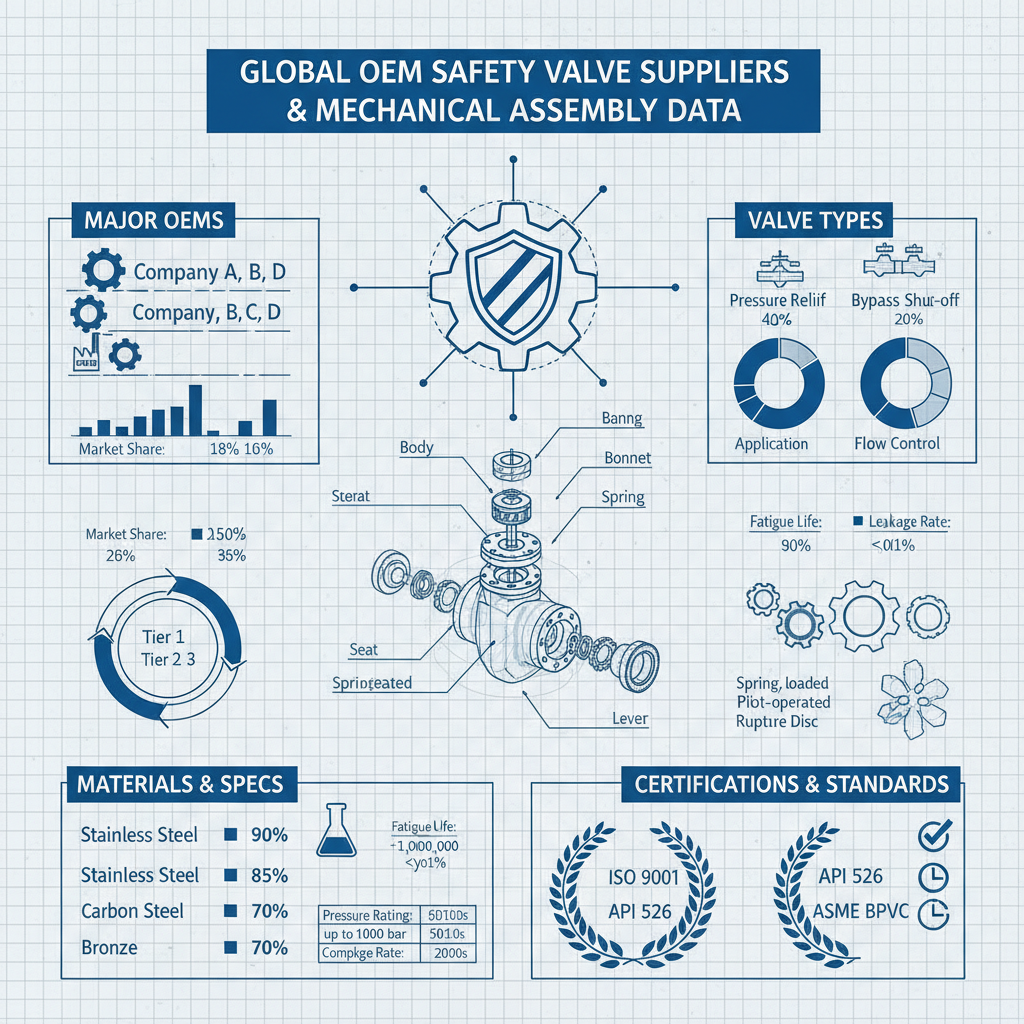
Selecting the correct safety valve requires careful consideration of several operational parameters, including the maximum allowable working pressure (MAWP) of the system, the fluid being handled, the operating temperature, and the potential for backpressure.

Different valve types are suited to different applications. For example, conventional spring-loaded valves are common in steam service, while balanced bellows valves are often used where backpressure is a concern. Pilot-operated safety valves are often used for high-pressure applications.

Safety Valve Performance Comparison


Global Applications of Safety Valve

Safety valves are indispensable in the oil and gas industry, protecting refineries, pipelines, and storage tanks from overpressure events. They are also crucial in power plants, preventing explosions in boilers and steam turbines.

In chemical processing plants, safety valves safeguard against runaway reactions and ensure the safe handling of hazardous materials. The pharmaceutical industry also relies on these devices to maintain sterile environments and prevent contamination.

Advantages and Long-Term Value

The primary advantage of a correctly functioning safety valve is, undeniably, enhanced safety. By preventing overpressure events, it minimizes the risk of catastrophic failures, protecting personnel, equipment, and the environment.

Beyond safety, employing high-quality safety valves leads to reduced downtime, lower maintenance costs, and increased operational efficiency. The long-term value lies in the prevention of costly repairs, lost production, and potential legal liabilities.

Future Trends in Safety Valve Technology

The future of safety valve technology is being shaped by several key trends, including the integration of digital sensors for real-time monitoring and predictive maintenance. Smart valves capable of self-diagnosis and remote adjustment are also gaining traction.

Materials science is playing a role, with the development of new alloys and polymers that offer enhanced corrosion resistance and durability. Moreover, the increasing focus on sustainability is driving the development of environmentally friendly valve designs and manufacturing processes.

Furthermore, advancements in automation and process control are leading to more sophisticated safety systems that integrate seamlessly with safety valves, creating a more proactive and reliable approach to pressure relief.

FAQS

What are the key differences between a safety valve and a relief valve?

While both safety valves and relief valves protect against overpressure, they differ in their application and opening action. Safety valves are typically used for compressible fluids (gases, steam) and open rapidly and fully (“pop action”). Relief valves are used for incompressible fluids (liquids) and open proportionally to the overpressure. Choosing the correct type is crucial for optimal protection.

How often should safety valves be tested and certified?

Safety valves should be tested and certified at regular intervals, typically every one to three years, depending on regulations and the severity of the service. Testing involves verifying the set pressure, leakage rate, and lifting characteristics. Certification ensures compliance with industry standards and provides documented proof of valve functionality.

What is the importance of properly sizing a safety valve?

Correct sizing is critical for effective overpressure protection. An undersized valve may not be able to relieve enough pressure, leading to system failure. An oversized valve can chatter and damage the valve seat, reducing its reliability. Proper sizing requires accurate calculations based on the system's potential overpressure scenarios.

What are common causes of safety valve failure?

Common causes of failure include corrosion, fouling, erosion, and improper installation. Regular inspection and maintenance, including cleaning, lubrication, and replacement of worn parts, can help prevent failures. It's also important to ensure that the valve is protected from external damage and extreme temperatures.

Can a safety valve be reset after activation?

Most conventional spring-loaded safety valves will automatically reset when the pressure drops below the set point. However, a thorough inspection is required after each activation to ensure that the valve seat is not damaged and that the valve functions correctly. Pilot-operated valves may require manual or automatic reset procedures.

What materials are commonly used in safety valve construction?

Common materials include carbon steel, stainless steel, bronze, and various alloys. The choice of material depends on the fluid being handled, the operating temperature, and the potential for corrosion. Compatibility with the process fluid is a crucial consideration to ensure long-term reliability and prevent material degradation.

Conclusion

In summary, the safety valve is far more than a simple mechanical device. It is a cornerstone of modern industrial safety, environmental protection, and operational reliability. Its ability to prevent catastrophic failures and protect lives and assets makes it an indispensable component in a wide range of applications. Understanding its principles, proper selection, and meticulous maintenance is paramount for ensuring safe and efficient operations across diverse industries.

Looking ahead, the integration of advanced technologies, such as digital monitoring and predictive maintenance, will further enhance the performance and reliability of safety valves. Continued investment in materials science and sustainable design will contribute to more durable and environmentally friendly solutions. For more information on how we can assist you with your safety valve needs, visit our website today: www.gasouyinuo.com.


Jason Liu

Jason Liu

Jason Liu is a Manufacturing Supervisor at Ouyinuo, responsible for overseeing the operation of the advanced CNC machining center and other digital processing equipment. With 7 years of experience in precision manufacturing, Jason ensures efficient production of high-quality gas equipment. He leads a team of skilled technicians, maintaining strict adherence
Previous Comprehensive Guide to Gas Filters Applications and Future Trends
Next Understanding Pressure Regulating Valve Technology and Global Applications