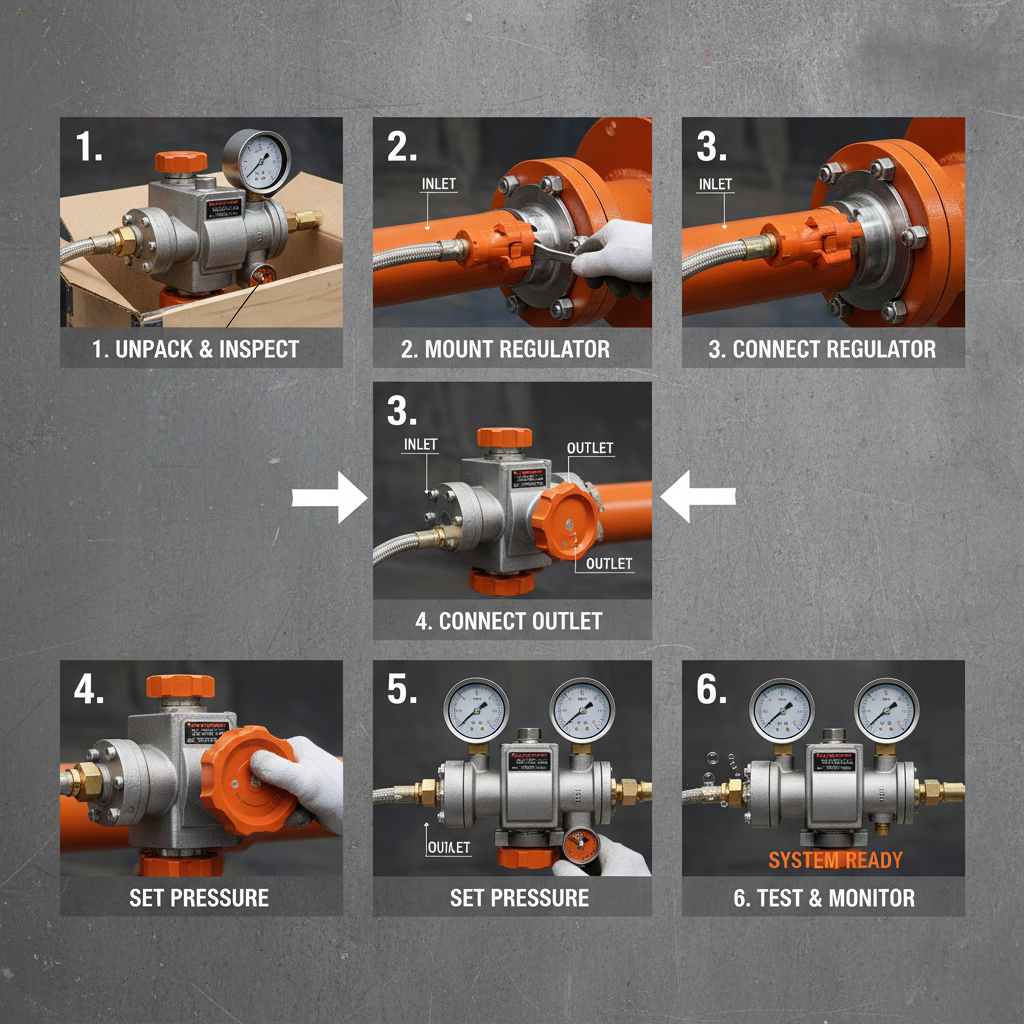
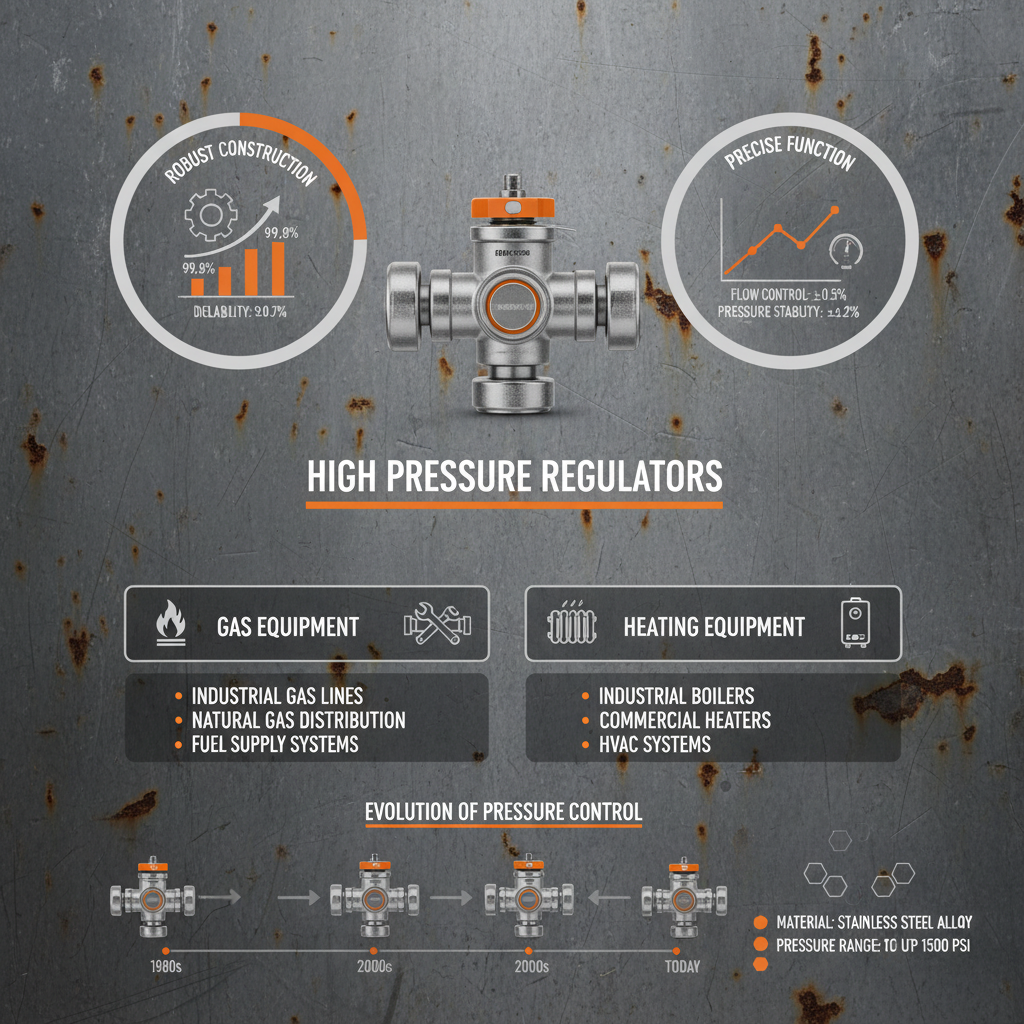
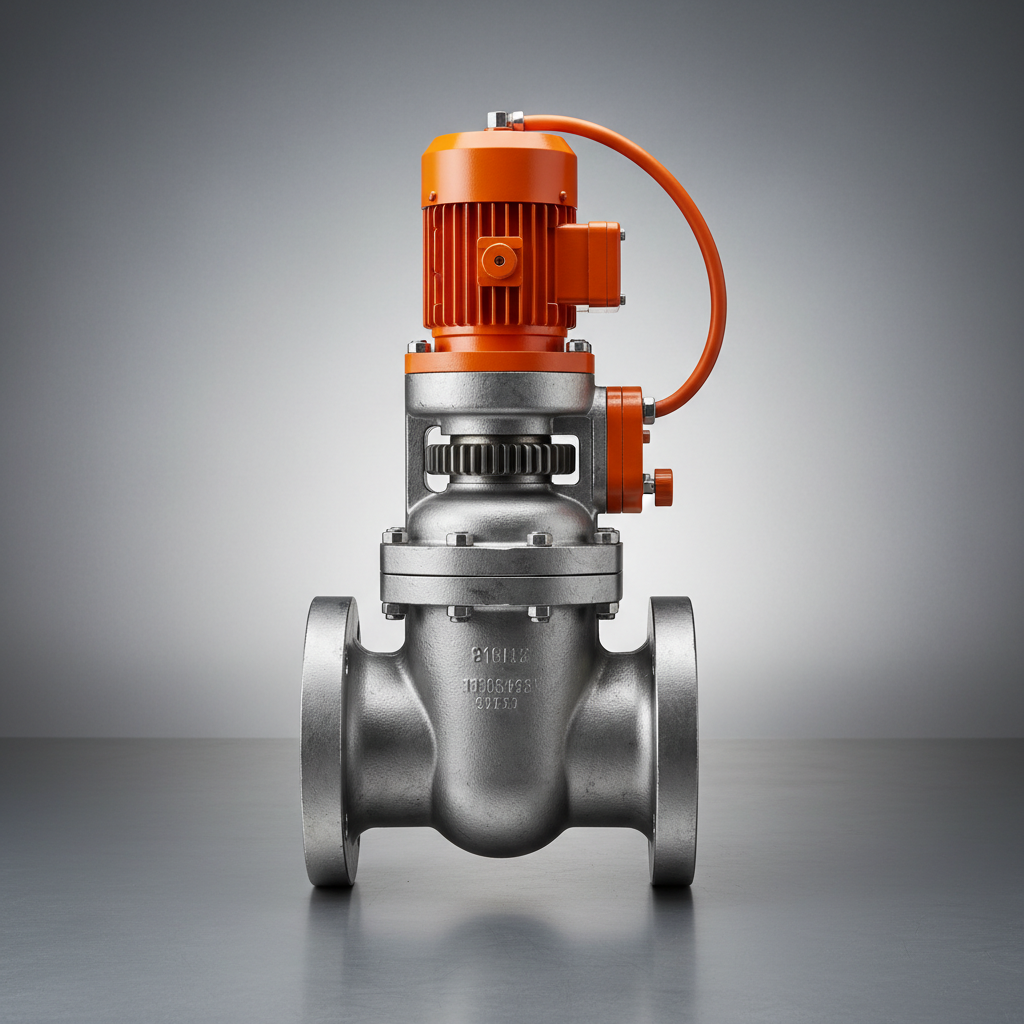
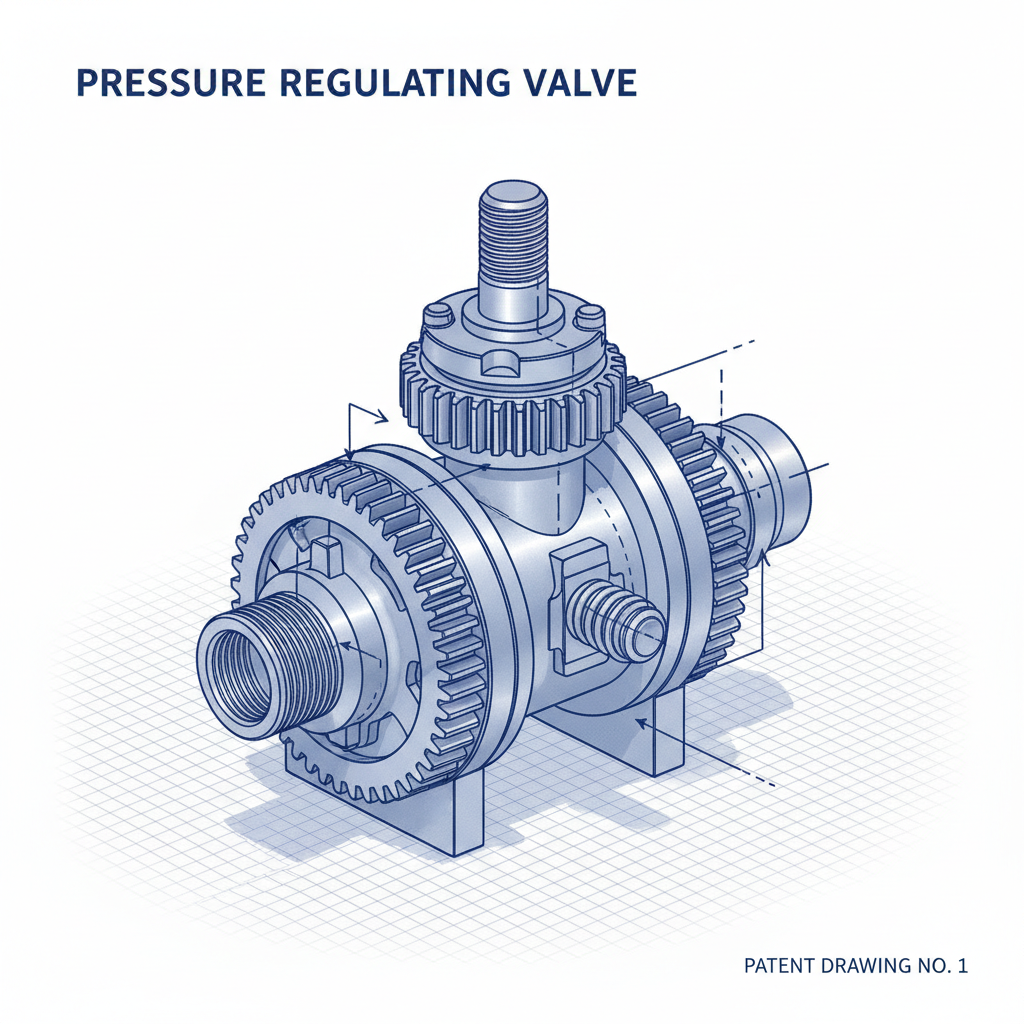
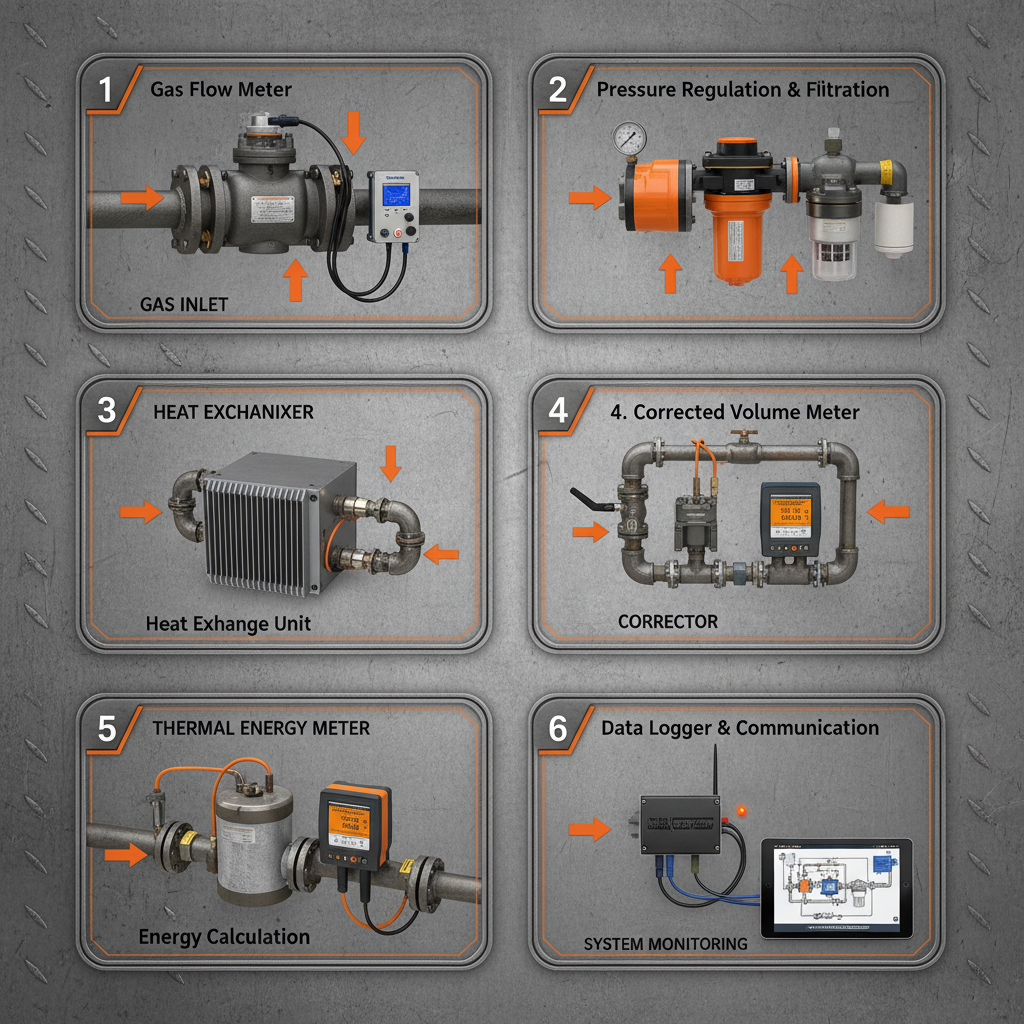
In the complex landscape of industrial fluid control, high pressure regulators serve as the critical heartbeat of safety and precision. These sophisticated devices are engineered to reduce a high-pressure gas source to a lower, stable delivery pressure, ensuring that downstream equipment operates within safe limits regardless of fluctuations in the supply line. Without the stability provided by these regulators, industrial processes would be prone to catastrophic failures and inconsistent product quality.
Globally, the demand for precision pressure management has surged as industries move toward higher efficiency and tighter safety tolerances. From the aerospace sector to chemical synthesis, the ability to maintain a constant pressure environment is not merely a technical preference but a regulatory necessity. The integration of high pressure regulators allows for the seamless operation of integrated device series and point supply systems, bridging the gap between bulk storage and delicate application.
Understanding the mechanics and selection criteria for these regulators is essential for any plant manager or system engineer. By optimizing the flow and pressure characteristics, companies can significantly reduce waste, extend the lifespan of their vessel series, and ensure the highest standards of workplace safety. This comprehensive guide explores the technical intricacies, global applications, and future innovations of high-pressure regulation technology.
Global Industry Context of High Pressure Regulators
The global industrial landscape is currently undergoing a massive shift toward automation and high-density energy storage, making high pressure regulators more relevant than ever. According to ISO standards for pressure equipment, the margin for error in gas distribution is nearly zero; a minor deviation in pressure can lead to systemic failure. In sectors like hydrogen energy and semiconductor manufacturing, the ability to regulate pressures exceeding 300 bar with millibar precision is a prerequisite for operational viability.
As emerging economies in Southeast Asia and Latin America expand their manufacturing bases, the adoption of standardized high pressure regulators has become a benchmark for industrialization. The challenge lies in balancing the need for extreme durability with the requirement for precise flow control. Consequently, the industry is seeing a move away from generic valves toward specialized, integrated control systems that can respond dynamically to load changes in real-time.
Defining High Pressure Regulators and Their Purpose
At its most basic level, a high pressure regulator is a valve-based device designed to maintain a constant output pressure regardless of the fluctuating input pressure from a source, such as a cylinder or a pipeline. It acts as a protective barrier, ensuring that the sensitive components of a control system or an integrated device series are not exposed to the raw, potentially destructive force of the primary gas supply.
Beyond simple pressure reduction, these devices are integral to humanitarian and safety needs. For instance, in medical oxygen delivery or emergency fire suppression systems, the regulator ensures a steady, predictable flow of gas that is critical for saving lives. The precision of these regulators prevents "surges" that could damage breathing apparatuses or cause unpredictable chemical reactions in a laboratory setting.
In the context of the modern "Smart Factory," high pressure regulators are increasingly being paired with digital sensors. This evolution transforms them from passive mechanical components into active data points, allowing operators to monitor gas consumption and leakages through a centralized voltage regulator series or a digital control hub, thereby enhancing overall plant efficiency.
Core Components and Engineering Factors
The performance of high pressure regulators is primarily determined by the quality of their diaphragms and valve seats. The diaphragm acts as the sensing element, translating the output pressure into a mechanical force that adjusts the valve position. High-grade stainless steel or reinforced polymers are typically used to prevent fatigue and corrosion, especially when dealing with aggressive gases like chlorine or ammonia.
Scalability and durability are the two most critical engineering factors. A regulator must be capable of handling "droop"—the slight decrease in delivery pressure as flow increases—while maintaining structural integrity under extreme temperature swings. By utilizing advanced metallurgy, manufacturers can ensure that these regulators remain leak-proof and stable over millions of cycles, reducing the total cost of ownership for the end-user.
Finally, the integration of safety relief valves within the regulator assembly provides a secondary layer of protection. In the event of a diaphragm failure, these safety devices vent excess pressure to a safe location, preventing the downstream vessel series from bursting. This fail-safe design is what makes high pressure regulators indispensable in high-risk environments like oil rigs or chemical plants.
Practical Applications in Modern Industry
The versatility of high pressure regulators allows them to be deployed across a vast array of sectors. In the energy sector, specifically in peak shaving equipment series, they are used to manage the high-pressure injection of natural gas into grids during periods of peak demand. In the aerospace industry, they regulate the flow of propellant and life-support gases, where reliability is a matter of survival.
Furthermore, in remote industrial zones or post-disaster relief operations, portable high-pressure regulation kits are used to provide stable energy or medical gases from compressed cylinders. This mobility allows NGOs and emergency responders to establish critical infrastructure quickly, ensuring that life-saving equipment functions perfectly regardless of the instability of the surrounding environment.
Comparative Efficiency of High Pressure Regulators by Type
Tangible Advantages and Long-Term Value
Investing in high-quality high pressure regulators provides immediate logical benefits in terms of cost efficiency. By preventing "over-pressurization," these devices protect expensive downstream equipment from premature wear and tear, significantly extending the replacement cycle of the entire control system. This reduction in downtime translates directly into higher profitability and lower maintenance overhead.
Beyond the financial metrics, there is an emotional and ethical value associated with reliability. The peace of mind that comes from knowing a system is regulated by certified, fail-safe equipment fosters a culture of trust and safety within a workforce. When employees know that the high-pressure gas lines are managed by industry-leading regulators, it enhances their sense of dignity and security, promoting a more focused and innovative working environment.
Future Trends in Pressure Control Technology
The future of high pressure regulators is inextricably linked to the green energy transition. As the world moves toward a hydrogen economy, the demand for regulators that can handle the unique properties of hydrogen—such as its tendency to cause embrittlement in metals—is skyrocketing. We are seeing the development of new alloys and ceramic coatings that can withstand the extreme conditions of high-pressure hydrogen transport.
Digital transformation is also playing a pivotal role through the introduction of "Smart Regulators." These devices incorporate IoT sensors that provide real-time telemetry on flow rates, temperature, and pressure stability. By integrating these into a cloud-based monitoring system, companies can perform predictive maintenance, identifying a potential diaphragm failure before it actually occurs, thus eliminating unplanned outages.
Lastly, sustainability is driving a trend toward modularity. Future regulator designs are focusing on "easy-swap" components, allowing users to replace a seal or a spring without replacing the entire unit. This approach not only reduces industrial waste but also simplifies the logistics of maintaining high pressure regulators in remote or inaccessible locations.
Overcoming Challenges in High Pressure Regulation
One of the most persistent challenges in the field is "supply pressure effect," where changes in the input pressure cause fluctuations in the delivery pressure. This is particularly problematic in systems where the supply comes from a cylinder that is gradually emptying. To overcome this, engineers are increasingly implementing two-stage regulation, which uses two regulators in series to effectively isolate the output from input fluctuations.
Another significant hurdle is the corrosion caused by impurities in the gas stream. In many industrial settings, moisture or trace chemicals can degrade the internal components of high pressure regulators. The solution lies in the adoption of higher-grade materials like Hastelloy or Monel and the installation of high-efficiency filtration systems upstream of the regulator.
Expert insights suggest that the key to long-term success is not just the hardware, but the implementation of a rigorous calibration schedule. By treating pressure regulation as a dynamic process rather than a "set and forget" installation, operators can ensure that their systems maintain peak efficiency and safety standards throughout their operational life.
Analysis of High Pressure Regulator Selection Criteria and Performance
| Regulator Category |
Material Grade |
Stability Score (1-10) |
Typical Application |
| Single-Stage Standard |
Brass/Steel |
6 |
General Lab Use |
| Dual-Stage Precision |
Stainless Steel |
9 |
Analytical Chemistry |
| Industrial Heavy Duty |
Forged Alloy |
8 |
Oil & Gas Pipelines |
| Electronic Control |
Hybrid Composite |
10 |
Semiconductor Fab |
| Corrosive Service |
Monel/Hastelloy |
7 |
Chemical Synthesis |
| Cryogenic Grade |
Specialized SS316 |
8 |
Liquid Nitrogen Systems |
FAQS
Single-stage regulators reduce pressure in one step, which can lead to "supply pressure effect" where the delivery pressure rises as the tank pressure drops. Two-stage regulators use two separate reduction steps, which virtually eliminates this effect and provides a much more constant delivery pressure, making them ideal for precision applications.
While it depends on the environment, we generally recommend a comprehensive inspection and calibration every 6 to 12 months. In corrosive or heavy-industrial environments, quarterly checks are advised to ensure diaphragms haven't degraded and that the leak rates remain within ISO safety limits.
No. Material compatibility is crucial. For example, brass regulators cannot be used with oxygen (due to fire risk) or corrosive gases like chlorine. You must match the regulator's metallurgy (e.g., Stainless Steel, Monel) to the specific chemical properties of the gas being handled to prevent leaks or explosions.
Freeze-up occurs due to the Joule-Thomson effect, where a rapid drop in pressure causes a significant drop in temperature, potentially freezing moisture in the gas or the regulator itself. This is solved by using heated regulators or installing a pre-heater in the gas line to maintain the temperature above the freezing point.
Electronic regulators offer superior precision and integration with digital control systems, but they introduce a dependency on power and electronics. Mechanical regulators are often considered more "reliable" in basic fail-safe scenarios because they function without electricity, though they lack the fine-tuning capabilities of electronic versions.
The most common sign is "creep," where the delivery pressure continues to rise even when the downstream valve is closed. You can also use a specialized leak-detection spray (bubble test) around the bonnet and adjustment knob to identify the exact point of failure.
Conclusion
In summary, high pressure regulators are far more than simple valves; they are the primary safeguards of industrial stability and safety. By managing the transition from high-energy storage to precise application, they enable the operation of everything from semiconductor fabs to emergency medical systems. The core of their value lies in the intersection of material science, mechanical engineering, and a rigorous commitment to safety standards, ensuring that industrial growth does not come at the cost of operational risk.
Looking forward, the integration of IoT and the shift toward hydrogen energy will redefine the standards for pressure control. Companies that prioritize high-precision, durable regulation today will be best positioned to scale their operations in an increasingly automated and green industrial future. We encourage all system designers to evaluate their current pressure stages and upgrade to modern, dual-stage or electronic solutions to maximize both efficiency and safety. Visit our website: www.gasouyinuo.com