


Sep . 10, 2025 08:40
Back to list
Natural Gas Pressure Reducing Valve: Precise, Safe Pressure Control
Introduction to Natural Gas Pressure Reduction
In the intricate infrastructure of modern energy distribution, the precise control of gas pressure is not merely a technical requirement but a fundamental pillar of safety, efficiency, and operational integrity. At the heart of this control lies the natural gas pressure reducing valve, an indispensable component that regulates high-pressure gas from transmission pipelines to the safe and usable pressures required by industrial, commercial, and residential end-users. This article delves into the critical role, advanced technology, and comprehensive applications of these vital devices, with a specific focus on high-performance solutions like the RTZ1-50/0.4(0.8)E(K)Q Series Gas Pressure Regulator.
Maintaining stable and appropriate gas pressure is crucial for preventing equipment damage, optimizing fuel combustion, and ensuring the safety of personnel and assets. From the wellhead to the final point of consumption, effective pressure reduction systems mitigate risks associated with over-pressurization and enhance the overall reliability of gas supply networks.
Industry Trends and Market Outlook
The global market for gas pressure reduction equipment is experiencing robust growth, driven by expanding natural gas infrastructure, increasing demand for cleaner energy, and stringent safety regulations. Key trends shaping this sector include:
- Digitization and Smart Control: The integration of IoT, sensors, and remote monitoring capabilities into pressure regulating valve systems is becoming standard. This allows for real-time data acquisition, predictive maintenance, and optimized pressure management across vast networks, significantly enhancing operational efficiency and safety.
- Sustainable Solutions: A growing emphasis on energy efficiency and emissions reduction is pushing manufacturers to develop valves with improved flow characteristics and lower leakage rates. Materials offering enhanced durability and corrosion resistance are also paramount for long-term sustainability.
- Higher Pressure and Flow Demands: As natural gas exploration expands into more challenging environments and new transmission pipelines are built, there's an increasing need for gas pressure regulating valves capable of handling higher inlet pressures and larger flow capacities, while maintaining precise control.
- Modularity and Customization: The market demands increasingly modular designs that allow for easier installation, maintenance, and customization to meet specific application requirements, including specialized materials for sour gas or cryogenic applications.
According to recent market analyses, the global industrial valves market, including pressure reducing valves, is projected to reach over USD 80 billion by 2027, with the oil & gas sector remaining a primary demand driver, alongside significant growth in power generation and utilities.
Technical Specifications: RTZ1-50/0.4(0.8)E(K)Q Series Gas Pressure Regulator
The RTZ1-50/0.4(0.8)E(K)Q Series is engineered to deliver exceptional performance and reliability in diverse natural gas applications. Its nomenclature itself reveals key attributes:
- RTZ1: Denotes the series and general design principles.
- 50: Refers to the nominal diameter (DN50), indicating the size of the valve connection.
- 0.4(0.8): Represents the maximum inlet pressure in MPa, allowing for configurations up to 0.4 MPa or 0.8 MPa, catering to various supply pressures.
- E(K)Q: Signifies specific design features or control mechanisms, such as 'E' for electric control or 'K' for specific materials, and 'Q' for quick response or high accuracy models.
This series embodies precision engineering, designed to provide stable outlet pressure even with fluctuating inlet pressures and varying flow demands. Below is a detailed table outlining typical product specifications for the RTZ1-50/0.4(0.8)E(K)Q natural gas pressure reducing valve:
| Parameter | Specification |
|---|---|
| Nominal Diameter (DN) | DN50 (2 inch) |
| Max. Inlet Pressure | 0.4 MPa (Option: 0.8 MPa) |
| Outlet Pressure Range | 2 kPa - 20 kPa (Adjustable) |
| Flow Rate Range | 10 - 500 Nm³/h (specific to configuration) |
| Accuracy Class | AC 1.0 (±1.0% deviation from setpoint) |
| Working Temperature | -20°C to +60°C |
| Body Material | Ductile Iron (ASTM A536) / Cast Steel (ASTM A216 WCB) |
| Diaphragm Material | Nitrile Rubber (NBR) with fabric reinforcement |
| Connection Type | Flanged (PN16, ANSI 150) |
| Response Time | < 2 seconds to stabilize |
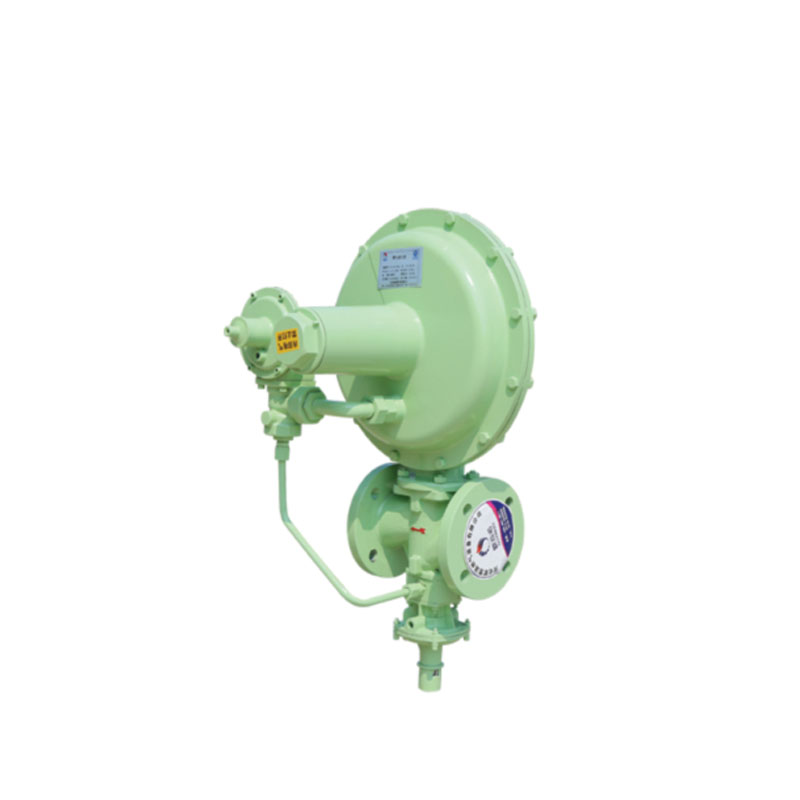
These specifications highlight the valve's capability for precise pressure management, essential for maintaining stable operations in sensitive industrial processes. The robust material selection ensures longevity and resistance to typical pipeline contaminants.
Manufacturing Process of a Natural Gas Pressure Reducing Valve
The production of a high-quality natural gas pressure reducing valve is a meticulous process, demanding precision at every stage to ensure reliability and compliance with international standards. The journey from raw material to a fully functional valve involves several critical steps:
1. Material Selection and Sourcing
- Body & Bonnet: High-grade ductile iron (e.g., GGG40/50, ASTM A536) or carbon steel (e.g., ASTM A216 WCB) is selected for its strength, pressure containment capabilities, and resistance to impact. For corrosive environments, stainless steel grades (e.g., SS316) are utilized.
- Internal Components: Stainless steel (304/316) for trim parts like seats, stems, and cages, ensuring corrosion resistance and longevity. Diaphragms are typically reinforced Nitrile Rubber (NBR) or Viton for chemical compatibility and flexibility.
2. Casting and Forging
The valve body and bonnet undergo either casting or forging, depending on design and required pressure ratings. Casting offers complex shapes and cost-effectiveness, while forging provides superior material strength and integrity for high-pressure applications. Advanced techniques ensure minimal defects and consistent material properties.
Schematic Step: Raw Material -> Melting/Forging -> Mold/Die Forming -> Rough Casting/Forging
3. Precision CNC Machining
After casting or forging, components are subjected to high-precision Computer Numerical Control (CNC) machining. This ensures exact dimensions, tight tolerances, and superior surface finishes critical for sealing performance, smooth operation, and accurate pressure regulation. Critical internal passages, seat areas, and connection points are machined to strict specifications.
Schematic Step: Rough Part -> CNC Turning/Milling -> Grinding/Polishing -> Inspection
4. Assembly and Integration
Skilled technicians meticulously assemble the valve, integrating the body, bonnet, diaphragm, spring, stem, and trim parts. This stage involves careful calibration of spring tension and diaphragm placement, which are vital for the valve's responsiveness and stability in pressure control. For electric or pneumatic variants, actuators and control systems are integrated.
5. Rigorous Testing and Quality Control
Every valve undergoes a series of stringent tests to ensure it meets both internal quality standards and international certifications. This includes:
- Hydrostatic Body Test (ISO 5208, API 598): Verifies the pressure containment integrity of the valve body at pressures significantly higher than the maximum operating pressure.
- Seat Leakage Test (API 598, ANSI/FCI 70-2): Confirms tight shut-off and minimal leakage across the seat, crucial for safety and efficiency.
- Functional Performance Test: Checks the valve's ability to maintain set outlet pressure under varying inlet pressures and flow conditions, ensuring precise regulation. This often involves real-gas simulation for critical applications.
- Cycle Testing: Evaluates the operational life and durability of the valve under repeated cycles of opening and closing.
- Material Traceability: Ensures all materials are traceable to their origin and meet specified metallurgical standards.
Adherence to standards such as ISO 9001 for quality management systems and ANSI/FCI for control valve performance guarantees the product's reliability. The expected service life for our RTZ1 series valves, under proper maintenance and within specified operating parameters, typically exceeds 15-20 years, offering exceptional long-term value.
Target industries benefiting from such manufacturing rigor include petrochemical, oil and gas, metallurgy, power generation, and municipal water supply & drainage systems where energy saving and corrosion resistance are paramount.
Technical Advantages and Performance Benefits
The RTZ1-50/0.4(0.8)E(K)Q series regulating valve stands out due to several key technical advantages that translate directly into significant performance benefits for industrial users:
- Superior Pressure Regulation Accuracy: Engineered with a highly responsive diaphragm and precise spring mechanism, the valve maintains outlet pressure with exceptional stability, often within ±1.0% of the setpoint, even under wide fluctuations in inlet pressure or changes in flow demand. This precision prevents equipment damage and optimizes process efficiency.
- Robust Construction and Material Selection: Utilizing high-grade ductile iron or cast steel bodies, along with stainless steel internal trim and reinforced NBR diaphragms, ensures outstanding corrosion resistance, mechanical strength, and extended service life in harsh natural gas environments. This contributes to lower total cost of ownership.
- High Flow Capacity with Minimized Pressure Drop: Optimized internal flow paths reduce turbulence and pressure drop across the valve, allowing for higher flow rates without compromising regulatory accuracy. This translates to energy saving as less upstream pressure is lost.
- Fast Response and Stability: The design minimizes lag, providing a quick response to upstream or downstream pressure changes, thus preventing undesirable pressure surges or drops that could disrupt operations or trigger safety shutdowns.
- Integrated Safety Features: Many models incorporate built-in relief valves or over-pressure shut-off (OPSO) mechanisms, adding layers of safety by automatically relieving excess pressure or shutting off gas flow in abnormal conditions.
- Ease of Maintenance and Longevity: Designed for straightforward inspection and maintenance, with replaceable wear parts. The robust construction significantly extends the intervals between servicing, reducing downtime and operational expenses.
These attributes make the RTZ1 series an ideal choice for critical applications where consistent performance, safety, and long-term reliability are non-negotiable.
Application Scenarios and Case Studies
The versatility and reliability of the RTZ1-50/0.4(0.8)E(K)Q series make it suitable for a broad spectrum of applications within the natural gas industry and beyond. These scenarios highlight its ability to deliver stable pressure in demanding environments:
- Natural Gas City Gate Stations: Reducing high transmission line pressures (e.g., 4.0 MPa) to intermediate distribution pressures (e.g., 0.4 MPa) for urban networks. The valve's stability ensures consistent supply to subsequent pressure reduction stages.
- Industrial Gas Supply Lines: Providing regulated gas to large industrial consumers such as power plants, steel mills, and chemical factories where precise pressure control is essential for combustion processes, furnace operations, and process heating.
- Commercial Building Gas Supply: Controlling pressure for large commercial complexes, hospitals, and educational institutions, ensuring safe and efficient operation of boilers, water heaters, and HVAC systems.
- Gas Metering & Regulating Skids: Often integrated into compact skids, these valves are critical for ensuring accurate gas measurement and safe delivery to end-users, protecting sensitive metering equipment from over-pressurization.
Application Case Study: Large Scale Industrial Boiler Feed
A major petrochemical complex faced persistent issues with fluctuating gas pressure feeding its industrial boilers, leading to inefficient combustion, increased NOx emissions, and frequent burner shutdowns. Their existing natural gas pressure reducing valve units struggled with varying upstream pressures from the primary transmission line.
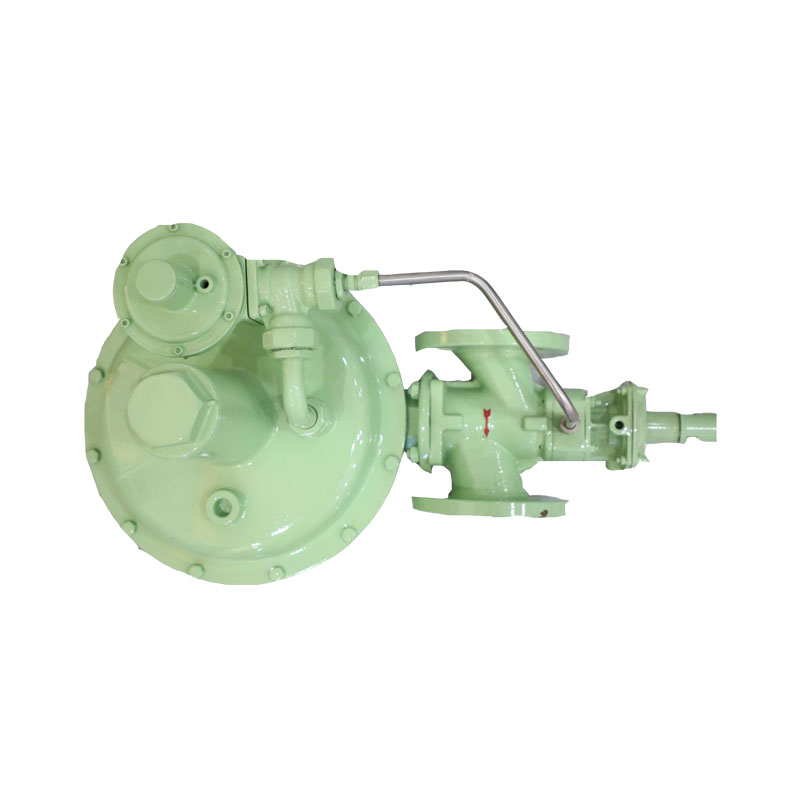
- Challenge: Maintain a stable gas supply at 15 kPa to 5 large industrial boilers, despite inlet pressure variations between 0.2 MPa and 0.4 MPa. Previous valves exhibited ±5% outlet pressure deviation.
- Solution: Installation of two parallel RTZ1-50/0.4(0.8)E(K)Q Series natural gas pressure reducing valves, configured for automatic changeover and load sharing, ensuring redundancy and enhanced capacity.
- Results:
- Achieved consistent outlet pressure within ±0.8% of the setpoint.
- Reduced fuel consumption by an estimated 3.5% due to optimized combustion and minimized system upsets (equivalent to significant annual cost savings).
- Decreased burner shutdowns by 80%, drastically improving operational uptime and productivity.
- Customer feedback indicated "unprecedented stability and reliability," leading to plans for upgrading other pressure stations across their facilities.
This case exemplifies the tangible benefits of investing in high-precision pressure regulation technology, transforming operational challenges into measurable efficiencies and increased safety.
Vendor Comparison and Competitive Edge
In a competitive market, selecting the right vendor for gas pressure regulating valves is critical. While many manufacturers offer pressure reduction solutions, key differentiators set leading suppliers apart. Our RTZ1-50/0.4(0.8)E(K)Q series, and the expertise behind it, provides a distinct advantage:
| Feature | RTZ1-50/0.4(0.8)E(K)Q Series | Generic Competitor (Typical) |
|---|---|---|
| Outlet Pressure Accuracy | ±1.0% (AC1.0) | ±2.5% to ±5.0% (AC2.5-AC5.0) |
| Materials of Construction | Ductile Iron / Cast Steel Body, SS Trim, Reinforced NBR Diaphragm | Cast Iron Body, Brass/Steel Trim, Basic Rubber Diaphragm |
| Response Time | < 2 seconds | Typically 5-10 seconds |
| Service Life Expectancy | 15-20+ years (with proper maintenance) | 5-10 years |
| Integrated Safety Features | Optional OPSO/UPSO, integrated relief valve | Often external add-ons, less integrated |
| Customization Potential | High (materials, control types, accessories) | Limited to standard configurations |
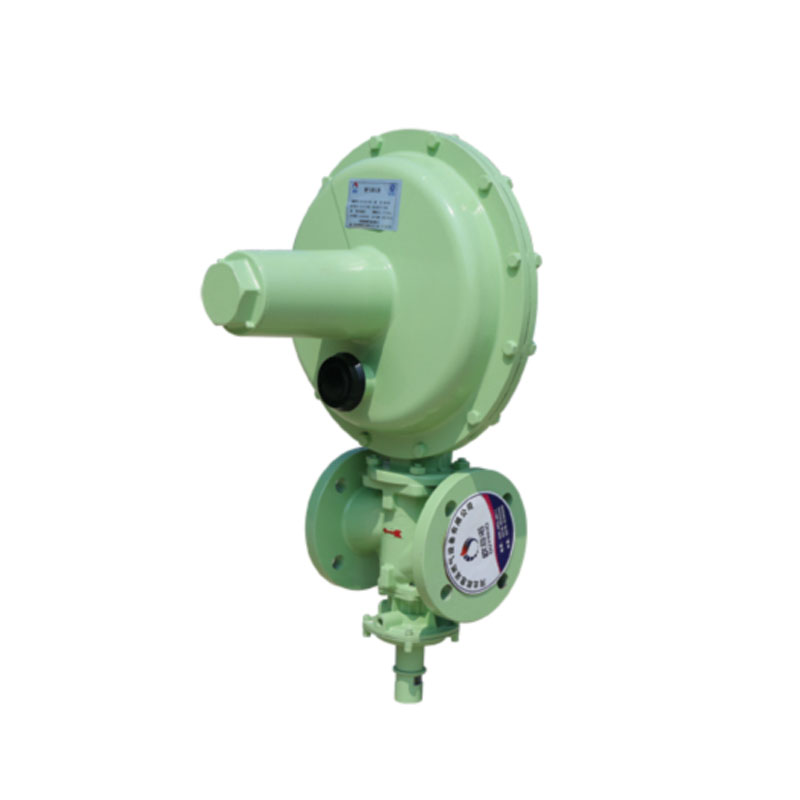
Our competitive edge lies in a combination of superior product engineering, stringent quality control, and a commitment to customer-centric solutions. We focus on delivering not just a component, but a reliable solution that optimizes your operations. This includes comprehensive technical support, application engineering assistance, and a proven track record of performance in demanding industrial settings. We proudly serve a diverse clientele across petrochemical, metallurgical, and power generation sectors, building long-term partnerships based on trust and technological excellence.
Customized Solutions and Advanced Control
Recognizing that no two industrial applications are identical, we offer extensive customization options for our natural gas pressure reducing valve range. This flexibility ensures that our solutions precisely match the unique operational parameters, environmental conditions, and safety requirements of each client.
- Material Adaptation: For sour gas applications (H₂S), we provide special materials like NACE MR0175 compliant alloys. For extremely low or high temperatures, specific elastomers and metal alloys are selected.
- Control Mechanisms: Beyond standard self-operated designs, we integrate advanced control options, including:
- Pilot-Operated Systems: For enhanced accuracy and capacity, pilot-operated regulators offer superior control over a wider range of flows and pressures.
- Electric Regulating Valve Integration: For remote control, automation, and integration with SCADA systems, electric actuators and positioners can be seamlessly incorporated, allowing for digital setpoint changes and real-time feedback.
- Pneumatic Actuation: Offering robust and rapid response for applications where electric power is unavailable or undesirable.
- Ancillary Equipment Integration: We can design and supply complete pressure reducing stations, including filtration systems, safety shut-off valves, relief valves, heaters, and metering equipment, all pre-assembled and tested on skids for ease of installation.
- Specialized Connections: Flange types, pressure ratings, and pipe schedules can be adapted to match existing infrastructure (e.g., ANSI, DIN, JIS).
Our engineering team collaborates closely with clients from initial concept to final commissioning, ensuring that every customized solution is optimized for performance, cost-effectiveness, and long-term reliability.
Commitment to Quality and Trustworthiness ()
Our dedication to excellence is underpinned by a robust framework of certifications, industry partnerships, and a transparent operational philosophy, ensuring every product meets the highest standards of quality and reliability.
- Certifications: Our manufacturing facilities and products adhere to internationally recognized standards, including ISO 9001:2015 for Quality Management Systems, CE marking for European market compliance, and often specific approvals like API 6D or NACE MR0175 for particular applications. These certifications are independently audited and signify our commitment to consistent quality.
- Authoritative References: All design, manufacturing, and testing processes strictly follow relevant industry codes and standards such as ASME B16.34 (Valves—Flanged, Threaded, and Welding End), ANSI/FCI 70-2 (Control Valve Seat Leakage), and ISO 5208 (Industrial valves—Pressure testing of metallic valves). Our compliance ensures interoperability and reliability.
- Test Data and Quality Assurance: Every RTZ1 series valve undergoes 100% functional and leakage testing before shipment, with detailed test reports available upon request. Our in-house testing laboratories are equipped to perform cycle tests, pressure surge tests, and material composition analysis, ensuring that performance parameters are consistently met or exceeded.
- Industry Experience: With over two decades of specialized experience in gas pressure regulation, we have successfully deployed thousands of units in diverse and challenging environments worldwide. Our long-standing relationships with leading energy companies and utilities underscore our proven track record and deep understanding of sector-specific needs.
After-Sales Support & Logistics
- Warranty Commitments: All RTZ1-50/0.4(0.8)E(K)Q series valves come with a standard 12-month warranty from installation or 18 months from shipment, whichever comes first, covering manufacturing defects. Extended warranty options are available.
- Lead Time & Fulfillment: Typical lead times for standard configurations range from 4-6 weeks, with expedited options available for urgent projects. Complex customized solutions may require 8-12 weeks. We ensure secure packaging and offer various shipping options to meet global delivery requirements.
- Customer Support: Our dedicated technical support team provides comprehensive assistance, from pre-sales consultation and application engineering to installation guidance, troubleshooting, and maintenance advice. We maintain an extensive inventory of spare parts to ensure rapid availability and minimize downtime for our clients globally.
We pride ourselves on being more than just a supplier; we are a reliable partner committed to the long-term success and operational efficiency of our clients.
Frequently Asked Questions (FAQ)
Q1: How do I select the correct natural gas pressure reducing valve for my application?
A1: Selection depends on several key parameters: maximum inlet pressure, desired outlet pressure range, maximum and minimum flow rates, operating temperature, gas composition, and required accuracy. Our technical team can assist you in calculating the appropriate valve size and model (e.g., RTZ1-50/0.4(0.8)E(K)Q series) based on your specific system data.
Q2: What is the typical maintenance schedule for these valves?
A2: While the RTZ1 series is designed for minimal maintenance, a general inspection is recommended annually. This includes checking for external leaks, verifying spring settings, and inspecting diaphragm integrity. Full internal inspection and replacement of wear parts (diaphragm, seat, O-rings) are typically recommended every 3-5 years, depending on service conditions and gas cleanliness.
Q3: Can these valves handle dirty gas or gas with particulates?
A3: While our valves are robust, prolonged exposure to dirty gas or significant particulates can impact performance and reduce service life. We strongly recommend installing appropriate filtration upstream of the pressure reducing valve to protect its internal components and ensure optimal operation. Customized materials can be selected for mildly corrosive gases.
Q4: What safety features are integrated into the RTZ1 series?
A4: Depending on the specific model, the RTZ1 series can include integrated over-pressure shut-off (OPSO) and under-pressure shut-off (UPSO) mechanisms, as well as an internal relief valve to vent minor pressure excursions. These features provide multiple layers of protection against hazardous pressure conditions.
Q5: Is customization available for specific pressure or flow requirements?
A5: Absolutely. Our engineering team specializes in tailoring the RTZ1 series to meet unique client needs. This includes adjusting spring ranges for different outlet pressures, selecting specific body and trim materials for unusual gas compositions or temperatures, and integrating various control accessories such as pilot systems or actuators for electric regulating valve functionality.
Conclusion
The modern industrial landscape demands unparalleled precision, reliability, and safety in gas handling, making the natural gas pressure reducing valve a cornerstone of efficient operations. The RTZ1-50/0.4(0.8)E(K)Q Series exemplifies the pinnacle of this technology, offering superior accuracy, robust construction, and adaptable solutions for a wide range of critical applications.
By combining advanced engineering with stringent quality controls and comprehensive after-sales support, we provide not just a product, but a complete solution that enhances operational efficiency, ensures system integrity, and delivers long-term value to our partners across the globe. Investing in high-quality pressure regulation is an investment in safety, sustainability, and sustained productivity.
References
- International Organization for Standardization. ISO 9001:2015 Quality management systems – Requirements.
- American Petroleum Institute. API 598 Valve Inspection and Testing.
- Fluid Controls Institute. ANSI/FCI 70-2 Control Valve Seat Leakage.
- American Society of Mechanical Engineers. ASME B16.34 Valves—Flanged, Threaded, and Welding End.
- National Association of Corrosion Engineers. NACE MR0175/ISO 15156 Petroleum and natural gas industries—Materials for use in H2S-containing environments in oil and gas production.
Latest news
-
Industrial Natural Gas Pressure Reducing Valve Guide and SelectionNewsApr.16,2026
-
Understanding the Industrial Regulating Valve for Fluid ControlNewsApr.09,2026
-
Understanding Gas Pressure Reducer Types Applications and Safety MeasuresNewsApr.07,2026
-
Understanding and Optimizing Gas Pressure Reducing Valve SystemsNewsApr.04,2026
-
Optimizing System Performance with the Right Filter Separator SelectionNewsMar.31,2026
-
Comprehensive Guide to Understanding and Utilizing Pressure Pipe SystemsNewsMar.28,2026