Electric auxiliary heaters represent a crucial component in modern heating solutions, offering a versatile and efficient way to supplement primary heating systems. Their growing importance stems from increasing demands for personalized comfort, energy conservation, and rapid heating capabilities. Globally, the need for localized heating control is rising, driven by factors like climate change, fluctuating energy prices, and evolving building standards. Understanding the nuances of electric auxiliary heater technology is therefore paramount for homeowners, businesses, and industries alike seeking optimized heating performance and cost-effectiveness.
The increasing adoption of renewable energy sources further fuels the demand for electric auxiliary heaters, particularly those designed for compatibility with solar power or other green energy grids. From residential applications to large-scale industrial facilities, these heaters provide a reliable and adaptable heating solution. Addressing the challenges of efficient heating in diverse climates and building types is a key driver of innovation within this field, with ongoing advancements focused on energy efficiency, smart controls, and user-friendly designs.
The ability to quickly and effectively increase temperature in specific zones makes the electric auxiliary heater an indispensable tool for managing energy consumption and optimizing thermal comfort. This adaptability, coupled with advancements in safety features and connectivity, is solidifying their position as a preferred heating option across a wide spectrum of applications.
The Significance of Electric Auxiliary Heater
Electric auxiliary heaters are becoming increasingly vital in a world striving for energy efficiency and personalized comfort. Their ability to provide targeted heating, coupled with advancements in smart home technology, positions them as a key element in modern climate control systems. As energy costs continue to rise and environmental concerns intensify, the demand for supplementary heating solutions that offer both efficiency and convenience will continue to grow.
The versatility of these heaters allows for application in a vast array of environments – from homes and offices to industrial spaces and temporary shelters. They represent a cost-effective solution for augmenting existing heating infrastructure, addressing localized cold spots, or providing heating in areas where central systems are impractical or unavailable.
Defining Electric Auxiliary Heating
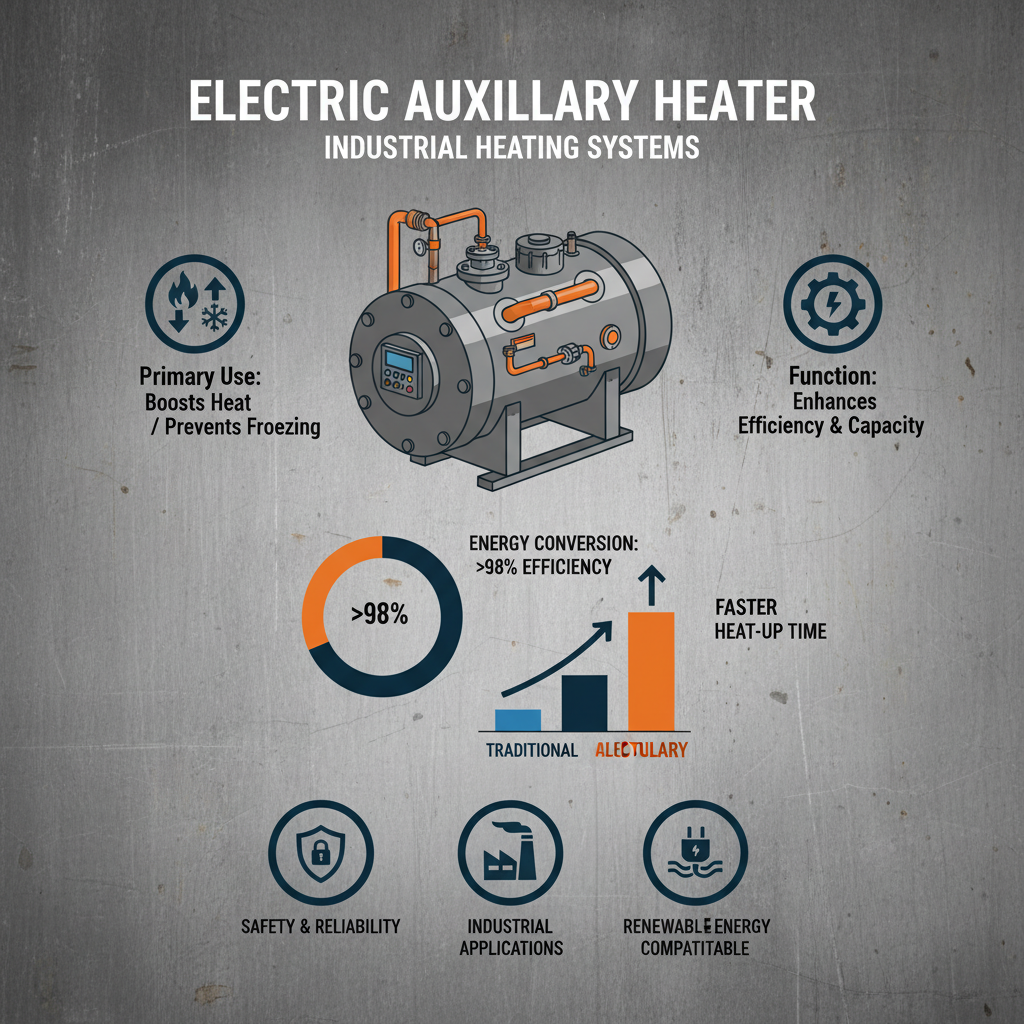
An electric auxiliary heater is a supplemental heating device designed to enhance the performance of a primary heating system or provide localized heating where a central system is insufficient or non-existent. Unlike central heating systems that distribute warmth throughout an entire building, auxiliary heaters focus on warming specific areas, offering a more targeted and energy-efficient approach to climate control. They convert electrical energy into heat, utilizing various technologies such as resistance heating, infrared radiation, or convection.
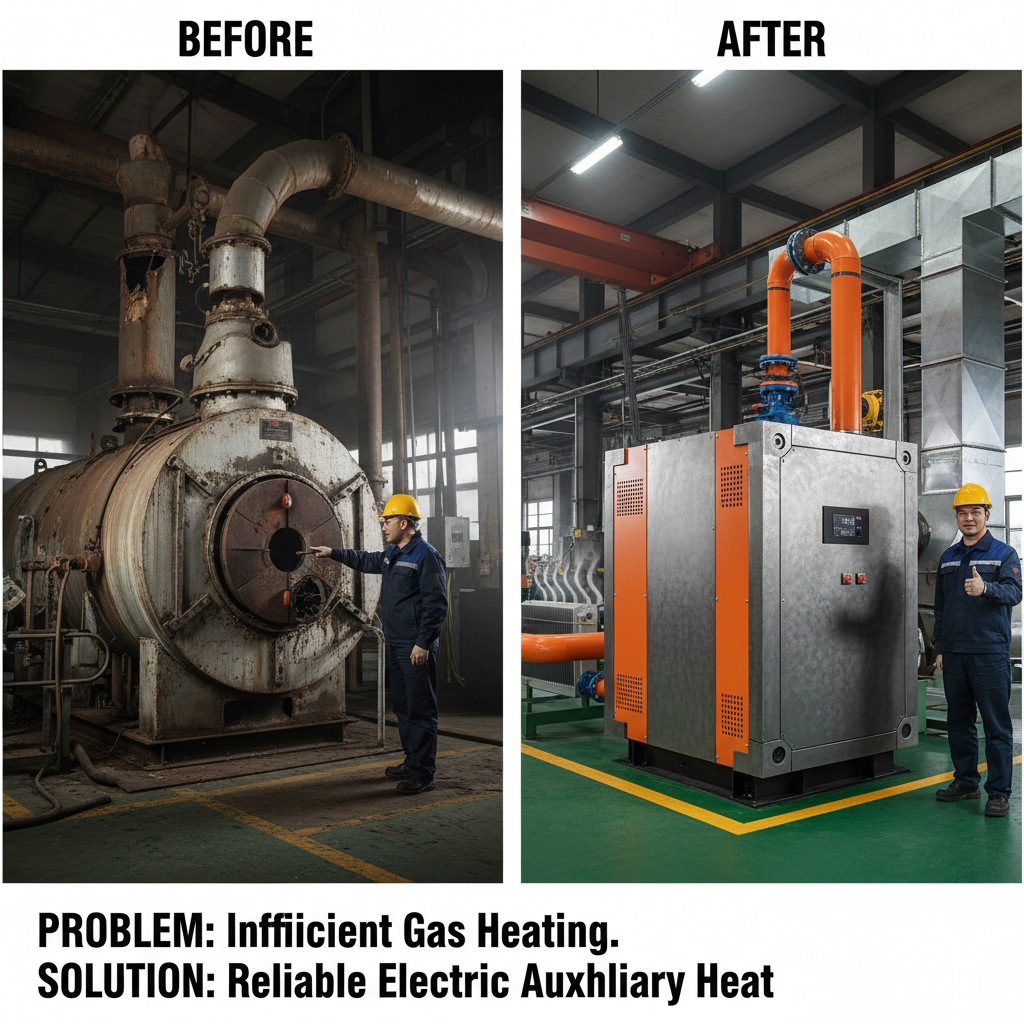
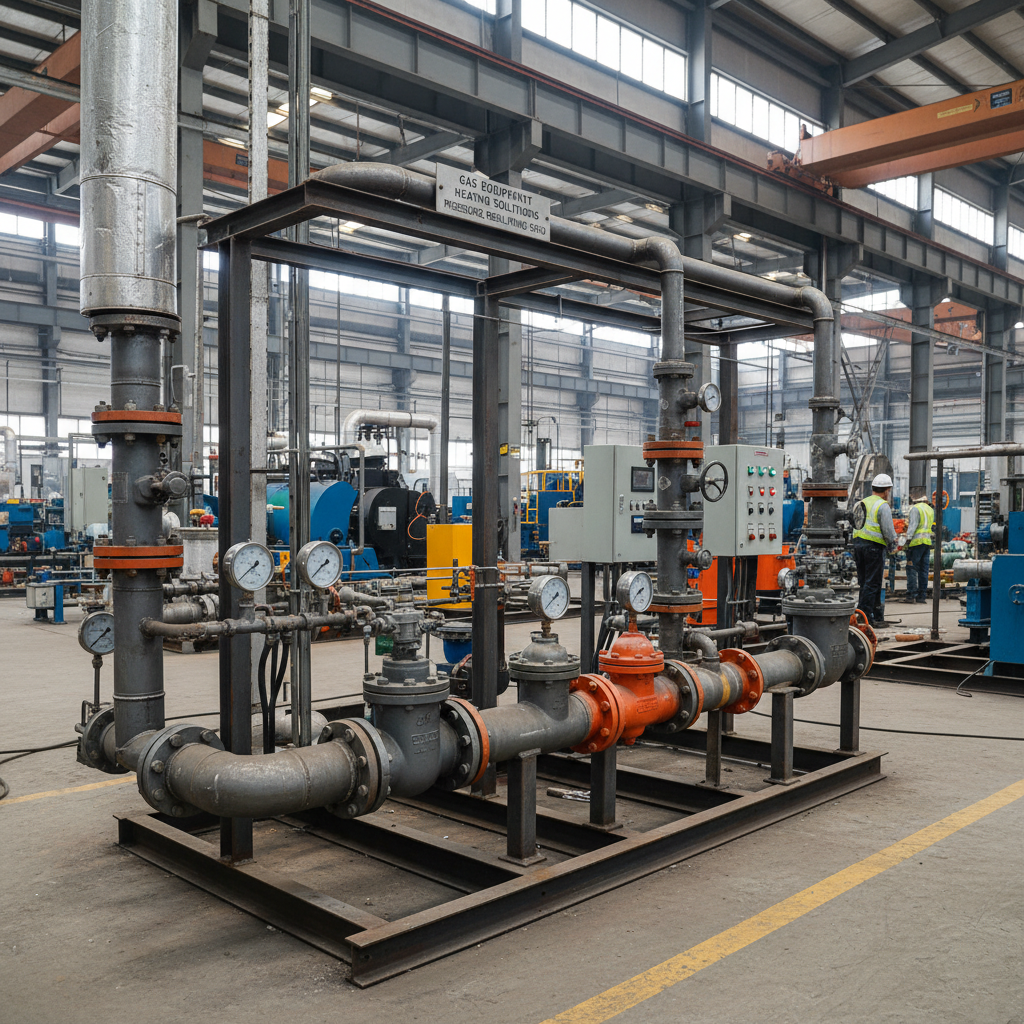
The connection to modern industry lies in their adaptability to diverse operational requirements. Factories, warehouses, and workshops often utilize electric auxiliary heaters to maintain comfortable working conditions in specific zones, improving productivity and employee wellbeing. The ability to quickly and precisely control temperature is critical in many industrial processes, making these heaters an invaluable asset.
In humanitarian contexts, electric auxiliary heaters are often deployed in emergency shelters and temporary housing, providing vital warmth and comfort to displaced populations. Their portability and ease of installation make them ideal for rapid deployment in disaster relief situations, offering a crucial element of support and dignity to those in need.
Core Characteristics of Electric Auxiliary Heaters
Electric auxiliary heaters are characterized by their rapid heating capabilities, offering immediate warmth upon activation. This contrasts with slower-warming systems like traditional furnaces or heat pumps. They are also relatively compact and portable, allowing for easy installation and relocation as needed. Many models feature adjustable thermostats and safety mechanisms, enhancing user control and peace of mind.
Another defining characteristic is their ease of use and minimal maintenance requirements. Unlike fuel-based heating systems, electric auxiliary heaters do not necessitate fuel storage, chimney cleaning, or complex ventilation systems. This simplicity translates into lower operational costs and reduced environmental impact. They are often designed with user-friendly controls and intuitive interfaces, making them accessible to a wide range of users.
Finally, the efficiency of electric auxiliary heaters can be remarkably high, particularly when considering their ability to deliver heat precisely where it is needed. While the overall cost of electricity may vary, the focused heating approach minimizes wasted energy and lowers overall heating expenses in targeted applications. Modern units also incorporate features such as timers and smart controls to further optimize energy usage.
Key Factors Influencing Performance
Several factors significantly impact the performance of an electric auxiliary heater. The heating element type – whether it’s resistance, ceramic, or infrared – determines the speed and efficiency of heat production. The wattage rating dictates the heating capacity and energy consumption. A higher wattage provides faster heating but also increases electricity usage. Proper sizing is essential; a heater that is too small won’t adequately warm the space, while one that is too large will waste energy.
Insulation levels in the space being heated also play a crucial role. Poorly insulated areas will require more energy to maintain a comfortable temperature, diminishing the effectiveness of even the most powerful heater. Airflow patterns and the presence of drafts can also impact performance, causing uneven heating and increased energy loss.
Performance Comparison of Electric Auxiliary Heater Types
Global Applications and Deployment
Electric auxiliary heaters are deployed globally across a diverse range of applications. In colder climates, they provide supplemental heating in homes and businesses, reducing reliance on central heating systems and lowering energy bills. In regions with mild winters, they offer a cost-effective alternative to full-scale heating solutions, providing warmth only when and where it’s needed.
In post-disaster relief operations, portable electric auxiliary heaters are frequently used to provide immediate warmth to affected populations in emergency shelters and temporary housing. Their ease of transport and installation make them ideal for rapidly establishing comfortable living conditions in challenging environments. They are also crucial in remote industrial zones, providing targeted heating for workspaces and equipment, ensuring operational efficiency even in harsh weather conditions.
Advantages and Long-Term Value Proposition
The advantages of utilizing electric auxiliary heaters are multifaceted. Tangible benefits include reduced energy costs through targeted heating, minimized maintenance requirements compared to fuel-based systems, and increased safety due to the absence of combustion. From a sustainability perspective, the use of electric heaters can be optimized with renewable energy sources, reducing carbon emissions and promoting environmental responsibility.
Beyond the practical benefits, there's a significant emotional and logical value proposition. The ability to personalize comfort and create localized warmth enhances well-being and productivity. The reliability and user-friendliness of modern electric auxiliary heaters instill trust and confidence. They represent an innovative approach to heating that prioritizes both efficiency and user experience.
The long-term value stems from their durability, adaptability, and potential for integration with smart home systems. Investing in a high-quality electric auxiliary heater is a proactive step towards a more sustainable and comfortable future.
Future Trends and Innovations in Electric Auxiliary Heating
The future of electric auxiliary heating is intertwined with advancements in smart technology, energy efficiency, and sustainable materials. We can anticipate increased integration with smart home ecosystems, allowing for remote control, automated scheduling, and energy monitoring. The development of more efficient heating elements, such as graphene-based heaters, promises to further reduce energy consumption and enhance performance.
A key trend is the convergence of electric heating with renewable energy sources. Heaters designed to operate seamlessly with solar power or other green energy grids will become increasingly prevalent, further minimizing environmental impact. The rise of personalized thermal comfort will also drive innovation, with heaters capable of learning user preferences and adapting heating patterns accordingly.
Digital transformation and automation will play a key role, with self-diagnosing heaters and predictive maintenance features becoming commonplace. These advancements will not only enhance performance and reliability but also contribute to a more sustainable and user-centric heating experience.
FAQS
Energy efficiency ratings vary significantly depending on the heater type and technology. Resistance heaters generally have an efficiency of around 95-100%, meaning nearly all electrical energy is converted to heat. However, their overall energy usage can be higher than other types. Ceramic and infrared heaters are also highly efficient, but factors like insulation and room size affect real-world performance. Look for models with features like thermostats and timers to maximize energy savings.
Generally, yes, provided they are used correctly and feature appropriate safety mechanisms. Modern electric auxiliary heaters are equipped with overheat protection, tip-over switches, and cool-touch housings to minimize risks. However, it’s crucial to ensure adequate ventilation, especially when using heaters in small or poorly ventilated spaces. Always follow the manufacturer’s instructions and avoid placing flammable materials near the heater.
The appropriate wattage depends on the size of the room and the level of insulation. As a general guideline, you need around 10 watts of heating power per square foot. For example, a 100 square foot room would require a 1000-watt heater. However, rooms with poor insulation or high ceilings may require higher wattage. It's also better to slightly overestimate wattage rather than underestimate to ensure adequate heating capacity.
While it's technically possible, using extension cords with electric auxiliary heaters is generally discouraged. Heaters draw a significant amount of power, and extension cords can overheat if they are not properly rated for the wattage. If an extension cord is absolutely necessary, it must be a heavy-duty cord with a gauge (AWG) appropriate for the heater's wattage, and it should be used only as a temporary solution. Direct connection to a wall outlet is always preferred.
The lifespan of an electric auxiliary heater varies depending on the quality of construction, frequency of use, and maintenance. With proper care, a well-built heater can last for 5 to 10 years or even longer. Regular cleaning, avoiding overloading, and following the manufacturer's instructions can significantly extend its lifespan. Investing in a reputable brand known for durability is also a smart long-term strategy.
Yes, many utility companies and government agencies offer incentives and rebates for purchasing energy-efficient appliances, including electric heaters. These programs aim to encourage consumers to adopt energy-saving technologies. Check with your local utility provider and relevant government websites to explore available options. Look for models with Energy Star certification, as they often qualify for rebates.
Conclusion
Electric auxiliary heaters have emerged as a versatile and essential component of modern heating solutions. Their adaptability, energy efficiency, and ease of use make them a valuable asset in a wide range of applications, from residential comfort to industrial operations and emergency relief efforts. As technology continues to advance and sustainability concerns grow, the role of electric auxiliary heaters will only become more prominent, driven by innovations in smart controls, renewable energy integration, and user-centric design.
Looking ahead, embracing these advancements and investing in high-quality, energy-efficient models will not only enhance thermal comfort but also contribute to a more sustainable and environmentally responsible future. By understanding the core principles of electric auxiliary heating and staying informed about emerging trends, individuals and organizations can make informed decisions that optimize heating performance, reduce energy costs, and create a more comfortable and efficient environment. Visit our website: www.gasouyinuo.com for more information on our range of electric auxiliary heaters.