0%

Table of Contents

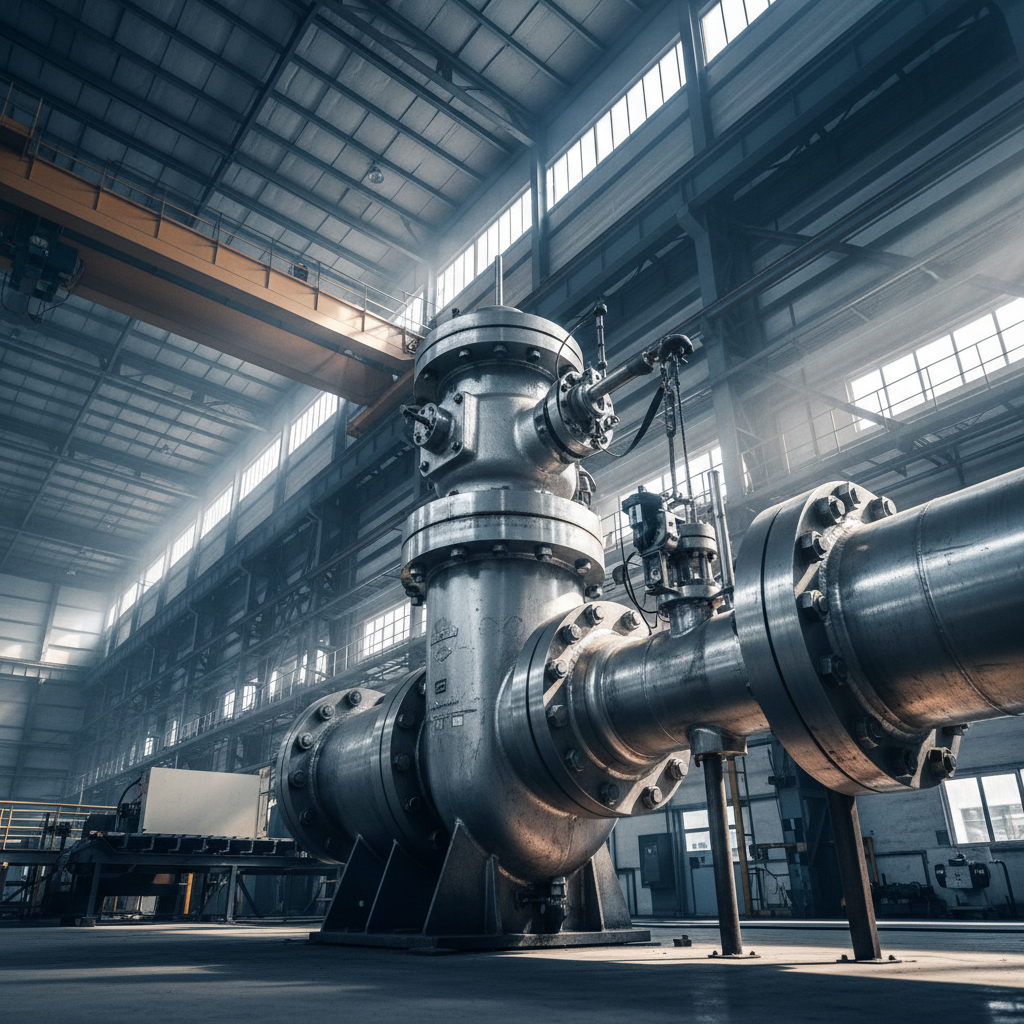
Gasification equipment represents a pivotal technology in addressing global energy demands and waste management challenges. The ability to convert a wide range of carbonaceous feedstocks – from biomass and waste plastics to coal and petroleum coke – into syngas, a versatile building block for fuels, chemicals, and power, is increasingly crucial in a world striving for sustainability. This process offers a pathway towards resource recovery, reducing landfill burdens, and creating cleaner energy sources.

The growing emphasis on circular economies and the urgent need to decarbonize industries have propelled gasification equipment into the spotlight. Its potential to unlock value from previously discarded materials and contribute to a lower-carbon future is attracting significant investment and innovation. Understanding the principles, components, and applications of gasification is therefore essential for engineers, policymakers, and businesses alike.

Furthermore, the versatility of gasification allows for tailored solutions to specific regional and industrial needs. From decentralized energy production in rural areas to large-scale chemical production facilities, gasification equipment provides a flexible and adaptable approach to resource utilization and energy generation.
Advancing Sustainable Solutions with Innovative Gasification Equipment

The Significance of Gasification Equipment

Advancing Sustainable Solutions with Innovative Gasification Equipment

The widespread adoption of gasification equipment is being driven by the need to diversify energy sources and mitigate environmental impacts. As traditional fossil fuels face increasing scrutiny, gasification offers a viable alternative for converting abundant and often underutilized resources into valuable energy carriers.

This technology’s relevance is further amplified by the growing volumes of waste generated globally. Gasification provides a sustainable solution for treating waste materials, transforming them into usable energy and reducing the reliance on landfill disposal, thereby lessening harmful emissions and land usage.

Defining Gasification Equipment

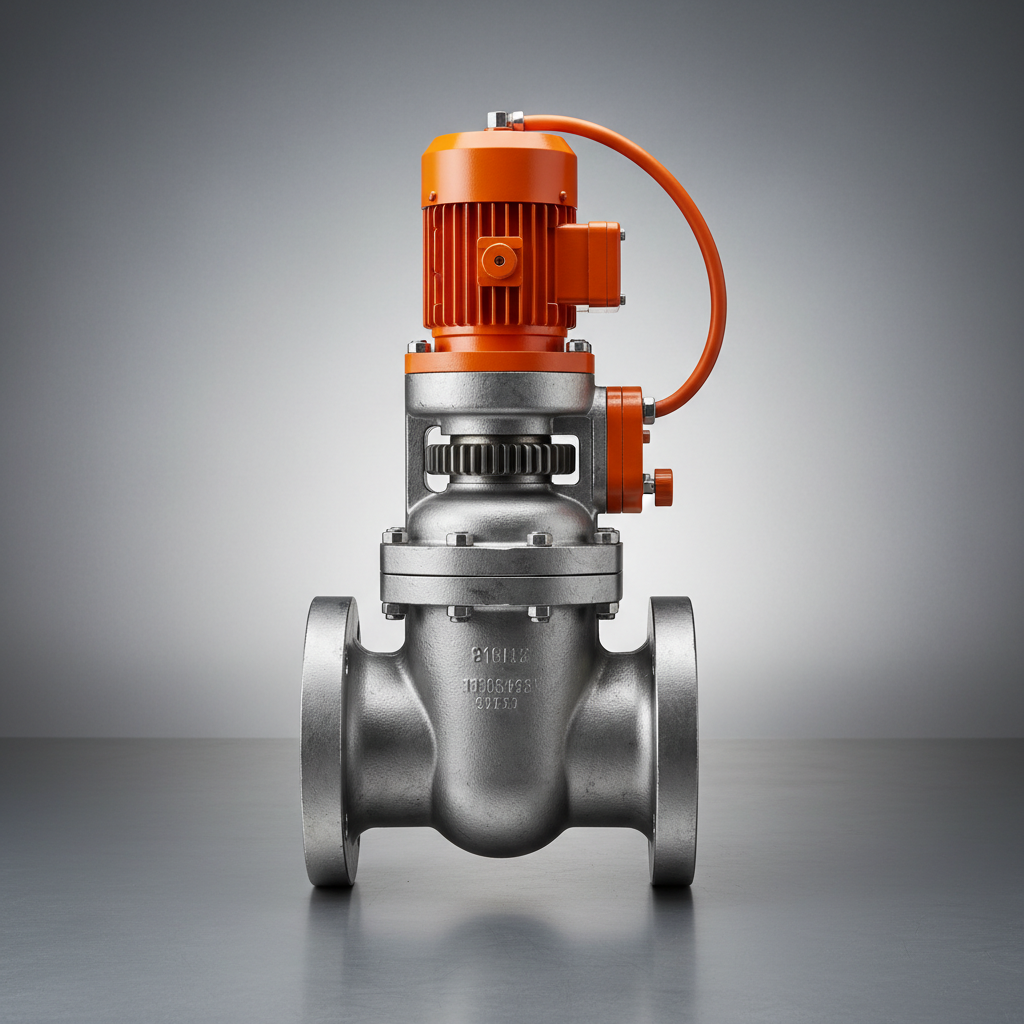
Gasification equipment encompasses a range of technologies designed to convert carbon-containing materials into syngas – a mixture primarily consisting of carbon monoxide and hydrogen. This process occurs in a controlled, oxygen-starved environment at high temperatures, breaking down the feedstock’s complex molecular structure.

Unlike combustion, which fully oxidizes the fuel, gasification offers a more efficient and versatile pathway to energy conversion. Syngas can be directly used for power generation, or further processed into a variety of valuable products, including fuels like methanol and synthetic natural gas, as well as chemical feedstocks.

Crucially, gasification equipment bridges the gap between waste management and resource recovery, playing a critical role in modernizing industrial processes and fostering a circular economy, aligned with pressing humanitarian and environmental needs.

Core Components and Operational Factors

Several key factors influence the efficiency and effectiveness of gasification equipment. These include the feedstock type, gasification agent (air, oxygen, steam, or a combination), reactor design (fixed bed, fluidized bed, entrained flow), and operating temperature and pressure. Optimizing these parameters is vital for maximizing syngas yield and quality.

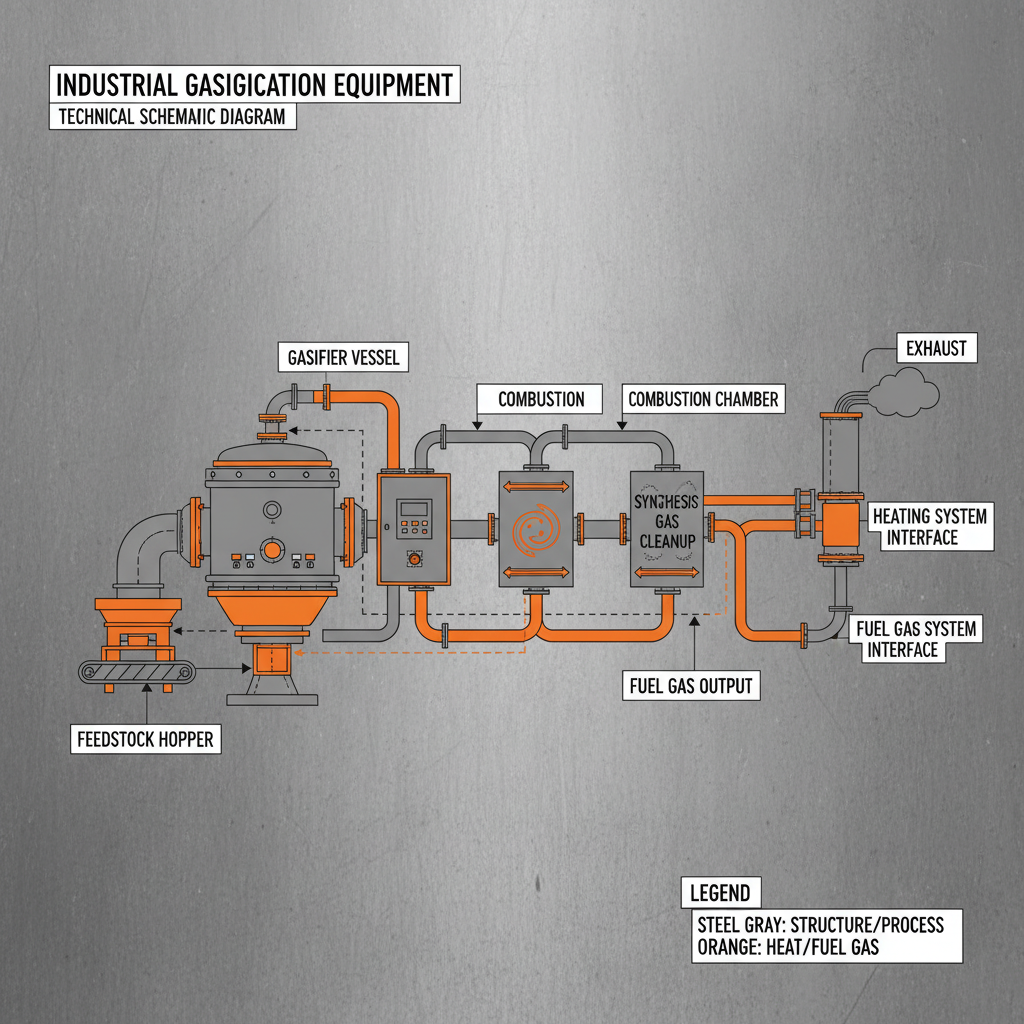
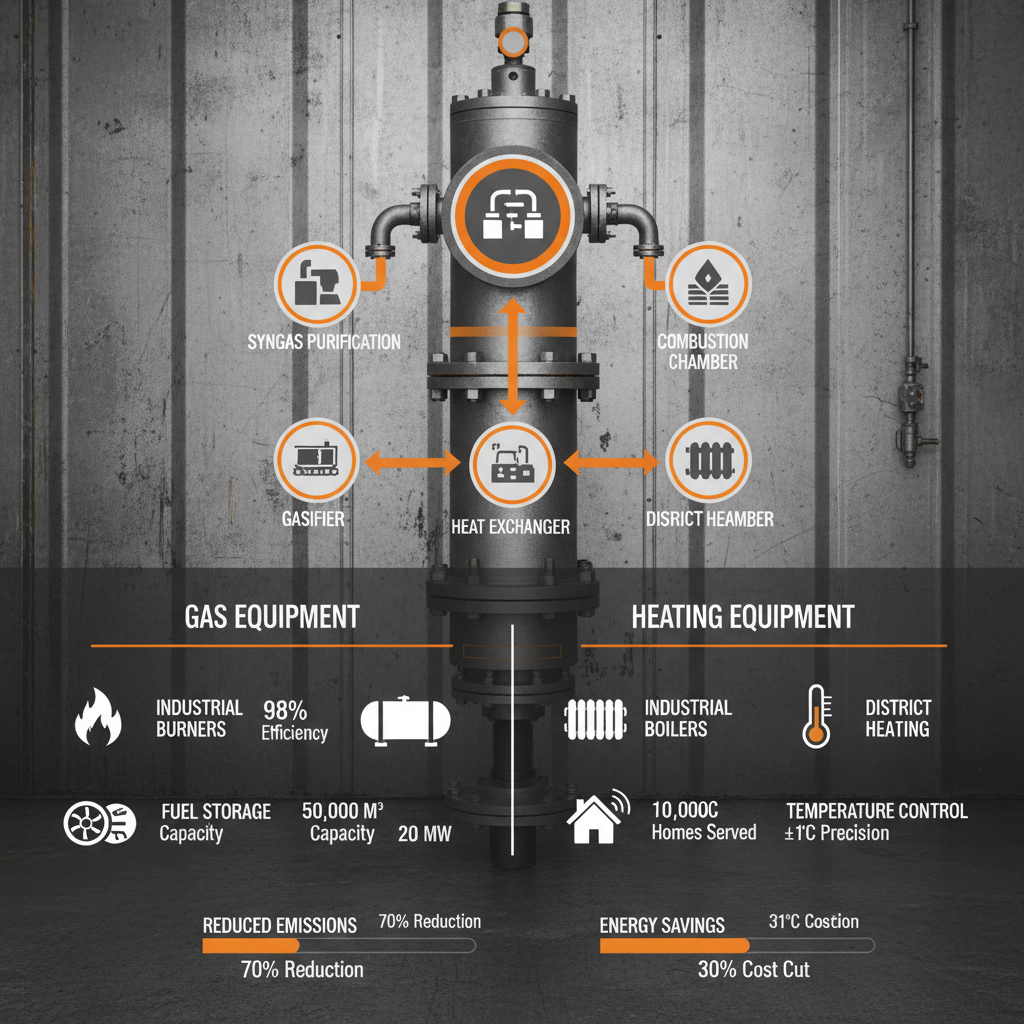
The core components typically include a feedstock handling and preparation system, a gasification reactor, a gas cleaning and conditioning system, and a syngas utilization system. Each component plays a crucial role in the overall process. The feedstock handling system ensures consistent material flow, while the gas cleaning system removes impurities like particulate matter, tars, and sulfur compounds to meet downstream processing requirements.

Durability of reactor materials is paramount, especially when handling corrosive feedstocks. Similarly, scalability is crucial for adapting to various capacities – from small-scale distributed generation to large-scale industrial plants. Cost-efficiency, including both capital expenditure and operational costs, is also a significant consideration in equipment selection.

Key Performance Indicators of Gasification Equipment

Evaluating gasification equipment requires a careful assessment of several key performance indicators. These metrics provide insights into efficiency, reliability, and economic viability. Syngas yield, defined as the amount of syngas produced per unit of feedstock, is a primary indicator of efficiency.

Cold Gas Efficiency (CGE), which accounts for the energy content of the syngas relative to the feedstock’s energy content, provides a comprehensive measure of the gasification process’s overall energy performance. Carbon conversion efficiency is also critical, indicating the percentage of carbon in the feedstock that is converted into syngas.

Gasification Equipment Performance Comparison


Global Applications and Industry Use Cases

Gasification equipment finds diverse applications across various industries. In the energy sector, it's utilized for power generation, combined heat and power (CHP) systems, and the production of renewable fuels like synthetic natural gas (SNG) and biofuels.

In the chemical industry, syngas serves as a building block for producing ammonia, methanol, and other valuable chemical feedstocks. Furthermore, gasification is increasingly employed for waste-to-energy projects, providing a sustainable solution for municipal solid waste (MSW) and industrial waste streams.

Advantages and Long-Term Value Proposition

The benefits of gasification equipment extend beyond energy production and waste management. It offers a pathway toward reduced greenhouse gas emissions by converting waste materials into valuable resources, contributing to a more circular economy. Economically, gasification can reduce reliance on fossil fuel imports and create local economic opportunities.

The reliability of modern gasification systems, coupled with decreasing operational costs, enhances their long-term value proposition. Moreover, the technology promotes energy independence and strengthens resource security, fostering a more sustainable and resilient energy future.

Socially, gasification projects can contribute to improved public health by reducing landfill burdens and air pollution. The innovation inherent in gasification technology fosters a sense of progress and commitment to a cleaner environment, building trust with communities.

Future Trends and Emerging Innovations

The future of gasification equipment is marked by several exciting trends. Advancements in reactor design, such as the development of more efficient and robust fluidized bed and entrained flow reactors, are enhancing process performance. The integration of digital technologies, including advanced process control and machine learning, is optimizing operations and reducing costs.

Research into novel gasification agents, like CO2 and plasma, is expanding the range of feedstocks that can be processed and improving syngas quality. Furthermore, the development of carbon capture and storage (CCS) technologies in conjunction with gasification offers a pathway toward carbon-negative energy production, aligning with global sustainability goals.

The trend towards modular and containerized gasification systems is also gaining momentum, enabling rapid deployment and scalability. This is particularly relevant for decentralized energy solutions and remote industrial applications.

FAQS

What types of waste can be processed by gasification equipment?

Gasification equipment is remarkably versatile and can process a wide range of carbonaceous waste materials, including municipal solid waste (MSW), agricultural residues, forestry waste, biomass, plastics, tires, and even certain industrial byproducts. The key requirement is that the waste contains a significant carbon content suitable for conversion into syngas. Feedstock preparation, such as shredding and drying, may be necessary depending on the waste type and the specific gasification technology employed.

How does gasification compare to incineration in terms of environmental impact?

Gasification generally has a lower environmental impact compared to traditional incineration. Incineration primarily focuses on volume reduction, while gasification aims to convert waste into valuable resources. Gasification produces significantly fewer harmful emissions, such as dioxins and furans, due to the controlled, oxygen-starved environment. Furthermore, the syngas generated can be used to produce cleaner fuels and chemicals, further reducing the overall carbon footprint. However, both processes require robust emission control systems to ensure compliance with environmental regulations.

What are the typical operating costs associated with gasification equipment?

Operating costs for gasification equipment vary significantly depending on factors such as feedstock type, plant size, operational efficiency, and labor costs. Major cost components include feedstock procurement, electricity consumption, maintenance, consumables (e.g., oxygen, chemicals), and waste disposal (for residues). Optimizing feedstock sourcing, implementing efficient process control, and minimizing downtime are crucial for reducing operating expenses. Economies of scale also play a role, with larger plants generally benefiting from lower per-unit operating costs.

What safety measures are in place to prevent explosions or other hazards?

Safety is paramount in the operation of gasification equipment. Robust safety measures are implemented throughout the entire process, including strict control of the gasification environment to prevent oxygen ingress, automatic shutdown systems in case of abnormal conditions, gas leak detection systems, and fire suppression systems. Proper training for operators and adherence to safety protocols are essential. Furthermore, redundant safety features and regular inspections help mitigate risks and ensure safe operation.

How long is the typical lifespan of gasification equipment?

The lifespan of gasification equipment can range from 20 to 30 years, depending on the quality of the equipment, the operating conditions, and the maintenance schedule. Regular maintenance, including inspections, repairs, and component replacements, is crucial for maximizing equipment longevity. Using durable materials and implementing corrosion prevention measures can also extend the lifespan. Advancements in materials science and reactor design are leading to more robust and long-lasting gasification systems.

What regulatory approvals are needed for operating gasification equipment?

The regulatory approvals required for operating gasification equipment vary depending on the location and the specific application. Typically, permits are required from environmental agencies for air emissions, wastewater discharge, and solid waste management. Local zoning regulations and building codes may also apply. Compliance with industry standards, such as those established by the American Society of Mechanical Engineers (ASME), is often necessary. A thorough understanding of the regulatory landscape is essential before commencing gasification operations.

Conclusion

Gasification equipment represents a transformative technology with the potential to address critical global challenges related to energy security, waste management, and environmental sustainability. Its ability to convert diverse feedstocks into valuable fuels and chemicals, coupled with its environmental benefits, positions it as a cornerstone of a circular economy. By embracing innovation and optimizing operational efficiency, we can unlock the full potential of gasification.

Looking ahead, continued research and development will drive further advancements in gasification technology, leading to more efficient, cost-effective, and environmentally friendly systems. Increased investment in gasification infrastructure and supportive policy frameworks are essential for accelerating its widespread adoption and realizing its long-term benefits for society.
Kevin Zhang

Kevin Zhang

Kevin Zhang is a Sales & Application Engineer at Hebei Ouyinuo Gas Equipment Co., Ltd., with a strong technical background. He is the primary point of contact for several key clients, including Sinopec and China Res Gas. Kevin’s role involves understanding customer needs and tailoring Ouyinuo’s solutions to specific operational
Previous Industrial Gas Heating Solutions
Next Optimizing Comfort and Efficiency with Electric Auxiliary Heater Technology