The reliable operation of industrial processes, safety protocols in residential gas systems, and even the efficiency of portable camping stoves all hinge on one crucial component: the gas pressure regulator. This device, often unseen, plays a vital role in maintaining consistent and safe gas flow, adapting to varying pressures from supply sources to ensure optimal performance of connected appliances. Understanding gas pressure regulators is therefore essential for engineers, technicians, consumers, and anyone involved in the handling and use of gaseous fuels.
Globally, the demand for efficient and safe gas distribution is steadily increasing, driven by a growing population and expanding industrialization. According to the International Energy Agency (IEA), natural gas accounts for roughly 24% of global energy supply, with projected growth in developing economies. This growth directly correlates with the need for reliable gas pressure regulation. ISO standards, such as ISO 10500, dictate stringent requirements for gas pressure regulator design and performance, highlighting the importance of quality and safety in this sector.
The challenge lies in effectively managing fluctuating gas supply pressures while delivering a stable, controlled flow to end-use equipment. Faulty or improperly adjusted gas pressure regulators can lead to inefficient combustion, safety hazards like gas leaks, and even equipment damage. Ensuring widespread understanding and proper implementation of gas pressure regulation technology is paramount for both economic and societal well-being.
Defining Gas Pressure Regulation
A gas pressure regulator is a valve that automatically reduces a high inlet gas pressure to a lower, more consistent outlet pressure. This is critical because gas sources, like pipelines or tanks, often have fluctuating or high pressures unsuitable for direct use by appliances. The regulator ensures a stable gas flow regardless of variations in the input pressure or the demand from the connected equipment.
Its importance extends far beyond convenience. Modern industry heavily relies on precise gas pressure for processes like chemical manufacturing, power generation, and semiconductor fabrication. In humanitarian contexts, reliable gas pressure regulation is vital for providing access to cooking gas, heating, and electricity in emergency situations and developing regions. The ability to control gas pressure safely and efficiently is foundational to modern life.
The Global Importance of Gas Pressure Regulators
The demand for gas pressure regulators is directly linked to global energy consumption and the increasing reliance on natural gas and LPG as cleaner alternatives to other fossil fuels. Emerging economies in Asia and Africa are experiencing rapid urbanization and industrial growth, leading to substantial increases in gas demand. These regions require extensive gas infrastructure, including robust pressure regulation systems to ensure safe and reliable distribution.
Furthermore, stricter environmental regulations are driving the need for more precise and efficient gas control. Minimizing gas leakage, optimizing combustion efficiency, and reducing greenhouse gas emissions are all achievable through the use of high-quality gas pressure regulators. Countries around the world are implementing policies to promote energy efficiency and sustainable practices, further boosting demand for advanced regulation technology.
The growth in renewable gas sources, such as biogas and synthetic natural gas, also creates new opportunities for gas pressure regulator manufacturers. These renewable sources often require specialized regulation solutions to manage variations in gas composition and pressure.
Core Components and Functionality
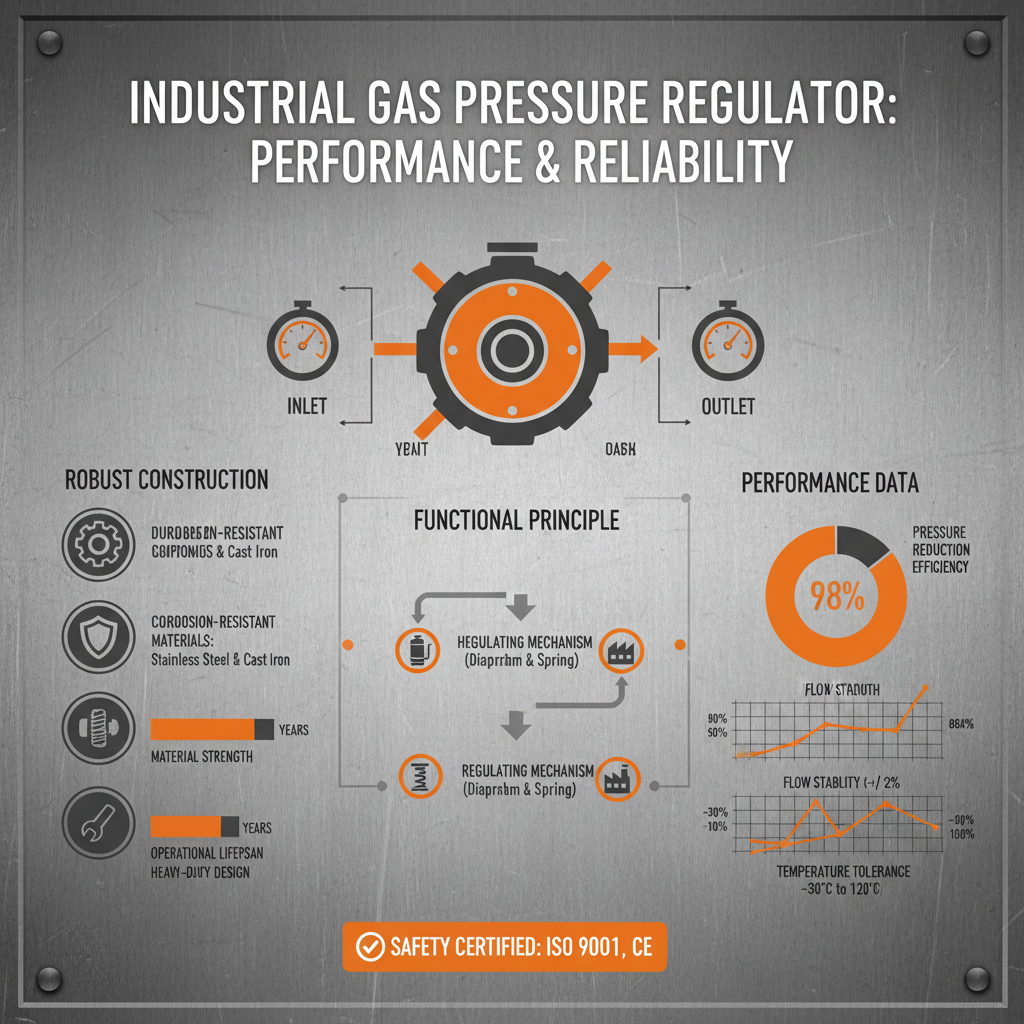
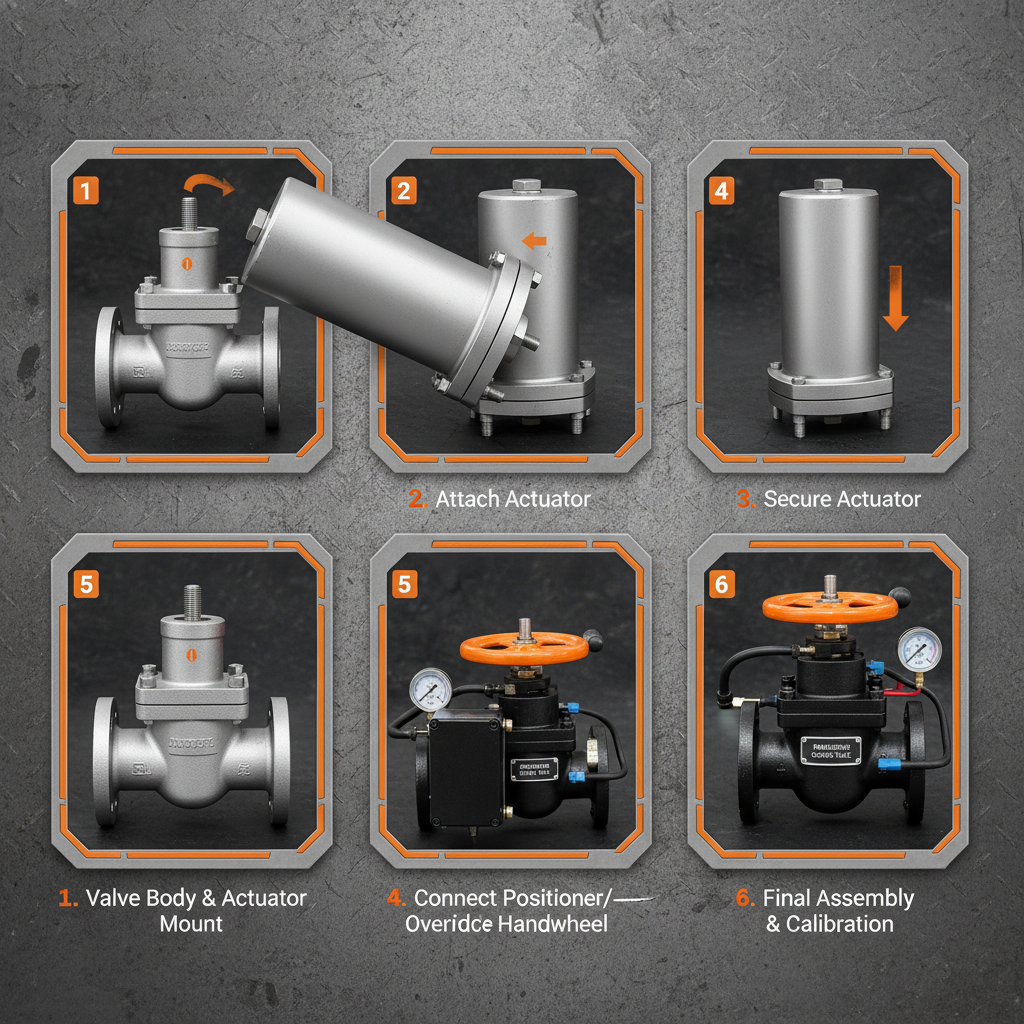
At its core, a gas pressure regulator utilizes a diaphragm, spring, and valve mechanism. The diaphragm senses the outlet pressure, and adjusts the valve opening to maintain the desired setpoint. The spring provides the opposing force, determining the outlet pressure. A vent allows the regulator to respond quickly to changes in pressure. Different regulator types employ variations of this basic principle, optimized for specific applications and gas types.
The selection of materials is also critical. Regulators handling corrosive gases or operating in harsh environments require components made from resistant alloys or polymers. Internal seals must maintain integrity over long periods to prevent leaks. Robust construction ensures durability and prolonged performance even under demanding conditions. Understanding the internal workings of a gas pressure regulator is crucial for selecting the appropriate model for a given application.
Modern gas pressure regulators often incorporate features such as safety relief valves, which automatically vent excess pressure to prevent over-pressurization, and integrated filters, which remove particulates from the gas stream. These features enhance safety and prolong the lifespan of downstream equipment.
Key Performance Factors in Gas Pressure Regulators
Several key factors determine the performance and suitability of a gas pressure regulator. Accuracy, or the ability to maintain the desired outlet pressure within a specified tolerance, is paramount. Regulators should exhibit minimal creep – gradual drift in outlet pressure over time. Response time, the speed at which the regulator adjusts to changes in demand, is also important, especially in applications with fluctuating loads.
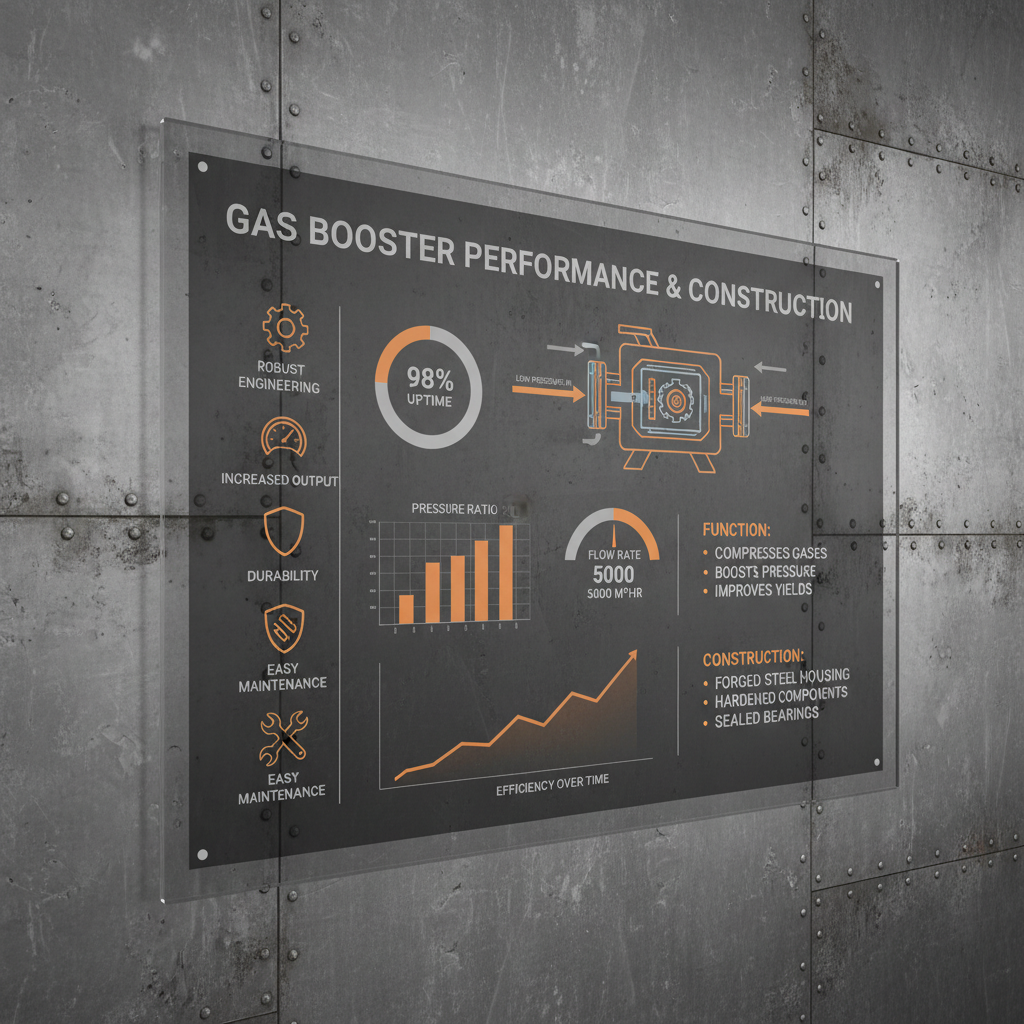
Flow capacity, the maximum flow rate the regulator can handle without significant pressure drop, must be carefully matched to the application’s requirements. Durability and reliability are essential, ensuring long-term operation with minimal maintenance. The regulator's capacity to handle varying inlet pressures is also important to consider.
Gas Pressure Regulator Performance Comparison
Real-World Applications of Gas Pressure Regulators
Gas pressure regulators are ubiquitous across a wide range of industries and applications. In residential settings, they are integral to natural gas furnaces, water heaters, and cooktops, ensuring safe and efficient appliance operation. In the industrial sector, they are essential for controlling gas flow in chemical plants, refineries, and power generation facilities.
The oil and gas industry relies heavily on gas pressure regulators for pipeline pressure reduction, wellhead control, and gas processing. In remote industrial zones, robust regulators are critical for maintaining consistent gas supply to off-grid operations. In post-disaster relief operations, portable gas pressure regulators can provide access to cooking gas and heating for displaced populations.
Advantages and Long-Term Value Proposition
Investing in high-quality gas pressure regulators offers substantial long-term benefits. Reduced gas waste and optimized combustion efficiency translate into significant cost savings. Enhanced safety features minimize the risk of leaks and accidents, protecting lives and property. Durable construction and minimal maintenance requirements contribute to lower lifecycle costs.
From a sustainability perspective, efficient gas pressure regulation reduces greenhouse gas emissions, contributing to a cleaner environment. The reliability of these devices fosters trust and confidence in gas infrastructure, supporting economic development and improved quality of life. A well-maintained gas pressure regulator provides peace of mind and ensures the safe and efficient use of gaseous fuels.
Future Trends and Innovations in Regulation
The future of gas pressure regulation is focused on smart technology and enhanced automation. Digital regulators with integrated sensors and communication capabilities are emerging, allowing for remote monitoring, diagnostics, and control. These “smart” regulators can provide real-time data on gas pressure, flow rate, and regulator performance, enabling proactive maintenance and optimized operation.
The development of new materials, such as advanced polymers and corrosion-resistant alloys, is improving regulator durability and reliability. Research into alternative regulator designs, such as micro-electromechanical systems (MEMS) regulators, promises to deliver smaller, more precise, and more energy-efficient solutions. The integration of gas pressure regulation with the Internet of Things (IoT) is enabling more connected and intelligent gas networks.
Sustainability is driving innovation in materials and manufacturing processes, aiming to reduce the environmental footprint of regulators and promote circular economy principles.
FAQS
The lifespan of a gas pressure regulator varies depending on the application, operating conditions, and maintenance schedule. However, a well-maintained regulator can typically last between 5 and 15 years. Factors like exposure to corrosive environments, high flow rates, and frequent pressure fluctuations can shorten its lifespan. Regular inspections and preventative maintenance are crucial to maximizing regulator longevity.
Common signs of a failing gas pressure regulator include fluctuating gas pressure, inconsistent appliance performance, gas leaks (indicated by smell or sound), and difficulty maintaining the desired setpoint. If you suspect a regulator malfunction, it's essential to immediately shut off the gas supply and contact a qualified technician for inspection and repair.
A single-stage regulator reduces a high inlet pressure to a lower outlet pressure in one step. It's simpler and less expensive, suitable for applications with relatively stable inlet pressure. A two-stage regulator reduces pressure in two stages, providing more stable outlet pressure even with significant fluctuations in inlet pressure. It’s ideal for applications requiring precise pressure control and handling large pressure differentials.
Repairing a gas pressure regulator is generally not recommended for individuals without specialized training and experience. Gas systems are inherently dangerous, and improper repairs can lead to leaks, explosions, and other hazards. It’s crucial to entrust regulator repairs and maintenance to qualified and certified technicians who are familiar with gas safety protocols.
Essential safety features include a relief valve to prevent over-pressurization, a filter to remove debris, and a robust construction designed to withstand harsh conditions. Look for regulators that are certified by recognized safety organizations and comply with relevant industry standards. Regular inspections and maintenance are also critical for ensuring ongoing safety.
Altitude affects gas pressure regulators because atmospheric pressure decreases with increasing altitude. This can impact the regulator’s ability to maintain a consistent outlet pressure. Regulators designed for high-altitude applications often have adjustable compensation mechanisms to account for these changes. It’s essential to select a regulator specifically rated for the intended altitude.
Conclusion
In conclusion, the gas pressure regulator is a critical, yet often overlooked, component in countless applications, from residential heating to large-scale industrial processes. Its primary function—maintaining safe and consistent gas flow—is foundational to modern energy infrastructure and essential for protecting lives and property. Understanding the core principles, key performance factors, and emerging trends in gas pressure regulation is vital for engineers, technicians, and anyone involved in the handling and use of gaseous fuels.
Looking ahead, the integration of smart technology, the development of sustainable materials, and a continued focus on safety and efficiency will drive further innovation in this field. By embracing these advancements, we can ensure the reliable, environmentally responsible, and economically viable delivery of gaseous fuels for generations to come. For high-quality gas pressure regulators and expert solutions, visit our website: www.gasouyinuo.com