Pressure reducers are essential components in a vast array of industrial and domestic applications, playing a critical role in ensuring safe and efficient fluid transfer. From regulating gas supply to homes and businesses, to controlling high-pressure liquids in manufacturing processes, these devices are integral to modern infrastructure. Understanding the principles behind pressure reduction, the different types available, and their proper implementation is crucial for optimizing performance, minimizing risks, and extending the lifespan of associated equipment.
The global demand for reliable pressure regulation is continually increasing, driven by factors such as urbanization, industrial expansion, and a growing focus on safety and energy efficiency. According to data from the International Organization for Standardization (ISO), stringent regulations regarding pressure vessel and piping systems are becoming commonplace, mandating the use of certified and high-quality pressure reducers. This highlights the importance of understanding not just that a pressure reducer is needed, but which type is best suited for a particular application and ensuring it meets the relevant standards.
Pressure reduction technology addresses a core challenge in many systems: matching the supply pressure to the requirements of the downstream components. Without effective pressure regulation, equipment can be damaged, processes can become unstable, and safety hazards can arise. The increasing complexity of modern systems necessitates sophisticated and reliable pressure reducers, making this a field of continuous innovation and improvement.
The Core Principles of Pressure Reduction
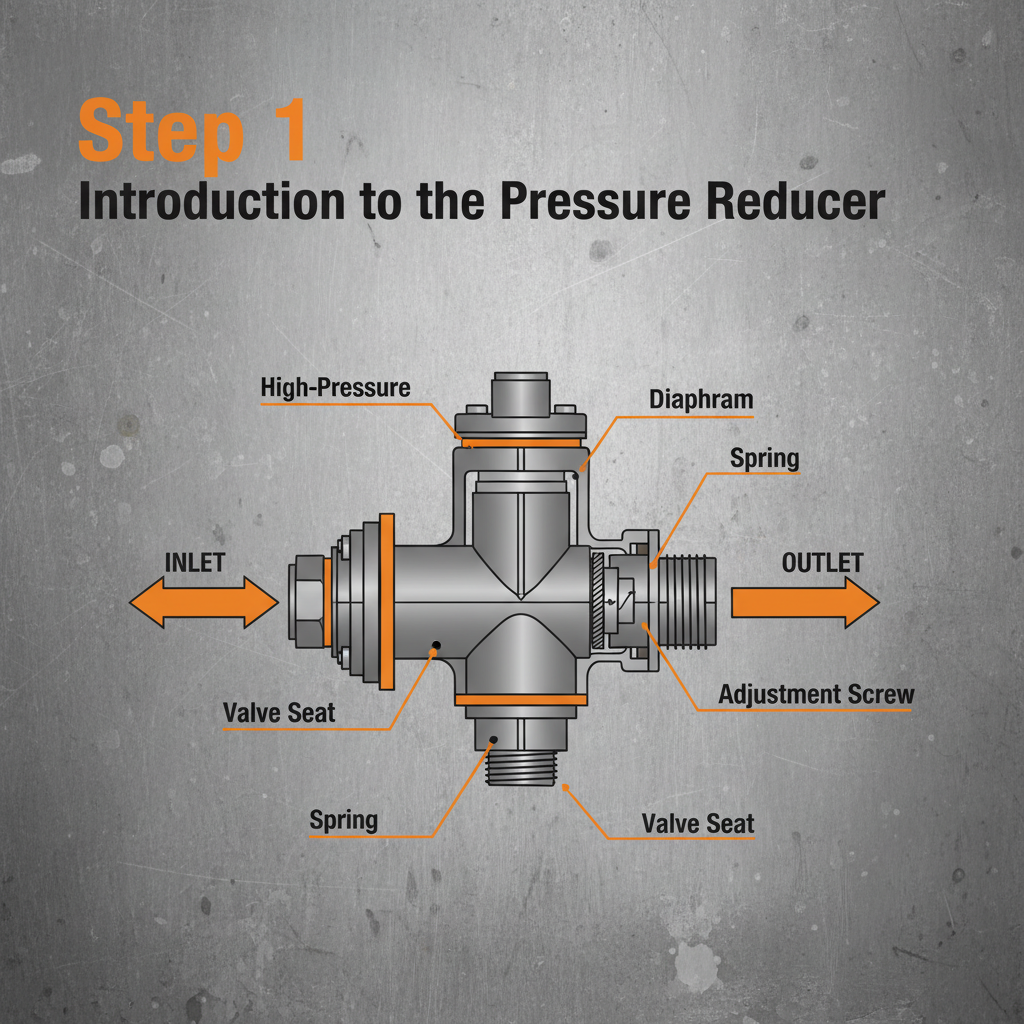
The fundamental principle behind a pressure reducer is the controlled restriction of flow. This is achieved by utilizing a valve that adjusts its opening based on the downstream pressure. When the downstream pressure rises, the valve restricts flow, reducing the pressure. Conversely, when the downstream pressure falls, the valve opens, increasing the flow to maintain the desired setpoint. This feedback loop ensures consistent pressure delivery, protecting sensitive equipment and optimizing processes.
Properly sizing a pressure reducer for a specific application is paramount. An undersized reducer will limit flow, while an oversized reducer may be less responsive and less accurate. Factors such as the inlet pressure, desired outlet pressure, flow rate, and fluid properties must all be considered during the selection process. A qualified engineer should always be consulted to ensure optimal performance and safety.
Defining the Pressure Reducer
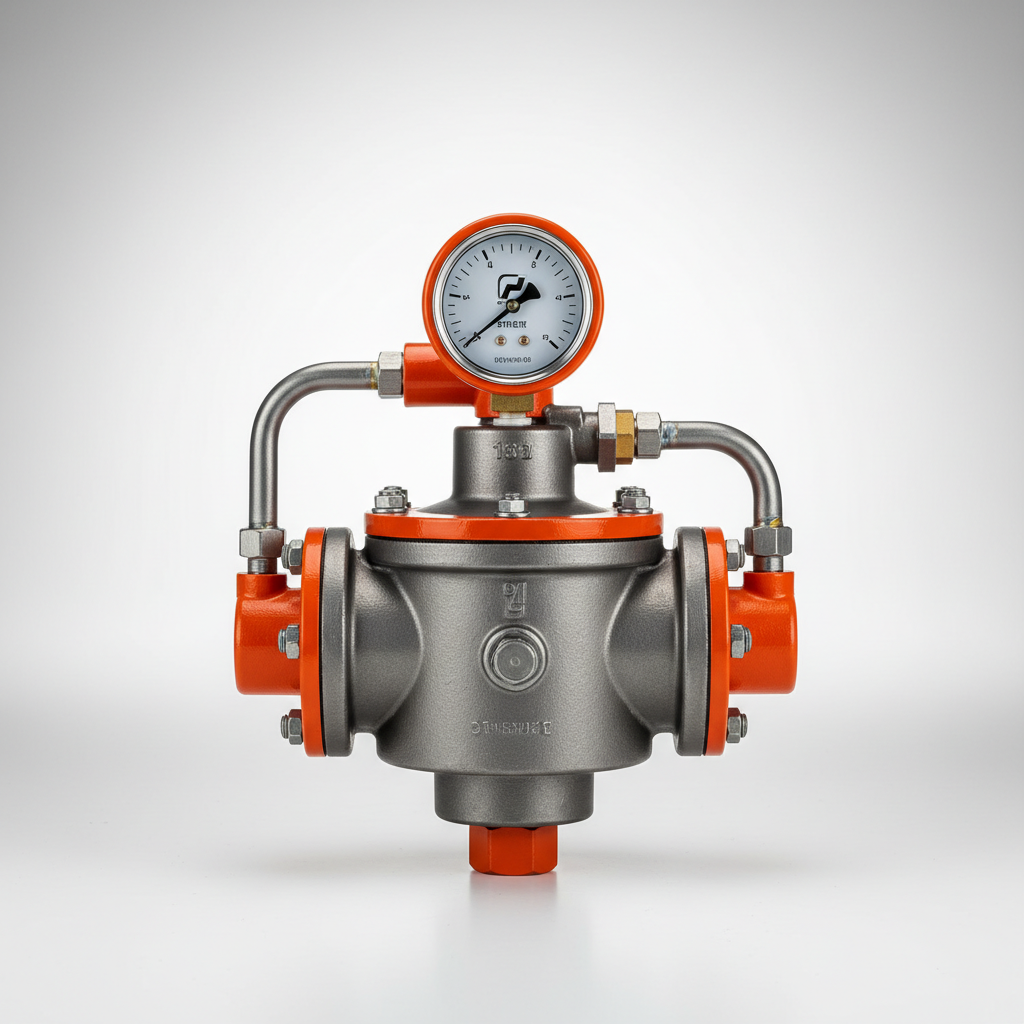
A pressure reducer, also known as a pressure regulating valve (PRV), is a mechanical device designed to automatically reduce a high inlet pressure to a lower, more consistent outlet pressure. It’s a crucial component in systems where a constant and controlled pressure is required, regardless of fluctuations in the supply pressure or downstream demand. The heart of most pressure reducers is a diaphragm, piston, or pilot valve mechanism that senses the outlet pressure and adjusts the valve opening accordingly.
The connection of pressure reducers to modern industry is undeniable. From oil and gas pipelines to water distribution networks, from chemical processing plants to medical gas systems, these devices are fundamental to safe and efficient operation. Humanitarian needs are also addressed; pressure reducer are used in water purification systems in developing countries, ensuring access to clean and safe drinking water.
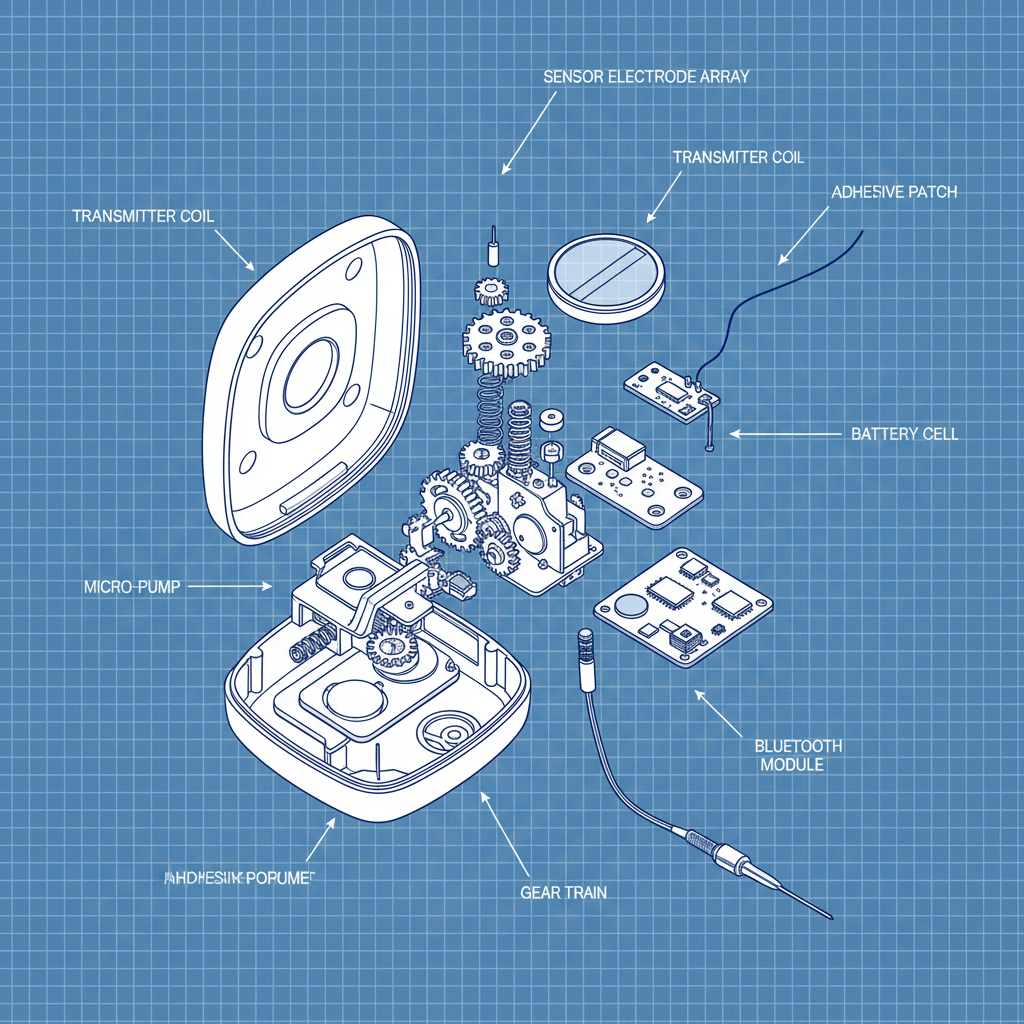
Increasingly, “smart” pressure reducers are being developed, integrating sensors and control systems for remote monitoring and adjustment. These advanced models offer increased precision, data logging capabilities, and predictive maintenance features, further enhancing their value in critical applications.
Key Components and Design Considerations
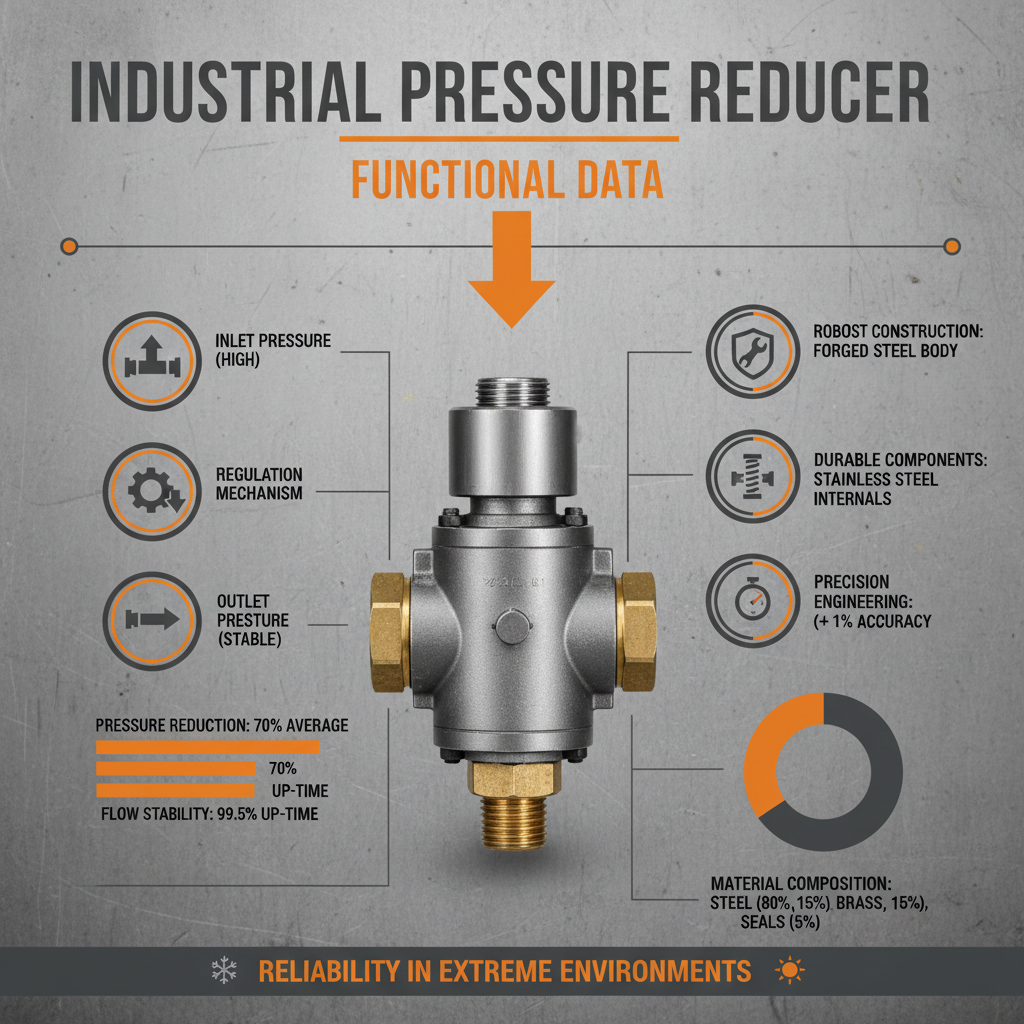
Several key factors contribute to the performance and reliability of a pressure reducer. The body material, often made from stainless steel, brass, or engineered polymers, must be compatible with the fluid being regulated and withstand the operating pressure and temperature. Internal components, such as diaphragms, springs, and seats, are also critical and must be selected for durability and accuracy.
Design considerations include the required flow capacity, pressure range, and the level of accuracy needed. Different types of pressure reducers, such as direct-acting, pilot-operated, and self-operated, are suited for different applications. Direct-acting reducers are simple and cost-effective, while pilot-operated reducers offer higher accuracy and capacity. Understanding these differences is essential for selecting the optimal solution.
Another crucial design aspect is the valve seat design. Different seat geometries, such as cone-shaped, ball-shaped, and flat, offer varying levels of sealing performance and flow characteristics. The choice of seat material also influences the reducer’s ability to handle abrasive fluids or high temperatures.
Durability and Material Science in Pressure Reducers
The longevity and reliability of a pressure reducer are heavily influenced by the materials used in its construction. Selecting materials resistant to corrosion, erosion, and fatigue is paramount, especially in harsh operating environments. Stainless steel alloys, for example, offer excellent corrosion resistance in a wide range of fluids and temperatures. Engineered polymers, such as PTFE (Teflon), provide excellent chemical resistance and low friction.
Material science innovations are continuously improving the performance of pressure reducers. Advances in coating technologies, such as surface hardening and anti-galling coatings, enhance wear resistance and reduce friction. Furthermore, the development of new alloy compositions with improved strength and ductility is extending the service life of critical components.
Durability Ratings of Common Pressure Reducer Materials
Global Applications of Pressure Reducers
Pressure reducers find widespread use across numerous industries and applications. In the oil and gas sector, they are vital for regulating pressure in pipelines, refineries, and drilling operations. In water treatment plants, they ensure consistent water pressure for distribution networks. The chemical industry relies on them for precise control of reactants and products.
In post-disaster relief operations, portable water purification systems utilizing pressure reducer are often deployed to provide clean drinking water to affected communities. In remote industrial zones, they enable the reliable operation of equipment where supply pressure may be variable or unreliable. Furthermore, medical facilities depend on them to safely deliver medical gases, such as oxygen and nitrous oxide, to patients.
Advantages and Long-Term Value Proposition
The advantages of utilizing properly selected and maintained pressure reducers are substantial. Cost savings are achieved through reduced energy consumption, minimized waste, and extended equipment life. Sustainability is improved by optimizing resource utilization and reducing the risk of leaks or failures. Social impact is enhanced by ensuring safe and reliable access to essential resources like water and medical gases.
The long-term value lies in the enhanced reliability and safety of the entire system. A well-functioning pressure reducer minimizes downtime, prevents costly repairs, and protects personnel from potential hazards. The peace of mind that comes with knowing the system is operating within safe parameters is invaluable. The trustworthiness and innovation inherent in quality pressure reduction technology build customer confidence and brand loyalty.
Future Trends and Innovations in Pressure Reduction
The future of pressure reduction technology is poised for significant advancements. The integration of digital sensors and control systems will enable "smart" pressure reducers with remote monitoring, predictive maintenance, and self-tuning capabilities. Materials science innovations, such as the development of self-healing polymers and advanced corrosion-resistant alloys, will extend the lifespan and reliability of these devices.
The drive for greater energy efficiency is also fueling innovation. New designs are being developed to minimize pressure drop and reduce energy losses. The adoption of additive manufacturing (3D printing) will allow for the creation of customized pressure reducers tailored to specific applications, optimizing performance and reducing material waste.
Summary of Pressure Reducer Performance Metrics
| Reducer Type |
Accuracy (Pressure Stability) |
Flow Capacity (L/min) |
Maintenance Frequency (Months) |
| Direct-Acting |
± 5% |
5-50 |
18 |
| Pilot-Operated |
± 1% |
100-500 |
24 |
| Self-Operated |
± 3% |
30-150 |
12 |
| Digital Control |
± 0.5% |
50-600 |
36 |
| High-Pressure |
± 4% |
20-80 |
6 |
| Low-Pressure |
± 6% |
10-40 |
9 |
FAQS
The primary function of a pressure reducer is to automatically lower a higher inlet pressure to a desired, more stable outlet pressure. This ensures consistent downstream pressure, protecting sensitive equipment and optimizing system performance. They act as a critical safety component in many systems, preventing over-pressurization and potential damage. Selecting the correct size and type of pressure reducer is crucial for achieving optimal results and reliability.
Regular inspection and maintenance are essential for ensuring the continued reliability and accuracy of a pressure reducer. The frequency depends on the operating environment and the criticality of the application. Generally, a visual inspection should be conducted monthly, looking for signs of leaks, corrosion, or damage. A complete overhaul, including diaphragm replacement and recalibration, should be performed annually or as recommended by the manufacturer.
Several types of pressure reducers are available, each suited for different applications. Direct-acting reducers are simple and cost-effective, while pilot-operated reducers offer higher accuracy and capacity. Self-operated reducers combine features of both. Digital pressure reducers incorporate sensors and controllers for precise adjustment and monitoring. The choice depends on factors such as required accuracy, flow rate, and pressure range.
Common materials used in pressure reducer construction include stainless steel, brass, aluminum, and engineered polymers. Stainless steel is favored for its corrosion resistance, while brass offers good machinability and cost-effectiveness. Aluminum is lightweight but may not be suitable for highly corrosive environments. Polymers like PTFE provide excellent chemical resistance. Material selection depends on the fluid being regulated and the operating conditions.
Proper sizing requires careful consideration of several factors, including the inlet pressure, desired outlet pressure, flow rate, and fluid properties. An undersized reducer will restrict flow, while an oversized reducer may be less responsive. Consulting with a qualified engineer or using manufacturer-provided sizing charts is highly recommended to ensure optimal performance and prevent system inefficiencies.
A faulty pressure reducer can lead to a range of problems, including inaccurate pressure control, equipment damage, process instability, and even safety hazards. Over-pressurization can cause leaks, rupture components, and potentially injure personnel. Under-pressurization can disrupt processes and reduce efficiency. Regular inspection and maintenance are crucial for preventing these consequences.
Conclusion
In conclusion, pressure reducers are indispensable components in modern industrial and domestic systems, providing essential pressure regulation for safe, efficient, and reliable operation. Understanding the underlying principles, key components, and diverse applications of these devices is crucial for engineers, technicians, and anyone involved in fluid handling systems. From ensuring consistent water supply to protecting sensitive industrial equipment, pressure reducers play a vital role in our daily lives.
Looking ahead, continued innovation in materials science, digital control, and manufacturing techniques will further enhance the performance and capabilities of pressure reducers. Embracing these advancements is essential for optimizing system efficiency, reducing costs, and ensuring a sustainable future. For high-quality and reliable pressure reduction solutions, visit our website: www.gasouyinuo.com.