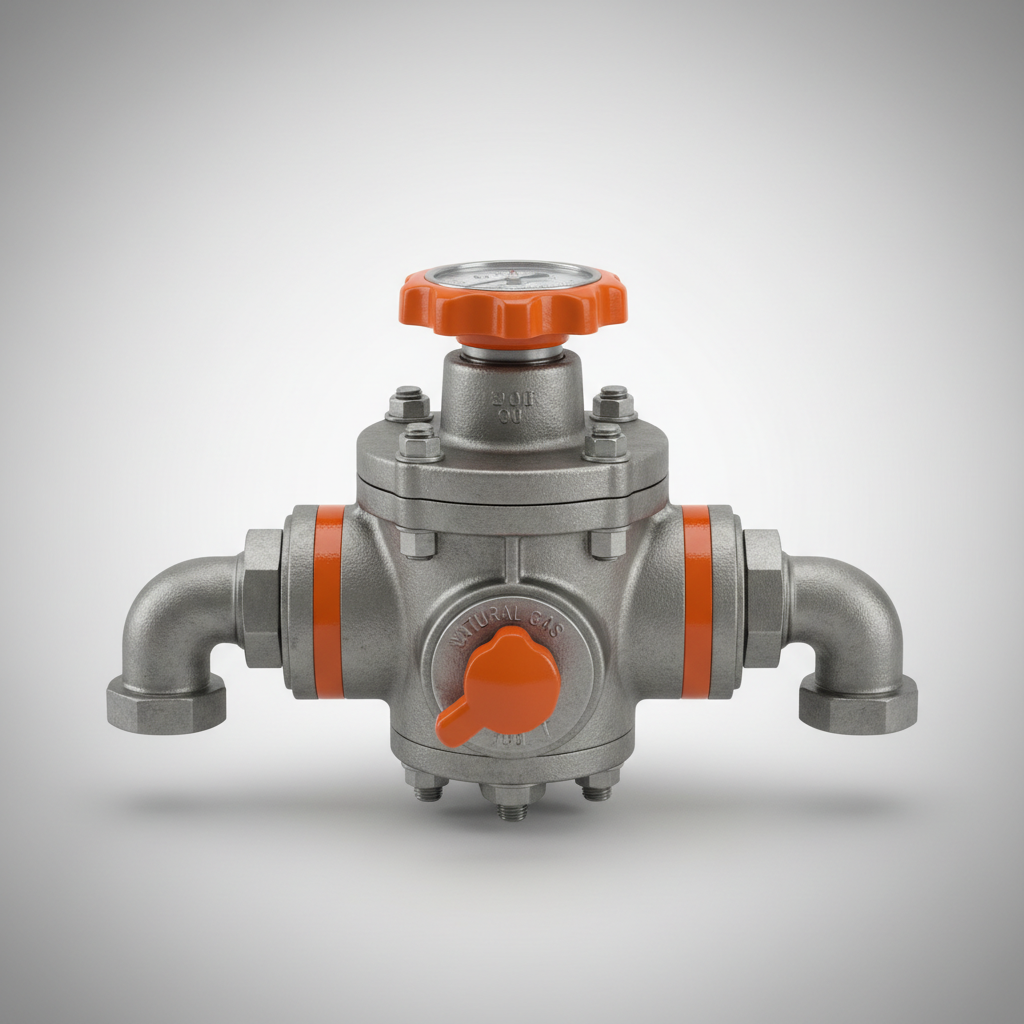
Electric valves represent a crucial component in modern industrial automation and control systems. These valves, unlike traditional manual valves, utilize an electric actuator to control fluid flow, offering increased precision, efficiency, and remote operation capabilities. They’ve become indispensable across diverse sectors, from power generation and water treatment to chemical processing and oil & gas, addressing the growing need for sophisticated process control.
The global market for electric valves is experiencing significant growth, driven by factors such as increasing industrialization, particularly in emerging economies, and the rising demand for automation to optimize processes and reduce operational costs. According to industry reports, the electric valve market is projected to reach substantial figures in the coming years, highlighting its importance in supporting global infrastructure and manufacturing.
The versatility of electric valve technology extends beyond industrial applications. They play a vital role in critical infrastructure such as water distribution networks, ensuring reliable water supply and mitigating water loss. The ability to remotely control and monitor valve operation allows for rapid response to emergencies and efficient management of resources, demonstrating the widespread impact of this technology.
Introduction to Electric Valve Technology
Electric valves are fundamentally about precise control. They transform electrical signals into mechanical motion, enabling accurate regulation of fluid flow – whether that’s water, oil, gas, or other industrial liquids. This contrasts sharply with manual valves, which rely on human intervention and are prone to inconsistencies. The integration of electrical actuation brings a new level of reliability and automation.
The evolution of electric valve technology has been intertwined with advancements in electric motors, control systems, and materials science. Early electric valves were often bulky and less precise, but modern designs leverage sophisticated components and intelligent controls, resulting in valves that are compact, efficient, and capable of operating in demanding environments. The availability of electric valve solutions has expanded significantly.
Defining Electric Valves and Their Significance
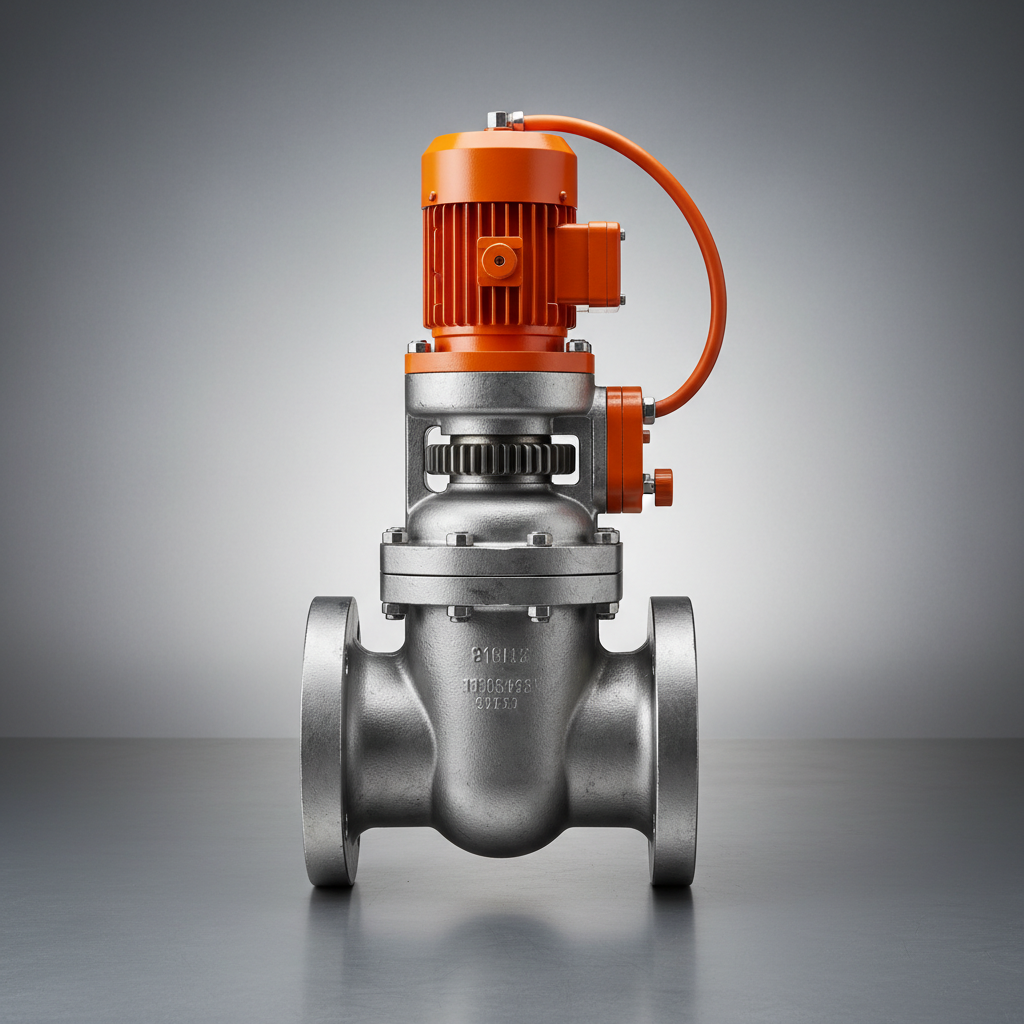
An electric valve is a valve that is operated using an electric actuator. Unlike manual valves that require human intervention, electric valves are controlled by electrical signals, typically from a control system. These signals energize the actuator, which then moves the valve’s internal components (such as a ball, gate, or butterfly) to regulate fluid flow. This automated operation is the core defining characteristic.
The significance of electric valves stems from their ability to enhance process efficiency and safety across various industries. They enable remote operation, reducing the need for personnel to be physically present in hazardous or difficult-to-reach areas. Moreover, the precision offered by electric valve control minimizes waste, optimizes energy consumption, and ensures consistent product quality.
In a world increasingly focused on automation and sustainability, electric valves are a critical enabling technology. Their ability to integrate seamlessly into digital control systems makes them essential for building smart factories, optimizing resource management, and ensuring reliable operation of critical infrastructure.
Core Components and Functionality of Electric Valves
At its core, an electric valve consists of three main components: the valve body, the actuator, and the control system. The valve body houses the internal components that regulate fluid flow, such as the disc, ball, or gate. The actuator converts electrical energy into mechanical motion to operate these components.
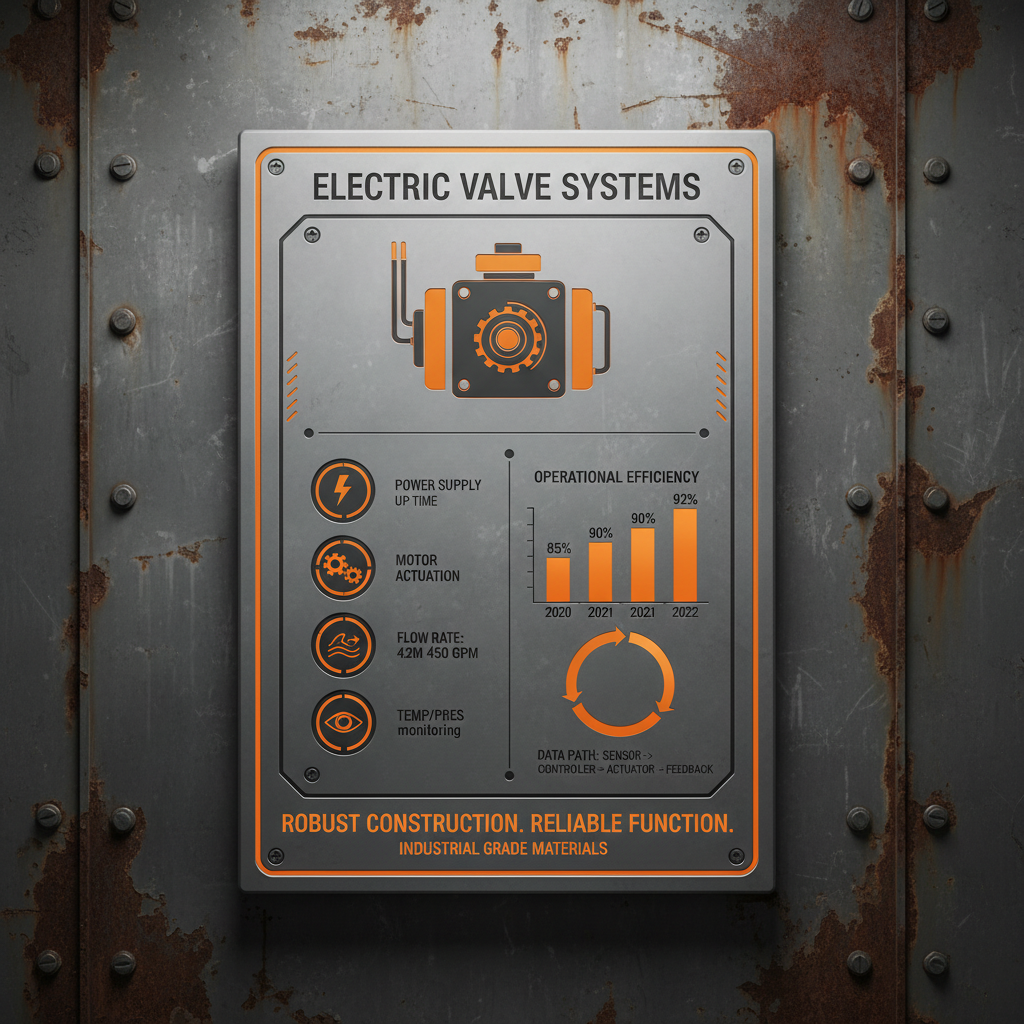
The control system provides the electrical signals that activate the actuator, allowing for remote operation and precise flow control. Modern control systems often incorporate sensors and feedback loops to monitor valve position and flow rate, enabling closed-loop control for enhanced accuracy. The functionality often relies on electric valve components to operate efficiently.
Different types of actuators are used in electric valves, including rotary actuators and linear actuators. Rotary actuators are commonly used in butterfly valves and ball valves, while linear actuators are typically used in globe valves and gate valves. The choice of actuator depends on the specific application requirements and the type of valve being used.
Key Performance Characteristics of Electric Valves
Electric valves are evaluated based on several key performance characteristics. Flow capacity, indicating the volume of fluid that can pass through the valve at a given pressure drop, is crucial for matching the valve to the specific application. Closures tightness, ensuring minimal leakage when the valve is closed, is critical for safety and efficiency.
Response time, the speed at which the valve opens or closes, is vital in applications requiring rapid control. Durability and reliability, reflecting the valve’s ability to withstand harsh operating conditions and maintain consistent performance over time, are fundamental to long-term operational cost savings.
Electric Valve Performance Metrics
Global Applications of Electric Valve Systems
Electric valves find widespread application in water and wastewater treatment plants, controlling the flow of water, chemicals, and other fluids. In the oil and gas industry, they are used for pipeline control, wellhead automation, and refinery operations. Power plants rely on electric valves for steam control, cooling water regulation, and fuel delivery.
Advantages and Long-Term Value of Electric Valves
The advantages of electric valves are multifaceted. Cost savings are realized through reduced maintenance requirements, minimized energy consumption, and optimized process control. Sustainability is enhanced by reducing waste and improving resource efficiency. Reliability, stemming from robust construction and precise control, translates to reduced downtime and increased operational uptime.
Beyond these tangible benefits, electric valves contribute to improved safety by enabling remote operation in hazardous environments and by providing precise control over critical processes. The long-term value lies in their ability to enhance operational efficiency, reduce costs, and contribute to a more sustainable and safe industrial environment. Utilizing high quality electric valve components helps maximize this value.
Future Trends and Innovations in Electric Valve Technology
The future of electric valve technology is being shaped by several key trends. The integration of advanced sensors and IoT connectivity is enabling predictive maintenance, remote diagnostics, and real-time performance monitoring. The development of smart valves, incorporating artificial intelligence and machine learning, is allowing for autonomous operation and optimized control.
Materials science is driving the development of valves that can withstand more extreme temperatures, pressures, and corrosive environments. The adoption of digital twin technology, creating virtual replicas of physical valves, is enabling improved design, testing, and optimization.
Furthermore, the push for green energy solutions is creating demand for electric valves optimized for renewable energy applications, such as geothermal and hydrogen production.
Key Analysis of Future Electric Valve Trends
| Trend Category |
Impact on Performance |
Implementation Challenges |
Projected Adoption Rate (1-10) |
| IoT Integration |
Enhanced monitoring, predictive maintenance |
Data security, network connectivity |
8 |
| Smart Valve AI |
Autonomous operation, optimized control |
Algorithm development, data processing |
7 |
| Advanced Materials |
Increased durability, corrosion resistance |
Material cost, manufacturing complexity |
6 |
| Digital Twin Technology |
Improved design, testing, and optimization |
Model accuracy, data integration |
5 |
| Green Energy Applications |
Support for renewable energy systems |
Specialized valve design, material compatibility |
9 |
| Wireless Communication |
Reduced cabling, increased flexibility |
Signal interference, battery life |
7 |
FAQS
Switching to electric valves provides several key advantages over manual valves, including improved precision and control over fluid flow, enhanced safety through remote operation, increased efficiency due to automation, and reduced labor costs. Electric valves also offer better integration with modern control systems and the potential for data logging and predictive maintenance, leading to long-term operational savings.
Determining the appropriate electric valve requires careful consideration of several factors. These include the type of fluid being controlled, the flow rate and pressure requirements, the operating temperature, and the compatibility of materials. It’s crucial to consult with a valve specialist or engineer to ensure proper sizing and selection, preventing potential performance issues or failures.
Electric valves typically require minimal maintenance, but regular inspections are essential. These inspections should include checking for leaks, verifying actuator operation, and lubricating moving parts. The frequency of maintenance depends on the operating environment and application. Preventative maintenance schedules, based on manufacturer recommendations, are highly recommended to maximize valve life and reliability.
Yes, electric valves can be designed and manufactured to handle corrosive fluids and operate in harsh environments. Selecting valves with appropriate materials of construction, such as stainless steel, PTFE, or other corrosion-resistant alloys, is crucial. Additional features, like protective coatings and sealed actuators, can further enhance durability and prevent damage from extreme temperatures, humidity, or other environmental factors.
Electric valves typically interface with control systems through standard electrical signals, such as 4-20mA, 0-10V, or digital communication protocols like Modbus or Profibus. The control system sends a signal to the valve actuator, which then positions the valve to the desired opening or closing position. Feedback signals from the valve can be sent back to the control system to confirm valve status and flow rate.
While the initial cost of electric valves may be higher than manual valves, the long-term cost savings often outweigh the upfront investment. Electric valves require less labor for operation, reduce energy consumption through precise control, and minimize downtime due to improved reliability. The total cost of ownership, including maintenance, energy usage, and operational efficiency, should be considered when evaluating valve options.
Conclusion
Electric valves represent a pivotal technology in modern process control, offering a compelling combination of precision, reliability, and efficiency. Their versatility enables applications across a diverse range of industries, from water treatment and oil & gas to power generation and manufacturing. The benefits extend beyond operational improvements to include enhanced safety, reduced costs, and increased sustainability.
Looking ahead, the integration of smart technologies, such as IoT connectivity and artificial intelligence, will further elevate the capabilities of electric valves, paving the way for autonomous operation and optimized performance. Embracing these innovations is critical for organizations seeking to enhance their operational efficiency, reduce their environmental footprint, and maintain a competitive edge. To explore our comprehensive range of electric valve solutions and discuss your specific requirements, visit our website today.