


Aug . 29, 2025 01:40
Back to list
Precise Natural Gas Pressure Reducing Valve - Stable & Safe Control
Understanding the Critical Role of Natural Gas Pressure Reducing Valves
In industrial and commercial gas distribution networks, the precise and safe control of gas pressure is paramount. A fundamental component ensuring this control is the natural gas pressure reducing valve. These devices are engineered to automatically reduce a higher inlet pressure to a desired, lower outlet pressure, maintaining it within specified tolerances regardless of variations in upstream pressure or downstream flow demand. This capability is vital for protecting downstream equipment, ensuring operational efficiency, and, most critically, upholding safety standards in gas handling systems. Our focus here delves into the intricate details of such valves, particularly highlighting the RTZ1-50/0.4(0.8)E(K)Q Series Gas Pressure Regulator, a cornerstone in reliable gas pressure management.
The demand for robust and highly reliable pressure regulation solutions has driven significant advancements in valve technology. From large-scale industrial processing plants to urban gas supply networks, the integrity and performance of each natural gas pressure reducing valve directly impact operational continuity and safety. This article will explore the technological landscape, manufacturing excellence, diverse applications, and inherent advantages of modern pressure regulating valves, providing B2B decision-makers with a comprehensive understanding of these essential assets.
Industry Trends and Technological Advancements in Gas Pressure Regulation
The landscape of gas pressure regulation is continuously evolving, driven by stringent safety regulations, the push for greater energy efficiency, and the integration of smart technologies. Key trends influencing the development and deployment of the natural gas pressure reducing valve include:
- Enhanced Safety Features: Modern pressure regulating valves incorporate advanced safety mechanisms such as slam-shut valves for overpressure/underpressure protection, pressure relief valves, and robust fail-safe designs to prevent catastrophic failures.
- Digitalization and IoT Integration: The advent of smart gas grids necessitates regulating valves equipped with sensors for real-time data acquisition, remote monitoring, and control. This enables predictive maintenance, optimized performance, and faster response to anomalies. Many electric regulating valve solutions now integrate seamlessly with SCADA systems.
- Material Science Innovations: Development of advanced materials with superior corrosion resistance, high temperature tolerance, and extended service life is crucial for valves operating in harsh environments, reducing maintenance cycles and total cost of ownership.
- Energy Efficiency and Flow Optimization: Designs focusing on minimizing pressure drop, reducing noise, and improving flow characteristics contribute to overall system efficiency and reduced energy consumption in gas transmission.
- Modularity and Customization: The trend towards modular designs allows for easier maintenance, component replacement, and adaptation to specific application requirements, including specialized gas pressure regulating valve configurations.
These trends collectively aim to deliver more reliable, safer, and cost-effective gas distribution systems, where the pressure regulating valve plays a central, indispensable role.
Manufacturing Process Flow of Natural Gas Pressure Reducing Valves
The production of a high-performance natural gas pressure reducing valve involves a rigorous multi-stage manufacturing process, ensuring precision, durability, and adherence to global safety and quality standards. This intricate process transforms raw materials into sophisticated engineering solutions.
Key Stages in Valve Manufacturing:
-
Material Selection and Sourcing:
High-grade materials are chosen based on the intended operating conditions, including pressure, temperature, and gas composition. Common materials include ductile iron (e.g., GGG40), cast steel (e.g., WCB), and various stainless steels (e.g., 304, 316) for enhanced corrosion resistance. Sealing components often utilize NBR, Viton, or PTFE. Strict material traceability is maintained.
-
Casting/Forging of Body and Components:
Valve bodies, bonnets, and critical internal components are typically produced through sand casting for larger sizes or investment casting for intricate shapes. For high-pressure applications, forging processes are employed to achieve superior mechanical properties and internal integrity, free from porosity.
-
CNC Machining:
Precision CNC (Computer Numerical Control) machining is crucial for achieving tight tolerances on critical dimensions, such as valve seats, stems, and diaphragms. This ensures optimal sealing, smooth operation, and consistent performance characteristics of the regulating valve.
-
Component Treatment and Finishing:
Surfaces are treated to enhance durability, corrosion resistance, and reduce friction. This can include heat treatment, passivation for stainless steels, electro-polishing, or specialized coatings for specific applications. All components are deburred and cleaned thoroughly.
-
Assembly:
Highly skilled technicians assemble the valve in a clean environment. This includes installing diaphragms, springs, valve stems, seats, and actuators. Each step is carefully controlled to ensure correct alignment and torque specifications.
-
Rigorous Testing and Quality Control:
Each natural gas pressure reducing valve undergoes comprehensive testing to verify performance and integrity. This includes hydrostatic pressure tests for body integrity, pneumatic seat leakage tests (to standards like ANSI/FCI 70-2 Class VI), functional tests to verify set pressure accuracy, lock-up pressure, and flow capacity. Cycle testing for extended service life validation is also performed. Compliance with international standards such as ISO 9001 for quality management, API 6D for pipeline valves, and CE marking for European markets is mandatory.
-
Packaging and Dispatch:
Valves are carefully packaged to prevent damage during transit, often with protective caps on flanges and appropriate crating for international shipping.
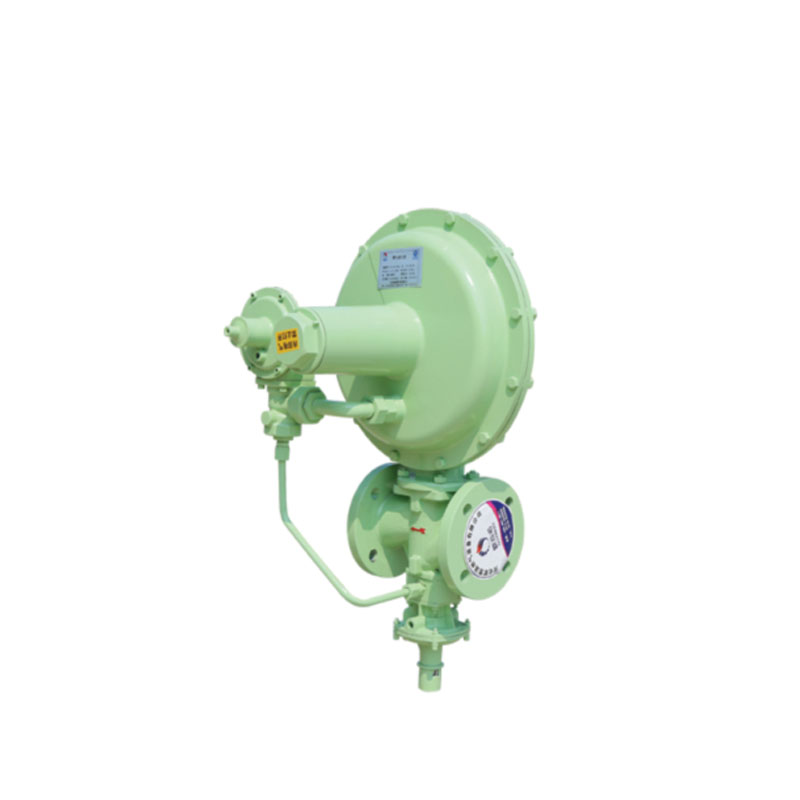
Figure 1: Internal Components of a Natural Gas Pressure Regulating Valve
The typical service life of a well-maintained natural gas pressure reducing valve can exceed 15-20 years, depending on operating conditions and maintenance schedules. These valves find critical applications across target industries such as petrochemical, metallurgy, power generation, and urban gas distribution networks. Advantages include energy saving through optimized pressure delivery, enhanced corrosion resistance through material selection, and precise pressure control for sensitive processes.
Technical Specifications: RTZ1-50/0.4(0.8)E(K)Q Series Gas Pressure Regulator
The RTZ1-50/0.4(0.8)E(K)Q Series represents a highly robust and reliable direct-acting or pilot-operated gas pressure regulating valve designed for demanding natural gas applications. Its sophisticated design ensures stable outlet pressure even with significant fluctuations in inlet pressure or flow rates.
Product Specification Table: RTZ1-50/0.4(0.8)E(K)Q Series
| Parameter | Specification | Description / Notes |
|---|---|---|
| Model Series | RTZ1-50/0.4(0.8)E(K)Q | RTZ1 signifies valve type, 50 is DN, 0.4(0.8) is outlet pressure range. |
| Nominal Diameter (DN) | DN 50 (2 inch) | Standard pipe connection size. |
| Inlet Pressure Range | 0.02 MPa to 4.0 MPa (G) | Wide operational range for varying pipeline conditions. |
| Outlet Pressure Range (0.4) | 0.04 MPa to 0.4 MPa (G) | Adjustable range for specific applications. |
| Outlet Pressure Range (0.8) | 0.1 MPa to 0.8 MPa (G) | Higher pressure set-point option. |
| Accuracy Class (AC) | AC5 (±5%) | Ensures precise control of downstream pressure. |
| Lock-up Pressure Class (SG) | SG10 (10%) | Indicates stability during zero flow conditions. |
| Operating Temperature | -20°C to +60°C | Suitable for various climate conditions. |
| Body Material | Ductile Iron (GGG40), Cast Steel (WCB) | Robust construction for durability. |
| Diaphragm Material | Nitrile Rubber (NBR) | Ensures reliable sealing and flexibility. |
| Connection Type | Flanged (PN1.6, PN2.5, PN4.0) | Standard industrial connection for easy installation. |
| Design Type | Direct-acting / Pilot-operated | Versatility for different control requirements. |
The robust design of the RTZ1 series makes it an exemplary pressure regulating valve for various medium to high-pressure gas distribution and industrial applications. Its ability to maintain a stable downstream pressure, even under fluctuating upstream conditions, is a testament to its advanced engineering.
Diverse Application Scenarios of Natural Gas Pressure Reducing Valves
The versatility and critical function of a natural gas pressure reducing valve position it as an indispensable component across a multitude of industries and applications. Its primary role is to ensure safe, stable, and efficient gas supply to various end-users.
- City Gate Stations (CGS) and District Regulating Stations (DRS): Here, high-pressure transmission lines are reduced to medium or low-pressure for distribution within urban areas. Precision and reliability of the gas pressure regulating valve are paramount for public safety.
- Industrial Gas Consumption: Manufacturing facilities such as steel mills, chemical plants, and power generation units require stable gas pressure for their boilers, furnaces, and other process equipment. A reliable pressure regulating valve prevents damage to sensitive equipment and ensures consistent process output.
- Commercial and Residential Gas Supply: From large apartment complexes to individual homes, these valves reduce main line pressure to a safe, usable level for appliances, ensuring efficient combustion and preventing hazardous overpressure conditions.
- Power Generation Plants: Natural gas-fired power plants use pressure reducing valves to regulate gas supply to turbines and auxiliary burners, critical for stable power generation and operational safety.
- Oil and Gas Processing Facilities: Upstream and midstream operations utilize these valves in various stages of gas processing, separation, and transmission to maintain optimal operating pressures and protect downstream equipment.
- Specialized Energy Applications: Including combined heat and power (CHP) systems, biogas plants, and remote power generation where precise fuel pressure management is essential.
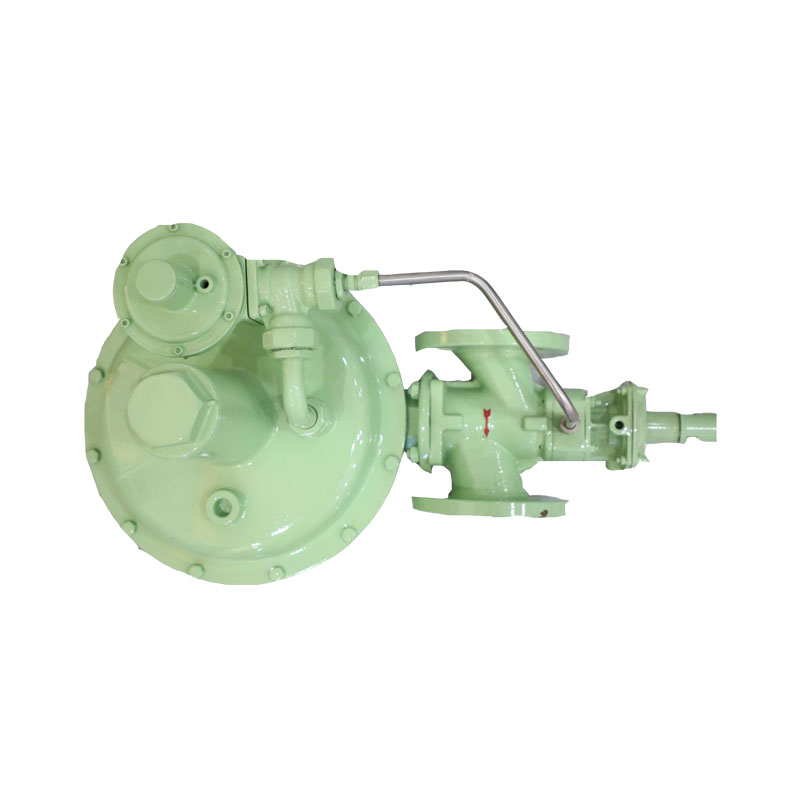
Figure 2: A Natural Gas Pressure Reducing Valve in a Distribution System
In these diverse scenarios, the advantages are clear: enhanced safety through controlled pressure, energy saving by optimizing gas flow and preventing waste, and corrosion resistance ensuring longevity in various environmental conditions. The precise control offered by our regulating valve minimizes system stress and improves overall operational reliability.
Technical Advantages and Performance Excellence
The RTZ1-50/0.4(0.8)E(K)Q series natural gas pressure reducing valve embodies several key technical advantages that set it apart in the market, ensuring superior performance and reliability in critical applications.
- Unmatched Pressure Stability: Utilizing advanced diaphragm and spring mechanisms, or pilot control systems, these valves maintain an extremely stable downstream pressure, even under significant fluctuations in upstream pressure or rapidly changing flow demands. This prevents pressure surges and drops, protecting sensitive equipment.
- High Flow Capacity with Low Pressure Drop: Optimized internal flow paths and trim designs minimize pressure loss across the valve, maximizing gas throughput while maintaining efficient operation. This contributes to energy savings by reducing the work required by compressors upstream.
- Robust Construction and Material Durability: Constructed from high-strength ductile iron or cast steel, with internals designed for longevity and resistance to wear, these valves are built to withstand harsh industrial environments. Corrosion-resistant coatings and sealing materials (NBR, Viton) further extend service life.
- Fail-Safe Design: Engineered with safety in mind, many configurations include slam-shut mechanisms that automatically close the gas supply in the event of overpressure or underpressure, providing critical protection for personnel and assets.
- Ease of Maintenance: Modular design allows for simpler in-line inspection and replacement of key components (e.g., diaphragm, spring, seat), significantly reducing downtime and operational costs.
- Low Noise Operation: Aerodynamically designed flow passages help reduce gas velocity turbulence, minimizing operational noise, which is crucial for urban installations and worker comfort.
These advantages collectively translate into a significantly lower total cost of ownership, enhanced operational safety, and consistent performance, making the RTZ1 series an ideal choice for reliable gas pressure regulation.
Vendor Comparison and Customized Solutions
Choosing the right vendor for your natural gas pressure reducing valve is as crucial as selecting the valve itself. A reputable vendor offers not just products, but also expertise, support, and the ability to provide tailored solutions.
Key Differentiators in Vendor Selection:
- Quality and Reliability: Look for vendors with ISO 9001 certifications and a track record of producing durable, high-performing valves. Our commitment to rigorous testing and quality control ensures every regulating valve meets the highest standards.
- Technical Expertise and R&D: A strong R&D department indicates a commitment to innovation and the ability to address complex engineering challenges. Experienced technical teams can provide invaluable support in system design and troubleshooting.
- Customization Capabilities: Standard valves may not always fit unique operational parameters. Vendors offering customized solutions – whether it’s specific materials, pressure ranges, connection types, or integrated safety features – can provide significant value. For instance, our RTZ1 series can be adapted with different diaphragm materials or pilot systems for specialized gases or conditions.
- After-Sales Support and Service: Comprehensive support, including installation guidance, maintenance training, and readily available spare parts, minimizes downtime and extends the life of your investment.
- Industry Experience and Client Portfolio: Longevity in the market and a robust client base in relevant industries (e.g., petrochemical, power generation) demonstrate proven capability and trust.
Generalized Product Comparison Table (Illustrative)
| Feature / Attribute | RTZ1-50/0.4(0.8)E(K)Q Series | Typical Competitor A | Typical Competitor B |
|---|---|---|---|
| Outlet Pressure Accuracy | AC5 (±5%) | AC10 (±10%) | AC5 (±5%) |
| Lock-up Pressure Stability | SG10 (10%) | SG15 (15%) | SG12 (12%) |
| Inlet Pressure Range | 0.02 - 4.0 MPa | 0.05 - 2.5 MPa | 0.025 - 3.0 MPa |
| Body Material Options | Ductile Iron, Cast Steel | Cast Iron Only | Ductile Iron |
| Integrated Safety Features | Over/Underpressure Slam-Shut Optional | External Safety Valve Only | Basic Relief Valve |
| Customization Potential | High (materials, ranges, pilots) | Limited | Medium |
Our expertise in engineering and manufacturing allows us to offer customized gas pressure regulating valve solutions that precisely match client specifications, ensuring optimal performance and compliance with specific project requirements. We partner with clients to assess their unique challenges and develop bespoke valve configurations.
Application Case Studies and Customer Feedback
Real-world deployments demonstrate the reliability and effectiveness of our natural gas pressure reducing valve solutions. Our extensive experience over years of service has cultivated strong partnerships and consistently positive feedback.
Case Study 1: Large-Scale Industrial Gas Distribution
Client: Major Steel Manufacturing Plant, Southeast Asia
Challenge: The plant required a highly stable and reliable supply of natural gas at a constant pressure of 0.3 MPa for its annealing furnaces, drawing from a fluctuating city gas pipeline at 1.5-2.0 MPa. Existing regulators frequently experienced drift and required excessive maintenance.
Solution: We supplied multiple RTZ1-50/0.4E series gas pressure regulating valve units, equipped with an integrated slam-shut device for enhanced safety. The ductile iron body provided superior durability in the high-temperature environment near the furnaces.
Outcome: Over a 3-year operational period, the RTZ1 regulators demonstrated exceptional pressure stability (maintaining within ±3% of setpoint), significantly reduced unscheduled maintenance by 70%, and eliminated production interruptions due to gas pressure issues. The plant reported improved energy efficiency and enhanced operational safety.
Case Study 2: Urban Gas Grid Modernization
Client: Municipal Gas Utility, European City
Challenge: Modernizing aging district regulating stations (DRS) to improve pressure accuracy, reduce fugitive emissions, and enable remote monitoring for their expanding urban natural gas network.
Solution: We provided RTZ1-50/0.8K series pressure regulating valve units, which are pilot-operated for superior accuracy and equipped for integration with digital pressure transmitters. The compact design facilitated easy replacement in existing infrastructure.
Outcome: The new regulators achieved an accuracy class of AC5, significantly tightening pressure control across the network. The integration capabilities allowed the utility to remotely monitor and adjust pressure setpoints, reducing field visits and improving response times to demand changes. This led to a 15% reduction in unaccounted-for gas and a notable improvement in public confidence in gas supply reliability.
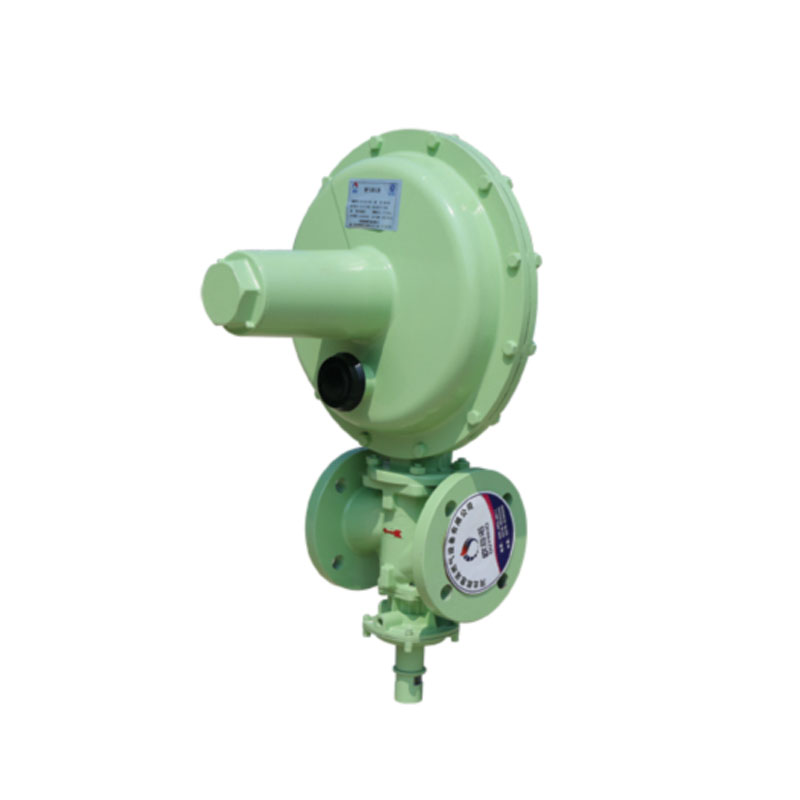
Figure 3: Natural Gas Pressure Reducing Valve in a Compact Installation
These case studies underscore our commitment to providing high-performance regulating valve solutions that deliver tangible benefits in terms of safety, efficiency, and operational costs for our clients across various critical infrastructure sectors.
Trustworthiness and Support: FAQ, Lead Time, Warranty, and After-Sales
Frequently Asked Questions (FAQ)
-
Q: What is the primary function of a natural gas pressure reducing valve?
A: Its main function is to automatically reduce a higher inlet gas pressure to a lower, stable outlet pressure, maintaining it within a specified range regardless of changes in upstream pressure or downstream flow. -
Q: How do I select the correct pressure regulating valve for my application?
A: Selection depends on several factors: maximum/minimum inlet pressure, required outlet pressure range, maximum flow rate, operating temperature, gas type, pipe diameter (DN), and required accuracy. Our technical team can assist with sizing and selection. -
Q: What is the difference between direct-acting and pilot-operated regulators?
A: Direct-acting regulators are simpler and suitable for smaller flow rates and less critical accuracy. Pilot-operated regulators use a smaller, highly accurate pilot valve to control a larger main valve, offering superior accuracy, stability, and higher flow capacity, especially for the natural gas pressure reducing valve in critical applications. -
Q: Can your electric regulating valve models integrate with existing control systems?
A: Yes, our electric/actuated models are designed for seamless integration with SCADA, DCS, and other industrial control systems, offering remote monitoring and control capabilities. -
Q: What maintenance is required for these valves?
A: Regular inspection of diaphragm, seals, and spring for wear, calibration checks, and cleaning of internal components are recommended. Specific maintenance intervals depend on operating conditions and valve type.
Lead Time and Fulfillment
Our standard lead time for the RTZ1-50/0.4(0.8)E(K)Q series natural gas pressure reducing valve ranges from 4-6 weeks, depending on order quantity and specific customization requirements. Expedited options are available for urgent projects upon request. We maintain a robust inventory of critical components to facilitate efficient production and timely delivery.
Warranty Commitments
All our gas pressure regulating valve products, including the RTZ1 series, come with a standard 12-month warranty from the date of installation or 18 months from the date of shipment, whichever comes first. This warranty covers manufacturing defects and material failures under normal operating conditions. Extended warranty options are available.
Customer Support and After-Sales Service
Our commitment extends beyond delivery. We offer comprehensive after-sales support including technical assistance, troubleshooting, spare parts availability, and on-site service where required. Our dedicated team of engineers and service professionals is available to ensure the continuous optimal performance of your regulating valve installations. Contact us via phone or email for immediate support.
Conclusion
The natural gas pressure reducing valve is a foundational element in safe and efficient gas management across diverse industrial and public utility sectors. Through continuous innovation, stringent manufacturing processes, and a commitment to quality, products like the RTZ1-50/0.4(0.8)E(K)Q series stand as testaments to engineering excellence in ensuring reliable gas pressure regulation. Partnering with a knowledgeable and supportive vendor ensures access to not only superior products but also the technical expertise and tailored solutions essential for optimizing complex gas systems.
References:
- American Petroleum Institute (API) Standards. "API Specification 6D: Specification for Pipeline Valves."
- International Organization for Standardization (ISO). "ISO 9001: Quality Management Systems – Requirements."
- Fluid Controls Institute (FCI). "ANSI/FCI 70-2-2006: Control Valve Seat Leakage."
- National Institute of Standards and Technology (NIST). "Measurement of Gas Properties and Flow."
- Journal of Natural Gas Science and Engineering. "Advanced Technologies in Natural Gas Transmission and Distribution."
Latest news
-
Industrial Natural Gas Pressure Reducing Valve Guide and SelectionNewsApr.16,2026
-
Understanding the Industrial Regulating Valve for Fluid ControlNewsApr.09,2026
-
Understanding Gas Pressure Reducer Types Applications and Safety MeasuresNewsApr.07,2026
-
Understanding and Optimizing Gas Pressure Reducing Valve SystemsNewsApr.04,2026
-
Optimizing System Performance with the Right Filter Separator SelectionNewsMar.31,2026
-
Comprehensive Guide to Understanding and Utilizing Pressure Pipe SystemsNewsMar.28,2026