


Sep . 01, 2025 01:40
Back to list
Precision Commercial Regulators for Gas Distribution Safety
The Evolving Landscape of Commercial Pressure Regulation
In industrial and commercial applications, the precise control of gas and fluid pressure is not merely a matter of operational efficiency but a critical determinant of safety, resource management, and environmental compliance. At the heart of this intricate balance lies the commercial regulator – a sophisticated device engineered to maintain a steady outlet pressure regardless of fluctuations in inlet pressure or changes in flow demand. This capability is indispensable across sectors ranging from petrochemical processing to urban natural gas distribution stations, ensuring system stability and preventing hazardous overpressure conditions.
The market for advanced pressure regulation systems is experiencing significant growth, driven by stringent safety regulations, the increasing demand for energy efficiency, and the expansion of natural gas infrastructure globally. Industry reports project the global industrial gas regulator market to exceed $20 billion by 2027, propelled by modernization efforts in mature economies and rapid industrialization in emerging markets. Key trends include the integration of smart technologies for remote monitoring and control, enhanced material science for extended service life and corrosion resistance, and a growing emphasis on modular, customizable solutions. Manufacturers are continually innovating to meet the complex demands for higher accuracy, faster response times, and greater reliability, particularly in high-stakes environments where even minor pressure deviations can have profound consequences.
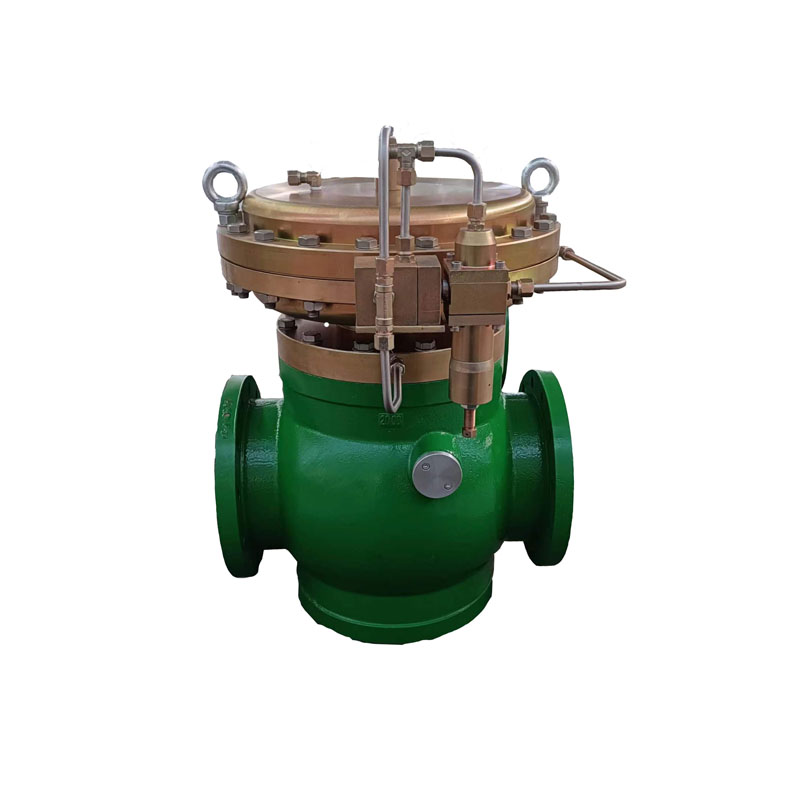
Introducing the RTJ2- / DKQ Series Gas Pressure Regulator
Our RTJ2- / DKQ series gas pressure regulator represents the pinnacle of modern pressure control technology, specifically engineered for the rigorous demands of industrial and commercial natural gas systems. This series is designed to deliver unparalleled accuracy and stability, making it an ideal choice for applications requiring precise downstream pressure management. Built with robust materials and incorporating advanced engineering principles, the RTJ2- / DKQ series ensures safe, efficient, and reliable operation even under challenging environmental conditions.
Key features include a high turndown ratio, enabling stable operation across a broad range of flow rates, from minimal consumption to peak demand. Its modular design facilitates easy maintenance and component replacement, minimizing downtime and operational costs. Furthermore, the integrated design often incorporates functionalities akin to a natural gas safety valve, providing an additional layer of protection against overpressure events, crucial for maintaining system integrity within a complex natural gas distribution station.
Precision Engineering: Technical Specifications of a commercial regulator
Understanding the technical specifications of a commercial regulator is crucial for proper system design and selection. The RTJ2- / DKQ series is meticulously engineered to meet stringent performance criteria, offering a blend of reliability, precision, and durability. Its design incorporates advanced diaphragm and spring mechanisms to achieve superior regulation characteristics, minimizing deviation from the set point.
Key Performance Parameters:
- Inlet Pressure Range: The permissible pressure range at the upstream side of the regulator. For the RTJ2- / DKQ series, this typically spans from 0.02 MPa to 10 MPa (approximately 0.29 PSI to 1450 PSI), accommodating various pipeline pressures.
- Outlet Pressure Range: The regulated pressure maintained downstream. Our regulators offer precise control from 0.005 MPa to 0.4 MPa (approximately 0.07 PSI to 58 PSI), adjustable to application-specific requirements.
- Flow Rate Capacity: The maximum volume of gas the regulator can safely and effectively handle. This is critical for matching the regulator to the system's demand, with the RTJ2- / DKQ series offering capacities up to several thousand cubic meters per hour, depending on the model variant.
- Accuracy Class: Defines the maximum permissible deviation from the set point. Our series achieves an accuracy class of AC1 (±1%) or better, ensuring minimal pressure fluctuations.
- Lock-up Pressure: The increase in outlet pressure when flow ceases. Lower lock-up pressure is desirable, with the RTJ2- / DKQ series designed for minimal lock-up, typically within 1.5% of the set point.
- Operating Temperature: Engineered to perform reliably in a broad temperature range, typically from -20°C to +60°C, suitable for diverse climatic conditions.
Product Specification Table: RTJ2- / DKQ Series Gas Pressure Regulator
| Parameter | RTJ2-DN50DKQ | RTJ2-DN80DKQ | RTJ2-DN100DKQ |
|---|---|---|---|
| Nominal Diameter (DN) | 50 mm | 80 mm | 100 mm |
| Max. Inlet Pressure (P1max) | 10 MPa (1450 PSI) | 10 MPa (1450 PSI) | 10 MPa (1450 PSI) |
| Outlet Pressure Range (P2) | 0.005 - 0.1 MPa | 0.01 - 0.2 MPa | 0.02 - 0.4 MPa |
| Accuracy Class (AC) | AC1 | AC1 | AC1 |
| Lock-up Pressure Class (SG) | SG2.5 | SG2.5 | SG2.5 |
| Operating Temperature | -20°C to +60°C | -20°C to +60°C | -20°C to +60°C |
| Body Material | Ductile Iron (GGG40) / Steel | Ductile Iron (GGG40) / Steel | Ductile Iron (GGG40) / Steel |
| Connection Type | Flanged (PN16/ANSI150) | Flanged (PN16/ANSI150) | Flanged (PN16/ANSI150) |
The Manufacturing Journey of a High-Performance commercial regulator
The manufacturing of a high-performance commercial regulator is a multi-stage process that combines advanced material science, precision engineering, and rigorous quality control. Our commitment to excellence ensures that every RTJ2- / DKQ series unit meets or exceeds international standards, delivering exceptional service life and reliability.
Process Flow Overview:
1
Material Selection & Preparation
Selection of high-grade ductile iron (GGG40) or forged steel for body components, ensuring strength and corrosion resistance. Elastomers for diaphragms and seals are chosen for gas compatibility and longevity.
2
Casting/Forging & Machining
Body components are either precision cast or forged to achieve optimal structural integrity. Subsequent CNC machining ensures exact dimensions, critical for precise sealing and operational accuracy.
3
Component Assembly
Skilled technicians assemble the various components, including diaphragms, springs, valve seats, and internal mechanisms, in a clean environment to prevent contamination.
4
Calibration & Testing
Each regulator undergoes extensive functional testing, including pressure integrity tests, flow characteristic verification, and lock-up pressure evaluation. Adherence to ISO 9001 and ANSI B109 standards is strictly maintained.
5
Surface Treatment & Finishing
Protective coatings are applied to external surfaces for enhanced corrosion resistance, particularly important for units deployed in harsh environments. Final inspection and packaging for shipment.
Our rigorous testing protocols ensure a projected service life of 15-20 years for the RTJ2- / DKQ series under normal operating conditions, significantly reducing the total cost of ownership for our clients. These tests are conducted in accordance with internationally recognized standards such as ISO 9001 for quality management and ANSI B109 for gas pressure regulators, guaranteeing both performance and safety.
Versatile Applications and Unrivaled Advantages
The versatility of the RTJ2- / DKQ series commercial regulator makes it indispensable across a spectrum of industries where reliable gas pressure control is paramount. Its robust design and precision performance address the unique challenges of various sectors, offering significant operational advantages.
Target Industries and Application Scenarios:
- Petrochemical Industry: Used in refineries and chemical plants to regulate fuel gas pressure for furnaces, boilers, and flare systems, ensuring stable combustion and preventing process upsets.
- Natural Gas Distribution Stations: Critical components in city gate stations and district regulation units, reducing high transmission pressures to safe distribution levels for residential, commercial, and industrial consumers. This ensures the safety and efficiency of the entire network.
- Metallurgy & Heavy Industry: Essential for controlling the gas supply to industrial kilns, ovens, and heat treatment processes, where precise temperature control through stable fuel gas pressure directly impacts product quality and energy consumption.
- Power Generation: Regulating natural gas input to gas turbines and combined cycle power plants, contributing to stable power output and efficient fuel utilization.
- Commercial & Industrial HVAC: Providing stable gas pressure to large-scale heating systems, ensuring optimal burner performance and energy efficiency in commercial buildings and factories.
Technical Advantages:
- Energy Saving: Precise pressure regulation minimizes gas wastage due to overpressure or fluctuations, leading to significant fuel cost reductions in energy-intensive processes.
- Corrosion Resistance: Utilizing advanced materials and protective coatings, our regulators are designed to withstand corrosive elements often present in industrial gas streams, extending operational life and reducing maintenance.
- Enhanced Safety: With robust construction and integrated safety features, including the potential to act as a gas safety relief valve in certain configurations, the RTJ2- / DKQ series mitigates risks associated with pressure surges, protecting personnel and infrastructure.
- High Accuracy & Stability: Maintaining a consistent downstream pressure within tight tolerances ensures optimal performance of connected equipment and processes, preventing damage and improving product quality.
- Low Maintenance: Designed for reliability and ease of service, requiring minimal intervention, which translates into lower operational expenditures and greater uptime.
Strategic Selection: Comparing commercial regulator Solutions
Choosing the right commercial regulator is a strategic decision that impacts safety, efficiency, and long-term operational costs. While many vendors offer pressure regulation solutions, discerning key differences in technology, build quality, and support is paramount. Below is a comparative overview highlighting critical factors.
Product Comparison Table: Leading Commercial Regulator Types
| Feature/Type | RTJ2-DKQ Series (Pilot-Operated) | Direct-Operated Regulators | Electric Regulating Valve (e.g., control valve) |
|---|---|---|---|
| Regulation Principle | Pilot-controlled, high accuracy | Spring & diaphragm, simple | Actuator-driven, electronic feedback |
| Accuracy & Stability | Excellent (AC1, SG2.5) | Good (AC2-AC5), less stable | Very high (with PID controller) |
| Turndown Ratio | High, stable across flow range | Moderate, less stable at low flow | Very high, precise control at all flows |
| Response Time | Fast, responsive to load changes | Moderate | Instantaneous with advanced control |
| Complexity | Moderate (pilot system) | Low (few moving parts) | High (actuator, controller, sensors) |
| Cost (Initial) | Medium-High | Low-Medium | High |
| Maintenance | Moderate | Low | Moderate-High (calibration, diagnostics) |
| Typical Applications | Distribution stations, large industrial loads | Smaller commercial, residential, burners | Process control, demanding applications, automation |
The RTJ2- / DKQ series, being a pilot-operated commercial regulator, offers superior accuracy and stability compared to direct-operated models, especially crucial for large flow rates and varying load conditions. While an electric regulating valve offers highly advanced control, it often comes with increased complexity and cost, making mechanical pilot-operated regulators a cost-effective and highly reliable solution for many critical gas pressure regulation tasks.
Tailored Performance: Customized commercial regulator Solutions
Recognizing that no two industrial applications are exactly alike, we specialize in providing customized commercial regulator solutions that precisely match unique operational requirements. Our engineering team works closely with clients to understand specific challenges, offering tailored designs that optimize performance, integration, and cost-efficiency.
Customization options for the RTJ2- / DKQ series can include: specialized materials for extreme corrosive environments, unique flange configurations or connection types to integrate with existing pipeline infrastructure, extended temperature ranges for arctic or desert conditions, and integration with advanced sensing and telemetry for remote monitoring. We leverage our deep expertise in fluid dynamics and pressure control to modify internal components, select specific pilot designs, or incorporate additional safety features as required, ensuring that the final product is not just a component, but a perfectly integrated solution.
Our process involves initial consultation, detailed engineering design and simulation, prototype development, and rigorous testing under simulated operating conditions. This collaborative approach guarantees that our customized solutions deliver maximum efficiency and reliability, even for the most demanding projects. We are equipped to handle complex projects, from single-unit modifications to large-scale system designs for entire natural gas distribution station upgrades.
Proven Excellence: Real-World Application Case Studies
Case Study 1: Large-Scale Natural Gas Distribution Network Upgrade
A major metropolitan natural gas utility sought to upgrade its aging distribution network's pressure regulation capabilities to enhance safety, improve efficiency, and accommodate growing demand. The existing direct-operated regulators struggled with pressure instability during peak load variations, leading to occasional supply interruptions and increased maintenance costs.
- Challenge: Unstable downstream pressure in critical district regulating stations, high maintenance for old units.
- Solution: Implemented 25 units of RTJ2-DN100DKQ pilot-operated commercial regulators across their network. Each unit was selected for its high accuracy (AC1) and robust design, capable of handling varying inlet pressures and large flow rates.
- Results:
- Achieved a consistent downstream pressure within ±0.5% of the set point, even during rapid changes in demand, eliminating pressure-related service interruptions.
- Reduced overall system leakage by an estimated 3% due to optimized and stable pressure, translating to significant cost savings.
- Maintenance intervals extended by 50%, thanks to the RTJ2-DKQ's durable construction and minimal wear characteristics.
- Customer Feedback: "The stability and reliability of the RTJ2-DKQ series have transformed our network's performance. Our customers now experience consistent service, and our operational team appreciates the reduced need for emergency interventions." - Chief Engineer, City Gas Utility.
Case Study 2: Petrochemical Plant Fuel Gas Optimization
A large petrochemical complex needed to optimize the fuel gas supply to its cracking furnaces. Inconsistent pressure from their legacy regulators led to suboptimal combustion, higher fuel consumption, and increased emissions.
- Challenge: Fluctuating fuel gas pressure impacting furnace efficiency and emissions, potential safety risks from pressure excursions.
- Solution: Installed RTJ2-DN80DKQ series regulators, customized with specialized internal trim for the specific fuel gas composition and an integrated upstream monitoring system. The solution also included a dedicated natural gas safety valve (gas safety relief valve) in the bypass line for enhanced protection.
- Results:
- Achieved a 7% reduction in natural gas consumption for furnace operations due to significantly improved combustion efficiency.
- Reduced NOx and CO emissions by 10% and 15% respectively, contributing to environmental compliance.
- Eliminated unscheduled shutdowns related to fuel gas pressure issues, enhancing overall plant uptime and safety.
- Customer Feedback: "The integration of the RTJ2-DKQ regulators has been a game-changer for our furnace operations. Not only have we seen substantial cost savings from reduced fuel consumption, but our environmental footprint has also improved significantly. The added safety features give us great peace of mind." - Operations Manager, Petrochemical Complex.
Global Standards and Trusted Partnerships
Our commitment to quality, safety, and performance is underscored by our adherence to international standards and long-standing relationships with leading industrial clients. The RTJ2- / DKQ series and all our commercial regulator products are manufactured under strict quality control protocols, certified to:
- ISO 9001: Certified Quality Management System, ensuring consistent product quality and customer satisfaction through continuous improvement processes.
- ANSI B109.4: Compliance with American National Standards Institute for Gas Pressure Regulators, validating the safety and performance of our natural gas regulators.
- PED (Pressure Equipment Directive) 2014/68/EU: For products supplied to the European market, demonstrating compliance with essential safety requirements for pressure equipment.
- CE Marking: For applicable products, indicating conformity with health, safety, and environmental protection standards within the European Economic Area.
With over two decades of specialized experience in pressure regulation technology, we have built a reputation for engineering excellence and reliable customer service. Our client portfolio includes national gas companies, major petrochemical corporations, and leading industrial manufacturers across continents, who trust our products for their critical operations. We are proud of our history of successful partnerships and our contribution to safer and more efficient energy infrastructure globally.
Frequently Asked Questions About commercial regulators
- Q: What is the primary difference between a pilot-operated and a direct-operated regulator?
A: A direct-operated regulator uses the controlled pressure directly on a diaphragm to actuate the valve. A pilot-operated commercial regulator, like the RTJ2-DKQ series, uses a smaller, auxiliary pilot regulator to control the main valve, offering much higher accuracy, faster response, and better stability, especially at higher flow rates and larger pressure drops.
- Q: How often should a commercial regulator be inspected or maintained?
A: While the RTJ2-DKQ series is designed for low maintenance and a long service life (15-20 years), routine visual inspections are recommended annually. A more thorough preventative maintenance check, including diaphragm inspection and seal replacement, is advised every 3-5 years, depending on the specific application and operating conditions.
- Q: Can the RTJ2-DKQ series handle gases other than natural gas?
A: Yes, the RTJ2-DKQ series can be configured for various non-corrosive gases such as LPG, propane, and inert gases. For corrosive or specific industrial gases, customized material selection for internal components and seals is available to ensure compatibility and long-term performance.
- Q: What are the key factors to consider when sizing a commercial regulator?
A: Critical factors include maximum and minimum inlet pressure, desired outlet pressure range, maximum and minimum flow rates, specific gravity of the gas, and upstream/downstream piping configurations. Our technical team can assist with precise sizing calculations to ensure optimal performance.
Your Investment Secured: Lead Time, Warranty, and After-Sales Support
We understand the critical nature of timely delivery and comprehensive support for industrial equipment. Our streamlined manufacturing and logistics processes ensure efficient fulfillment for all orders.
- Lead Time: Standard RTJ2- / DKQ series units typically have a lead time of 4-6 weeks from order confirmation, subject to current production schedules and order volume. Custom solutions may require extended lead times, which will be clearly communicated during the quotation process. We maintain a strategic inventory of common models and components to facilitate quicker response times for urgent requirements.
- Warranty Commitments: All RTJ2- / DKQ series commercial regulators come with a standard 12-month warranty from the date of commissioning or 18 months from the date of shipment, whichever comes first. This warranty covers manufacturing defects and material failures under normal operating conditions. Extended warranty options are available upon request.
- Customer Support and After-Sales Service: Our dedication extends beyond product delivery. We provide comprehensive after-sales support including:
- Technical Assistance: A team of experienced engineers is available to provide remote or on-site technical support for installation, commissioning, troubleshooting, and optimization.
- Spare Parts Availability: We ensure a robust supply chain for genuine spare parts, guaranteeing rapid availability for maintenance and repairs, thus minimizing downtime.
- Training Programs: We offer customized training for client personnel on the operation, maintenance, and safety protocols of our regulators.
- Service Contracts: Tailored service contracts are available for preventative maintenance, ensuring the long-term optimal performance of your pressure regulation systems.
References
The information presented in this article is based on industry best practices, established engineering principles, and data derived from rigorous product testing and market analysis. Further information on related topics can be found in the following authoritative sources:
- International Organization for Standardization (ISO) official publications on quality management systems (ISO 9001) and pressure equipment standards.
- American National Standards Institute (ANSI) standards for gas pressure regulators (e.g., ANSI B109 series).
- European Committee for Standardization (CEN) publications related to the Pressure Equipment Directive (PED).
- Journal of Pipeline Science and Engineering – Peer-reviewed articles on natural gas transmission and distribution technologies.
- Gas Industry Standards Committee (GISC) guidelines for safe operation and maintenance of gas infrastructure.
Latest news
-
Industrial Natural Gas Pressure Reducing Valve Guide and SelectionNewsApr.16,2026
-
Understanding the Industrial Regulating Valve for Fluid ControlNewsApr.09,2026
-
Understanding Gas Pressure Reducer Types Applications and Safety MeasuresNewsApr.07,2026
-
Understanding and Optimizing Gas Pressure Reducing Valve SystemsNewsApr.04,2026
-
Optimizing System Performance with the Right Filter Separator SelectionNewsMar.31,2026
-
Comprehensive Guide to Understanding and Utilizing Pressure Pipe SystemsNewsMar.28,2026