


Sep . 19, 2025 15:10
Back to list
Precision Gas Safety Relief Valve: Ultimate Overpressure Protection
Introduction to Gas Safety Relief Valves and Industry Trends
In critical industrial applications, the integrity and safety of pressure systems are paramount. A crucial component ensuring this safety is the gas safety relief valve. These precision-engineered devices are designed to automatically discharge fluid from a pressure vessel, boiler, or other system when the pressure exceeds a predetermined maximum, thereby preventing catastrophic failure due to overpressure.
The reliable operation of a gas safety relief valve is non-negotiable, particularly in high-stakes environments such as a natural gas distribution station, where public safety and environmental protection are at the forefront. Without these vital components, pressure build-ups from operational anomalies, thermal expansion, or external events could lead to explosions, structural damage, and significant economic losses.
Current industry trends for pressure relief technologies are driven by several factors: increasingly stringent safety regulations, the demand for higher efficiency and lower emissions, and the advent of smart technologies. Manufacturers are focusing on developing valves with enhanced materials for superior corrosion resistance, more precise set pressure control, and integrated digital monitoring capabilities for predictive maintenance. There's a growing emphasis on valves that can operate effectively with a commercial regulator, ensuring seamless integration into complex pressure management systems, and often working in tandem with a gas coalescer filter to protect downstream equipment from particulate matter and liquid aerosols.
The evolution of these valves also includes designs that minimize fugitive emissions during operation, aligning with global environmental protection initiatives. As the energy sector continues its transformation, the demand for robust, intelligent, and environmentally sound natural gas safety valve solutions will only intensify.
Technical Specifications and Operating Principles
Understanding the technical specifications and operating principles of a gas safety relief valve is essential for proper selection and reliable system integration. These valves typically come in two main types: spring-loaded and pilot-operated.
- Spring-Loaded Valves: These are the most common type, where a spring holds a disc against a nozzle. When the system pressure exceeds the spring's set force, the disc lifts, allowing the gas to vent. The set pressure is adjustable by varying the spring compression.
- Pilot-Operated Valves (POPRVs): These valves use system pressure to operate a small pilot valve, which then controls a larger main valve. POPRVs offer more precise set pressure control, higher capacity, and can operate closer to the system's normal operating pressure without leakage (simmer). They are often favored for their superior seat tightness and ability to handle higher capacities.
Key operational parameters include:
- Set Pressure: The inlet pressure at which the valve is set to open.
- Blowdown: The pressure difference between the opening and closing pressure, usually expressed as a percentage of the set pressure. Efficient blowdown ensures the valve reseats promptly after relieving overpressure.
- Capacity (Rated Flow): The maximum volume of fluid the valve can discharge at a specified overpressure, often quantified by a Cv (flow coefficient) value.
- Back Pressure: The pressure existing at the outlet of the valve. Superimposed back pressure exists before the valve opens, while built-up back pressure develops as the valve discharges.
- Material Compatibility: Selection of body, trim, and seal materials must align with the handled gas and environmental conditions (e.g., Stainless Steel 316L for corrosive media, Carbon Steel for general applications).
- Temperature Range: The minimum and maximum temperatures the valve can safely withstand and operate within.
Typical Gas Safety Relief Valve Specifications
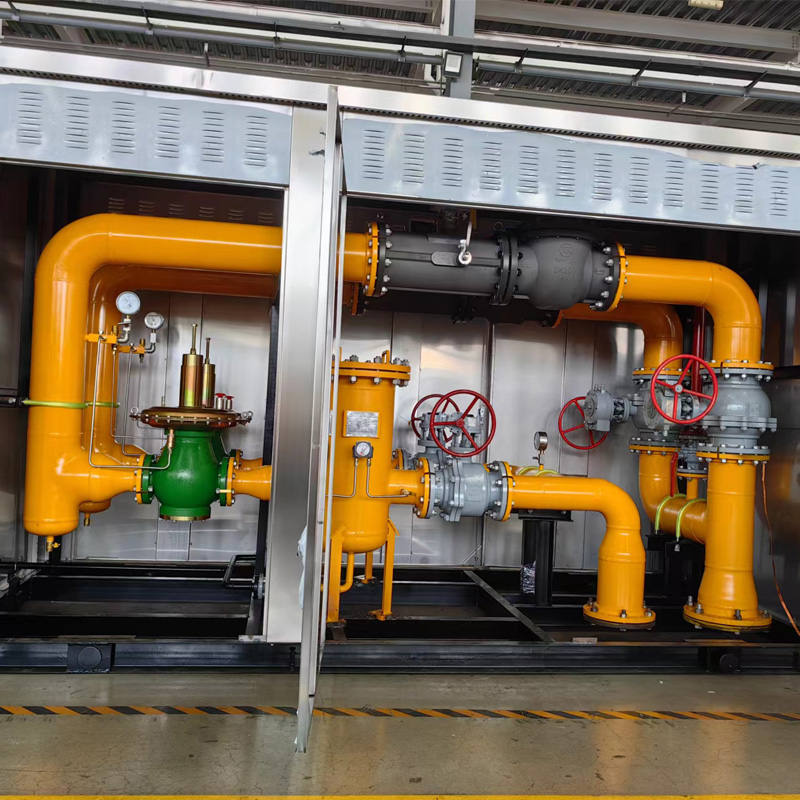
The proper operation of a gas safety relief valve is a critical safeguard against overpressure, preventing system failure, protecting personnel, and minimizing environmental impact. Its design ensures that once the overpressure event passes, the valve re-seats, restoring system integrity.
Manufacturing Process of Gas Safety Relief Valves
The manufacturing of a high-quality gas safety relief valve is a meticulous process demanding precision, material expertise, and rigorous quality control. It encompasses several stages, from raw material selection to final testing, ensuring adherence to strict international safety standards.
Process Flow Overview:
-
Material Selection and Sourcing:
This initial stage is critical, as the choice of material directly impacts the valve's performance, corrosion resistance, and service life. Common materials include various grades of stainless steel (e.g., 304, 316, Duplex for highly corrosive environments), carbon steel, and specialized alloys like Inconel or Hastelloy for extreme temperature and aggressive chemical applications. All materials undergo strict chemical composition verification and mechanical property testing to meet standards such as ASTM or EN.
-
Casting or Forging of Body and Bonnet:
The main pressure-retaining components, such as the valve body and bonnet, are typically formed through either casting or forging. Casting allows for complex geometries, while forging offers superior mechanical properties and internal soundness, making it preferred for high-pressure or critical applications. Both processes require precise temperature control and cooling rates to achieve optimal grain structure and defect-free components.
-
Precision CNC Machining:
Following casting or forging, all critical components—the nozzle, disc, spindle, and seat—undergo advanced CNC machining. This stage achieves extremely tight tolerances (often within micrometers), essential for the valve's sealing integrity, set pressure accuracy, and flow characteristics. Surface finishes are meticulously controlled, especially for sealing surfaces, to ensure leak-tight performance as per API 527 standards.
-
Heat Treatment:
Depending on the material and application, components may undergo specific heat treatments (e.g., annealing, tempering, solution annealing) to enhance their mechanical properties, relieve internal stresses, or improve corrosion resistance.
-
Surface Treatment and Coating:
For certain applications, components might receive specialized surface treatments or coatings (e.g., nitriding, hard chrome plating, PTFE coating) to further improve wear resistance, reduce friction, or enhance corrosion protection in challenging environments, for instance, within a natural gas distribution station dealing with varying gas compositions.
-
Assembly in Cleanroom Conditions:
The final assembly of the gas safety relief valve occurs in a controlled environment, often a cleanroom, to prevent contamination. Skilled technicians carefully assemble the spring, disc, nozzle, and other internal components, ensuring proper alignment and torque settings. Specialized tools are used to avoid any damage to precision surfaces.
-
Rigorous Testing and Certification:
Each valve undergoes a battery of tests to confirm its performance and reliability:
- Hydrostatic Shell Testing: Ensures the pressure-containing integrity of the valve body (e.g., ASME B16.34).
- Pneumatic Seat Leakage Testing: Verifies the leak-tightness of the valve seat at pressures close to the set pressure (e.g., API 527).
- Set Pressure Verification and Capacity Testing: Confirms the valve opens at the exact specified pressure and has the certified flow capacity (e.g., ASME PTC 25, ISO 4126).
- Material Traceability: Full traceability of all materials used, ensuring compliance with specifications and enabling root cause analysis if necessary.
- Non-Destructive Testing (NDT): Methods like X-ray, ultrasonic testing (UT), or magnetic particle inspection may be applied to detect internal flaws in critical components.
These tests ensure the valve meets or exceeds international standards such as ISO, ANSI, ASME, and PED (Pressure Equipment Directive), guaranteeing a service life often extending beyond 20 years with proper maintenance.
-
Final Inspection and Documentation:
Before dispatch, each valve undergoes a final visual inspection and all relevant documentation, including test certificates, material certificates, and operating manuals, are prepared. This ensures full compliance and ease of integration into target industries such as petrochemical, oil & gas, power generation, and specialized processing plants.
Advantages demonstrated in typical application scenarios include superior corrosion resistance through advanced material selection and surface treatments, and energy saving by ensuring minimal process media loss during operation due to precise set pressure and rapid reseating capabilities.
Application Scenarios and Technical Advantages
The versatility and critical function of a gas safety relief valve make it indispensable across a multitude of heavy industries. Its primary role is to safeguard equipment and personnel by preventing dangerous overpressure conditions.
Target Industries and Specific Scenarios:
- Oil & Gas Exploration and Production: Protecting wellheads, separators, storage tanks, and pipelines from pressure surges. Essential for both upstream and downstream operations.
- Petrochemical and Chemical Processing: Safeguarding reactors, heat exchangers, distillation columns, and storage tanks containing hazardous chemicals and gases. Critical for preventing runaway reactions and equipment damage.
- Natural Gas Distribution and Transmission: As a vital component in a natural gas distribution station, these valves protect against overpressure in gas pipelines, compressor stations, and city gate stations, ensuring stable gas supply and public safety. They work alongside commercial regulator units to manage pressure effectively.
- Power Generation: Used in steam systems, boilers, and turbine protection. Also crucial in natural gas-fired power plants for fuel gas systems.
- Industrial Gas Production and Storage: Protecting cryogenic tanks, vaporizers, and distribution networks for gases like oxygen, nitrogen, argon, and hydrogen.
- Metallurgy: Safeguarding processes involving high-temperature gases and pressurized systems in steel mills and foundries.
Key Technical Advantages:
- Reliable Overpressure Protection: The primary advantage, ensuring that systems operate within safe pressure limits, preventing catastrophic failures, and protecting valuable assets.
- Corrosion Resistance: Utilizing advanced materials like super duplex stainless steels or specialized alloys ensures longevity and consistent performance even with highly corrosive process media, reducing maintenance and replacement costs.
- Precision Set Pressure and Blowdown: Modern gas safety relief valve designs offer highly accurate set pressures and optimized blowdown characteristics, minimizing unnecessary venting and ensuring prompt reseating. This contributes to energy saving by reducing product loss.
- High Flow Capacity: Engineered designs maximize flow rates during relief events, ensuring rapid pressure reduction to prevent system damage.
- Robust and Durable Construction: Built to withstand harsh operating conditions, including extreme temperatures, vibrations, and corrosive atmospheres, ensuring a long operational life.
- Reduced Emissions: With advanced sealing technologies and precise operation, these valves help minimize fugitive emissions during normal operation and during relief events, contributing to environmental compliance.
- Low Maintenance Requirements: High-quality materials and manufacturing processes lead to extended service intervals, reducing operational expenditure and downtime.
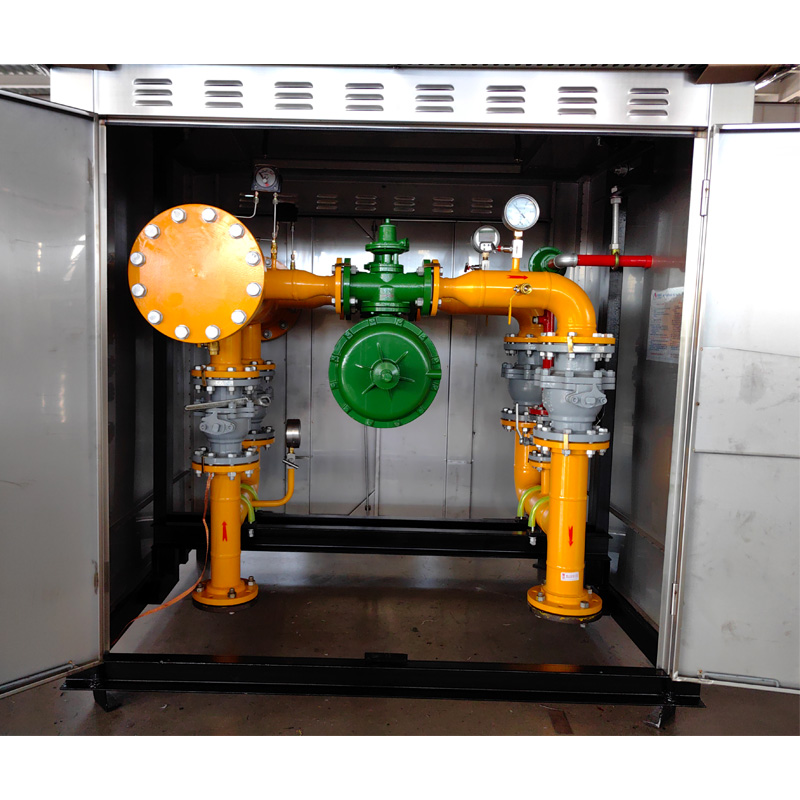
The strategic deployment of these advanced valves, often in conjunction with pressure regulation and filtration systems like the Gas Pressure Regulator Box/Cabinet or a gas coalescer filter, is fundamental to maintaining operational safety, efficiency, and regulatory compliance across the industrial landscape.
Vendor Comparison and Customized Solutions
Selecting the right vendor for gas safety relief valve solutions is a critical decision for industrial operations, impacting long-term reliability, safety, and cost-efficiency. While many manufacturers offer standard products, the ability to provide customized solutions often distinguishes a leading provider.
Factors for Vendor Selection:
- Certifications and Compliance: Adherence to international standards (ASME, API, ISO, PED) and local regulations.
- Experience and Track Record: Years in the industry, successful project history, and client testimonials.
- R&D Capabilities: Investment in innovation, ability to develop new materials, designs, and smart features.
- Manufacturing Quality: Precision engineering, material traceability, and robust quality control processes.
- After-Sales Support: Availability of spare parts, technical assistance, field service, and maintenance contracts.
- Customization Options: Flexibility to tailor products to specific application requirements.
Product Comparison: Standard vs. Advanced Gas Safety Relief Valves
Customized Solutions:
While standard `gas safety relief valve` models cater to common requirements, many industrial applications present unique challenges that necessitate tailored solutions. Customization can involve:
- Specific Materials: For highly corrosive or abrasive media, or extreme temperature applications, custom alloys or internal coatings can be specified.
- Unique Connection Types and Sizes: To integrate seamlessly into existing piping infrastructure, requiring specific flanges, threads, or weld preparations.
- Non-Standard Set Pressures and Capacities: When process parameters fall outside typical ranges, requiring bespoke spring designs or pilot settings.
- Special Environmental Protections: Valves for offshore platforms, desert environments, or cryogenic facilities may require enhanced weatherproofing, insulation, or anti-corrosion treatments.
- Integration with Smart Systems: Incorporating sensors for remote monitoring, diagnostic capabilities, or integration with plant DCS (Distributed Control Systems). For instance, our Gas Pressure Regulator Box/Cabinet solutions often include customized relief valve integration to meet specific site requirements for overall pressure management.
- Compliance with Niche Certifications: Beyond common standards, some projects require certifications for specific regions or specialized industries (e.g., nuclear, marine).
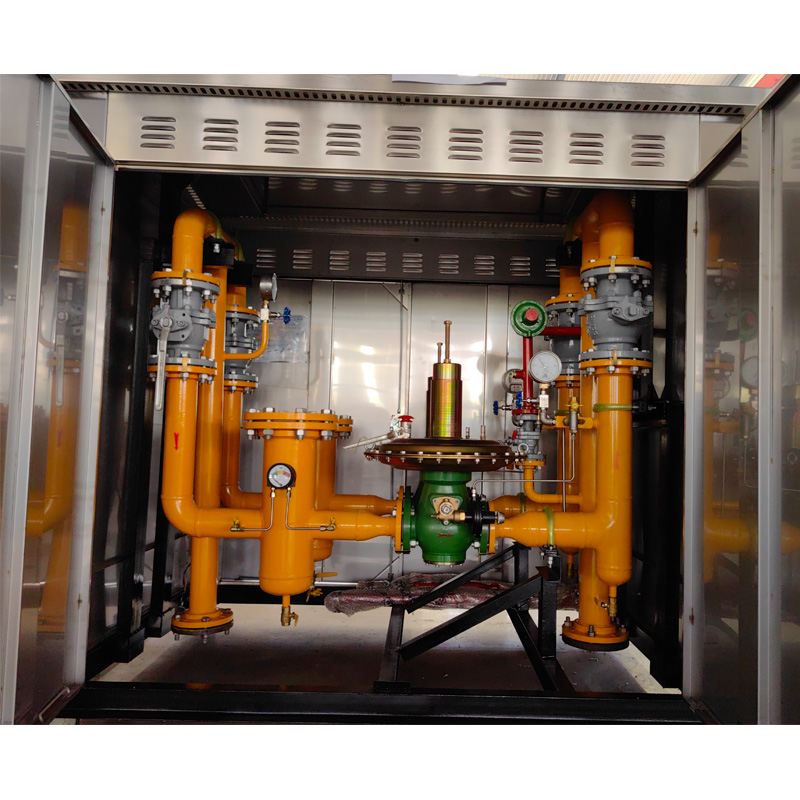
A vendor capable of providing comprehensive engineering support, from initial design consultation to post-installation service, is invaluable for complex projects. This partnership approach ensures the chosen gas safety relief valve not only meets immediate functional requirements but also aligns with long-term operational goals and safety mandates.
Application Case Studies
Real-world application demonstrates the tangible benefits and critical role of advanced gas safety relief valve technology. Here are a few examples illustrating their impact across various industrial settings.
Case Study 1: Enhancing Safety at a Major Natural Gas Distribution Station
Challenge: A large natural gas distribution station in a densely populated area required an upgrade to its overpressure protection system. Existing spring-loaded valves occasionally experienced 'simmer' (slight leakage before full lift), leading to minor gas losses and heightened environmental concerns. The station also experienced pressure fluctuations, making precise relief challenging.
Solution: The station implemented a series of pilot-operated gas safety relief valve units. These advanced valves offered a much tighter seal, reducing leakage, and allowed for set pressures closer to the system's operating pressure (up to 98% operating ratio) without risking unintended opening. The precise control of the pilot valve ensured rapid, full-lift operation when an overpressure event occurred, effectively safeguarding downstream infrastructure, including `commercial regulator` arrays and sensitive metering equipment. The integrated monitoring capabilities provided real-time pressure data, enhancing the overall safety and operational efficiency of the station.
Outcome: The upgrade resulted in a 95% reduction in fugitive emissions related to relief valve operation, significant improvement in system stability, and enhanced compliance with environmental regulations. Operational staff reported greater confidence in the system's ability to handle pressure anomalies, receiving positive customer feedback on improved service reliability.
Case Study 2: Corrosion Resistance in a Petrochemical Plant's Sulfuric Acid Unit
Challenge: A petrochemical plant operating a sulfuric acid production unit faced persistent issues with conventional gas safety relief valve integrity. The highly corrosive nature of the process gas, containing sulfur dioxide and trioxide, led to rapid material degradation, frequent valve failures, and unplanned shutdowns for maintenance or replacement. This impacted production output and posed significant safety risks.
Solution: Working with a specialized vendor, the plant commissioned custom-designed relief valves fabricated from advanced nickel-chromium-molybdenum alloys (e.g., Hastelloy C-276) with specific internal coatings. These materials were chosen for their exceptional resistance to sulfuric acid and related compounds. The valves also featured non-metallic soft seats made from highly resistant polymers to ensure leak-tightness over extended periods in the aggressive environment.
Outcome: The bespoke gas safety relief valve units demonstrated superior performance, extending the Mean Time Between Failures (MTBF) by over 300%. This translated to fewer unplanned shutdowns, a substantial reduction in maintenance costs, and significantly enhanced safety for personnel and the surrounding environment. The plant achieved a consistent uptime improvement of 8% for the sulfuric acid unit.
Case Study 3: Protecting Downstream Equipment with Integrated Filtration and Relief
Challenge: An industrial facility required highly purified natural gas for its critical processes. The incoming gas stream, however, contained particulates and aerosols, necessitating a robust gas coalescer filter system. There was also a need to protect the expensive analytical equipment downstream from both pressure surges and potential filter bypass issues.
Solution: A comprehensive solution was designed, integrating a high-efficiency gas coalescer filter with a dedicated gas safety relief valve. The relief valve was strategically placed immediately after the filter unit, ensuring that any upstream pressure surge or an internal blockage within the filter itself would be safely relieved before reaching sensitive instruments. The relief valve was specifically calibrated to a set pressure just above the normal operating pressure of the clean gas system but well below the damage threshold of the instruments. This configuration was often housed within a Gas Pressure Regulator Box/Cabinet for optimal protection and ease of maintenance.
Outcome: The integrated system effectively managed both gas purity and pressure stability. The relief valve successfully activated during two minor upstream pressure spikes, preventing any damage to the coalescer filter or the downstream analytical equipment. This proactive protection led to sustained operational efficiency and eliminated costly repairs or recalibrations, demonstrating the value of a well-engineered safety chain.
Trustworthiness & Support
Building long-term partnerships in the B2B sector hinges on demonstrable reliability, consistent quality, and unwavering customer support. Our commitment to these principles underpins every gas safety relief valve we deliver.
Authoritativeness:
- Certifications: We operate under a stringent ISO 9001:2015 certified quality management system, ensuring consistency in all manufacturing processes. Our valves comply with international standards such as ASME Section VIII, API 520, API 526, API 527, and the European Pressure Equipment Directive (PED 2014/68/EU), meeting global safety and performance benchmarks.
- Industry Experience: With over two decades of dedicated service in the industrial valve sector, we have cultivated deep expertise in pressure management and safety solutions.
- Partner Clients: Our trusted solutions are deployed by leading energy companies, petrochemical giants, and utilities providers worldwide, serving critical infrastructure where reliability is non-negotiable.
- Robust Testing Data: Every valve undergoes comprehensive factory acceptance testing (FAT), with detailed reports and certifications provided, including pressure test curves and material traceability.
Frequently Asked Questions (FAQ):
- Q: What is the primary difference between a relief valve and a safety valve?
- A: While often used interchangeably, a relief valve is designed to open gradually as pressure increases, primarily used for incompressible fluids, and primarily for process control. A safety valve, like our gas safety relief valve, opens rapidly (full-lift or pop action) for compressible fluids (gases, steam) to prevent exceeding a maximum pressure by more than 10%, focusing on equipment and personnel safety.
- Q: How often should a safety relief valve be inspected and tested?
- A: The inspection and testing frequency depend on industry standards (e.g., API 510, ASME, local regulations), the type of service, and process conditions. Typically, inspections are recommended every 1-5 years. Critical service valves or those in corrosive environments may require more frequent checks.
- Q: What factors influence the service life of a gas safety relief valve?
- A: Key factors include the corrosivity and temperature of the process fluid, frequency of valve activation, presence of particulates, operating pressure and temperature cycles, and adherence to maintenance schedules. Proper material selection for specific applications significantly extends service life.
- Q: Can these valves be used with corrosive gases?
- A: Yes, we offer specific material constructions (e.g., Duplex stainless steels, Hastelloy, Monel) and specialized coatings designed to withstand a wide range of corrosive gases. Custom solutions are also available for highly aggressive media.
- Q: What is the typical lead time for custom orders?
- A: Standard gas safety relief valve models typically have a lead time of 4-8 weeks, depending on specifications and stock availability. Custom-engineered solutions may range from 10-16 weeks, subject to complexity, material sourcing, and specific testing requirements. Expedited options are available upon request for urgent projects.
Warranty Commitments:
We stand by the quality of our products with a comprehensive 12-month warranty from the date of commissioning or 18 months from the date of shipment, whichever comes first. This warranty covers defects in material and workmanship under normal operating conditions. Extended warranty options and service level agreements are available to provide additional peace of mind for critical applications.
Customer Support and After-Sales Service:
Our commitment extends beyond delivery. We offer dedicated customer support, including 24/7 technical assistance for emergencies, comprehensive training programs for operation and maintenance staff, and readily available spare parts to minimize downtime. Our global network of certified service technicians provides on-site installation support, commissioning, routine maintenance, and emergency repairs, ensuring the optimal and safe operation of your pressure relief systems throughout their lifecycle.
Conclusion
The gas safety relief valve is an indispensable guardian in industrial pressure systems, ensuring operational continuity, environmental protection, and, most importantly, human safety. As industries evolve towards higher efficiency and more stringent safety protocols, the demand for sophisticated, reliable, and compliant pressure relief solutions will only grow.
Our expertise in engineering and manufacturing high-quality safety relief valves, coupled with a deep understanding of diverse application scenarios and a commitment to comprehensive customer support, positions us as a trusted partner for B2B clients seeking uncompromised safety and performance in their critical operations.
References:
- American Society of Mechanical Engineers (ASME) Boiler and Pressure Vessel Code, Section VIII: Pressure Vessels.
- American Petroleum Institute (API) Recommended Practice 520, Sizing, Selection, and Installation of Pressure-Relieving Devices.
- International Organization for Standardization (ISO) 4126, Safety devices for protection against excessive pressure.
- European Pressure Equipment Directive (PED) 2014/68/EU.
- Process Industry Practices (PIP) VEDSR002, Relief Valve Selection Guide.
Latest news
-
Industrial Natural Gas Pressure Reducing Valve Guide and SelectionNewsApr.16,2026
-
Understanding the Industrial Regulating Valve for Fluid ControlNewsApr.09,2026
-
Understanding Gas Pressure Reducer Types Applications and Safety MeasuresNewsApr.07,2026
-
Understanding and Optimizing Gas Pressure Reducing Valve SystemsNewsApr.04,2026
-
Optimizing System Performance with the Right Filter Separator SelectionNewsMar.31,2026
-
Comprehensive Guide to Understanding and Utilizing Pressure Pipe SystemsNewsMar.28,2026
Sep . 08, 2025 16:37
Back to list
Precision Gas Safety Relief Valve: Ultimate Overpressure Protection
Introduction to Gas Safety Relief Valves and Industry Trends
In critical industrial applications, the integrity and safety of pressure systems are paramount. A crucial component ensuring this safety is the gas safety relief valve. These precision-engineered devices are designed to automatically discharge fluid from a pressure vessel, boiler, or other system when the pressure exceeds a predetermined maximum, thereby preventing catastrophic failure due to overpressure.
The reliable operation of a gas safety relief valve is non-negotiable, particularly in high-stakes environments such as a natural gas distribution station, where public safety and environmental protection are at the forefront. Without these vital components, pressure build-ups from operational anomalies, thermal expansion, or external events could lead to explosions, structural damage, and significant economic losses.
Current industry trends for pressure relief technologies are driven by several factors: increasingly stringent safety regulations, the demand for higher efficiency and lower emissions, and the advent of smart technologies. Manufacturers are focusing on developing valves with enhanced materials for superior corrosion resistance, more precise set pressure control, and integrated digital monitoring capabilities for predictive maintenance. There's a growing emphasis on valves that can operate effectively with a commercial regulator, ensuring seamless integration into complex pressure management systems, and often working in tandem with a gas coalescer filter to protect downstream equipment from particulate matter and liquid aerosols.
The evolution of these valves also includes designs that minimize fugitive emissions during operation, aligning with global environmental protection initiatives. As the energy sector continues its transformation, the demand for robust, intelligent, and environmentally sound natural gas safety valve solutions will only intensify.
Technical Specifications and Operating Principles
Understanding the technical specifications and operating principles of a gas safety relief valve is essential for proper selection and reliable system integration. These valves typically come in two main types: spring-loaded and pilot-operated.
- Spring-Loaded Valves: These are the most common type, where a spring holds a disc against a nozzle. When the system pressure exceeds the spring's set force, the disc lifts, allowing the gas to vent. The set pressure is adjustable by varying the spring compression.
- Pilot-Operated Valves (POPRVs): These valves use system pressure to operate a small pilot valve, which then controls a larger main valve. POPRVs offer more precise set pressure control, higher capacity, and can operate closer to the system's normal operating pressure without leakage (simmer). They are often favored for their superior seat tightness and ability to handle higher capacities.
Key operational parameters include:
- Set Pressure: The inlet pressure at which the valve is set to open.
- Blowdown: The pressure difference between the opening and closing pressure, usually expressed as a percentage of the set pressure. Efficient blowdown ensures the valve reseats promptly after relieving overpressure.
- Capacity (Rated Flow): The maximum volume of fluid the valve can discharge at a specified overpressure, often quantified by a Cv (flow coefficient) value.
- Back Pressure: The pressure existing at the outlet of the valve. Superimposed back pressure exists before the valve opens, while built-up back pressure develops as the valve discharges.
- Material Compatibility: Selection of body, trim, and seal materials must align with the handled gas and environmental conditions (e.g., Stainless Steel 316L for corrosive media, Carbon Steel for general applications).
- Temperature Range: The minimum and maximum temperatures the valve can safely withstand and operate within.
Typical Gas Safety Relief Valve Specifications
The proper operation of a gas safety relief valve is a critical safeguard against overpressure, preventing system failure, protecting personnel, and minimizing environmental impact. Its design ensures that once the overpressure event passes, the valve re-seats, restoring system integrity.
Manufacturing Process of Gas Safety Relief Valves
The manufacturing of a high-quality gas safety relief valve is a meticulous process demanding precision, material expertise, and rigorous quality control. It encompasses several stages, from raw material selection to final testing, ensuring adherence to strict international safety standards.
Process Flow Overview:
-
Material Selection and Sourcing:
This initial stage is critical, as the choice of material directly impacts the valve's performance, corrosion resistance, and service life. Common materials include various grades of stainless steel (e.g., 304, 316, Duplex for highly corrosive environments), carbon steel, and specialized alloys like Inconel or Hastelloy for extreme temperature and aggressive chemical applications. All materials undergo strict chemical composition verification and mechanical property testing to meet standards such as ASTM or EN.
-
Casting or Forging of Body and Bonnet:
The main pressure-retaining components, such as the valve body and bonnet, are typically formed through either casting or forging. Casting allows for complex geometries, while forging offers superior mechanical properties and internal soundness, making it preferred for high-pressure or critical applications. Both processes require precise temperature control and cooling rates to achieve optimal grain structure and defect-free components.
-
Precision CNC Machining:
Following casting or forging, all critical components—the nozzle, disc, spindle, and seat—undergo advanced CNC machining. This stage achieves extremely tight tolerances (often within micrometers), essential for the valve's sealing integrity, set pressure accuracy, and flow characteristics. Surface finishes are meticulously controlled, especially for sealing surfaces, to ensure leak-tight performance as per API 527 standards.
-
Heat Treatment:
Depending on the material and application, components may undergo specific heat treatments (e.g., annealing, tempering, solution annealing) to enhance their mechanical properties, relieve internal stresses, or improve corrosion resistance.
-
Surface Treatment and Coating:
For certain applications, components might receive specialized surface treatments or coatings (e.g., nitriding, hard chrome plating, PTFE coating) to further improve wear resistance, reduce friction, or enhance corrosion protection in challenging environments, for instance, within a natural gas distribution station dealing with varying gas compositions.
-
Assembly in Cleanroom Conditions:
The final assembly of the gas safety relief valve occurs in a controlled environment, often a cleanroom, to prevent contamination. Skilled technicians carefully assemble the spring, disc, nozzle, and other internal components, ensuring proper alignment and torque settings. Specialized tools are used to avoid any damage to precision surfaces.
-
Rigorous Testing and Certification:
Each valve undergoes a battery of tests to confirm its performance and reliability:
- Hydrostatic Shell Testing: Ensures the pressure-containing integrity of the valve body (e.g., ASME B16.34).
- Pneumatic Seat Leakage Testing: Verifies the leak-tightness of the valve seat at pressures close to the set pressure (e.g., API 527).
- Set Pressure Verification and Capacity Testing: Confirms the valve opens at the exact specified pressure and has the certified flow capacity (e.g., ASME PTC 25, ISO 4126).
- Material Traceability: Full traceability of all materials used, ensuring compliance with specifications and enabling root cause analysis if necessary.
- Non-Destructive Testing (NDT): Methods like X-ray, ultrasonic testing (UT), or magnetic particle inspection may be applied to detect internal flaws in critical components.
These tests ensure the valve meets or exceeds international standards such as ISO, ANSI, ASME, and PED (Pressure Equipment Directive), guaranteeing a service life often extending beyond 20 years with proper maintenance.
-
Final Inspection and Documentation:
Before dispatch, each valve undergoes a final visual inspection and all relevant documentation, including test certificates, material certificates, and operating manuals, are prepared. This ensures full compliance and ease of integration into target industries such as petrochemical, oil & gas, power generation, and specialized processing plants.
Advantages demonstrated in typical application scenarios include superior corrosion resistance through advanced material selection and surface treatments, and energy saving by ensuring minimal process media loss during operation due to precise set pressure and rapid reseating capabilities.
Application Scenarios and Technical Advantages
The versatility and critical function of a gas safety relief valve make it indispensable across a multitude of heavy industries. Its primary role is to safeguard equipment and personnel by preventing dangerous overpressure conditions.
Target Industries and Specific Scenarios:
- Oil & Gas Exploration and Production: Protecting wellheads, separators, storage tanks, and pipelines from pressure surges. Essential for both upstream and downstream operations.
- Petrochemical and Chemical Processing: Safeguarding reactors, heat exchangers, distillation columns, and storage tanks containing hazardous chemicals and gases. Critical for preventing runaway reactions and equipment damage.
- Natural Gas Distribution and Transmission: As a vital component in a natural gas distribution station, these valves protect against overpressure in gas pipelines, compressor stations, and city gate stations, ensuring stable gas supply and public safety. They work alongside commercial regulator units to manage pressure effectively.
- Power Generation: Used in steam systems, boilers, and turbine protection. Also crucial in natural gas-fired power plants for fuel gas systems.
- Industrial Gas Production and Storage: Protecting cryogenic tanks, vaporizers, and distribution networks for gases like oxygen, nitrogen, argon, and hydrogen.
- Metallurgy: Safeguarding processes involving high-temperature gases and pressurized systems in steel mills and foundries.
Key Technical Advantages:
- Reliable Overpressure Protection: The primary advantage, ensuring that systems operate within safe pressure limits, preventing catastrophic failures, and protecting valuable assets.
- Corrosion Resistance: Utilizing advanced materials like super duplex stainless steels or specialized alloys ensures longevity and consistent performance even with highly corrosive process media, reducing maintenance and replacement costs.
- Precision Set Pressure and Blowdown: Modern gas safety relief valve designs offer highly accurate set pressures and optimized blowdown characteristics, minimizing unnecessary venting and ensuring prompt reseating. This contributes to energy saving by reducing product loss.
- High Flow Capacity: Engineered designs maximize flow rates during relief events, ensuring rapid pressure reduction to prevent system damage.
- Robust and Durable Construction: Built to withstand harsh operating conditions, including extreme temperatures, vibrations, and corrosive atmospheres, ensuring a long operational life.
- Reduced Emissions: With advanced sealing technologies and precise operation, these valves help minimize fugitive emissions during normal operation and during relief events, contributing to environmental compliance.
- Low Maintenance Requirements: High-quality materials and manufacturing processes lead to extended service intervals, reducing operational expenditure and downtime.
The strategic deployment of these advanced valves, often in conjunction with pressure regulation and filtration systems like the Gas Pressure Regulator Box/Cabinet or a gas coalescer filter, is fundamental to maintaining operational safety, efficiency, and regulatory compliance across the industrial landscape.
Vendor Comparison and Customized Solutions
Selecting the right vendor for gas safety relief valve solutions is a critical decision for industrial operations, impacting long-term reliability, safety, and cost-efficiency. While many manufacturers offer standard products, the ability to provide customized solutions often distinguishes a leading provider.
Factors for Vendor Selection:
- Certifications and Compliance: Adherence to international standards (ASME, API, ISO, PED) and local regulations.
- Experience and Track Record: Years in the industry, successful project history, and client testimonials.
- R&D Capabilities: Investment in innovation, ability to develop new materials, designs, and smart features.
- Manufacturing Quality: Precision engineering, material traceability, and robust quality control processes.
- After-Sales Support: Availability of spare parts, technical assistance, field service, and maintenance contracts.
- Customization Options: Flexibility to tailor products to specific application requirements.
Product Comparison: Standard vs. Advanced Gas Safety Relief Valves
Customized Solutions:
While standard `gas safety relief valve` models cater to common requirements, many industrial applications present unique challenges that necessitate tailored solutions. Customization can involve:
- Specific Materials: For highly corrosive or abrasive media, or extreme temperature applications, custom alloys or internal coatings can be specified.
- Unique Connection Types and Sizes: To integrate seamlessly into existing piping infrastructure, requiring specific flanges, threads, or weld preparations.
- Non-Standard Set Pressures and Capacities: When process parameters fall outside typical ranges, requiring bespoke spring designs or pilot settings.
- Special Environmental Protections: Valves for offshore platforms, desert environments, or cryogenic facilities may require enhanced weatherproofing, insulation, or anti-corrosion treatments.
- Integration with Smart Systems: Incorporating sensors for remote monitoring, diagnostic capabilities, or integration with plant DCS (Distributed Control Systems). For instance, our Gas Pressure Regulator Box/Cabinet solutions often include customized relief valve integration to meet specific site requirements for overall pressure management.
- Compliance with Niche Certifications: Beyond common standards, some projects require certifications for specific regions or specialized industries (e.g., nuclear, marine).
A vendor capable of providing comprehensive engineering support, from initial design consultation to post-installation service, is invaluable for complex projects. This partnership approach ensures the chosen gas safety relief valve not only meets immediate functional requirements but also aligns with long-term operational goals and safety mandates.
Application Case Studies
Real-world application demonstrates the tangible benefits and critical role of advanced gas safety relief valve technology. Here are a few examples illustrating their impact across various industrial settings.
Case Study 1: Enhancing Safety at a Major Natural Gas Distribution Station
Challenge: A large natural gas distribution station in a densely populated area required an upgrade to its overpressure protection system. Existing spring-loaded valves occasionally experienced 'simmer' (slight leakage before full lift), leading to minor gas losses and heightened environmental concerns. The station also experienced pressure fluctuations, making precise relief challenging.
Solution: The station implemented a series of pilot-operated gas safety relief valve units. These advanced valves offered a much tighter seal, reducing leakage, and allowed for set pressures closer to the system's operating pressure (up to 98% operating ratio) without risking unintended opening. The precise control of the pilot valve ensured rapid, full-lift operation when an overpressure event occurred, effectively safeguarding downstream infrastructure, including `commercial regulator` arrays and sensitive metering equipment. The integrated monitoring capabilities provided real-time pressure data, enhancing the overall safety and operational efficiency of the station.
Outcome: The upgrade resulted in a 95% reduction in fugitive emissions related to relief valve operation, significant improvement in system stability, and enhanced compliance with environmental regulations. Operational staff reported greater confidence in the system's ability to handle pressure anomalies, receiving positive customer feedback on improved service reliability.
Case Study 2: Corrosion Resistance in a Petrochemical Plant's Sulfuric Acid Unit
Challenge: A petrochemical plant operating a sulfuric acid production unit faced persistent issues with conventional gas safety relief valve integrity. The highly corrosive nature of the process gas, containing sulfur dioxide and trioxide, led to rapid material degradation, frequent valve failures, and unplanned shutdowns for maintenance or replacement. This impacted production output and posed significant safety risks.
Solution: Working with a specialized vendor, the plant commissioned custom-designed relief valves fabricated from advanced nickel-chromium-molybdenum alloys (e.g., Hastelloy C-276) with specific internal coatings. These materials were chosen for their exceptional resistance to sulfuric acid and related compounds. The valves also featured non-metallic soft seats made from highly resistant polymers to ensure leak-tightness over extended periods in the aggressive environment.
Outcome: The bespoke gas safety relief valve units demonstrated superior performance, extending the Mean Time Between Failures (MTBF) by over 300%. This translated to fewer unplanned shutdowns, a substantial reduction in maintenance costs, and significantly enhanced safety for personnel and the surrounding environment. The plant achieved a consistent uptime improvement of 8% for the sulfuric acid unit.
Case Study 3: Protecting Downstream Equipment with Integrated Filtration and Relief
Challenge: An industrial facility required highly purified natural gas for its critical processes. The incoming gas stream, however, contained particulates and aerosols, necessitating a robust gas coalescer filter system. There was also a need to protect the expensive analytical equipment downstream from both pressure surges and potential filter bypass issues.
Solution: A comprehensive solution was designed, integrating a high-efficiency gas coalescer filter with a dedicated gas safety relief valve. The relief valve was strategically placed immediately after the filter unit, ensuring that any upstream pressure surge or an internal blockage within the filter itself would be safely relieved before reaching sensitive instruments. The relief valve was specifically calibrated to a set pressure just above the normal operating pressure of the clean gas system but well below the damage threshold of the instruments. This configuration was often housed within a Gas Pressure Regulator Box/Cabinet for optimal protection and ease of maintenance.
Outcome: The integrated system effectively managed both gas purity and pressure stability. The relief valve successfully activated during two minor upstream pressure spikes, preventing any damage to the coalescer filter or the downstream analytical equipment. This proactive protection led to sustained operational efficiency and eliminated costly repairs or recalibrations, demonstrating the value of a well-engineered safety chain.
Trustworthiness & Support
Building long-term partnerships in the B2B sector hinges on demonstrable reliability, consistent quality, and unwavering customer support. Our commitment to these principles underpins every gas safety relief valve we deliver.
Authoritativeness:
- Certifications: We operate under a stringent ISO 9001:2015 certified quality management system, ensuring consistency in all manufacturing processes. Our valves comply with international standards such as ASME Section VIII, API 520, API 526, API 527, and the European Pressure Equipment Directive (PED 2014/68/EU), meeting global safety and performance benchmarks.
- Industry Experience: With over two decades of dedicated service in the industrial valve sector, we have cultivated deep expertise in pressure management and safety solutions.
- Partner Clients: Our trusted solutions are deployed by leading energy companies, petrochemical giants, and utilities providers worldwide, serving critical infrastructure where reliability is non-negotiable.
- Robust Testing Data: Every valve undergoes comprehensive factory acceptance testing (FAT), with detailed reports and certifications provided, including pressure test curves and material traceability.
Frequently Asked Questions (FAQ):
- Q: What is the primary difference between a relief valve and a safety valve?
- A: While often used interchangeably, a relief valve is designed to open gradually as pressure increases, primarily used for incompressible fluids, and primarily for process control. A safety valve, like our gas safety relief valve, opens rapidly (full-lift or pop action) for compressible fluids (gases, steam) to prevent exceeding a maximum pressure by more than 10%, focusing on equipment and personnel safety.
- Q: How often should a safety relief valve be inspected and tested?
- A: The inspection and testing frequency depend on industry standards (e.g., API 510, ASME, local regulations), the type of service, and process conditions. Typically, inspections are recommended every 1-5 years. Critical service valves or those in corrosive environments may require more frequent checks.
- Q: What factors influence the service life of a gas safety relief valve?
- A: Key factors include the corrosivity and temperature of the process fluid, frequency of valve activation, presence of particulates, operating pressure and temperature cycles, and adherence to maintenance schedules. Proper material selection for specific applications significantly extends service life.
- Q: Can these valves be used with corrosive gases?
- A: Yes, we offer specific material constructions (e.g., Duplex stainless steels, Hastelloy, Monel) and specialized coatings designed to withstand a wide range of corrosive gases. Custom solutions are also available for highly aggressive media.
- Q: What is the typical lead time for custom orders?
- A: Standard gas safety relief valve models typically have a lead time of 4-8 weeks, depending on specifications and stock availability. Custom-engineered solutions may range from 10-16 weeks, subject to complexity, material sourcing, and specific testing requirements. Expedited options are available upon request for urgent projects.
Warranty Commitments:
We stand by the quality of our products with a comprehensive 12-month warranty from the date of commissioning or 18 months from the date of shipment, whichever comes first. This warranty covers defects in material and workmanship under normal operating conditions. Extended warranty options and service level agreements are available to provide additional peace of mind for critical applications.
Customer Support and After-Sales Service:
Our commitment extends beyond delivery. We offer dedicated customer support, including 24/7 technical assistance for emergencies, comprehensive training programs for operation and maintenance staff, and readily available spare parts to minimize downtime. Our global network of certified service technicians provides on-site installation support, commissioning, routine maintenance, and emergency repairs, ensuring the optimal and safe operation of your pressure relief systems throughout their lifecycle.
Conclusion
The gas safety relief valve is an indispensable guardian in industrial pressure systems, ensuring operational continuity, environmental protection, and, most importantly, human safety. As industries evolve towards higher efficiency and more stringent safety protocols, the demand for sophisticated, reliable, and compliant pressure relief solutions will only grow.
Our expertise in engineering and manufacturing high-quality safety relief valves, coupled with a deep understanding of diverse application scenarios and a commitment to comprehensive customer support, positions us as a trusted partner for B2B clients seeking uncompromised safety and performance in their critical operations.
References:
- American Society of Mechanical Engineers (ASME) Boiler and Pressure Vessel Code, Section VIII: Pressure Vessels.
- American Petroleum Institute (API) Recommended Practice 520, Sizing, Selection, and Installation of Pressure-Relieving Devices.
- International Organization for Standardization (ISO) 4126, Safety devices for protection against excessive pressure.
- European Pressure Equipment Directive (PED) 2014/68/EU.
- Process Industry Practices (PIP) VEDSR002, Relief Valve Selection Guide.
Next:
Latest news
-
Industrial Natural Gas Pressure Reducing Valve Guide and SelectionNewsApr.16,2026
-
Understanding the Industrial Regulating Valve for Fluid ControlNewsApr.09,2026
-
Understanding Gas Pressure Reducer Types Applications and Safety MeasuresNewsApr.07,2026
-
Understanding and Optimizing Gas Pressure Reducing Valve SystemsNewsApr.04,2026
-
Optimizing System Performance with the Right Filter Separator SelectionNewsMar.31,2026
-
Comprehensive Guide to Understanding and Utilizing Pressure Pipe SystemsNewsMar.28,2026