


Sep . 14, 2025 08:00
Back to list
Precision Metering Systems: Gas Measurement & Filtration Experts
Introduction to Advanced Metering Systems and Industry Trends
In the demanding landscape of industrial operations, precise measurement and data integrity are paramount. Metering systems are the backbone of this precision, providing critical data for custody transfer, process optimization, and regulatory compliance across various sectors. These sophisticated setups are designed to accurately measure flow, pressure, temperature, and composition of various fluids and gases.
The industry for metering systems is currently experiencing significant transformative trends. Digitalization, fueled by the Internet of Things (IoT), is enabling real-time data acquisition and remote monitoring, leading to enhanced operational efficiency and predictive maintenance capabilities. Artificial Intelligence (AI) and Machine Learning (ML) algorithms are increasingly integrated to analyze vast datasets, identify anomalies, and optimize measurement accuracy over time. Furthermore, there's a growing emphasis on sustainability, driving demand for solutions that minimize energy consumption and reduce environmental impact. Regulatory compliance, particularly concerning emissions and fiscal measurement (custody transfer), continues to tighten, necessitating gas metering solutions with unparalleled accuracy and reliability.
The integration of advanced communication protocols and robust data security features is also a key trend, ensuring that critical measurement data remains protected and accessible only to authorized personnel. As global energy demands evolve, the need for highly accurate, dependable, and intelligent metering systems becomes ever more critical for informed decision-making and efficient resource management.
Manufacturing Process Flow of Metering Systems
The development and manufacturing of high-precision metering systems involve a meticulous, multi-stage process, ensuring components meet stringent performance and safety standards. This process encompasses material selection, advanced manufacturing techniques, rigorous quality control, and comprehensive testing.
Schematic Process Steps:
- 1. Design and Engineering: Initial conceptualization based on client requirements, fluid properties, flow rates, pressure, and temperature. Detailed engineering designs are created using CAD/CAE software, adhering to standards like ASME B31.3 (Process Piping) and API MPMS. This includes selecting appropriate flow meters (e.g., Coriolis, ultrasonic, turbine), pressure and temperature transmitters, flow computers, and control valves.
- 2. Material Procurement: Sourcing high-grade materials such as ASTM A106 Grade B carbon steel for general piping, ASTM A312 Grade 316/316L stainless steel for corrosive applications, and specialized alloys like Inconel or Monel for extreme conditions. All materials are accompanied by Material Test Certificates (MTCs) to ensure traceability and compliance with specifications.
-
3. Component Manufacturing:
- Fabrication of Meter Skids: Steel frames are cut, welded, and painted.
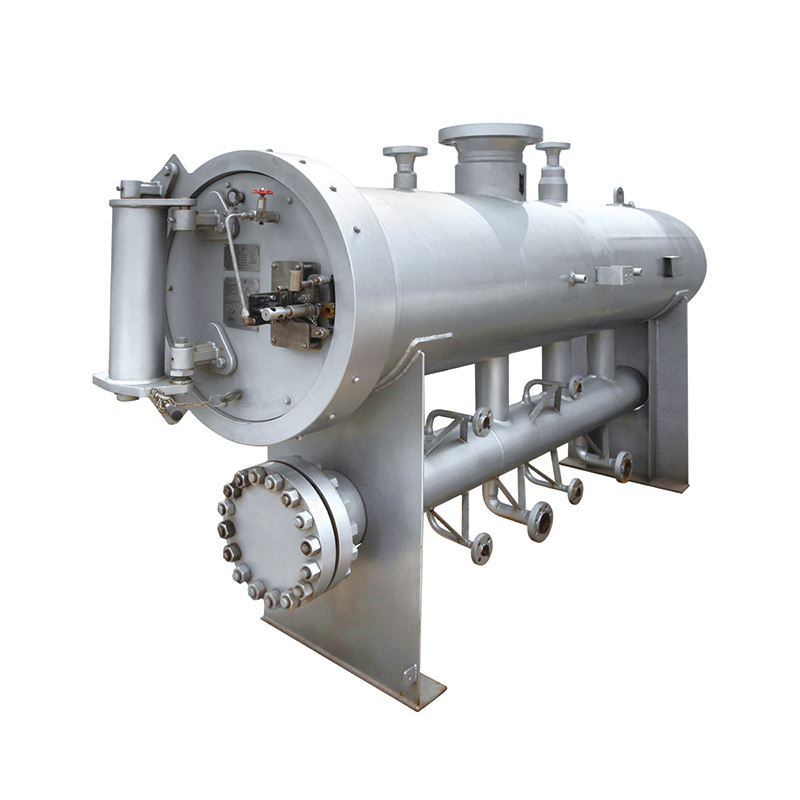
- Piping Spool Production: Pipes are cut, bent, and welded. For critical components like the product "Gas Pretreatment Equipment-Units of Pig Launcher and Receiver," manufacturing involves precision casting and forging for robust, high-pressure capabilities, followed by CNC machining to achieve tight tolerances for seals and connections. These units are crucial for protecting downstream metering systems from debris and contaminants.
- Instrumentation Assembly: Flow meters, pressure transmitters, temperature sensors, and control valves are integrated.
- 4. Welding and Fabrication: All welding is performed by certified welders according to ASME Section IX, utilizing processes like GTAW (TIG) and SMAW (Stick). Non-destructive testing (NDT) such as X-ray radiography, ultrasonic testing (UT), and magnetic particle inspection (MPI) are conducted to ensure weld integrity.
- 5. Surface Treatment: Components undergo cleaning, sandblasting (Sa 2.5), and multi-layer painting (e.g., epoxy primer, polyurethane topcoat) for corrosion resistance, especially vital for external applications or harsh industrial environments. Internal surfaces for specialized applications may require polishing or specialized coatings.
- 6. Assembly: Integration of all mechanical, electrical, and instrumentation components onto the skid. This includes wiring, tubing, and mounting of control panels.
-
7. Testing and Calibration:
- Hydrostatic Testing: Pressure integrity testing of piping and vessels to 1.5 times design pressure, as per ASME B31.3.
- Functional Testing: Verification of instrument wiring, valve operation, and control system logic.
- Flow Calibration: Meters are calibrated using certified primary standards (e.g., water, air, or gas provers) to ensure accuracy within specified tolerances (e.g., +/- 0.1% to 0.5%). This is critical for gas metering.
- FAT (Factory Acceptance Test): Witnessed by the client, this ensures the system meets all contractual specifications and operational requirements.
- 8. Documentation and Shipping: Comprehensive documentation, including operation and maintenance manuals, test reports, and calibration certificates, is prepared. The system is then prepared for shipment.
The adherence to international testing standards like ISO 9001 (Quality Management), API MPMS (Manual of Petroleum Measurement Standards), and ANSI/AGA Report No. 7 (Measurement of Gas by Turbine Meters) ensures the highest levels of quality and performance. Our metering systems are engineered for a service life of 20+ years, providing long-term reliability and accuracy. They deliver significant advantages such as energy saving through precise measurement, exceptional corrosion resistance due to material selection and surface treatment, and enhanced operational safety.
Typical Metering System Component Specifications
Application Scenarios and Industry Advantages
The versatility and reliability of modern metering systems make them indispensable across a wide array of industrial applications. These systems are crucial for maintaining operational efficiency, ensuring safety, and complying with ever-evolving environmental and fiscal regulations.
Target Industries:
- Oil & Gas Production and Transmission: Critical for custody transfer points at wellheads, pipelines, and terminals, ensuring accurate measurement of crude oil and natural gas for commercial transactions. These systems also monitor pipeline integrity and detect leaks.
- Petrochemical and Chemical Plants: Essential for precise control of reactant feeds, product output measurement, and internal process balancing. This directly impacts product quality, yield, and safety.
- Natural Gas Distribution: Used at city gate stations and industrial consumption points for billing, network balancing, and loss detection in gas metering.
- Power Generation: Measurement of fuel gas (e.g., natural gas) supply to turbines and boilers for efficiency monitoring and environmental reporting. Often involving natural gas heat exchanger units to condition the gas before metering.
- Industrial Manufacturing: Across various sectors from food & beverage to pharmaceuticals, for utility monitoring (steam, compressed air, process gases) and specialized ingredient measurement.
Advantages in Typical Application Scenarios:
- Energy Saving and Efficiency: Precise gas metering allows operators to accurately monitor consumption, identify inefficiencies, and optimize fuel usage. For instance, in power plants, accurate measurement of natural gas input directly translates to optimizing combustion efficiency, resulting in significant energy savings and reduced emissions. This is often preceded by ensuring the gas is at optimal temperature and pressure, where a gas heat exchanger might play a role.
- Corrosion Resistance and Longevity: By utilizing advanced materials like 316L stainless steel for wetted parts and robust coating systems, our metering systems are designed to withstand highly corrosive process environments and harsh external conditions. This extends service life, reduces maintenance costs, and ensures consistent performance, even when handling sour gas or aggressive chemicals.
- Enhanced Safety and Reliability: Accurate and reliable measurement helps prevent over-pressurization, under-delivery, and other operational deviations that could lead to safety incidents or equipment damage. Integrated safety features and robust construction ensure systems operate dependably, minimizing downtime and risk. Regular inspection via pigging, enabled by "Gas Pretreatment Equipment-Units of Pig Launcher and Receiver," helps maintain pipeline integrity, further enhancing safety for connected metering systems.
- Regulatory Compliance: With strict environmental regulations and fiscal measurement standards, high-accuracy metering systems ensure compliance with emissions reporting, taxation, and fair commercial transactions. Certifications to API, AGA, and OIML standards provide auditable proof of measurement integrity.
Technical Advantages and Performance Excellence
Our commitment to engineering excellence translates into metering systems that offer unparalleled technical advantages and superior performance. These features are critical for industries where precision, reliability, and long-term value are non-negotiable.
- Exceptional Measurement Accuracy: Employing cutting-edge flow measurement technologies such as Coriolis mass flow meters (offering ±0.1% accuracy), advanced ultrasonic meters (with bidirectional measurement and no moving parts), and high-precision turbine meters, our systems ensure minimal measurement uncertainty. This accuracy is paramount for fiscal metering and high-value product transfers.
- Robust Reliability and Longevity: Built with industrial-grade components and constructed to withstand harsh operational conditions (extreme temperatures, pressures, and corrosive media), our metering systems boast an impressive operational lifespan, often exceeding 20 years with minimal intervention. This is achieved through rigorous material selection, robust design, and meticulous manufacturing processes.
- Seamless Data Integration and Connectivity: Equipped with modern communication protocols (Modbus, Profibus, Ethernet IP, OPC UA), our systems integrate effortlessly with existing Distributed Control Systems (DCS), SCADA, and enterprise resource planning (ERP) platforms. This ensures real-time data access, enhanced operational visibility, and streamlined reporting.
- Reduced Operational Expenditure (OpEx): The combination of high accuracy, reliability, and low maintenance requirements directly contributes to significant OpEx reductions. Fewer unplanned shutdowns, precise inventory management, and optimized energy consumption all improve the bottom line.
- Advanced Diagnostics and Self-Verification: Many components within our metering systems incorporate advanced diagnostic features that continuously monitor performance, identify potential issues before they become critical, and even offer self-verification capabilities. This proactive approach ensures maximum uptime and reduces the need for frequent manual checks.
Vendor Comparison and Customized Solutions
Selecting the right vendor for metering systems is a strategic decision that impacts operational efficiency, compliance, and long-term cost of ownership. Beyond standard product offerings, the ability to provide tailored solutions is a critical differentiator.
Key Criteria for Vendor Selection:
- Accuracy and Reliability Track Record: Proven performance in challenging applications, backed by client testimonials and industry certifications.
- After-Sales Support and Service Network: Availability of technical support, spare parts, calibration services, and field service engineers globally.
- Certifications and Compliance: Adherence to international standards (ISO, API, AGA, OIML) and local regulatory requirements.
- Technology Integration Capabilities: Ability to seamlessly integrate with existing plant infrastructure and offer advanced data analytics.
- Customization and Engineering Expertise: The capacity to design and build bespoke solutions for unique process conditions or specific operational challenges.
- Total Cost of Ownership (TCO): Evaluation of initial investment, operational costs, maintenance, and expected lifespan.
The Value of Customized Solutions:
Standard metering systems may suffice for generic applications, but complex industrial processes often demand tailored solutions. Customization allows for optimal integration, enhanced performance under specific conditions, and compliance with niche regulatory requirements. This includes:
- Specific Pressure & Temperature Ratings: Designing systems for extreme operating windows, from cryogenic conditions to high-temperature steam.
- Hazardous Area Classifications: Ensuring compliance with ATEX, IECEx, or NFPA for installations in explosive atmospheres.
- Corrosive Fluid Compatibility: Selection of exotic materials or specialized coatings for highly aggressive media.
- Integration with Existing Infrastructure: Designing the system to interface seamlessly with legacy control systems or specific data historians.
- Compact Footprint Designs: Engineering solutions for limited space availability, often requiring innovative skid design.
Our approach begins with a comprehensive engineering consultation, followed by detailed design, manufacturing, and rigorous testing, ensuring the customized solution precisely meets the client's unique operational needs and challenges.
Generalized Metering System Vendor Comparison Factors
Real-world Application Case Studies
The tangible benefits of advanced metering systems are best illustrated through successful real-world applications. These case studies demonstrate how precision measurement translates into operational excellence, cost savings, and regulatory compliance.
Case Study 1: Large-Scale Natural Gas Custody Transfer Terminal
A major natural gas pipeline operator required a high-accuracy fiscal metering station at a critical custody transfer point between national and regional distribution networks. The challenge was to measure high-volume natural gas flow (up to 500 MMSCFD) with an uncertainty of less than ±0.25%, amidst varying pressure and temperature conditions, while ensuring uninterrupted operation and robust gas filtration upstream.
Our solution involved a multi-stream ultrasonic gas metering skid, integrating three 12-inch ultrasonic flow meters configured in a duty/standby arrangement, coupled with redundant pressure and temperature transmitters, and an API 21.1 compliant flow computer. Upstream, a "Gas Pretreatment Equipment-Units of Pig Launcher and Receiver" system was installed to facilitate regular pigging operations, ensuring the pipeline leading to the metering station remained free of debris and liquids, thereby protecting the sensitive flow meters and maintaining measurement accuracy. A natural gas heat exchanger was also integrated to ensure gas temperature stability for optimal measurement performance.
Results: The new metering systems achieved an actual measurement uncertainty of ±0.18%, exceeding the client's stringent requirements. This led to a significant reduction in measurement-related financial disputes and improved confidence in billing. The system's advanced diagnostics provided predictive maintenance alerts, reducing unplanned downtime by 15% in the first year of operation. The integral pig launcher/receiver ensured minimal interruption during maintenance, contributing to continuous availability.
Case Study 2: Petrochemical Plant Process Optimization
A petrochemical facility aimed to optimize the production of a specialty chemical by precisely controlling the input of two critical gaseous reactants. Inconsistent flow rates from existing legacy equipment led to variations in product quality and increased raw material wastage. The client needed an upgrade that offered high accuracy, real-time control, and resistance to aggressive chemical media.
We engineered and supplied two compact metering systems, each featuring a Coriolis mass flow meter for highly accurate mass flow measurement, complemented by specialized pressure and temperature transmitters. All wetted parts were constructed from Hastelloy C-276 to resist the highly corrosive gases. Each system was integrated with the plant's DCS via redundant Modbus TCP links, enabling real-time control and data logging. Before the metering skids, advanced gas filtration units were deployed to protect the Coriolis meters from particulate contamination, which is critical for maintaining long-term accuracy and preventing sensor damage.
Results: The implementation of these advanced metering systems resulted in a 7% increase in consistent product quality and a 5% reduction in raw material consumption due to optimized reactant ratios. The real-time data allowed operators to fine-tune processes instantly, leading to a 10% improvement in overall plant efficiency for that production line. The corrosion-resistant design ensured a projected service life exceeding 15 years with minimal maintenance.
Frequently Asked Questions (FAQ)
Q1: What is the typical lead time for a custom metering system?
A1: Lead times vary depending on complexity and customization. For standard skid-mounted systems, lead time ranges from 12-16 weeks. Highly customized or large-scale projects, especially those requiring specific "Gas Pretreatment Equipment-Units of Pig Launcher and Receiver" integration, may require 20-30 weeks, from design approval to Factory Acceptance Test (FAT). We provide a detailed project schedule upon receipt of the final order.
Q2: What kind of warranty is offered on your metering systems?
A2: We offer a standard 18-month warranty from the date of shipment or 12 months from commissioning, whichever comes first, covering defects in materials and workmanship. Extended warranty options and comprehensive service contracts are also available upon request, providing peace of mind for the entire lifecycle of your equipment.
Q3: Can your metering systems handle corrosive gases or liquids?
A3: Absolutely. Our engineering team specializes in selecting appropriate materials (e.g., Duplex Stainless Steel, Hastelloy, Monel) and specialized coatings to ensure robust corrosion resistance for highly aggressive media. Each system is designed to meet the specific chemical compatibility requirements of your process fluid, including considerations for gas heat exchanger and gas filtration components.
Q4: What after-sales support and spare parts availability do you provide?
A4: We provide comprehensive after-sales support, including 24/7 technical assistance, remote diagnostics, and on-site field service. A complete list of recommended spare parts is provided with each system, and critical spares are typically stocked for rapid deployment to minimize downtime. Training programs for client personnel on operation and maintenance are also available.
Authoritativeness, Certifications, and Industry Recognition
Our position as a trusted provider of high-performance metering systems is built upon a foundation of extensive industry experience, rigorous certifications, and a commitment to quality that aligns with global best practices.
- Industry Experience: With over two decades of specialized expertise in fluid measurement and control, we have successfully delivered complex gas metering solutions to leading companies across the energy, petrochemical, and utility sectors worldwide. Our deep understanding of process challenges, from gas filtration requirements to sophisticated custody transfer, enables us to provide optimized solutions.
- Certifications & Standards: Our manufacturing facilities and quality management systems are certified to ISO 9001:2015, ensuring consistent product quality and adherence to internationally recognized standards. All metering systems are designed and fabricated in compliance with relevant API (American Petroleum Institute) standards (e.g., API MPMS for measurement), ASME codes (e.g., ASME B31.3 for process piping), and local regulatory requirements. Equipment for hazardous areas meets ATEX/IECEx directives.
- Trusted Partnerships: We have established long-term partnerships with major operators and engineering, procurement, and construction (EPC) firms globally. Our client portfolio includes national oil companies, international energy corporations, and chemical manufacturing giants, attesting to our capability and reliability.
- Rigorous Testing and Validation: Every metering system undergoes comprehensive Factory Acceptance Tests (FATs), often witnessed by independent third-party inspectors and client representatives. These tests include hydrostatic pressure tests, functional performance checks, and detailed calibration against traceable standards. Our "Gas Pretreatment Equipment-Units of Pig Launcher and Receiver" units also pass stringent pressure testing protocols to ensure their robust integrity for pipeline operations.
- Commitment to Quality: Our internal quality control procedures exceed minimum industry requirements, involving multiple inspection points from raw material receipt to final product shipment. This dedication ensures that our systems perform reliably and accurately from day one, offering exceptional long-term value.
Conclusion
Advanced metering systems are pivotal in enabling precise measurement, optimizing operational efficiency, and ensuring regulatory compliance across diverse industrial sectors. By integrating cutting-edge technology, robust engineering, and comprehensive support, these systems deliver unparalleled accuracy, reliability, and long-term value. As industries continue to evolve, the demand for intelligent, highly customizable, and dependable metering solutions will only intensify, solidifying their role as essential assets for modern industrial infrastructure.
References:
- American Petroleum Institute (API) Manual of Petroleum Measurement Standards (MPMS).
- International Organization for Standardization (ISO) 9001:2015.
- American Gas Association (AGA) Reports on Gas Measurement.
- ASME Boiler and Pressure Vessel Code (BPVC), particularly Section IX and B31.3.
Latest news
-
Industrial Natural Gas Pressure Reducing Valve Guide and SelectionNewsApr.16,2026
-
Understanding the Industrial Regulating Valve for Fluid ControlNewsApr.09,2026
-
Understanding Gas Pressure Reducer Types Applications and Safety MeasuresNewsApr.07,2026
-
Understanding and Optimizing Gas Pressure Reducing Valve SystemsNewsApr.04,2026
-
Optimizing System Performance with the Right Filter Separator SelectionNewsMar.31,2026
-
Comprehensive Guide to Understanding and Utilizing Pressure Pipe SystemsNewsMar.28,2026