


Sep . 13, 2025 08:00
Back to list
Premium Basket Strainers: Optimal Filtration & Equipment Protection
Introduction to Industrial Filtration with Basket Strainers
In industrial processes, the integrity and efficiency of fluid systems are paramount. Contaminants, whether particulate matter, debris, or foreign objects, can lead to equipment damage, operational disruptions, and costly downtime. This is where high-performance filtration solutions, particularly basket strainers, play a critical role. Designed to remove solids from liquid or gas streams, these devices ensure the protection of downstream components such as pumps, valves, heat exchangers, and instrumentation.
This article delves into the technical intricacies, application versatility, and strategic advantages of modern industrial strainers. We will explore their manufacturing processes, adhere to stringent quality standards, and provide insights into their diverse applications across various sectors, ensuring operational reliability and extended equipment lifespan for B2B decision-makers and engineering professionals.
Industry Trends in Fluid Filtration and System Protection
The industrial filtration landscape is continually evolving, driven by demands for higher efficiency, environmental compliance, and advanced automation. Current trends emphasize smart filtration systems with integrated sensors for real-time monitoring of differential pressure, indicating the need for cleaning or replacement. Materials science advancements are leading to more durable and corrosion-resistant straining elements, extending service life and reducing maintenance frequency.
Furthermore, there's a growing push towards modular designs that allow for easier upgrades and customization, accommodating diverse process requirements. The integration of filtration with other critical components, such as `relief valves` for overpressure protection and `pneumatic control valve` systems for automated flow regulation, is also becoming more prevalent. This holistic approach to system design aims to optimize entire process lines rather than individual components, leading to greater operational synergy and safety.
Understanding Basket Strainers: Technical Specifications
Basket strainers are a class of pipeline strainers designed to capture solid particles within a removable basket-shaped element. Unlike Y-strainers, their larger straining area and typically vertical orientation make them ideal for applications requiring infrequent cleaning and low-pressure drop. They are particularly suitable for processes where the solid content is high or where flow cannot be interrupted during cleaning (in duplex configurations).
Key Technical Parameters:
- Material Selection: Common materials include Stainless Steel (304, 316L for corrosion resistance), Carbon Steel (for strength in non-corrosive environments), Duplex Stainless Steel (e.g., Duplex 2205, Super Duplex 2507 for enhanced corrosion and pitting resistance), and exotic alloys like Hastelloy or Monel for highly aggressive media.
- Design Configurations: Single basket strainers (simplex) are used when the line can be shut down for cleaning. Duplex basket strainers incorporate two strainer bodies with a diversion valve system, allowing one basket to be cleaned while the other remains in service, ensuring continuous operation.
- Connectivity: Typically flanged connections (ANSI B16.5, DIN, JIS standards) for secure, leak-proof installation in large bore piping, but also available with threaded (NPT, BSP) or butt-weld ends.
- Pressure & Temperature Ratings: Designed to meet various pressure classes (e.g., Class 150, 300, 600) and temperature ranges, critical for high-pressure systems and applications with extreme operating conditions.
- Filtration Degree (Mesh Size): Determined by the application's particulate removal requirements, ranging from coarse straining (perforated plate, 1/8" to 1/2") to fine filtration (wire mesh, down to 400 mesh, ~37 microns).
Typical Product Specification Table:
| Parameter | Specification Range | Applicable Standards |
|---|---|---|
| Body Material | Carbon Steel (WCB), Stainless Steel (304, 316, 316L), Duplex SS (2205) | ASTM A216 WCB, ASTM A351 CF8/CF8M/CF3M, ASTM A890 |
| Connection Type | Flanged (RF, RTJ), Butt-Weld, Threaded (NPT, BSP) | ANSI B16.5, B16.25, B1.20.1, DIN EN 1092-1 |
| Nominal Size (DN/NPS) | DN50 (2") to DN1000 (40") | EN 558, ASME B16.10 |
| Pressure Class | PN10/16/25/40 (DIN), Class 150/300/600/900 (ANSI) | EN 1333, ASME B16.34 |
| Operating Temperature | -29°C to 450°C (depending on material & pressure) | ASME B16.34, EN 12516-1 |
| Filtration Degree | Perforated (1/8" to 1/2"), Mesh (20 to 400 mesh) | Customizable |
The Meticulous Manufacturing Process of Basket Strainers
The production of high-quality industrial basket strainers demands precision, robust engineering, and adherence to international standards. Our manufacturing process ensures optimal performance, extended service life, and compliance with the most rigorous industrial requirements.
Process Flow Overview:
Manufacturing Process Flow for Basket Strainers
-
Raw Material Procurement & Inspection:
Selection of certified materials (e.g., ASME/ASTM approved Carbon Steel, Stainless Steel, Duplex SS) with full traceability. Incoming material inspection verifies chemical composition, mechanical properties, and compliance with standards.
-
Body Fabrication (Casting/Forging/Welding):
- Casting: For complex shapes, bodies are cast according to ASTM specifications, followed by heat treatment to achieve desired material properties.
- Forging: For higher pressure and temperature applications, robust forged components are used for flanges and end connections.
- Welding: For fabricated strainers, qualified welders perform welding according to ASME Section IX, utilizing advanced techniques to ensure structural integrity and leak-proof seams.
-
Precision Machining (CNC):
CNC machining centers ensure precise dimensions for flange faces, sealing surfaces, and basket seating areas. This critical step guarantees proper fitment and sealing performance, minimizing pressure drop and maximizing efficiency.
-
Basket Manufacturing:
Perforated or wire mesh baskets are fabricated to exact specifications for filtration degree. Materials match the body for compatibility, ensuring corrosion resistance and structural integrity. Edges are deburred and reinforced for durability.
-
Surface Treatment:
Depending on the material and application, surfaces undergo pickling, passivation (for stainless steel to enhance corrosion resistance), sandblasting, or protective coating/painting.
-
Assembly & Sealing:
Components are assembled with precision. High-quality gaskets and sealing materials are selected based on temperature, pressure, and chemical compatibility to prevent leaks. Quick-opening covers are tested for ease of operation.
-
Testing & Quality Assurance:
Every unit undergoes rigorous testing:
- Hydrostatic Testing: To confirm pressure boundary integrity as per ISO 5208, API 598, and ANSI B16.34 standards.
- Pneumatic Testing: For leak detection at seats and packing.
- Dimensional Inspection: Verification against engineering drawings.
- Non-Destructive Testing (NDT): Radiography, Ultrasonic Testing, Magnetic Particle Inspection, and Dye Penetrant Inspection are performed as required by project specifications.
-
Final Inspection & Packaging:
Final visual inspection, documentation, and protective packaging for safe transit to the client site.
Our commitment to these detailed manufacturing steps ensures that each basket strainers unit delivered is of the highest quality, offering a long service life and reliable performance in demanding industrial environments, including petrochemical, metallurgy, and water supply & drainage sectors. For instance, in corrosive applications, the meticulous selection of Duplex Stainless Steel materials significantly enhances corrosion resistance, reducing the frequency of replacements and contributing to substantial energy saving through consistent flow.
Diverse Application Scenarios and Target Industries
Basket strainers are indispensable in a vast array of industrial applications where preventing particulate contamination is critical. Their versatility makes them a preferred choice across numerous sectors:
- Petrochemical and Chemical Processing: Protecting pumps, heat exchangers, and sensitive instrumentation from fouling and damage due to catalysts, polymers, or general debris. They are crucial in ensuring the purity of process streams and the efficiency of refining operations.
- Oil & Gas Industry: Used upstream, midstream, and downstream for filtering crude oil, refined products, and natural gas. This includes protecting compressors, turbines, and `natural gas valve` arrays, especially in high-pressure lines where contamination can lead to significant safety and operational hazards. Strainers also precede `high pressure regulators` to prevent erosion and ensure stable pressure control.
- Water and Wastewater Treatment: Essential for protecting reverse osmosis membranes, UV sterilization units, and pumping stations from suspended solids, ensuring clean water supply and efficient effluent treatment.
- Power Generation: Utilized in cooling water systems, fuel oil lines, and condensate return systems to protect condensers, turbines, and boiler feedwater pumps from scaling and erosion.
- Pharmaceutical and Food & Beverage: Employed for product clarification, protecting nozzles, and ensuring compliance with stringent purity standards. Stainless steel and polished finishes are common in these hygienic applications.
- Pulp and Paper: Filtering process water and raw pulp slurries to protect pumps and spray nozzles, maintaining product quality and operational efficiency.
In these scenarios, the advantages are clear: enhanced equipment longevity, reduced maintenance, and improved process uptime. For instance, in a large-scale power plant, the continuous operation afforded by duplex basket strainers in cooling water intake systems translates directly into millions of dollars saved by preventing unscheduled shutdowns and ensuring consistent power generation.
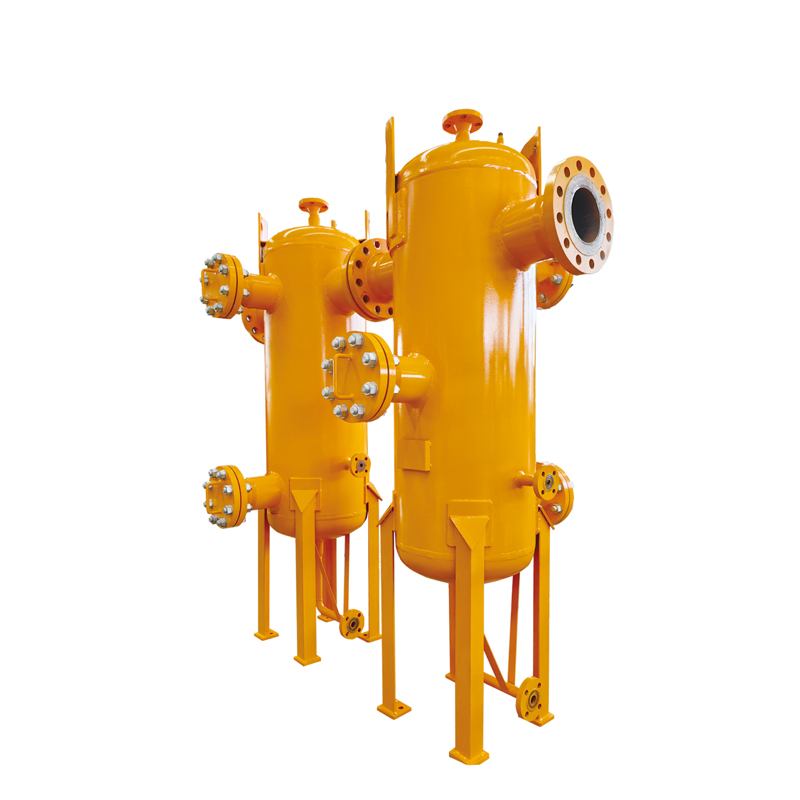
Technical Advantages of Advanced Basket Strainer Designs
Modern basket strainers offer a suite of technical advantages that surpass traditional filtration methods, ensuring superior performance and economic benefits:
- High Flow Rate and Low Pressure Drop: Optimized internal design minimizes turbulence and maximizes flow area, resulting in significantly lower pressure differential across the strainer. This translates to reduced pumping energy costs, contributing to notable energy saving.
- Ease of Maintenance: Featuring quick-opening covers (e.g., davit arms or swing bolts), these strainers allow for rapid and tool-free basket removal and cleaning. This dramatically reduces maintenance time and labor costs.
- Robust Construction and Extended Service Life: Constructed from heavy-duty materials (e.g., cast or forged bodies) and designed to ASME B16.34 standards, these strainers are built to withstand harsh operating conditions, ensuring a service life often exceeding 20 years with proper maintenance.
- Superior Corrosion Resistance: With options for various stainless steels, duplex alloys, and protective coatings, our strainers offer exceptional corrosion resistance in aggressive chemical environments, extending their operational lifespan and reducing replacement frequency.
- Versatility in Filtration Degree: From coarse debris removal to fine particulate capture, the interchangeable baskets allow for a wide range of filtration efficiencies, adaptable to changing process requirements.
- Continuous Operation (Duplex Strainers): Duplex configurations are vital for critical processes that cannot tolerate shutdown. The ability to switch between baskets seamlessly ensures uninterrupted flow and sustained plant productivity.
Vendor Comparison and Selection Criteria
Selecting the right vendor for industrial basket strainers is a strategic decision that impacts long-term operational efficiency and cost. Key factors extend beyond initial purchase price and encompass product quality, technical support, and after-sales service.
Critical Comparison Factors:
- Certifications and Compliance: Verify adherence to international standards like ISO 9001 (Quality Management), ASME (Boiler & Pressure Vessel Code), API (American Petroleum Institute), and CE marking for European markets.
- Material Quality & Traceability: Ensure suppliers provide material test reports (MTRs) and guarantee the use of certified, high-grade materials.
- Customization Capabilities: Assess the ability to provide bespoke solutions for unique process requirements (e.g., special coatings, non-standard connections, differential pressure ports).
- Lead Time & Fulfillment: Evaluate the vendor's capacity to meet delivery schedules, especially for urgent projects or large-scale installations.
- Technical Expertise & Support: The vendor should have experienced engineers capable of offering guidance on sizing, material selection, and troubleshooting.
- After-Sales Service and Warranty: Look for comprehensive warranty periods and readily available spare parts and technical assistance.
Hypothetical Vendor Comparison Table:
| Feature | Vendor A (Our Company) | Vendor B (Competitor) |
|---|---|---|
| Certifications | ISO 9001, ASME U/UM Stamp, CE, API 6A/6D | ISO 9001, CE |
| Material Traceability | 100% MTRs for all wetted parts | Limited MTRs for critical components |
| Customization Options | Extensive: Exotic alloys, special coatings, custom dimensions, automated cleaning systems | Moderate: Standard material variations, limited design modifications |
| Typical Lead Time (Standard) | 4-6 weeks | 6-10 weeks |
| Technical Support | Dedicated engineering team, 24/7 emergency support | Standard business hours support |
| Warranty Period | 24 months from installation / 36 months from shipment | 12 months from installation |
Customized Filtration Solutions
While standard basket strainers meet many industrial needs, unique process conditions often necessitate tailored solutions. Our engineering team specializes in designing and manufacturing custom strainers to address specific challenges:
- Exotic Material Requirements: For extremely corrosive or high-temperature applications, we provide strainers fabricated from Hastelloy, Monel, Inconel, or Titanium.
- Non-Standard Pressure/Temperature Ratings: Designing strainers for operating conditions exceeding typical API or ASME standards.
- Unique Connection Types: Custom flange dimensions, specialized welding preparations, or hybrid connections.
- Integrated Instrumentation: Incorporating differential pressure gauges, transmitters, or automated blowdown systems for intelligent filtration management.
- Special Coatings and Linings: For abrasion resistance or enhanced chemical compatibility.
Our collaborative approach ensures that the customized solution integrates seamlessly into existing infrastructure, delivering optimal performance and longevity for the specific application.
Application Case Studies: Real-World Performance
Case Study 1: Petrochemical Plant - High-Pressure Feedstock Protection
A major petrochemical complex faced persistent issues with particulate contamination in its crude oil feedstock, leading to frequent fouling and erosion in heat exchangers and reactor catalyst beds. The existing filtration system was insufficient, causing significant downtime for cleaning and component replacement.
Solution: We engineered and supplied a series of duplex basket strainers, fabricated from API 5L Grade B carbon steel with internal stainless steel baskets (100-mesh), designed for Class 600 pressure ratings and operating at temperatures up to 250°C. The duplex design allowed for continuous operation, with automated differential pressure monitoring signaling when a basket required cleaning.
Results: Over an 18-month period, the plant reported a 70% reduction in heat exchanger fouling and a 45% extension in catalyst bed service life. Unscheduled downtime related to contamination was virtually eliminated, leading to an estimated annual saving of over $1.5 million in maintenance and production losses. Our solution provided robust protection, enhancing operational efficiency and reliability under extreme conditions.
Case Study 2: Municipal Water Treatment Plant - Pre-Filtration for RO Systems
A large municipal water treatment facility, relying on reverse osmosis (RO) for potable water production, struggled with suspended solids prematurely fouling their RO membranes. Manual cleaning of their existing strainers was labor-intensive and resulted in periods of reduced water production.
Solution: We implemented large-capacity, quick-opening basket strainers with 316L Stainless Steel bodies and fine mesh baskets (50-micron nominal). The strainers were designed for an aggressive freshwater environment and optimized for minimal pressure drop, even with high solids loading. The quick-opening cover allowed for rapid basket exchange and cleaning by a single operator.
Results: The plant observed a 30% increase in RO membrane lifespan and a significant reduction in backwash frequency. Labor hours for strainer maintenance were cut by 60%, and overall water production stability improved dramatically. The corrosion resistance of the 316L construction also ensured sustained performance over many years, proving the long-term cost-effectiveness.
Frequently Asked Questions (FAQ)
Q: What is the primary difference between simplex and duplex basket strainers?
A: Simplex basket strainers are designed for applications where the flow can be temporarily shut down for cleaning. Duplex strainers, on the other hand, feature two strainer baskets and a diverting valve, allowing one basket to be cleaned while the other remains in service, ensuring continuous operation without interruption.
Q: How do I select the correct mesh size for my application?
A: Mesh size selection depends on the size of the particles you need to remove and the sensitivity of your downstream equipment. Coarse straining typically uses perforated plates (e.g., 1/8" to 1/2"), while finer filtration requires wire mesh (e.g., 20 mesh to 400 mesh, capturing particles down to ~37 microns). Consulting with our technical team is recommended for precise sizing.
Q: What materials are available for corrosive environments?
A: For corrosive applications, we offer basket strainers in various grades of Stainless Steel (304L, 316L), Duplex Stainless Steel (2205, 2507), and exotic alloys such as Hastelloy, Monel, and Inconel. Material selection is based on the specific chemical properties and temperature of the fluid being processed.
Q: What is your typical lead time for custom basket strainers?
A: Lead times for custom solutions vary depending on complexity, material availability, and current production schedules. Standard products typically range from 4-6 weeks, while highly customized units may require 8-12 weeks. We strive to meet project deadlines and provide transparent communication throughout the order fulfillment process.
Warranty and Customer Support
We stand behind the quality and reliability of our basket strainers with a comprehensive warranty program. All products are warranted against defects in material and workmanship for a period of 24 months from the date of installation or 36 months from the date of shipment, whichever comes first.
Our dedicated customer support team and network of service technicians provide prompt assistance for technical inquiries, troubleshooting, spare parts, and on-site support. We are committed to ensuring optimal performance and maximum uptime for your filtration systems, offering unparalleled after-sales service to our valued clients.
Conclusion
High-quality basket strainers are a foundational element for maintaining the efficiency, safety, and longevity of critical industrial processes. By preventing contamination, protecting sensitive equipment, and enabling continuous operation, these robust filtration devices deliver substantial operational and economic benefits.
Our commitment to superior engineering, stringent manufacturing standards, and comprehensive customer support ensures that our products are not merely components but integral solutions that empower industries to achieve peak performance. Partner with us to secure your fluid systems with reliable, high-performance filtration technology.
References
- American Society of Mechanical Engineers. (2021). ASME Boiler and Pressure Vessel Code, Section VIII, Division 1: Rules for Construction of Pressure Vessels. ASME.
- International Organization for Standardization. (2015). ISO 9001: Quality management systems – Requirements. ISO.
- American Petroleum Institute. (2018). API Specification 6A: Specification for Wellhead and Christmas Tree Equipment. API.
- Fluid Power Association. (2020). Industrial Filtration Handbook: Principles and Applications. FPA Publications.
- Chemical Engineering Journal. (2019). Advances in Industrial Filtration Technologies for Process Optimization. Elsevier.
Latest news
-
Industrial Natural Gas Pressure Reducing Valve Guide and SelectionNewsApr.16,2026
-
Understanding the Industrial Regulating Valve for Fluid ControlNewsApr.09,2026
-
Understanding Gas Pressure Reducer Types Applications and Safety MeasuresNewsApr.07,2026
-
Understanding and Optimizing Gas Pressure Reducing Valve SystemsNewsApr.04,2026
-
Optimizing System Performance with the Right Filter Separator SelectionNewsMar.31,2026
-
Comprehensive Guide to Understanding and Utilizing Pressure Pipe SystemsNewsMar.28,2026