


Sep . 19, 2025 18:15
Back to list
Reliable Gas Safety Relief Valve for Overpressure Protection
Understanding the Critical Role of Gas Safety Relief Valves
In the intricate world of industrial gas management, safety is paramount. Overpressure events, if not properly managed, can lead to catastrophic failures, posing severe risks to personnel, equipment, and the environment. This is where the gas safety relief valve (SRV) plays an indispensable role. An SRV is a critical mechanical device designed to protect pressure vessels, pipelines, and other equipment from exceeding their maximum allowable working pressure (MAWP) by automatically discharging fluid (gas, steam, or liquid) when a pre-set pressure is reached. Once the pressure returns to a safe level, the valve automatically recloses, preventing further loss of material. This article delves into the technical aspects, applications, and strategic importance of these essential safety components, particularly within B2B contexts such as natural gas distribution and industrial processing.
Industry Trends and Regulatory Landscape
The industrial gas sector is witnessing a convergence of evolving safety regulations, technological advancements, and a growing emphasis on environmental sustainability. Key trends influencing the development and deployment of gas safety relief valve solutions include:
- Digitalization and Smart Monitoring: Integration of pressure relief systems with SCADA and IoT platforms for real-time monitoring, predictive maintenance, and remote diagnostics. This allows for proactive intervention and enhanced operational safety.
- Stricter Environmental Standards: A push towards minimizing fugitive emissions during blowdown events, leading to the development of "zero-leak" designs or systems that safely capture and vent discharged gases.
- Advanced Material Science: Use of high-performance alloys (e.g., Duplex stainless steel, Hastelloy, Inconel) for enhanced corrosion resistance and suitability for aggressive media, extending service life in challenging environments.
- Higher Efficiency and Reliability: Demand for valves with improved flow coefficients (Cv values), faster response times, and superior seat tightness to minimize product loss and ensure precise pressure control.
- Global Harmonization of Standards: Increasing alignment of international standards like ISO 4126, API 520/526, and ASME Boiler and Pressure Vessel Code, simplifying compliance for global projects.
The imperative for robust safety mechanisms is consistently reinforced by tragic industrial incidents, driving continuous improvement in valve design and operational protocols. Companies operating in fields like natural gas distribution station management are particularly sensitive to these trends, requiring solutions that meet stringent safety and environmental mandates.
Technical Specifications and Operating Principles
A gas safety relief valve operates on a fundamental principle: a spring-loaded disc or piston held against an orifice by the force of a spring, adjusted to a specific set pressure. When the upstream pressure exceeds this set pressure, the force exerted by the fluid overcomes the spring force, lifting the disc off its seat and allowing the fluid to vent.
Key Components and Terminology:
- Body: The main housing, typically cast or forged from materials like carbon steel (e.g., A216 WCB), stainless steel (e.g., A351 CF8M), or special alloys.
- Nozzle (Seat): The inlet opening where the pressure acts.
- Disc (Valve Member): The movable element that covers the nozzle. Materials vary based on service (e.g., 316 SS, Stellite-faced).
- Spring: The element providing the closing force, calibrated to the set pressure.
- Bonnet: Encloses the spring and guides the stem. Often vented to atmosphere or to a closed discharge system.
- Lift: The actual travel of the disc from the closed position. Full lift valves achieve maximum flow capacity quickly.
- Overpressure: The pressure increase above the set pressure required for the valve to achieve full lift and rated flow.
- Blowdown: The difference between the set pressure and the re-seating pressure, usually expressed as a percentage of set pressure.
Typical Parameters for Gas Safety Relief Valves:
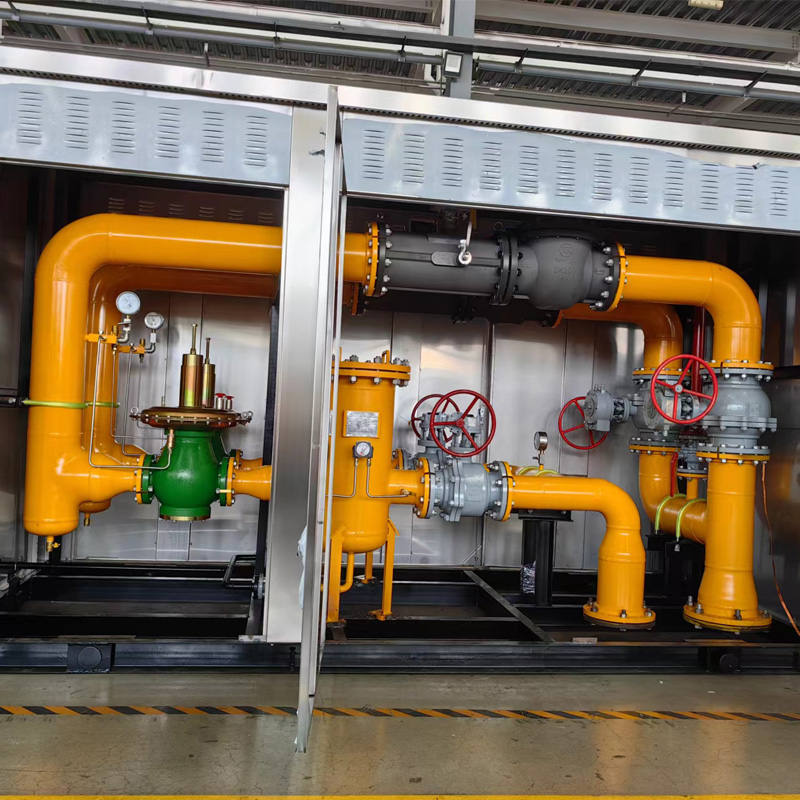
Beyond conventional spring-loaded designs, pilot-operated relief valves (PORVs) offer higher set pressure accuracy and closer blowdown, ideal for applications requiring minimal process upset during relief. Rupture discs also serve as one-time overpressure protection devices, often used in conjunction with SRVs for layered safety.
Manufacturing Process Flow of a Gas Safety Relief Valve
The production of a high-quality gas safety relief valve is a meticulous process, demanding precision engineering, stringent material control, and rigorous testing. Our manufacturing process ensures adherence to global standards and delivers exceptional reliability.
Schematic Manufacturing Steps:
-
Material Selection & Procurement:
High-grade materials such as forged carbon steel (ASTM A105, A350 LF2) or stainless steel (ASTM A182 F316/F304) are procured from certified suppliers. For corrosive media or extreme temperatures, specialized alloys like Hastelloy, Monel, or Inconel are utilized. All materials undergo thorough spectrographic analysis and mechanical property testing to ensure compliance with international standards (e.g., ASTM, EN).
-
Casting/Forging of Body Components:
Valve bodies, bonnets, and nozzles are either cast or forged. Forging provides superior mechanical properties and finer grain structure, ideal for high-pressure applications and enhancing fatigue resistance and overall service life. Casting is used for more complex geometries and larger sizes, followed by rigorous non-destructive testing (NDT) such as X-ray and ultrasonic inspections to detect internal flaws.
-
Precision CNC Machining:
Components are transferred to state-of-the-art CNC machining centers. Critical dimensions, seat angles, and surface finishes for parts like the nozzle, disc, and guide are machined to micron-level tolerances. This precision is vital for achieving optimal seat tightness (e.g., API 527 zero leakage) and smooth operation, directly contributing to energy saving by preventing gas leakage.
-
Heat Treatment & Surface Finishing:
Depending on material and application, components may undergo heat treatment (e.g., annealing, tempering, solution annealing) to optimize material properties such as hardness, strength, and corrosion resistance. Surface finishes are meticulously applied, including lapping of seating surfaces, to ensure bubble-tight shutoff and enhance the longevity of the valve in aggressive media.
-
Assembly & Calibration:
In a clean environment, all individual components are carefully assembled. The spring is installed, and the valve is calibrated to the customer-specified set pressure using specialized test benches. This calibration involves precise adjustment of the spring compression and verification of the set pressure, blowdown, and reseating pressure.
-
Rigorous Testing & Certification:
Each valve undergoes a comprehensive series of tests including:
- Hydrostatic Testing: To verify the pressure integrity of the body (e.g., per ASME B16.34).
- Pneumatic Seat Leakage Test: To confirm leak tightness at 90% of set pressure (e.g., per API 527).
- Set Pressure & Blowdown Test: To verify accurate activation and reseating.
- Flow Capacity Test: For certain applications, to verify rated flow.
-
Final Inspection & Packaging:
A final visual inspection and documentation review precedes corrosion protection application and secure packaging for shipment, ensuring product integrity upon arrival.
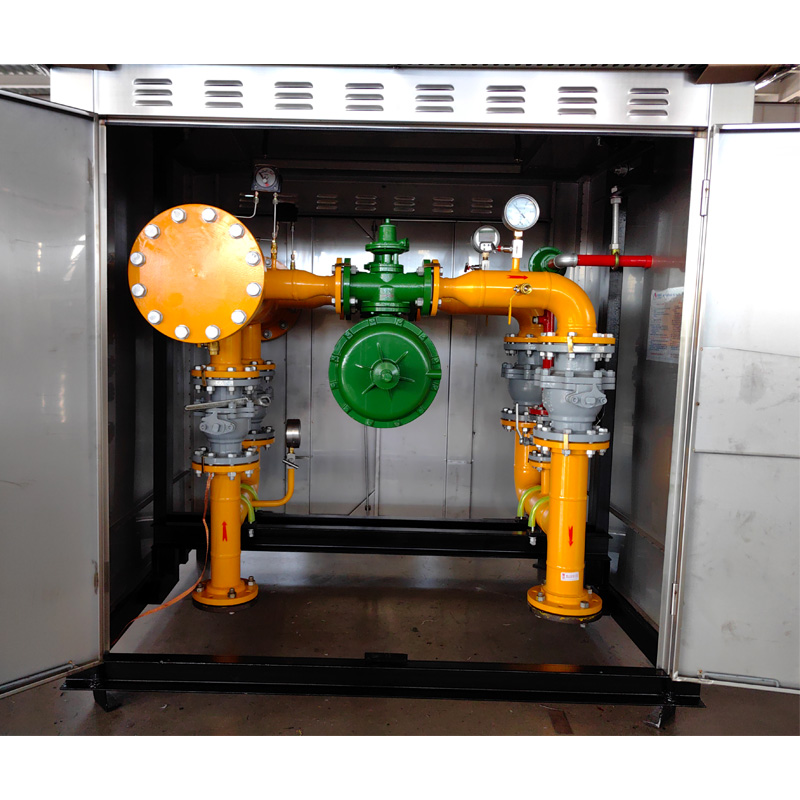
Application Scenarios and Industry Integration
The versatility of the gas safety relief valve makes it indispensable across numerous industries, particularly where compressed or liquefied gases are handled.
Target Industries:
- Petrochemical & Refineries: Protecting reactors, fractionators, storage tanks, and various process vessels from overpressure due to exothermic reactions, external fires, or control system failures.
- Natural Gas Distribution: Essential for safety at every stage, from wellhead to city gate. Specifically, at a natural gas distribution station, SRVs safeguard pipelines, pressure regulating skids, and storage facilities against surges or blockages.
- Power Generation: Ensuring the safety of steam boilers, turbines, and gas compressor stations.
- Chemical Processing: Handling a wide range of corrosive and toxic gases, requiring specialized materials and designs for chemical compatibility and emission control.
- LNG & Industrial Gas Production: Protecting liquefaction plants, storage tanks, vaporizers, and distribution networks for gases like oxygen, nitrogen, argon, and hydrogen.
- Metallurgy: Safeguarding processes involving high-pressure gases in steel manufacturing and other metal processing.
Typical Application Examples:
- Pipeline Overpressure Protection: In a natural gas distribution station, SRVs are strategically placed after pressure regulators to prevent downstream piping from exceeding its design pressure if the regulator fails to control pressure effectively. This acts as a crucial secondary safety layer.
- Regulator Stations: Often paired with a commercial regulator, an SRV provides essential protection for the downstream network. Should the primary regulator malfunction, the safety relief valve will actuate, preventing potential explosions or equipment damage.
- Compressor Stations: Protecting gas compressors and associated pulsation dampeners from overpressure events caused by blockages or sudden shutdowns.
- Storage Tank Protection: Safeguarding cryogenic storage tanks for LNG, LPG, and other industrial gases from overpressure due to heat ingress or external fire, preventing catastrophic tank rupture.
- Gas Coalescer Filter Systems: While a gas coalescer filter primarily removes liquid and solid particulates, overpressure scenarios could damage the filter housing or rupture filter elements. An upstream or downstream SRV protects this valuable equipment from excessive pressure.
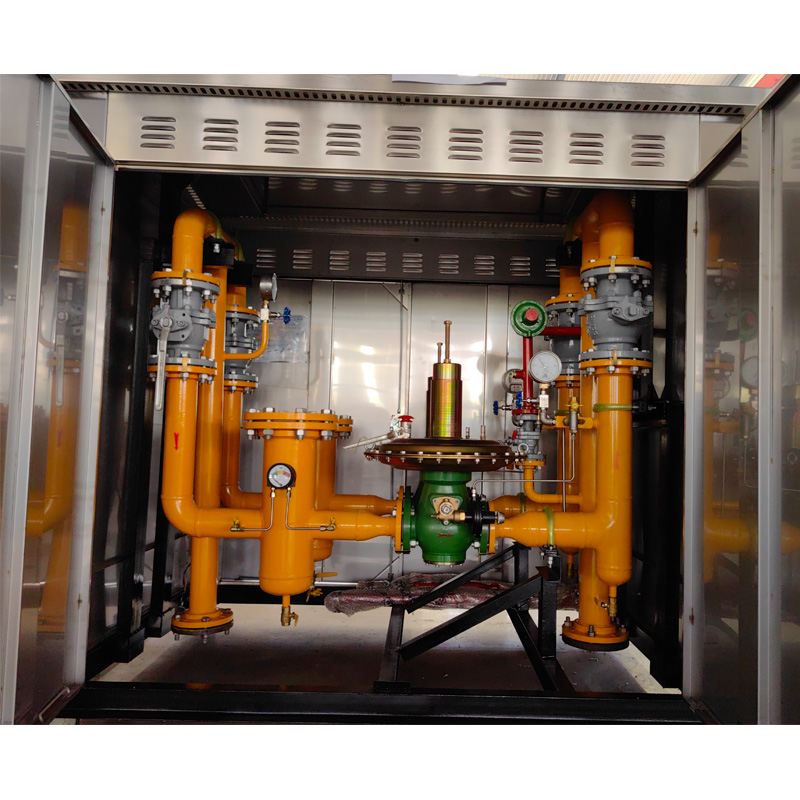
These applications highlight the absolute necessity of reliable overpressure protection, underscoring why selecting the right natural gas safety valve is a critical engineering decision.
Technical Advantages of Our Solutions
Our commitment to engineering excellence translates into significant technical advantages for our clients. We specialize in providing robust and high-performance gas safety relief valve solutions tailored for demanding B2B applications.
- Unparalleled Reliability and Precision: Engineered with tight manufacturing tolerances and superior spring mechanisms, our valves offer exceptional set pressure accuracy and repeatable blowdown characteristics, minimizing nuisance trips and ensuring precise protection.
- Advanced Material Selection for Durability: We utilize premium materials, including specialized stainless steels and exotic alloys, to provide superior corrosion resistance against various process media, extending valve service life and reducing maintenance requirements.
- Optimized Flow Characteristics: Our valve designs achieve high flow coefficients (Cv values) with minimal pressure drop, ensuring rapid and efficient discharge of overpressure, critical for preventing catastrophic failures in high-volume gas systems.
- Enhanced Seat Tightness: Incorporating advanced lapping techniques and optional soft seats (e.g., Kalrez, Viton) ensures API 527 zero leakage performance, significantly reducing product loss, environmental emissions, and operational costs, thereby demonstrating energy saving benefits.
- Compliance with Global Standards: All products are designed, manufactured, and tested in strict adherence to international standards such as ISO 4126, ASME Section VIII, API 520/526, and PED 2014/68/EU, providing peace of mind and simplifying project approvals.
- Robust Design for Extreme Conditions: Our valves are built to withstand severe operating conditions, including extreme temperatures, high pressures, and corrosive environments, making them ideal for critical infrastructure like natural gas distribution station facilities.
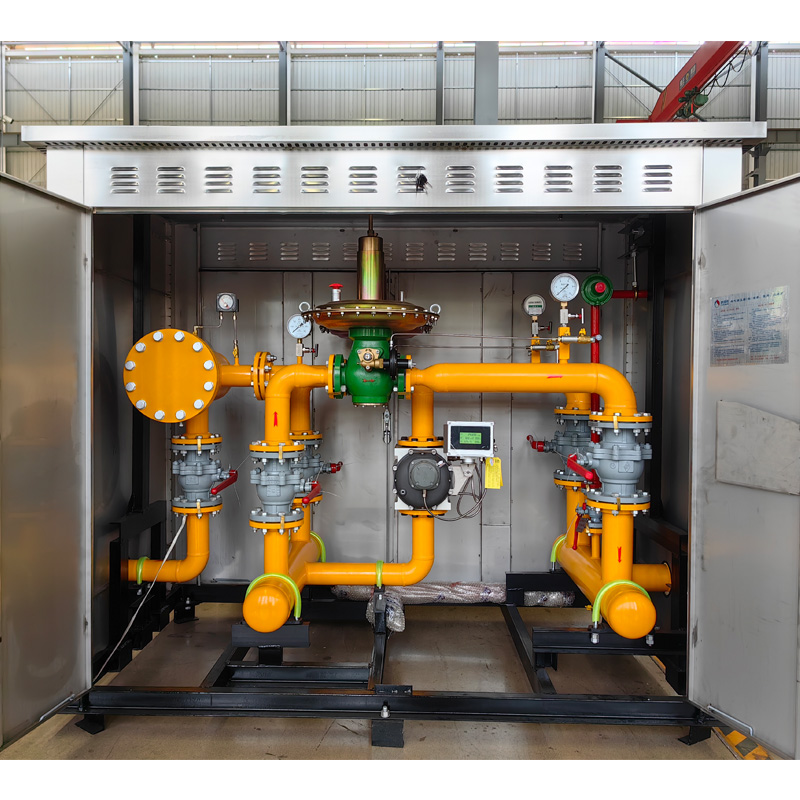
Vendor Comparison: Key Differentiators
When selecting a supplier for critical components like natural gas safety valve, B2B decision-makers must look beyond initial cost. A comprehensive vendor comparison should evaluate several key differentiators that impact long-term operational efficiency, safety, and cost of ownership.
Customized Solutions for Complex Demands
In many industrial applications, off-the-shelf solutions for gas safety relief valve may not suffice due to unique process conditions, aggressive media, or stringent operational requirements. We excel in providing customized solutions that address these complex demands, ensuring optimal performance and safety.
Our engineering team collaborates closely with clients from initial concept to final deployment, offering expertise in:
- Material Engineering: Selection of specialized alloys or internal coatings for extreme corrosion, erosion, or high-temperature/cryogenic service, e.g., for hydrogen or sour gas applications.
- Application-Specific Designs: Modifying valve internals, trim designs, or spring characteristics to optimize performance for specific fluid properties (e.g., viscous liquids, dirty gases, two-phase flow).
- Integration with Existing Systems: Designing valves with custom connection types, orientations, or actuation mechanisms to seamlessly integrate into existing pipeline configurations or control systems. This is particularly relevant for upgrading legacy systems in older natural gas distribution station facilities.
- Environmental Compliance: Developing solutions with closed bonnets and balanced bellows designs to mitigate backpressure effects and ensure zero atmospheric emissions for toxic or hazardous gases, aligning with stringent environmental regulations.
- Tailored Documentation & Testing: Providing project-specific documentation packages, including detailed calculations, material certificates, and custom test reports to meet specific client or regulatory requirements.
This bespoke approach ensures that every gas safety relief valve delivered is perfectly aligned with the client's operational needs, guaranteeing superior protection and long-term cost-effectiveness.
Application Case Studies: Real-World Impact
Our proven track record is reflected in numerous successful deployments across critical infrastructure. Here are illustrative case studies demonstrating the tangible benefits of our gas safety relief valve solutions.
Case Study 1: Enhanced Safety at a City Gate Station
- Client: Major Municipal Gas Utility
- Challenge: An aging natural gas distribution station experienced intermittent pressure spikes due to upstream supply fluctuations and potential primary regulator failures. The existing safety valves were outdated, leading to concerns about reliability and compliance with updated safety codes.
- Solution: We supplied and installed a series of DN 150 (NPS 6") pilot-operated relief valves (PORVs) with balanced bellows design, specified to open at 10.5 barg and re-seat at 10.0 barg, ensuring a tight blowdown. These valves were integrated into their new gas pressure regulator box/cabinet systems.
- Impact: The new PORVs provided superior set pressure accuracy (within 1% tolerance) and faster response times, drastically reducing the risk of overpressure events. The enhanced seat tightness minimized fugitive methane emissions, resulting in an estimated 15% reduction in gas loss compared to their previous conventional valves. This upgrade ensured full compliance with national gas safety regulations and significantly improved operational safety and environmental performance.
Case Study 2: Protecting a Commercial LNG Vaporization Unit
- Client: Industrial Gas Supplier for a Large Manufacturing Plant
- Challenge: The client needed reliable overpressure protection for their LNG vaporization unit, which transforms liquefied natural gas into a usable gaseous form for industrial processes. The cryogenic temperatures and potential for rapid phase changes presented unique challenges for valve selection.
- Solution: We provided a cryogenic-rated gas safety relief valve, specifically designed with extended bonnets and specialized resilient seats (Kel-F) to prevent ice formation and ensure reliable operation at temperatures as low as -162°C. The valve body was constructed from ASTM A351 CF8M (316 SS) for optimal cold temperature performance.
- Impact: The customized cryogenic SRV performed flawlessly, providing critical protection against overpressure in the event of vaporizer tube blockages or external heat input. The solution eliminated potential safety hazards and ensured continuous, safe operation of the LNG supply to the manufacturing facility, preventing costly downtime. Client feedback praised the valve's robust construction and reliable performance under challenging conditions.
Frequently Asked Questions (FAQ)
-
Q: How do I select the correct size of a gas safety relief valve?
A: Sizing is critical and depends on several factors: the maximum possible flow rate that needs to be relieved, the set pressure, overpressure, backpressure, and the physical properties of the fluid (gas). Our engineering team can assist with precise sizing calculations based on API 520 standards to ensure proper overpressure protection.
-
Q: What is the recommended inspection and maintenance schedule?
A: Industry standards (e.g., API 510, API 576) typically recommend periodic inspections, usually every 3-5 years, or more frequently for severe service. This includes visual inspection, cleaning, testing (set pressure verification), and replacement of wear parts like seats and gaskets. Regular maintenance ensures continued reliability and optimal performance of your natural gas safety valve.
-
Q: Can your safety relief valves handle corrosive gases?
A: Yes, we offer a wide range of material options, including stainless steels (316, Duplex), Hastelloy, Monel, and Inconel, specifically chosen for their superior corrosion resistance against various aggressive media. We work with clients to specify the best material for their unique process chemistry.
Lead Time, Warranty, and Customer Support
We understand the critical nature of timely delivery and robust support for B2B operations.
Lead Time & Fulfillment:
Standard gas safety relief valve models typically have a lead time of 4-6 weeks from order confirmation. For highly customized solutions or exotic materials, lead times may range from 8-12 weeks. We maintain a strategic inventory of common components to expedite urgent orders and offer expedited manufacturing options upon request to meet tight project deadlines. Our logistics team ensures efficient global delivery.
Warranty Commitment:
All our natural gas safety valve products are backed by a comprehensive five (5) year warranty against manufacturing defects and material failures under normal operating conditions. This commitment reflects our confidence in the quality and durability of our engineering and manufacturing processes. Full warranty details are provided with every purchase.
Customer Support:
Our dedicated after-sales support team is available 24/7 for technical assistance, troubleshooting, and emergency services. We provide extensive documentation, training for client personnel, and a global network of certified service partners for on-site support, maintenance, and spare parts procurement. Your operational continuity and safety are our highest priorities.
Citations
- American Petroleum Institute (API) Standard 520, Sizing, Selection, and Installation of Pressure-Relieving Devices.
- American Society of Mechanical Engineers (ASME) Boiler and Pressure Vessel Code, Section VIII, Pressure Vessels.
- International Organization for Standardization (ISO) 4126-1: Safety devices for protection against excessive pressure - Part 1: Safety valves.
- Pressure Equipment Directive (PED) 2014/68/EU, European Union legislation concerning the design, manufacture, and conformity assessment of pressure equipment.
- ANSI/FCI 70-2-2006, Control Valve Seat Leakage.
Latest news
-
Industrial Natural Gas Pressure Reducing Valve Guide and SelectionNewsApr.16,2026
-
Understanding the Industrial Regulating Valve for Fluid ControlNewsApr.09,2026
-
Understanding Gas Pressure Reducer Types Applications and Safety MeasuresNewsApr.07,2026
-
Understanding and Optimizing Gas Pressure Reducing Valve SystemsNewsApr.04,2026
-
Optimizing System Performance with the Right Filter Separator SelectionNewsMar.31,2026
-
Comprehensive Guide to Understanding and Utilizing Pressure Pipe SystemsNewsMar.28,2026
Sep . 08, 2025 16:38
Back to list
Reliable Gas Safety Relief Valve for Overpressure Protection
Understanding the Critical Role of Gas Safety Relief Valves
In the intricate world of industrial gas management, safety is paramount. Overpressure events, if not properly managed, can lead to catastrophic failures, posing severe risks to personnel, equipment, and the environment. This is where the gas safety relief valve (SRV) plays an indispensable role. An SRV is a critical mechanical device designed to protect pressure vessels, pipelines, and other equipment from exceeding their maximum allowable working pressure (MAWP) by automatically discharging fluid (gas, steam, or liquid) when a pre-set pressure is reached. Once the pressure returns to a safe level, the valve automatically recloses, preventing further loss of material. This article delves into the technical aspects, applications, and strategic importance of these essential safety components, particularly within B2B contexts such as natural gas distribution and industrial processing.
Industry Trends and Regulatory Landscape
The industrial gas sector is witnessing a convergence of evolving safety regulations, technological advancements, and a growing emphasis on environmental sustainability. Key trends influencing the development and deployment of gas safety relief valve solutions include:
- Digitalization and Smart Monitoring: Integration of pressure relief systems with SCADA and IoT platforms for real-time monitoring, predictive maintenance, and remote diagnostics. This allows for proactive intervention and enhanced operational safety.
- Stricter Environmental Standards: A push towards minimizing fugitive emissions during blowdown events, leading to the development of "zero-leak" designs or systems that safely capture and vent discharged gases.
- Advanced Material Science: Use of high-performance alloys (e.g., Duplex stainless steel, Hastelloy, Inconel) for enhanced corrosion resistance and suitability for aggressive media, extending service life in challenging environments.
- Higher Efficiency and Reliability: Demand for valves with improved flow coefficients (Cv values), faster response times, and superior seat tightness to minimize product loss and ensure precise pressure control.
- Global Harmonization of Standards: Increasing alignment of international standards like ISO 4126, API 520/526, and ASME Boiler and Pressure Vessel Code, simplifying compliance for global projects.
The imperative for robust safety mechanisms is consistently reinforced by tragic industrial incidents, driving continuous improvement in valve design and operational protocols. Companies operating in fields like natural gas distribution station management are particularly sensitive to these trends, requiring solutions that meet stringent safety and environmental mandates.
Technical Specifications and Operating Principles
A gas safety relief valve operates on a fundamental principle: a spring-loaded disc or piston held against an orifice by the force of a spring, adjusted to a specific set pressure. When the upstream pressure exceeds this set pressure, the force exerted by the fluid overcomes the spring force, lifting the disc off its seat and allowing the fluid to vent.
Key Components and Terminology:
- Body: The main housing, typically cast or forged from materials like carbon steel (e.g., A216 WCB), stainless steel (e.g., A351 CF8M), or special alloys.
- Nozzle (Seat): The inlet opening where the pressure acts.
- Disc (Valve Member): The movable element that covers the nozzle. Materials vary based on service (e.g., 316 SS, Stellite-faced).
- Spring: The element providing the closing force, calibrated to the set pressure.
- Bonnet: Encloses the spring and guides the stem. Often vented to atmosphere or to a closed discharge system.
- Lift: The actual travel of the disc from the closed position. Full lift valves achieve maximum flow capacity quickly.
- Overpressure: The pressure increase above the set pressure required for the valve to achieve full lift and rated flow.
- Blowdown: The difference between the set pressure and the re-seating pressure, usually expressed as a percentage of set pressure.
Typical Parameters for Gas Safety Relief Valves:
Beyond conventional spring-loaded designs, pilot-operated relief valves (PORVs) offer higher set pressure accuracy and closer blowdown, ideal for applications requiring minimal process upset during relief. Rupture discs also serve as one-time overpressure protection devices, often used in conjunction with SRVs for layered safety.
Manufacturing Process Flow of a Gas Safety Relief Valve
The production of a high-quality gas safety relief valve is a meticulous process, demanding precision engineering, stringent material control, and rigorous testing. Our manufacturing process ensures adherence to global standards and delivers exceptional reliability.
Schematic Manufacturing Steps:
-
Material Selection & Procurement:
High-grade materials such as forged carbon steel (ASTM A105, A350 LF2) or stainless steel (ASTM A182 F316/F304) are procured from certified suppliers. For corrosive media or extreme temperatures, specialized alloys like Hastelloy, Monel, or Inconel are utilized. All materials undergo thorough spectrographic analysis and mechanical property testing to ensure compliance with international standards (e.g., ASTM, EN).
-
Casting/Forging of Body Components:
Valve bodies, bonnets, and nozzles are either cast or forged. Forging provides superior mechanical properties and finer grain structure, ideal for high-pressure applications and enhancing fatigue resistance and overall service life. Casting is used for more complex geometries and larger sizes, followed by rigorous non-destructive testing (NDT) such as X-ray and ultrasonic inspections to detect internal flaws.
-
Precision CNC Machining:
Components are transferred to state-of-the-art CNC machining centers. Critical dimensions, seat angles, and surface finishes for parts like the nozzle, disc, and guide are machined to micron-level tolerances. This precision is vital for achieving optimal seat tightness (e.g., API 527 zero leakage) and smooth operation, directly contributing to energy saving by preventing gas leakage.
-
Heat Treatment & Surface Finishing:
Depending on material and application, components may undergo heat treatment (e.g., annealing, tempering, solution annealing) to optimize material properties such as hardness, strength, and corrosion resistance. Surface finishes are meticulously applied, including lapping of seating surfaces, to ensure bubble-tight shutoff and enhance the longevity of the valve in aggressive media.
-
Assembly & Calibration:
In a clean environment, all individual components are carefully assembled. The spring is installed, and the valve is calibrated to the customer-specified set pressure using specialized test benches. This calibration involves precise adjustment of the spring compression and verification of the set pressure, blowdown, and reseating pressure.
-
Rigorous Testing & Certification:
Each valve undergoes a comprehensive series of tests including:
- Hydrostatic Testing: To verify the pressure integrity of the body (e.g., per ASME B16.34).
- Pneumatic Seat Leakage Test: To confirm leak tightness at 90% of set pressure (e.g., per API 527).
- Set Pressure & Blowdown Test: To verify accurate activation and reseating.
- Flow Capacity Test: For certain applications, to verify rated flow.
-
Final Inspection & Packaging:
A final visual inspection and documentation review precedes corrosion protection application and secure packaging for shipment, ensuring product integrity upon arrival.
Application Scenarios and Industry Integration
The versatility of the gas safety relief valve makes it indispensable across numerous industries, particularly where compressed or liquefied gases are handled.
Target Industries:
- Petrochemical & Refineries: Protecting reactors, fractionators, storage tanks, and various process vessels from overpressure due to exothermic reactions, external fires, or control system failures.
- Natural Gas Distribution: Essential for safety at every stage, from wellhead to city gate. Specifically, at a natural gas distribution station, SRVs safeguard pipelines, pressure regulating skids, and storage facilities against surges or blockages.
- Power Generation: Ensuring the safety of steam boilers, turbines, and gas compressor stations.
- Chemical Processing: Handling a wide range of corrosive and toxic gases, requiring specialized materials and designs for chemical compatibility and emission control.
- LNG & Industrial Gas Production: Protecting liquefaction plants, storage tanks, vaporizers, and distribution networks for gases like oxygen, nitrogen, argon, and hydrogen.
- Metallurgy: Safeguarding processes involving high-pressure gases in steel manufacturing and other metal processing.
Typical Application Examples:
- Pipeline Overpressure Protection: In a natural gas distribution station, SRVs are strategically placed after pressure regulators to prevent downstream piping from exceeding its design pressure if the regulator fails to control pressure effectively. This acts as a crucial secondary safety layer.
- Regulator Stations: Often paired with a commercial regulator, an SRV provides essential protection for the downstream network. Should the primary regulator malfunction, the safety relief valve will actuate, preventing potential explosions or equipment damage.
- Compressor Stations: Protecting gas compressors and associated pulsation dampeners from overpressure events caused by blockages or sudden shutdowns.
- Storage Tank Protection: Safeguarding cryogenic storage tanks for LNG, LPG, and other industrial gases from overpressure due to heat ingress or external fire, preventing catastrophic tank rupture.
- Gas Coalescer Filter Systems: While a gas coalescer filter primarily removes liquid and solid particulates, overpressure scenarios could damage the filter housing or rupture filter elements. An upstream or downstream SRV protects this valuable equipment from excessive pressure.
These applications highlight the absolute necessity of reliable overpressure protection, underscoring why selecting the right natural gas safety valve is a critical engineering decision.
Technical Advantages of Our Solutions
Our commitment to engineering excellence translates into significant technical advantages for our clients. We specialize in providing robust and high-performance gas safety relief valve solutions tailored for demanding B2B applications.
- Unparalleled Reliability and Precision: Engineered with tight manufacturing tolerances and superior spring mechanisms, our valves offer exceptional set pressure accuracy and repeatable blowdown characteristics, minimizing nuisance trips and ensuring precise protection.
- Advanced Material Selection for Durability: We utilize premium materials, including specialized stainless steels and exotic alloys, to provide superior corrosion resistance against various process media, extending valve service life and reducing maintenance requirements.
- Optimized Flow Characteristics: Our valve designs achieve high flow coefficients (Cv values) with minimal pressure drop, ensuring rapid and efficient discharge of overpressure, critical for preventing catastrophic failures in high-volume gas systems.
- Enhanced Seat Tightness: Incorporating advanced lapping techniques and optional soft seats (e.g., Kalrez, Viton) ensures API 527 zero leakage performance, significantly reducing product loss, environmental emissions, and operational costs, thereby demonstrating energy saving benefits.
- Compliance with Global Standards: All products are designed, manufactured, and tested in strict adherence to international standards such as ISO 4126, ASME Section VIII, API 520/526, and PED 2014/68/EU, providing peace of mind and simplifying project approvals.
- Robust Design for Extreme Conditions: Our valves are built to withstand severe operating conditions, including extreme temperatures, high pressures, and corrosive environments, making them ideal for critical infrastructure like natural gas distribution station facilities.
Vendor Comparison: Key Differentiators
When selecting a supplier for critical components like natural gas safety valve, B2B decision-makers must look beyond initial cost. A comprehensive vendor comparison should evaluate several key differentiators that impact long-term operational efficiency, safety, and cost of ownership.
Customized Solutions for Complex Demands
In many industrial applications, off-the-shelf solutions for gas safety relief valve may not suffice due to unique process conditions, aggressive media, or stringent operational requirements. We excel in providing customized solutions that address these complex demands, ensuring optimal performance and safety.
Our engineering team collaborates closely with clients from initial concept to final deployment, offering expertise in:
- Material Engineering: Selection of specialized alloys or internal coatings for extreme corrosion, erosion, or high-temperature/cryogenic service, e.g., for hydrogen or sour gas applications.
- Application-Specific Designs: Modifying valve internals, trim designs, or spring characteristics to optimize performance for specific fluid properties (e.g., viscous liquids, dirty gases, two-phase flow).
- Integration with Existing Systems: Designing valves with custom connection types, orientations, or actuation mechanisms to seamlessly integrate into existing pipeline configurations or control systems. This is particularly relevant for upgrading legacy systems in older natural gas distribution station facilities.
- Environmental Compliance: Developing solutions with closed bonnets and balanced bellows designs to mitigate backpressure effects and ensure zero atmospheric emissions for toxic or hazardous gases, aligning with stringent environmental regulations.
- Tailored Documentation & Testing: Providing project-specific documentation packages, including detailed calculations, material certificates, and custom test reports to meet specific client or regulatory requirements.
This bespoke approach ensures that every gas safety relief valve delivered is perfectly aligned with the client's operational needs, guaranteeing superior protection and long-term cost-effectiveness.
Application Case Studies: Real-World Impact
Our proven track record is reflected in numerous successful deployments across critical infrastructure. Here are illustrative case studies demonstrating the tangible benefits of our gas safety relief valve solutions.
Case Study 1: Enhanced Safety at a City Gate Station
- Client: Major Municipal Gas Utility
- Challenge: An aging natural gas distribution station experienced intermittent pressure spikes due to upstream supply fluctuations and potential primary regulator failures. The existing safety valves were outdated, leading to concerns about reliability and compliance with updated safety codes.
- Solution: We supplied and installed a series of DN 150 (NPS 6") pilot-operated relief valves (PORVs) with balanced bellows design, specified to open at 10.5 barg and re-seat at 10.0 barg, ensuring a tight blowdown. These valves were integrated into their new gas pressure regulator box/cabinet systems.
- Impact: The new PORVs provided superior set pressure accuracy (within 1% tolerance) and faster response times, drastically reducing the risk of overpressure events. The enhanced seat tightness minimized fugitive methane emissions, resulting in an estimated 15% reduction in gas loss compared to their previous conventional valves. This upgrade ensured full compliance with national gas safety regulations and significantly improved operational safety and environmental performance.
Case Study 2: Protecting a Commercial LNG Vaporization Unit
- Client: Industrial Gas Supplier for a Large Manufacturing Plant
- Challenge: The client needed reliable overpressure protection for their LNG vaporization unit, which transforms liquefied natural gas into a usable gaseous form for industrial processes. The cryogenic temperatures and potential for rapid phase changes presented unique challenges for valve selection.
- Solution: We provided a cryogenic-rated gas safety relief valve, specifically designed with extended bonnets and specialized resilient seats (Kel-F) to prevent ice formation and ensure reliable operation at temperatures as low as -162°C. The valve body was constructed from ASTM A351 CF8M (316 SS) for optimal cold temperature performance.
- Impact: The customized cryogenic SRV performed flawlessly, providing critical protection against overpressure in the event of vaporizer tube blockages or external heat input. The solution eliminated potential safety hazards and ensured continuous, safe operation of the LNG supply to the manufacturing facility, preventing costly downtime. Client feedback praised the valve's robust construction and reliable performance under challenging conditions.
Frequently Asked Questions (FAQ)
-
Q: How do I select the correct size of a gas safety relief valve?
A: Sizing is critical and depends on several factors: the maximum possible flow rate that needs to be relieved, the set pressure, overpressure, backpressure, and the physical properties of the fluid (gas). Our engineering team can assist with precise sizing calculations based on API 520 standards to ensure proper overpressure protection.
-
Q: What is the recommended inspection and maintenance schedule?
A: Industry standards (e.g., API 510, API 576) typically recommend periodic inspections, usually every 3-5 years, or more frequently for severe service. This includes visual inspection, cleaning, testing (set pressure verification), and replacement of wear parts like seats and gaskets. Regular maintenance ensures continued reliability and optimal performance of your natural gas safety valve.
-
Q: Can your safety relief valves handle corrosive gases?
A: Yes, we offer a wide range of material options, including stainless steels (316, Duplex), Hastelloy, Monel, and Inconel, specifically chosen for their superior corrosion resistance against various aggressive media. We work with clients to specify the best material for their unique process chemistry.
Lead Time, Warranty, and Customer Support
We understand the critical nature of timely delivery and robust support for B2B operations.
Lead Time & Fulfillment:
Standard gas safety relief valve models typically have a lead time of 4-6 weeks from order confirmation. For highly customized solutions or exotic materials, lead times may range from 8-12 weeks. We maintain a strategic inventory of common components to expedite urgent orders and offer expedited manufacturing options upon request to meet tight project deadlines. Our logistics team ensures efficient global delivery.
Warranty Commitment:
All our natural gas safety valve products are backed by a comprehensive five (5) year warranty against manufacturing defects and material failures under normal operating conditions. This commitment reflects our confidence in the quality and durability of our engineering and manufacturing processes. Full warranty details are provided with every purchase.
Customer Support:
Our dedicated after-sales support team is available 24/7 for technical assistance, troubleshooting, and emergency services. We provide extensive documentation, training for client personnel, and a global network of certified service partners for on-site support, maintenance, and spare parts procurement. Your operational continuity and safety are our highest priorities.
Citations
- American Petroleum Institute (API) Standard 520, Sizing, Selection, and Installation of Pressure-Relieving Devices.
- American Society of Mechanical Engineers (ASME) Boiler and Pressure Vessel Code, Section VIII, Pressure Vessels.
- International Organization for Standardization (ISO) 4126-1: Safety devices for protection against excessive pressure - Part 1: Safety valves.
- Pressure Equipment Directive (PED) 2014/68/EU, European Union legislation concerning the design, manufacture, and conformity assessment of pressure equipment.
- ANSI/FCI 70-2-2006, Control Valve Seat Leakage.
Next:
Latest news
-
Industrial Natural Gas Pressure Reducing Valve Guide and SelectionNewsApr.16,2026
-
Understanding the Industrial Regulating Valve for Fluid ControlNewsApr.09,2026
-
Understanding Gas Pressure Reducer Types Applications and Safety MeasuresNewsApr.07,2026
-
Understanding and Optimizing Gas Pressure Reducing Valve SystemsNewsApr.04,2026
-
Optimizing System Performance with the Right Filter Separator SelectionNewsMar.31,2026
-
Comprehensive Guide to Understanding and Utilizing Pressure Pipe SystemsNewsMar.28,2026