


Dec . 13, 2025 06:35
Back to list
Relief Valve: ASME-Certified, High Accuracy, Fast Delivery
Relief Valve is a key solution in the Energy production and supply industry industry, specifically within Gas production and supply industry and Urban gas supply. This article explores how HEBEI OUYINUO GAS EQUIPMENT CO.,LTD. supports professionals with durable, high-performance products, and explains why this product is an ideal choice for businesses in these sectors.
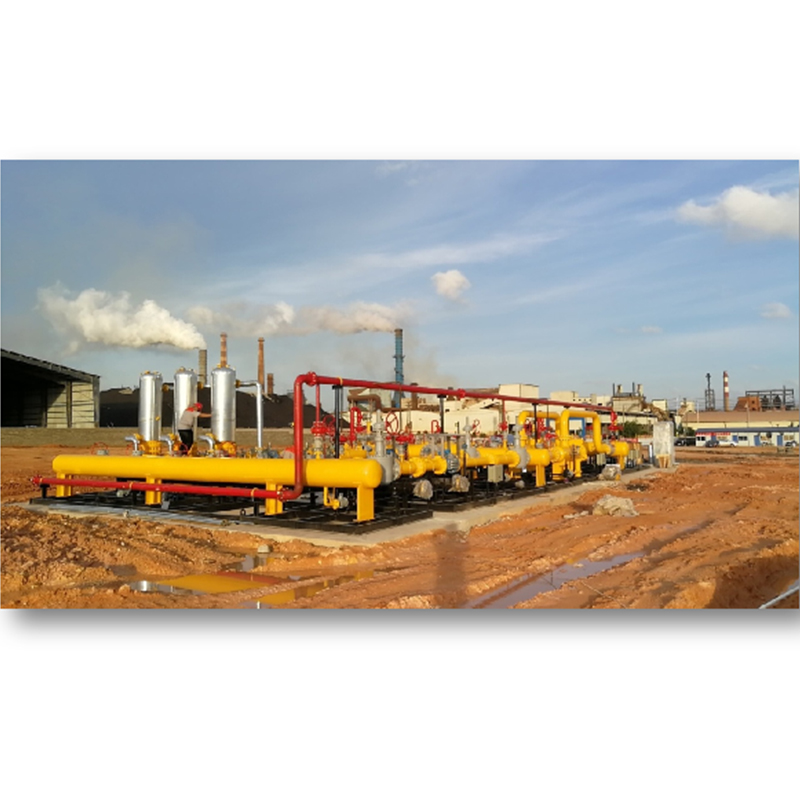
Table of Contents
- Relief Valve Overview
- Benefits & Use Cases of Relief Valve in Urban gas supply
- Cost, Maintenance & User Experience
- Sustainability & Market Trends in Energy production and supply industry
- Conclusion on Relief Valve from HEBEI OUYINUO GAS EQUIPMENT CO.,LTD.
Relief Valve Overview
In urban gas distribution, a Relief Valve—often referred to as a safety relief valve or gas safety relief valve—is the final line of defense against overpressure events in pipelines, metering skids, regulator stations, and every type of pressure vessel or gas pressure vessel. When system pressure exceeds a defined set point, relief valves open to discharge gas safely, protecting people, assets, and compliance status. For B2B decision makers, this device is mission-critical for uptime, auditability, and insurance requirements.
Technically, modern units are sized per API 520/521 and ISO 4126, with options such as spring-loaded or pilot-operated designs, balanced bellows for variable back pressure, and soft- or metal-seated trims. Typical set pressures for city-gate and district stations range from 0.1 to 10 MPa, with materials like carbon steel, 304/316 stainless steel, or duplex alloys depending on gas composition and corrosion risks. Tight seat leakage, fast lift, and stable blowdown control are essential for repeatable performance across seasonal demand swings.
- Sized for credible overpressure scenarios, including regulator failure, thermal expansion, and blocked outlet conditions.
- Integrates with vent stacks, flare headers, or recovery systems to manage discharge safely.
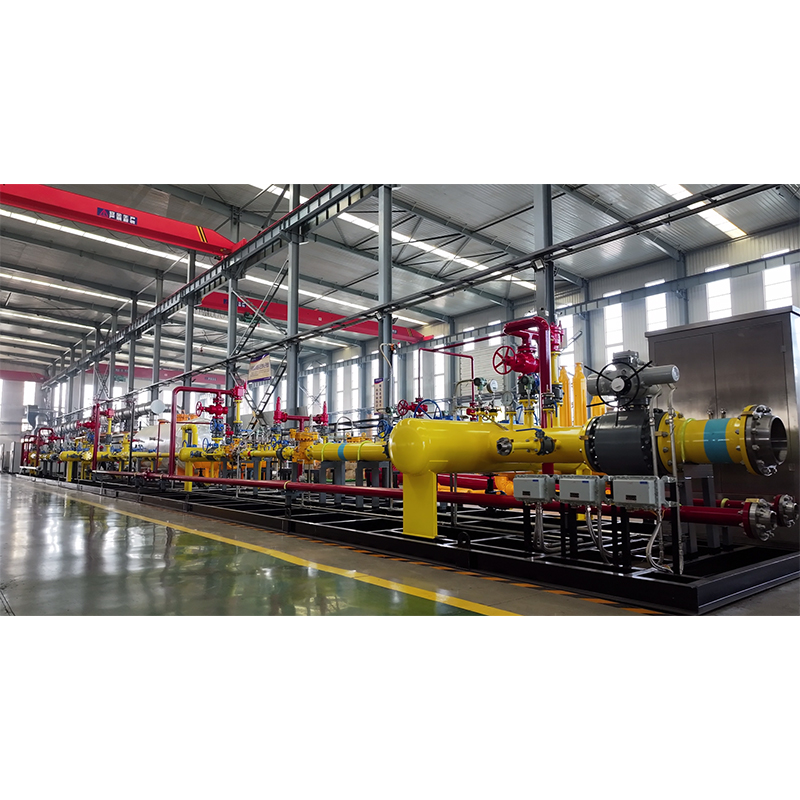
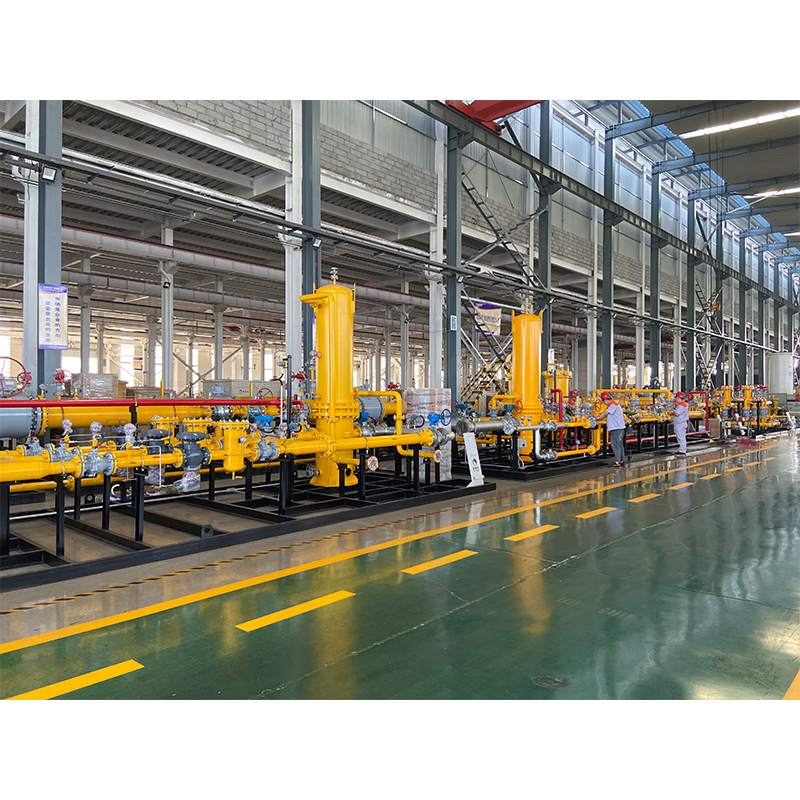
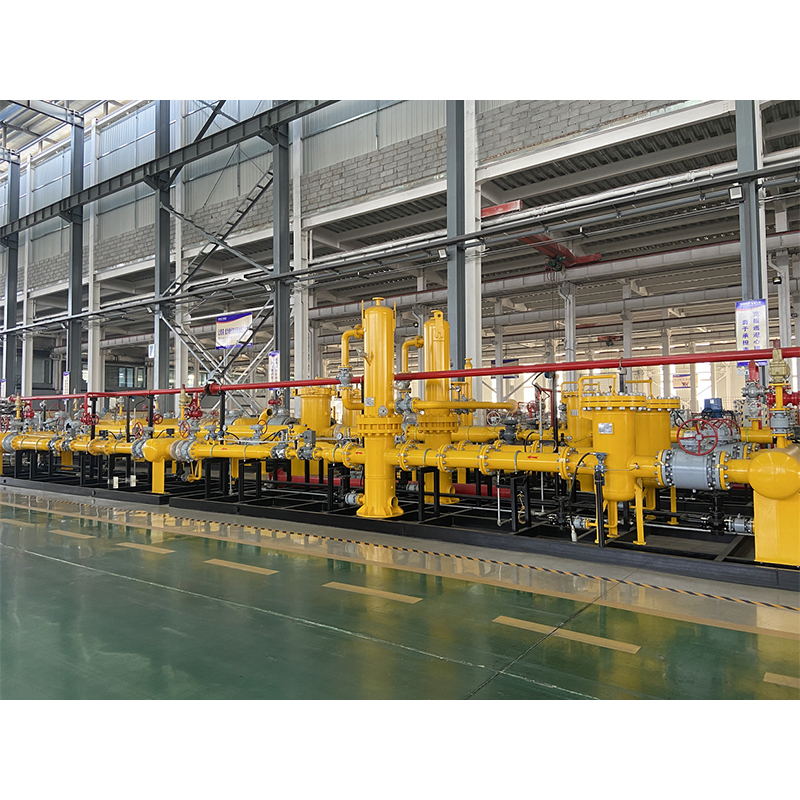
- HEBEI OUYINUO GAS EQUIPMENT CO.,LTD. manufactures robust solutions engineered for city-gate station duty cycles, backed by rigorous factory testing and documentation.
Benefits & Use Cases of Relief Valve in Urban gas supply
In the urban gas supply chain, relief valves safeguard critical nodes: city-gate stations, pressure-regulating stations, district metering, and commercial/industrial service lines. They protect downstream networks and every pressure vessel on-site—from filter housings to heater coils and odorization skids—by immediately venting excess pressure caused by regulator malfunction, surges, or thermal expansion during low-flow periods. In stations handling natural gas, LPG blends, or biogas, a properly selected gas safety relief valve ensures swift, stable response across wide flow turndowns.
- Application fit: city-gate and district stations, CNG daughter stations, and emergency bypasses; compatible with vent recovery or flare systems.
- Competitive edge: corrosion-resistant builds, balanced designs for variable back pressure, bubble-tight seating at set, and consistent blowdown—reducing nuisance lifts and fugitive emissions.
- HEBEI OUYINUO GAS EQUIPMENT CO.,LTD. leverages deep experience in urban gas stations to deliver pre-engineered skids and field-proven relief valves aligned with API/ISO practices and local codes.
Cost, Maintenance & User Experience
Total cost of ownership for a Relief Valve goes far beyond purchase price. B2B operators evaluate lifecycle cost: service intervals, spare parts standardization, and the cost of unplanned releases. OUYINUO’s designs focus on durable trims, accessible internals, and stable set pressure retention—delivering fewer maintenance callouts and minimized downtime. For high-cycling stations, pilot-operated options can provide tighter sealing at normal conditions and reliable opening at overpressure, optimizing both OPEX and emissions performance.
- ROI drivers: prevention of overpressure incidents, compliance assurance, lower vent losses, and extended service intervals (often 12–24 months based on duty and gas quality).
- User feedback from gas distribution teams highlights easy in-line testing, clear tagging and documentation, and predictable reseat behavior, which together reduce audit time and service risk.
HEBEI OUYINUO GAS EQUIPMENT CO.,LTD. supports operators with commissioning guidance and parts kits aligned to station-critical spares, ensuring relief valves on pipelines, pressure vessel skids, and any gas pressure vessel are always inspection-ready.
Sustainability & Market Trends in Energy production and supply industry
Urban gas utilities face tightening regulations on safety, methane emissions, and reporting. Relief valves sit at the nexus of safety and sustainability: standards such as ASME, API, ISO, and regional codes require certified sizing, traceable testing, and controlled discharge handling. Market leaders are adopting low-leakage seats, balanced designs to mitigate back pressure effects, and integration with vapor recovery or flare systems to reduce vented gas. Digitalization is accelerating too—operators increasingly pair safety relief valves with position monitoring and event logging for predictive maintenance.
- Sustainability focus: fewer nuisance lifts, lower fugitive emissions, and engineered vent routing to protect communities and meet ESG targets.
- HEBEI OUYINUO GAS EQUIPMENT CO.,LTD. aligns with these trends by offering relief valves for city-gate and station skids that prioritize reliability, serviceability, and emissions-conscious design—helping customers future-proof assets.
Conclusion on Relief Valve from HEBEI OUYINUO GAS EQUIPMENT CO.,LTD.
From city-gate stations to downstream regulator skids, the Relief Valve is indispensable for safeguarding pipelines, equipment, and every pressure vessel in urban gas networks. HEBEI OUYINUO GAS EQUIPMENT CO.,LTD. delivers reliable, standards-aligned relief valves that combine durability, serviceability, and emissions-conscious performance—ideal for today’s safety and ESG expectations. Partner with a team that understands gas production and supply industry realities and urban operations demands.
- Contact us: email: hboynrq@163.com
- Visit our website: https://www.gasouyinuo.com
- Explore our city-gate station solutions: Relief Valve
Latest news
-
Industrial Natural Gas Pressure Reducing Valve Guide and SelectionNewsApr.16,2026
-
Understanding the Industrial Regulating Valve for Fluid ControlNewsApr.09,2026
-
Understanding Gas Pressure Reducer Types Applications and Safety MeasuresNewsApr.07,2026
-
Understanding and Optimizing Gas Pressure Reducing Valve SystemsNewsApr.04,2026
-
Optimizing System Performance with the Right Filter Separator SelectionNewsMar.31,2026
-
Comprehensive Guide to Understanding and Utilizing Pressure Pipe SystemsNewsMar.28,2026