


Sep . 02, 2025 01:40
Back to list
Smart NG Equipment: Precision Pressure & Voltage Regulators
Unlocking Precision and Efficiency with Advanced ng equipment
In the demanding landscape of industrial gas management, the need for robust, reliable, and precise pressure control is paramount. Advanced ng equipment, specifically high-performance gas pressure regulators, forms the cornerstone of safe and efficient operations across a multitude of sectors. These critical devices are engineered to maintain a stable output pressure regardless of fluctuations in inlet pressure or varying downstream demand, thereby safeguarding critical infrastructure, optimizing process efficiency, and ensuring operational integrity. From safeguarding downstream instruments to optimizing fuel gas combustion, the role of sophisticated pressure regulating devices cannot be overstated.
This comprehensive overview delves into the intricate world of ng equipment, focusing on the critical technical parameters, application versatility, manufacturing excellence, and strategic advantages that empower industries to achieve unprecedented levels of operational control and safety. We explore industry trends, offer detailed technical specifications, present real-world application scenarios, and discuss the unparalleled benefits of bespoke solutions.
Industry Trends in Gas Pressure Regulation
The gas pressure regulation sector is undergoing significant evolution, driven by advancements in smart technology, increasing demand for energy efficiency, and stringent safety regulations. Key trends include:
- Smart Regulators and IoT Integration: The integration of IoT sensors and communication modules transforms traditional pressure regulating devices into smart regulators. These devices offer real-time monitoring of pressure, flow, and temperature, enabling predictive maintenance, remote control, and enhanced system diagnostics. This allows for proactive issue resolution and optimizes gas distribution networks.
- Enhanced Precision and Response: Modern industrial processes demand increasingly tight control over gas pressure. Manufacturers are developing precision voltage regulator systems that offer ultra-fast response times and minimal pressure deviation, even under rapidly changing load conditions. This is crucial for sensitive applications in petrochemical and power generation.
- Modular and Skid-Mounted Equipment: For rapid deployment and operational flexibility, the demand for skid mounted equipment is rising. These pre-engineered, factory-tested units integrate multiple components, including regulators, filters, safety valves, and metering devices, reducing on-site installation time and ensuring consistent quality.
- Sustainability and Energy Efficiency: Emphasis on reducing fugitive emissions and optimizing energy consumption drives innovation in regulator design. Low-bleed or no-bleed pilot systems, advanced seal materials, and designs that minimize pressure drop contribute to more environmentally friendly and economically viable solutions.
- Material Science Advancements: Development of new alloys and composite materials offers superior corrosion resistance, extended service life, and suitability for aggressive media, including sour gas applications compliant with NACE MR0175 standards.
These trends collectively point towards a future where gas pressure regulation is not merely about maintaining pressure but about intelligent, integrated, and sustainable gas management systems.
Technical Specifications: RTZ1-/0.4RQ Series Gas Pressure Regulator
The RTZ1-/0.4RQ series gas pressure regulator is a prime example of advanced ng equipment designed for high-performance applications. It embodies reliability, precision, and durability, making it an ideal choice for critical industrial processes.
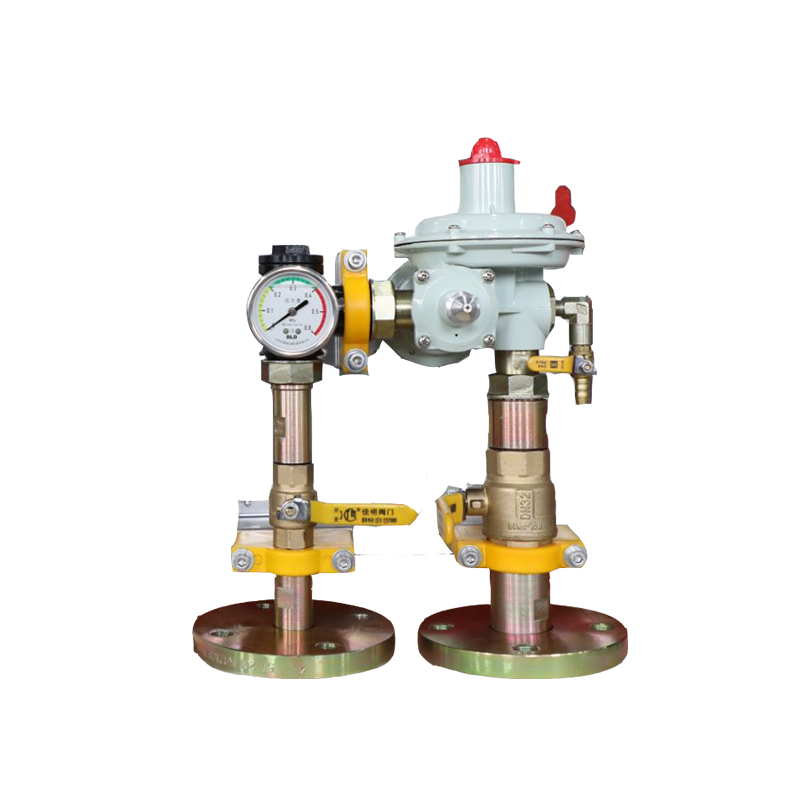
Figure 1: High-performance gas pressure regulator in industrial setup.
| Parameter | Specification |
|---|---|
| Nominal Diameter (DN) | DN25 to DN200 |
| Inlet Pressure Range (P1) | 0.02 MPa to 4.0 MPa (0.2 bar to 40 bar) |
| Outlet Pressure Range (P2) | 0.002 MPa to 0.4 MPa (0.02 bar to 4 bar) - Adjustable |
| Accuracy Class (AC) | AC 2.5 |
| Lock-up Pressure Class (SG) | SG 10 |
| Operating Temperature | -20°C to +60°C |
| Connection Type | Flanged (PN16, PN25, PN40) per EN 1092-1 / ANSI B16.5 |
| Main Materials | Ductile Iron (GGG40), Carbon Steel (A216 WCB), Stainless Steel (A351 CF8M) |
| Diaphragm Material | Nitrile Rubber (NBR) with fabric reinforcement |
| Applicable Medium | Natural Gas, LPG, Methane, Air, other non-corrosive gases |
| Certifications | ISO 9001:2015, CE PED, ATEX (optional) |
These specifications ensure that the RTZ1-/0.4RQ series delivers consistent, precise, and safe pressure regulation across a broad spectrum of industrial applications, capable of handling varying flow rates and challenging environmental conditions. The design emphasizes a balanced valve for stable operation and quick response.
Application Scenarios for Advanced ng equipment
The versatility of robust gas pressure regulating devices extends across numerous critical industries, where precise and reliable control of gas pressure is non-negotiable for safety, efficiency, and product quality. Key application areas include:
- Natural Gas Distribution Networks: From city gate stations to industrial and residential supply points, ng equipment ensures the safe and stable delivery of natural gas, stepping down high transmission pressures to usable distribution pressures. Precision voltage regulator units prevent over-pressurization, protecting downstream infrastructure and end-users.
- Petrochemical and Chemical Processing: In complex chemical reactions and feedstock supply lines, accurate pressure regulation is vital. Regulators control the flow and pressure of process gases, inert gases, and fuel gases, directly impacting reaction kinetics, safety, and product purity. Applications include reactor feed control, blanketing systems, and flare gas recovery.
- Power Generation Plants: Gas-fired power plants rely on sophisticated pressure regulating devices for the stable supply of fuel gas to turbines and boilers. Consistent pressure ensures optimal combustion, maximizing efficiency and minimizing emissions. Skid mounted equipment is often utilized for integrated fuel gas conditioning.
- Industrial Manufacturing: Across sectors like steel production, glass manufacturing, and food processing, industrial furnaces, ovens, and burners require a constant and regulated supply of fuel gases (natural gas, LPG). High-quality ng equipment prevents flame instability, ensures product quality, and reduces energy consumption.
- Oil & Gas Exploration and Production: In upstream and midstream operations, such as wellhead control, gas lift systems, and pipeline pressure reduction stations, regulators manage high-pressure gases. Their robust construction and corrosion-resistant materials are crucial for enduring harsh environments.
- Water Supply & Drainage (Industrial Applications): While less direct, some water treatment facilities use gas for processes like aeration or chemical dosing, where precise pressure control of the supply gas is necessary.
The adaptability and robust engineering of the RTZ1-/0.4RQ series make it suitable for these diverse and demanding environments, guaranteeing operational stability and safety.
Technical Advantages of Our ng equipment
Our RTZ1-/0.4RQ series gas pressure regulators are engineered with a focus on delivering superior performance and long-term value. The technical advantages include:
- Exceptional Accuracy and Stability: Featuring advanced diaphragm and balanced valve designs, our regulators maintain outlet pressure within very tight tolerances, even with significant fluctuations in inlet pressure or varying flow rates. This precision ensures optimal process control and avoids equipment damage.
- Rapid Response and Sensitivity: The design minimizes hysteresis and pressure drop, allowing for quick response to changes in demand. This is particularly important in dynamic industrial processes where instantaneous pressure adjustments are critical.
- Robust Construction and Material Selection: Utilizing high-grade ductile iron, carbon steel, or stainless steel bodies, along with reinforced diaphragms, ensures exceptional durability and resistance to wear, tear, and corrosion, even in harsh operating conditions or with aggressive gas compositions. Compliance with NACE MR0175 for sour gas applications is available.
- Enhanced Safety Features: Integrated safety shut-off valves (SSV) and relief valves (SRV) provide multi-layer protection against over-pressurization and under-pressurization, significantly mitigating risks and complying with international safety standards.
- Low Maintenance and Extended Service Life: Designed for reliability, our ng equipment requires minimal maintenance. The robust internal components and superior material quality contribute to an extended service life, reducing total cost of ownership (TCO) and operational downtime.
- Versatility and Configurability: A wide range of nominal diameters, pressure ranges, and connection options allows for seamless integration into diverse existing or new systems. Customization options further enhance adaptability.
These advantages position the RTZ1-/0.4RQ series as a leading choice for demanding gas pressure regulation tasks, ensuring not just compliance, but also superior operational performance and safety.
Detailed Process Flow: Manufacturing of High-Quality ng equipment
The manufacturing of our RTZ1-/0.4RQ series gas pressure regulators follows a rigorous, multi-stage process designed to ensure the highest standards of quality, reliability, and performance. This commitment to excellence underpins the durability and precision of our ng equipment.
1. Material Selection and Preparation
- Body & Cover Materials: We primarily utilize high-grade Ductile Iron (GGG40), Carbon Steel (A216 WCB), and Stainless Steel (A351 CF8M) selected for their mechanical strength, durability, and corrosion resistance. All materials are sourced from certified suppliers and undergo stringent incoming inspection to verify chemical composition and mechanical properties against international standards such as ASTM/EN.
- Diaphragm & Seals: Precision-engineered Nitrile Rubber (NBR) with fabric reinforcement is standard, chosen for its excellent flexibility, gas resistance, and operational temperature range. For specific applications, Hydrogenated Nitrile Butadiene Rubber (HNBR) or Fluorocarbon (FKM) elastomers are used to handle more aggressive media or higher temperatures.
- Internal Components: Valve seats, stems, and springs are typically crafted from stainless steel alloys (e.g., SS304, SS316) for their superior wear resistance and corrosion properties.
2. Core Manufacturing Processes
- Casting/Forging: Valve bodies and covers are produced either through precision casting (for ductile iron and steel) or forging (for high-pressure carbon and stainless steel components) to achieve optimal material density and structural integrity. Advanced simulation tools are employed to minimize defects.
- CNC Machining: All critical components, including valve seats, stems, and body interiors, undergo state-of-the-art CNC machining. This ensures micron-level precision for sealing surfaces, internal flow paths, and assembly dimensions, directly impacting the regulator's accuracy, response, and leak-tightness.
- Welding & Assembly: For skid mounted equipment and certain valve configurations, skilled technicians perform welding in accordance with ASME Boiler and Pressure Vessel Code (BPVC) standards. Components are then meticulously assembled in a clean environment to prevent contamination, with special attention to diaphragm alignment and spring calibration.
- Surface Treatment: Depending on material and application, components receive protective surface treatments such as passivation for stainless steel, epoxy coating for carbon steel, or galvanization, enhancing corrosion resistance and extending service life.
3. Quality Control and Testing Standards
- Hydrostatic Testing: All pressure-containing components are hydrostatically tested at 1.5 times their maximum allowable working pressure (MAWP) according to API 6D or EN 12266 standards to ensure structural integrity and prevent shell leakage.
- Pneumatic Seat Leakage Test: Each regulator undergoes a low-pressure and high-pressure pneumatic seat leakage test with air or nitrogen to verify bubble-tight shut-off capabilities, conforming to industry standards like ANSI/FCI 70-2 Class VI.
- Functional Performance Test: Regulators are tested under simulated operating conditions to verify outlet pressure accuracy, lock-up pressure, response time, and flow characteristics across their specified range. This includes testing for accuracy classes (AC) and lock-up pressure classes (SG) as per EN 334.
- Environmental Testing: For specific applications, equipment may undergo temperature cycling, vibration, or ingress protection (IP) testing to ensure performance in harsh environments.
- Certifications: Our manufacturing processes and products are certified to ISO 9001:2015 for quality management, and products comply with European Pressure Equipment Directive (PED) and ATEX directives for hazardous environments where applicable.
4. Service Life and Target Industries
Designed for longevity, our ng equipment boasts a typical service life of 20-30 years with proper maintenance, significantly contributing to a lower total cost of ownership. Our regulators excel in industries such as:
- Petrochemical: Ensuring stable process gas pressures for synthesis and refining.
- Metallurgy: Precise control of fuel gases for furnaces and heat treatment.
- Oil & Gas (Upstream/Midstream/Downstream): From wellhead to distribution, managing pipeline and process pressures.
- Power Generation: Regulating fuel gas supply to turbines and boilers.
- Industrial Utilities: Managing utility gases like compressed air, nitrogen, and oxygen.
5. Advantages in Typical Application Scenarios
- Energy Saving: By maintaining precise outlet pressures, our regulators optimize combustion efficiency in burners and reduce energy wastage from pressure fluctuations or excessive pressure drop. The low-leak design minimizes fugitive emissions.
- Corrosion Resistance: Strategic material selection (e.g., Stainless Steel, specialized coatings) ensures longevity in corrosive gas streams (e.g., sour gas, hydrogen sulfide), significantly reducing maintenance costs and ensuring operational continuity.
- Enhanced Safety: Built-in and optional safety devices (SSV, SRV) coupled with robust construction provide unparalleled protection against system failures, critical for hazardous gas applications.
This meticulous process ensures that every RTZ1-/0.4RQ series regulator meets and exceeds the stringent performance and safety expectations of the most demanding industrial applications.
Vendor Comparison: Evaluating ng equipment Solutions
When selecting advanced pressure regulating devices, it is crucial to conduct a thorough evaluation of available vendors and their offerings. While many manufacturers provide gas regulators, key differentiators lie in precision, reliability, material quality, customization capabilities, and after-sales support. Below is a comparative analysis to highlight our competitive edge.
| Feature/Parameter | RTZ1-/0.4RQ Series (Our Product) | Competitor A (Standard Offering) | Competitor B (Budget Option) |
|---|---|---|---|
| Outlet Pressure Accuracy (AC) | AC 2.5 (High Precision) | AC 5 (Standard) | AC 10 (Basic) |
| Lock-up Pressure (SG) | SG 10 (Excellent Shut-off) | SG 30 (Good Shut-off) | SG 50 (Acceptable) |
| Material Quality (Body) | Ductile Iron/Carbon Steel/Stainless Steel (High-grade) | Cast Iron/Carbon Steel (Standard) | Cast Iron (Basic) |
| Corrosion Resistance | Excellent (Optional NACE MR0175, specialized coatings) | Good (Standard coatings) | Moderate (Basic paint) |
| Safety Features | Integrated SSV/SRV Options, Over/Under Pressure Shut-off | External SSV/SRV often separate | Minimal/Basic safety features |
| Customization Options | Extensive (materials, ranges, connections, skid mounts) | Limited standard configurations | Very limited, off-the-shelf |
| Certifications | ISO 9001, CE PED, ATEX (optional) | ISO 9001, basic CE | Basic quality assurance |
| After-Sales Support | Comprehensive technical support, spare parts, training | Standard warranty, basic support | Minimal support |
This comparison highlights that while budget options may offer a lower upfront cost, they often compromise on critical performance metrics, safety features, and long-term reliability. Investing in high-quality ng equipment like the RTZ1-/0.4RQ series provides superior operational efficiency, reduced maintenance costs, and enhanced safety, leading to a far better total cost of ownership over its extensive service life.
Customized Solutions for Unique Requirements
Recognizing that no two industrial applications are exactly alike, we specialize in providing tailored solutions for ng equipment. Our engineering team works closely with clients to understand their specific operational challenges, gas compositions, environmental conditions, and regulatory compliance needs.
Customization options for our RTZ1-/0.4RQ series and other pressure regulating devices include:
- Special Materials: Selection of exotic alloys or specific elastomers for corrosive media (e.g., sour gas, high H2S content) or extreme temperatures, ensuring NACE MR0175 compliance when required.
- Expanded Pressure Ranges & Flow Capacities: Engineering solutions to accommodate unusually high inlet pressures, extremely low outlet pressures, or exceptionally high flow rates beyond standard offerings.
- Integrated Skid Mounted Equipment: Designing and fabricating complete skid-mounted pressure regulating and metering stations, which can include multiple regulators, filters, heaters, safety valves, flow meters, and control panels. These "plug-and-play" units drastically reduce on-site installation time and ensure optimal system integration.
- Advanced Instrumentation & Controls: Integration of smart regulator features such as remote telemetry units (RTUs), flow computers, pressure transmitters, temperature sensors, and remote actuated shut-off valves for enhanced monitoring and control, compatible with SCADA systems.
- Specific Connection Types & Orientations: Adapting flange standards (e.g., ASME, DIN, JIS), sizes, or alternative connection methods to seamlessly fit into existing pipeline infrastructure.
- Environmental Hardening: Designing enclosures and internal components to withstand severe weather conditions, seismic activity, or marine environments.
Our commitment to flexible engineering ensures that clients receive not just a product, but a precisely engineered solution that delivers optimal performance, safety, and longevity for their unique industrial requirements.
Application Case Studies
Our advanced ng equipment has been successfully deployed in a variety of challenging environments, consistently delivering on its promise of reliability and precision.
Case Study 1: Large-Scale Industrial Boiler Fuel Gas Supply
Client: A leading power generation utility in Southeast Asia.
Challenge: The client required an extremely stable and reliable supply of natural gas to a series of high-capacity industrial boilers. Inlet pressure from the main pipeline fluctuated significantly, and precise pressure control was critical to optimize combustion efficiency, reduce NOx emissions, and prevent burner trips. The existing equipment struggled with rapid load changes and maintaining setpoint accuracy.
Solution: We supplied a custom-engineered skid-mounted equipment package featuring dual RTZ1-/0.4RQ series regulators in an active-monitor configuration, along with high-capacity filtration and integrated safety shut-off systems. The system was designed to handle a peak flow of 25,000 Nm³/h and maintain an outlet pressure of 0.15 MPa (1.5 bar) with an accuracy class of AC 2.5.
Outcome & Client Feedback: The new system drastically improved pressure stability, reducing pressure deviation by over 70% compared to previous equipment. The plant reported a noticeable improvement in combustion efficiency, leading to an estimated 3% reduction in fuel consumption annually. The client praised the robust design and the system's ability to maintain unwavering pressure even during sudden demand shifts. "The precision voltage regulator components have ensured our boilers operate at peak efficiency, and the reliability has been outstanding," commented the Plant Manager.
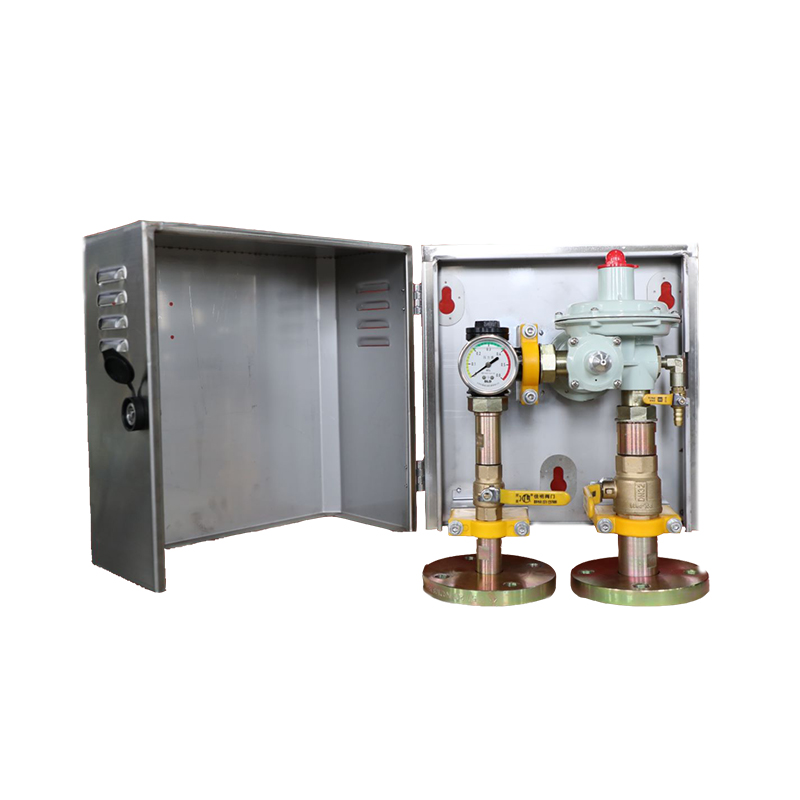
Figure 2: Example of skid-mounted gas pressure regulating station.
Case Study 2: Sour Gas Conditioning in Oil & Gas Field
Client: A major oil and gas producer in the Middle East.
Challenge: Managing highly corrosive sour gas (containing high concentrations of H2S) from a new wellhead for downstream processing. The pressure regulating device needed to operate reliably in an extremely harsh desert environment, handle high pressures, and exhibit exceptional corrosion resistance to prevent premature failure and ensure personnel safety. Compliance with NACE MR0175 was mandatory.
Solution: We provided a series of RTZ1-/0.4RQ regulators specially constructed from Stainless Steel (A351 CF8M) and equipped with HNBR diaphragms, all compliant with NACE MR0175. The units were housed within climate-controlled enclosures as part of a modular skid mounted equipment solution, designed for remote monitoring and minimal on-site intervention.
Outcome & Client Feedback: The specialized ng equipment has performed flawlessly for over five years in service, demonstrating exceptional resistance to sour gas corrosion and maintaining stable pressure control. The client reported zero unplanned downtime due to regulator failure, a significant improvement over their previous experiences with off-the-shelf solutions. The integration with their existing SCADA system via smart regulator capabilities allowed for effective remote management. "The durability and specific engineering for sour gas were exactly what we needed. This equipment has proven to be a reliable asset in a very challenging environment," stated the Field Operations Manager.
Frequently Asked Questions (FAQ)
- Q: What is the typical lead time for an RTZ1-/0.4RQ series regulator?
- A: Standard configurations typically have a lead time of 4-6 weeks from order confirmation. For highly customized solutions or skid mounted equipment, lead times can range from 10-16 weeks, depending on complexity and material sourcing. We always aim to meet project deadlines and provide transparent lead time estimates during the quotation phase.
- Q: What warranty is provided with your ng equipment?
- A: All our RTZ1-/0.4RQ series gas pressure regulators come with a standard 12-month warranty from the date of commissioning or 18 months from the date of shipment, whichever comes first. This warranty covers manufacturing defects and material failures under normal operating conditions. Extended warranty options are available upon request.
- Q: How do I ensure correct sizing for my application?
- A: Proper sizing is crucial for optimal performance. We recommend contacting our technical sales team with your specific requirements, including maximum and minimum inlet pressure, desired outlet pressure, maximum and minimum flow rates, and gas type. Our engineers will perform detailed calculations to recommend the most suitable regulator model and configuration. Utilizing an undersized or oversized regulator can lead to poor control, instability, or premature wear.
- Q: What kind of after-sales support do you offer?
- A: We provide comprehensive after-sales support, including technical assistance, troubleshooting guides, spare parts availability, and on-site training for maintenance personnel. Our dedicated support team is available to assist with any operational queries or challenges that may arise throughout the product's lifecycle. We also offer maintenance contracts for critical installations.
- Q: Are your regulators suitable for sour gas applications?
- A: Yes, our RTZ1-/0.4RQ series can be manufactured with materials and specifications compliant with NACE MR0175, making them suitable for sour gas service. This typically involves selecting specific stainless steel grades for body and internal components and HNBR or FKM elastomers for diaphragms and seals. Please specify this requirement during inquiry.
Conclusion
The demand for reliable, precise, and robust gas pressure regulation equipment continues to grow across critical industrial sectors. Our RTZ1-/0.4RQ series gas pressure regulator exemplifies cutting-edge ng equipment, designed to meet and exceed the most rigorous operational demands. From its meticulous manufacturing process leveraging advanced materials and precision machining, to its versatile application across diverse industries, this series offers unparalleled performance, safety, and longevity.
By embracing industry trends such as smart regulation and integrated skid-mounted equipment, and by offering extensive customization options, we ensure that our solutions are not only technically superior but also perfectly aligned with the evolving needs of our clients. The proven track record, backed by stringent quality control and comprehensive after-sales support, positions our ng equipment as the preferred choice for engineers and decision-makers seeking to optimize their gas management systems. Partner with us to enhance your operational efficiency, ensure uncompromising safety, and secure long-term value in your industrial gas applications.
Authoritative References
- American Petroleum Institute (API) Standard 6D. (2014). Specification for Pipeline Valves. Washington, D.C.: API Publishing.
- International Organization for Standardization (ISO) 9001:2015. (2015). Quality management systems – Requirements. Geneva, Switzerland: ISO.
- European Committee for Standardization (CEN) EN 334. (2005). Gas pressure regulators for inlet pressures up to 100 bar. Brussels, Belgium: CEN.
- NACE International MR0175 / ISO 15156. (2020). Petroleum and natural gas industries—Materials for use in H2S-containing environments in oil and gas production. Houston, TX: NACE International.
- Fluid Controls Institute (FCI) 70-2. (2013). Control Valve Seat Leakage. Cleveland, OH: FCI.
Latest news
-
Industrial Natural Gas Pressure Reducing Valve Guide and SelectionNewsApr.16,2026
-
Understanding the Industrial Regulating Valve for Fluid ControlNewsApr.09,2026
-
Understanding Gas Pressure Reducer Types Applications and Safety MeasuresNewsApr.07,2026
-
Understanding and Optimizing Gas Pressure Reducing Valve SystemsNewsApr.04,2026
-
Optimizing System Performance with the Right Filter Separator SelectionNewsMar.31,2026
-
Comprehensive Guide to Understanding and Utilizing Pressure Pipe SystemsNewsMar.28,2026