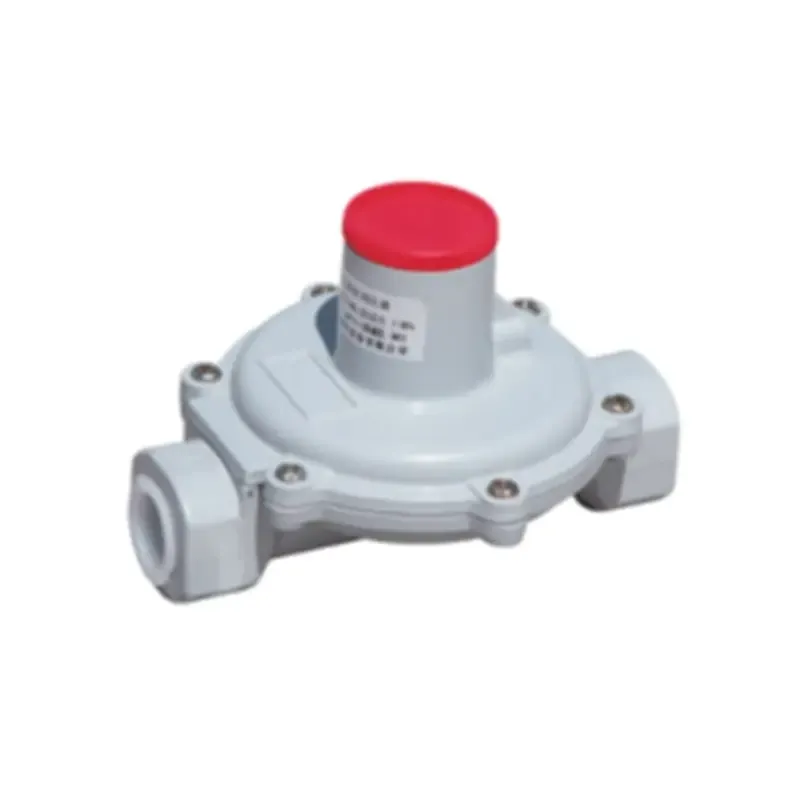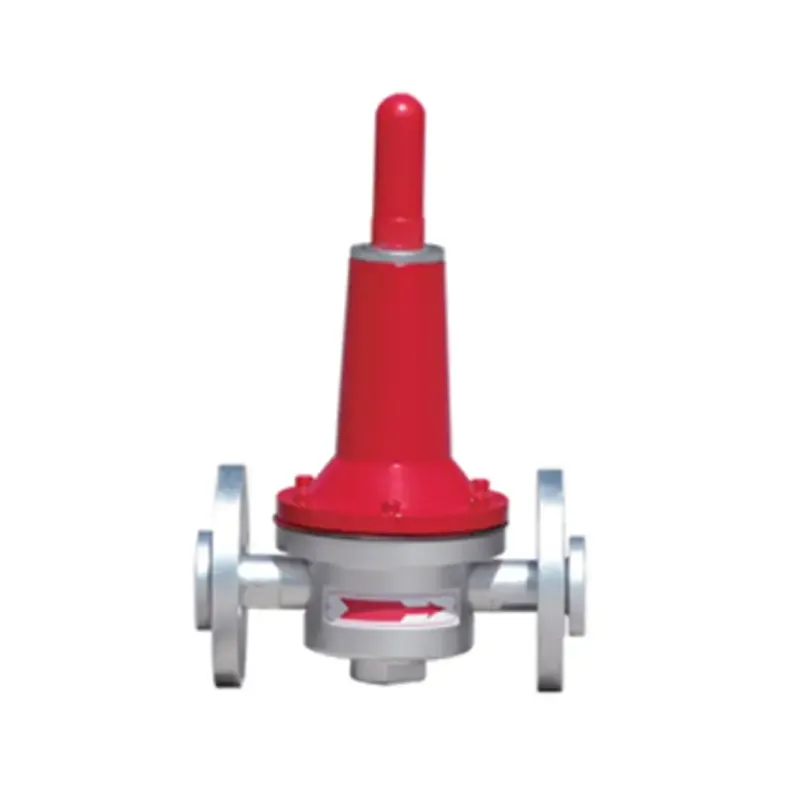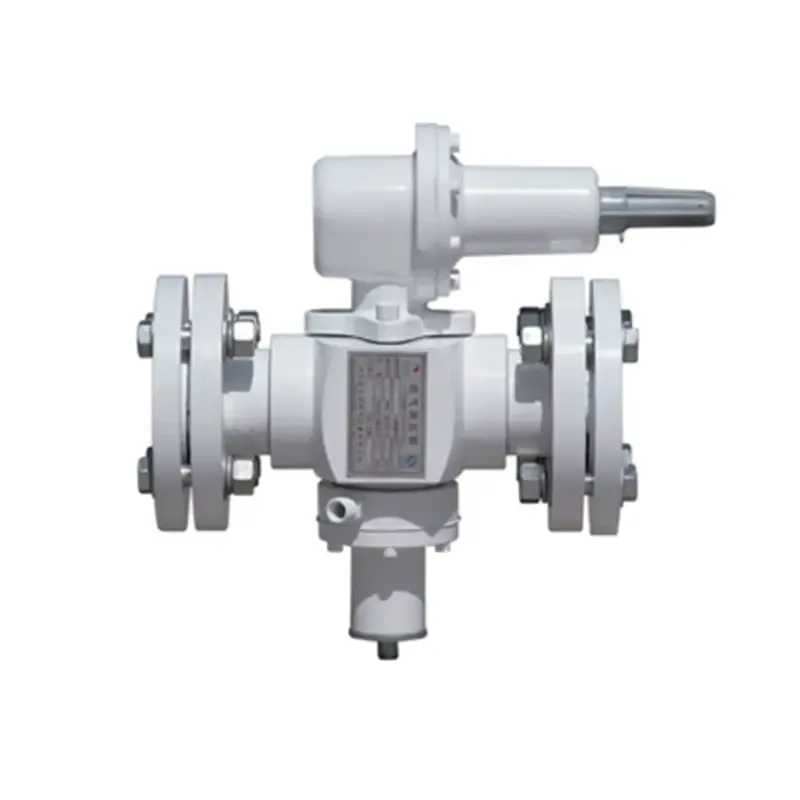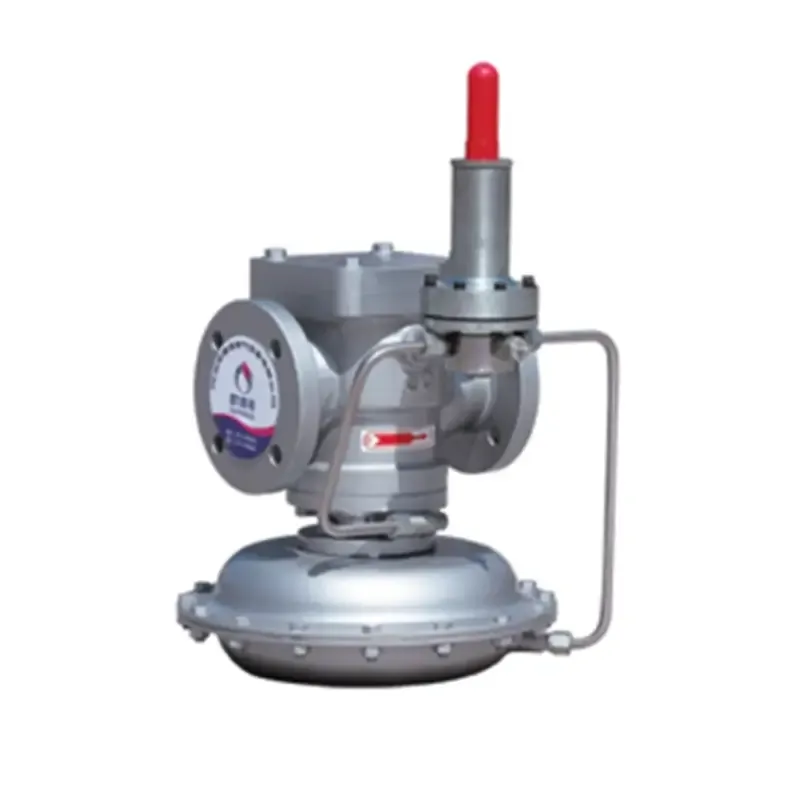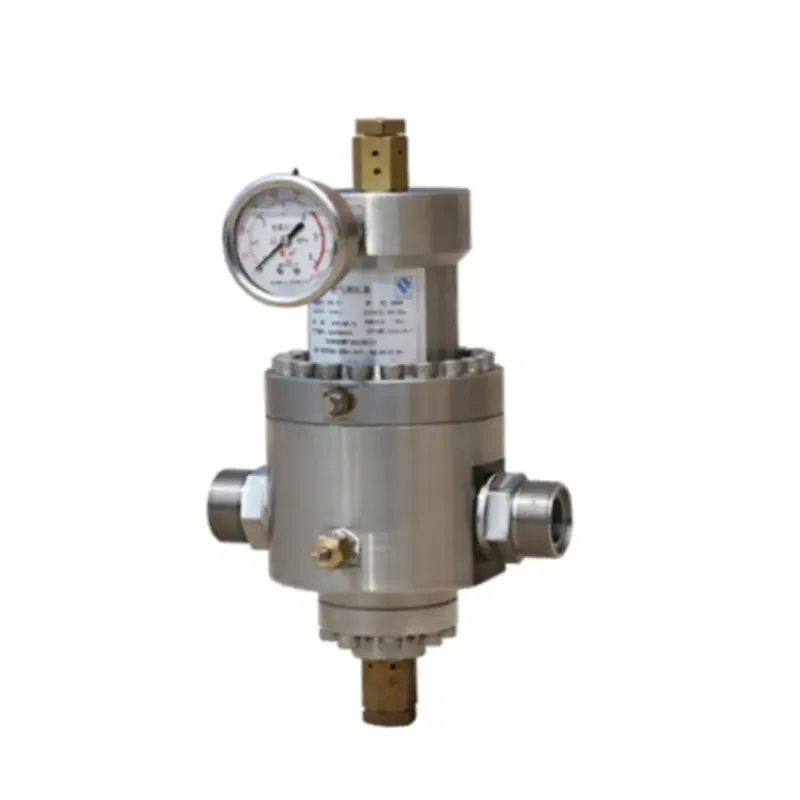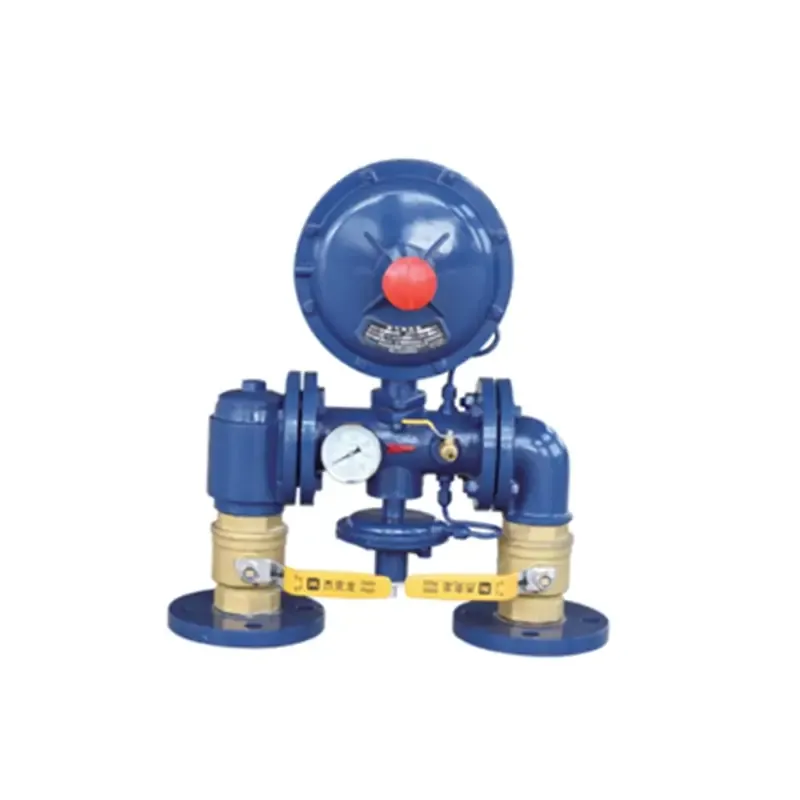
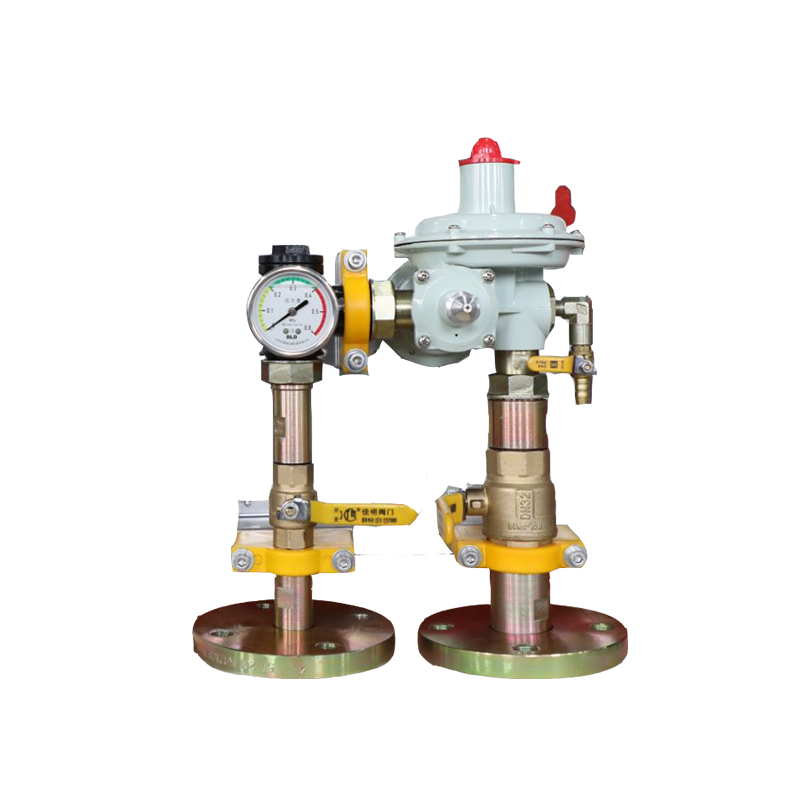
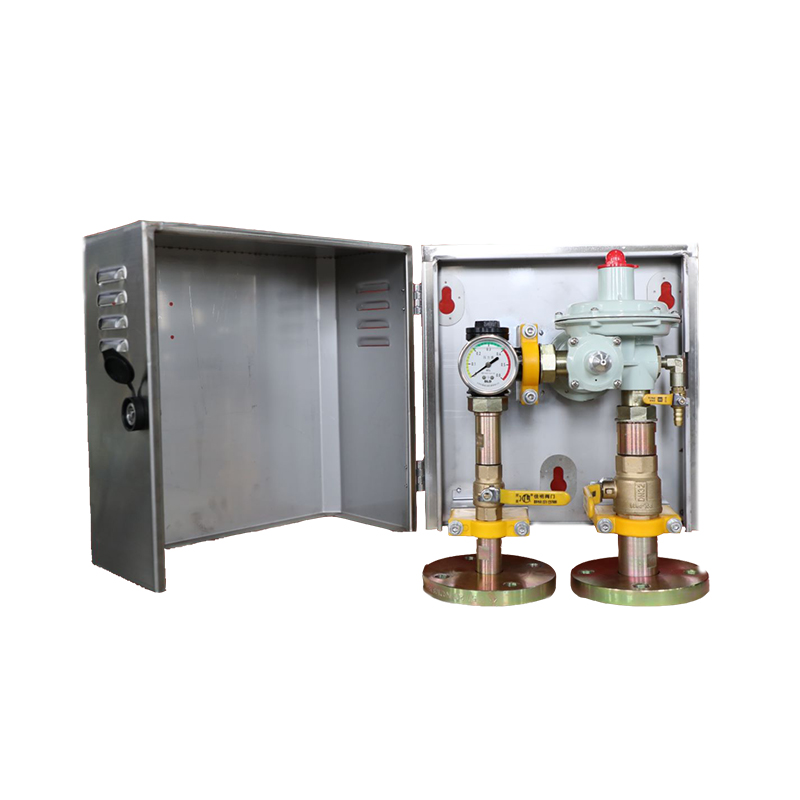
This series of products is small in volume, large in flow, with safe shut-off device, stable in performance, safe and reliable, and can be maintained online.
The pressure regulator can be assembled into a glass fiberglass box of various colors, a steel plate box, a stainless steel box and a color plate box, and can be provided with an electric heating band for thermal insulation.
The box can be used as an insulation box, suitable for areas with low temperatures, so as to ensure the normal operation of the voltage regulator.
Applicable media
Natural gas, coke oven gas, liquefied petroleum gas, biogas, mixed gas and other non-corrosive gases.
Fabrication standard
GB27790-2020 City Gas Pressure Regulator
Inlet pressure: P1: 0.02-0.6MPa
Outlet pressure: P2: 2.0-20KPa
Flow: 50-100Nm3/h
Pressure stabilization precision rating: AC5
Closing pressure rating: SG20
Shut-off precision: ±5%
Operating temperature: -20℃~+60℃
Series specifications: DN25, DN40, DN50
Connection mode: Flange connection PN1.6MPa HG/T20592-2009
Structural configuration: Two-stage pressure regulating, internal relief valve, overpressure and low-pressure shut-off valve, and manual reset
What does a gas pressure regulator do?
A gas pressure regulator is a safety and control device designed to manage the pressure of gas as it moves from a high-pressure source to a lower, usable level. Gas coming directly from cylinders, storage tanks, or pipelines is often too strong or too inconsistent for appliances or equipment to handle safely. The regulator solves this problem by automatically reducing and stabilizing the gas pressure before it reaches the downstream system.
At its core, a gas pressure regulator performs three main functions: pressure reduction, pressure control, and pressure stabilization. First, it lowers the incoming high pressure to a safe output level. Second, it controls how much gas flows through the system by adjusting the valve opening in response to pressure changes. Third, it keeps the output pressure consistent even when the input pressure fluctuates—for example, when a tank begins to empty or when multiple appliances turn on at once.
A typical regulator uses a combination of mechanical components—such as a spring, diaphragm, and valve—to maintain balance. When the downstream pressure drops, the diaphragm moves and opens the valve slightly, allowing more gas to flow. When the pressure rises, the diaphragm pushes the valve toward the closed position to reduce flow. This automatic balancing action ensures appliances receive steady, safe pressure.
Gas pressure regulators are used in a wide range of applications, including home gas stoves, propane grills, water heaters, industrial burners, welding systems, and medical gas equipment. Without them, appliances would be at risk of receiving too much pressure, which could lead to poor performance, equipment damage, or dangerous situations such as leaks or explosions.
In short, a gas pressure regulator ensures that gas-powered systems operate safely, efficiently, and reliably by reducing and controlling gas pressure to the appropriate level required for proper function.
How do I know if my gas pressure regulator is bad?
You can often tell your gas pressure regulator is going bad by watching for changes in how your gas appliances perform. One of the most common signs is inconsistent flame behavior. If your stove, heater, or grill has flames that flicker, burn yellow instead of blue, or change height without adjustment, the regulator may no longer be maintaining stable pressure. Appliances that suddenly heat unevenly or take longer than usual to ignite can also indicate regulator issues.
Another warning sign is strange noises coming from the regulator. A healthy regulator should operate quietly. If you hear hissing, buzzing, or rattling, it may mean the internal components—like the diaphragm or spring—are damaged or worn out. A strong hissing sound can signal a gas leak, which is a serious safety concern.
You should also pay attention to gas odors near the regulator or connected appliances. The smell of gas may indicate a leak caused by a failing seal or malfunctioning vent. If you detect gas, turn off the supply immediately and contact a professional.
Physical signs of damage are also important. A regulator that looks corroded, cracked, dented, or dirty may not function correctly. In propane systems, frost forming on the regulator can mean it is stuck open and releasing too much gas. If multiple appliances show weak flames or reduced performance at the same time, the regulator may be restricting gas flow.
Finally, age matters. Regulators typically last 10 to 15 years, and older units are more prone to failure. If yours is approaching this age and showing symptoms, replacement is recommended.
In short, look for inconsistent flames, unusual noises, gas smells, visible damage, or reduced appliance performance. Any of these signs suggest your gas pressure regulator may be failing and should be inspected or replaced by a professional.
Gas pressure regulator how it works?
A gas pressure regulator works by automatically reducing high incoming gas pressure to a lower, steady, and safe level that appliances or equipment can use. Even though it looks simple from the outside, the regulator relies on a precise mechanical balance of internal parts to maintain consistent pressure regardless of changes in gas supply or demand.
At the heart of the regulator are three key components: a valve, a spring, and a diaphragm. Gas enters the regulator at high pressure and flows toward the valve. The valve opens or closes depending on signals from the diaphragm, which constantly senses the pressure on the downstream side of the system. The spring applies force against the diaphragm and sets the desired outlet pressure.
Here’s how the process works:
When the downstream pressure drops—such as when an appliance turns on—the diaphragm moves inward because there is less force pushing against it. This movement opens the valve slightly, allowing more gas to flow through the regulator. As gas flows, the downstream pressure rises back to the target level.
When the downstream pressure becomes too high, the diaphragm is pushed outward. This motion closes the valve partially or completely, reducing the flow of gas. The regulator continually adjusts this opening and closing, maintaining a stable outlet pressure.
Many regulators also include a vent, which releases excess gas or balances atmospheric pressure to help the diaphragm move freely. In propane or outdoor systems, this vent prevents pressure buildup that could damage the regulator.
In essence, a gas pressure regulator works as a self-balancing system that responds instantly to pressure changes. By constantly adjusting the valve position, it ensures that gas-powered appliances receive a stable, safe, and reliable flow of gas.
ng equipment
precision voltage regulator
pressure regulating device
skid mounted equipment
smart regulator
Write your message here and send it to us
Products categories