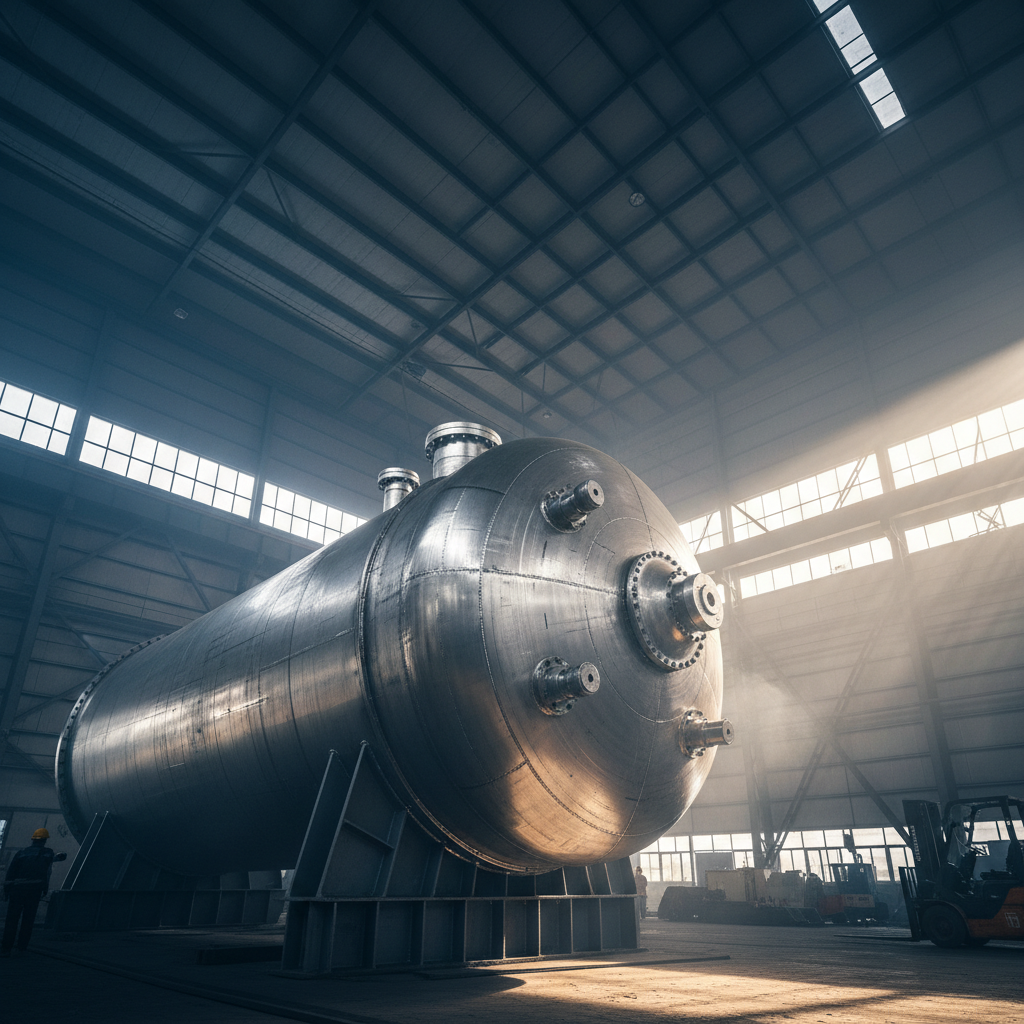
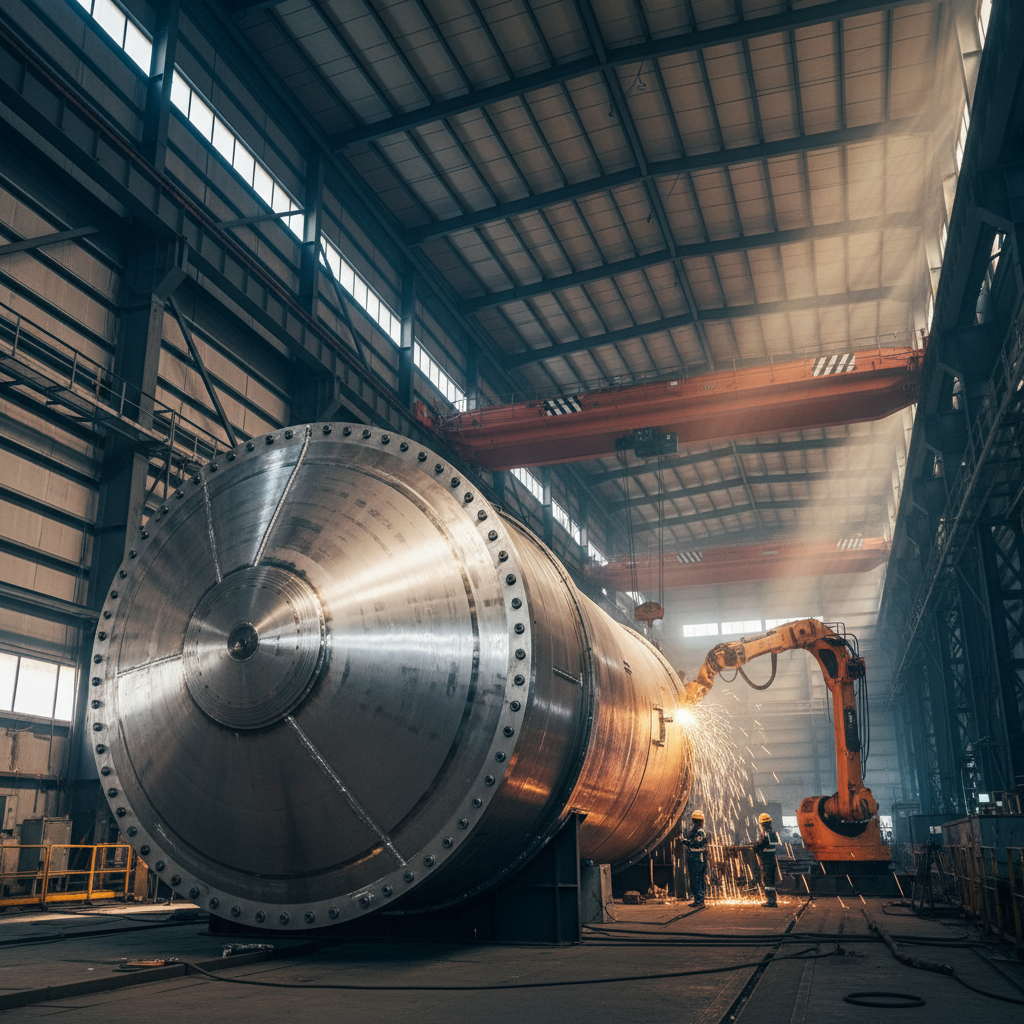
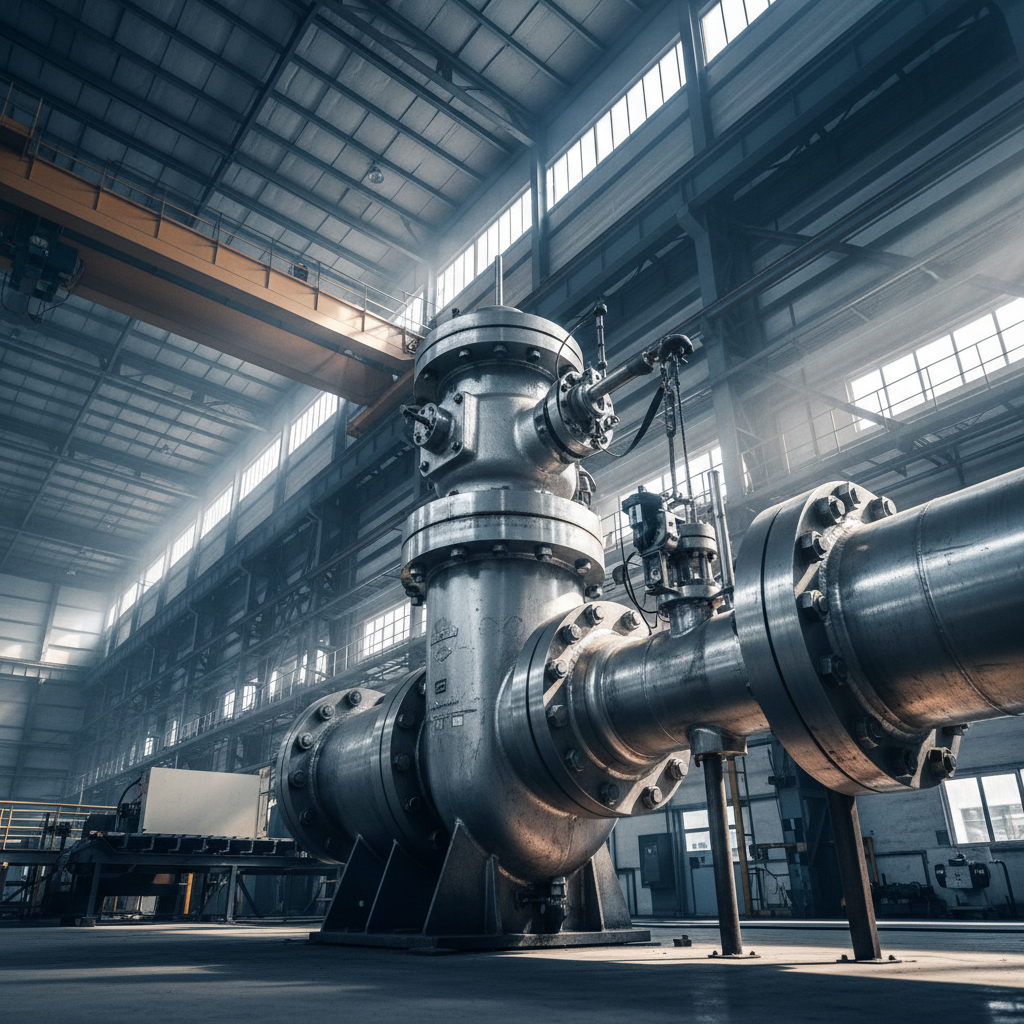
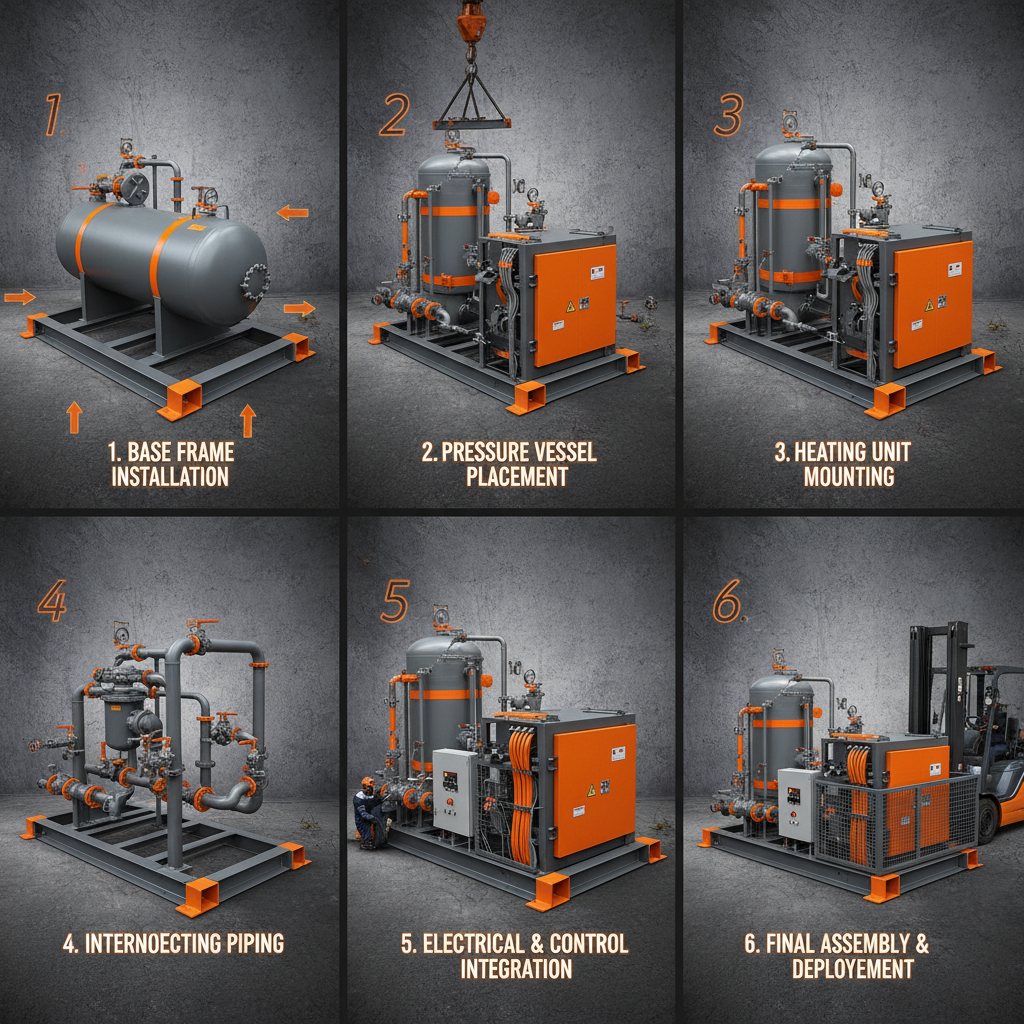
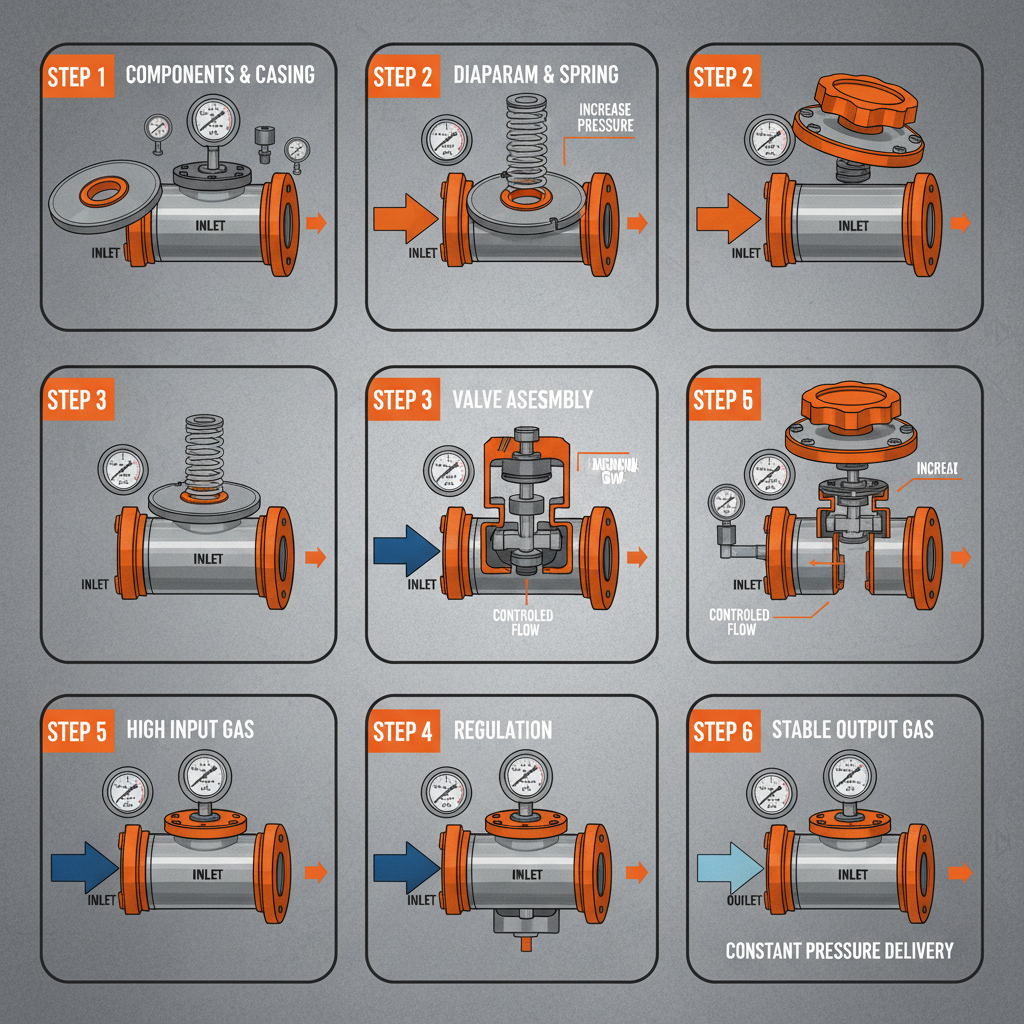
Pressure vessels are integral components across a vast spectrum of industries, serving as safe and reliable containers for storing and processing fluids and gases at substantial pressures. From the energy sector and chemical processing to aerospace and even everyday applications like propane tanks, their robust design and engineering are fundamental to modern infrastructure and industrial processes. The global demand for pressure vessels is continually growing alongside expanding industrialization and increasing energy needs.
Understanding the principles behind pressure vessel design, manufacturing, and inspection is crucial for ensuring operational safety, preventing catastrophic failures, and optimizing efficiency. Regulations and standards, such as those set by ASME, play a pivotal role in maintaining quality control and safeguarding personnel and the environment. A thorough grasp of these concepts is essential for engineers, technicians, and operators alike.
The increasing focus on sustainability and cost-effectiveness is driving innovation in pressure vessel materials and construction techniques. This includes exploring lightweight composites, advanced welding methods, and intelligent monitoring systems to enhance performance and reduce lifecycle costs.
Introduction to Pressure Vessel Applications
The applications of pressure vessels are incredibly diverse. They are fundamental in oil refineries, where they contain reacting chemicals under high pressure. Power generation plants rely on them to manage steam and water systems. Furthermore, compressed air storage, critical for many industrial processes, depends entirely on the integrity of pressure vessels.
The increasing demand for energy storage solutions, particularly in renewable energy sources like compressed air energy storage (CAES), is significantly driving the need for advanced and efficient pressure vessel technologies. The ability to safely and reliably store energy on a large scale hinges upon the continuous development of these crucial components.
Defining a Pressure Vessel
A pressure vessel is, fundamentally, a closed container designed to hold gases or liquids at a pressure substantially different from the ambient pressure. This ‘substantially different’ aspect is key – it differentiates a pressure vessel from simple storage tanks. The pressure difference can be internal (higher than external) or external (higher than internal), though the former is far more common.
Their designs consider the stresses created by that pressure, and are constructed to withstand them safely. Compliance with rigorous engineering standards, like those dictated by the ASME Boiler and Pressure Vessel Code, is paramount. Without adhering to these standards, the risk of catastrophic failure increases dramatically.
Modern industry and humanitarian aid benefit directly from advancements in pressure vessel technology. From providing safe drinking water through pressurized water systems to facilitating medical oxygen storage in remote locations, these vessels enable critical services and contribute to improved quality of life.
Key Characteristics of Pressure Vessels
Durability: Pressure vessels are engineered to withstand immense stress over extended periods. Material selection—typically high-strength steels, alloys, or composites—is critical. Corrosion resistance is also a major consideration, especially in harsh environments.
Scalability: Pressure vessel designs can be scaled to accommodate a wide range of volumes and pressures, adapting to diverse application requirements. From small, portable gas cylinders to massive reactors in chemical plants, scalability is a core characteristic.
Safety Features: These vessels incorporate multiple safety features, including pressure relief valves, rupture disks, and inspection ports. Regular non-destructive testing (NDT) is essential to identify and mitigate potential flaws before they can lead to failure.
Global Applications and Industries Utilizing Pressure Vessels
Pressure vessels find application across a wide range of industries globally. The oil and gas sector is a major consumer, using them for processing, storage, and transportation of hydrocarbons. The chemical industry relies heavily on them for reactions and separation processes, often handling corrosive or hazardous materials.
In the power generation industry, they are vital components of boilers and steam turbines. Pharmaceutical companies use them for fermentation and purification processes. Even in the food and beverage industry, pressure vessels are used for pasteurization and carbonation.
In post-disaster relief operations, mobile water purification systems utilizing pressure vessels provide safe drinking water to affected populations. Similarly, in remote industrial zones, compressed air systems housed within pressure vessels power essential tools and equipment.
Pressure Vessel Application Distribution by Industry
Advantages and Long-Term Value of Pressure Vessels
The use of pressure vessels delivers substantial advantages, starting with enhanced process efficiency. By allowing reactions to occur under controlled pressure, yield and product quality can be significantly improved. Furthermore, they allow for compact process designs, reducing footprint and associated costs.
From a long-term perspective, the reliability and durability of well-maintained pressure vessels translate into lower operational costs and minimized downtime. Investing in high-quality materials and adhering to rigorous inspection schedules significantly contributes to this long-term value proposition.
Future Trends in Pressure Vessel Technology
The future of pressure vessel technology is being shaped by several key trends. The development of advanced materials, like carbon fiber reinforced polymers (CFRPs), promises lighter and stronger vessels, improving efficiency and reducing material costs. Digital twin technology and AI-powered predictive maintenance are also gaining traction.
These advancements contribute to improved safety, reduced environmental impact, and increased operational efficiency. The drive towards green energy solutions, particularly hydrogen storage, will further accelerate innovation in high-pressure vessel design and manufacturing.
Challenges and Innovative Solutions for Pressure Vessels
Despite their proven reliability, pressure vessels face challenges, including corrosion, fatigue, and the potential for embrittlement. Traditional inspection methods can be time-consuming and costly. Another challenge is the weight of traditional steel vessels, particularly for mobile applications.
Innovative solutions address these issues. Advanced non-destructive testing (NDT) techniques, such as phased array ultrasonic testing (PAUT) and eddy current testing, provide more accurate and efficient inspections. The use of composite materials reduces weight without compromising strength.
Coatings and corrosion inhibitors further enhance durability, while AI-driven algorithms are being developed to predict remaining useful life, optimizing maintenance schedules and preventing catastrophic failures.
Summary of Common Pressure Vessel Challenges and Solutions
| Challenge |
Severity (1-10) |
Current Mitigation Strategies |
Emerging Solutions |
| Corrosion |
8 |
Protective coatings, material selection |
Self-healing coatings, corrosion inhibitors |
| Fatigue Cracking |
7 |
Stress relief, regular inspections |
AI-powered fatigue life prediction |
| Weight |
6 |
Optimized steel alloys |
Composite material construction |
| Inspection Costs |
5 |
Periodic visual and NDT inspections |
Remote sensing, robotic inspections |
| Embrittlement |
6 |
Material selection, temperature control |
Advanced alloy development |
| Regulatory Compliance |
7 |
Adherence to ASME standards |
Digital documentation and tracking |
FAQS
Pressure vessels are typically constructed from carbon steel, stainless steel, and alloy steels due to their high strength, weldability, and corrosion resistance. The specific material selected depends on the operating pressure, temperature, and the corrosive nature of the contained fluid. Increasingly, composite materials are being explored for applications requiring lighter weight and higher strength-to-weight ratios, though these are still less common for high-pressure applications.
The frequency of pressure vessel inspections is dictated by governing regulations and standards, such as those outlined by ASME. Typically, external inspections are conducted annually, while internal inspections are required every 3-5 years, depending on the vessel's service conditions and history. More frequent inspections are necessary if there's evidence of corrosion, damage, or operational anomalies.
A pressure relief valve (PRV) is a critical safety device designed to automatically release pressure from a vessel if it exceeds a predetermined safe limit. This prevents overpressurization, which could lead to catastrophic failure. PRVs are carefully sized and calibrated to match the vessel's design parameters and the potential sources of overpressure. Regular testing and maintenance of PRVs are essential for ensuring their reliability.
Common causes of pressure vessel failure include corrosion, fatigue cracking, material defects, weld flaws, and overpressurization. Poor maintenance, improper operating procedures, and exceeding design limits also contribute to failures. Thorough inspections, regular maintenance, and adherence to safety protocols are crucial for preventing these issues.
Non-Destructive Testing (NDT) encompasses a range of techniques used to evaluate the integrity of a pressure vessel without causing damage. Common NDT methods include ultrasonic testing, radiography, magnetic particle inspection, and liquid penetrant testing. NDT is vital for detecting flaws, corrosion, and other defects that could compromise the vessel's structural integrity, allowing for proactive repairs and preventing failures.
The ASME Boiler and Pressure Vessel Code (BPVC) is a widely recognized standard that provides comprehensive rules and guidelines for the design, fabrication, inspection, and testing of pressure vessels. Adherence to the ASME BPVC is often mandated by law and is essential for ensuring safety and reliability. The code covers various aspects, including material selection, welding procedures, and quality control requirements.
Conclusion
Pressure vessels are fundamental components in numerous industries, playing a critical role in ensuring safe and efficient operation across a broad spectrum of applications. Their design, construction, and maintenance are governed by stringent standards to guarantee reliability and prevent catastrophic failures. Advancements in materials, inspection techniques, and digital technologies are continually enhancing their performance and lifespan.
Looking forward, the continued focus on sustainability, energy efficiency, and safety will drive innovation in pressure vessel technology. Investing in research and development, adopting advanced materials, and embracing digital solutions will be essential for meeting the evolving demands of a rapidly changing world. For more information about pressure vessel solutions, visit our website: www.gasouyinuo.com