Basket strainers are essential components in fluid systems, serving as the first line of defense against debris and contaminants. Their widespread use across diverse industries—from water treatment plants to oil refineries and chemical processing facilities—highlights their crucial role in protecting valuable equipment and ensuring operational efficiency. Understanding the principles behind basket strainers is vital for engineers, plant managers, and anyone involved in maintaining fluid handling systems.
Globally, the demand for effective filtration solutions is steadily increasing, driven by stringent environmental regulations and a growing focus on minimizing downtime and maintenance costs. The UN Sustainable Development Goal 6, ensuring availability and sustainable management of water and sanitation for all, relies heavily on robust filtration technologies like basket strainers. Similarly, industries face increasing pressure to reduce waste and enhance process reliability, making efficient filtration paramount.
Basket strainers offer a simple yet highly effective method for removing solids from liquids. They are particularly valued for their ease of maintenance, high flow capacity, and relatively low cost. This makes them an indispensable part of many industrial processes, and a key component in safeguarding downstream equipment like pumps, valves, and instrumentation.
The Importance of Basket Strainers in Industrial Filtration
Basket strainers are frequently overlooked yet critically important components in a wide range of industrial filtration systems. They protect sensitive and expensive downstream equipment from damage caused by particulate matter, extending equipment life and reducing costly repairs. Properly selected and maintained basket strainers contribute significantly to overall process reliability.
The selection of a suitable basket strainer involves careful consideration of factors such as flow rate, particle size distribution, fluid compatibility, and operating pressure. Failing to address these factors can result in reduced efficiency, increased pressure drop, and ultimately, system failure.
Defining Basket Strainers: A Comprehensive Overview
A basket strainer is a mechanical filtration device designed to remove solid particles from liquids or gases. It consists of a cylindrical or conical housing containing a woven wire mesh or perforated metal basket. The fluid enters the strainer, and solids are trapped within the basket, while the clean fluid passes through.
Unlike other filtration methods like plate and frame filters or cartridge filters, basket strainers excel in handling high flow rates and large particulate loads. Their robust construction and relatively simple design contribute to their long service life and minimal maintenance requirements. This makes them ideal for pre-filtration applications where the primary goal is to remove larger debris before more refined filtration stages.
The core principle behind a basket strainer’s effectiveness lies in its large filtration area. This translates to lower pressure drop compared to filters with smaller filtration areas, allowing for consistent flow rates and reduced energy consumption. They are directly applicable to situations needing coarse filtration to protect pumps, nozzles, and other line components.
Core Characteristics of High-Performance Basket Strainers
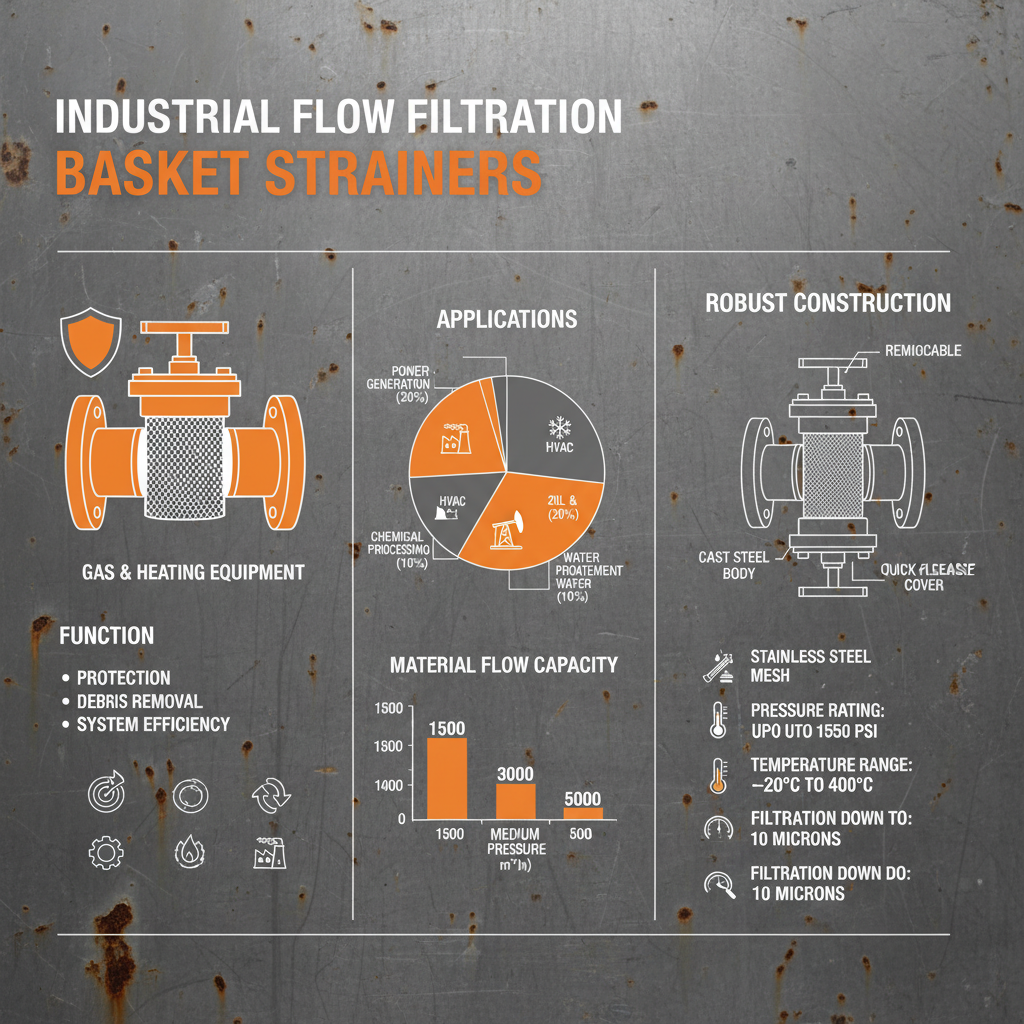
Durability is a defining characteristic of high-performance basket strainers. Constructed from materials like stainless steel, carbon steel, and specialty alloys, they withstand harsh operating conditions, including high temperatures, pressures, and corrosive fluids. The ability to withstand these conditions ensures longevity and minimizes the risk of catastrophic failure.
Flow Capacity is also crucial. High-performance basket strainers are designed to handle substantial flow rates without significant pressure drop. This is achieved through optimized basket designs and large filtration areas. The ability to maintain consistent flow rates is critical in maintaining process efficiency and preventing bottlenecks.
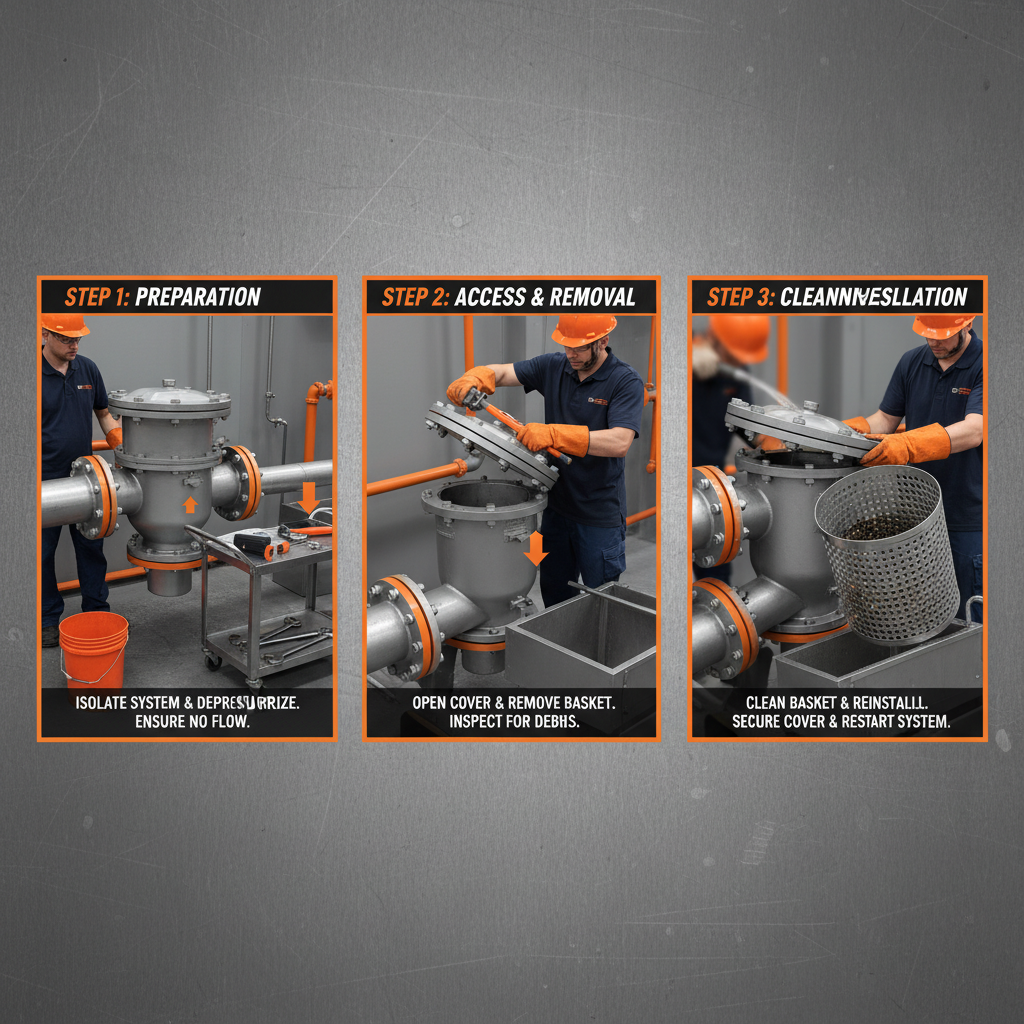
Maintainability is another key attribute. Basket strainers are designed for quick and easy cleaning and basket replacement. This minimizes downtime and reduces maintenance costs. Features like quick-opening closures and easily accessible baskets streamline the maintenance process.
Global Applications and Use Cases of Basket Strainers
Basket strainers find widespread application across numerous industries globally. In the water treatment industry, they protect pumps and membranes from clogging by removing sediment, algae, and other debris from raw water sources. In the oil and gas sector, they safeguard pipelines and processing equipment from corrosion and erosion caused by sand, scale, and other particulate matter.
The chemical processing industry relies on basket strainers to protect reactors, heat exchangers, and other critical components from fouling and damage. Similarly, the food and beverage industry uses them to ensure product purity and prevent contamination. In post-disaster relief operations, portable basket strainers are deployed to quickly filter water sources, providing safe drinking water to affected populations.
From remote industrial zones requiring robust and reliable filtration to power plants needing to protect sensitive turbine blades, basket strainers are a versatile solution for a broad spectrum of fluid filtration challenges. They are also integral in HVAC systems, protecting cooling coils from debris build-up and maintaining energy efficiency.
Basket Strainer Performance Metrics
The Advantages and Long-Term Value of Basket Strainer Implementation
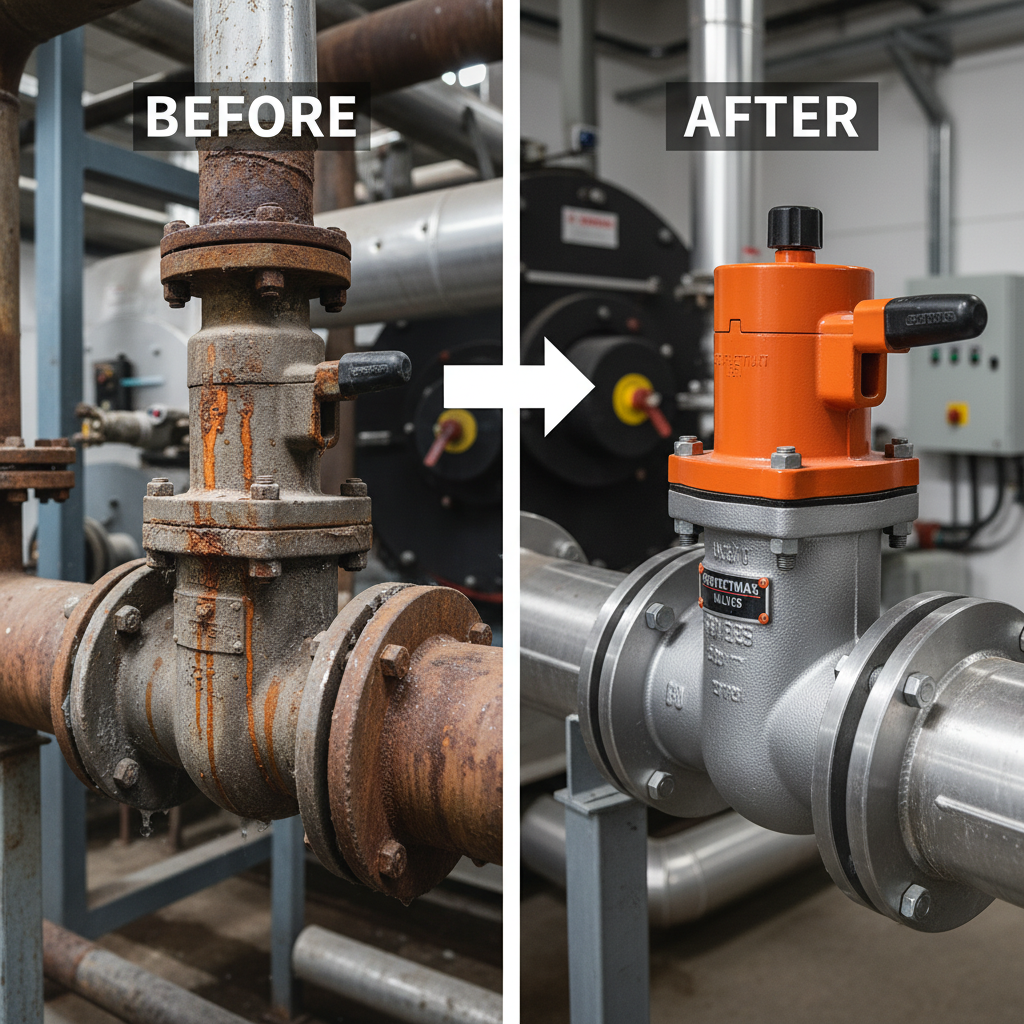
Implementing basket strainers offers a multitude of tangible benefits. Reduced maintenance costs, stemming from protected equipment and fewer breakdowns, are a significant financial advantage. Extended equipment lifespan translates to lower capital expenditure on replacements.
Beyond cost savings, basket strainers contribute to increased process reliability and reduced downtime. This boosts productivity and improves overall operational efficiency. The environmental benefits of preventing leaks and spills, and minimizing waste generation, further enhance the long-term value proposition.
Future Trends and Innovations in Basket Strainer Technology
The future of basket strainer technology is focused on enhancing performance, reducing maintenance, and integrating with smart monitoring systems. Developments in materials science are leading to the creation of more corrosion-resistant and durable baskets.
Self-cleaning basket strainers, utilizing automated backwashing or scraping mechanisms, are gaining popularity, minimizing manual intervention and downtime. Furthermore, the integration of sensors and IoT connectivity allows for real-time monitoring of pressure drop, flow rate, and basket loading, enabling predictive maintenance and optimized operation.
The incorporation of digital twin technology is emerging, allowing for virtual modeling and simulation of basket strainer performance, aiding in design optimization and troubleshooting. These innovations align with broader industry trends towards digitalization and automation.
Challenges and Solutions in Basket Strainer Application
Despite their benefits, applying basket strainers effectively can present challenges. Clogging, particularly in fluids with high solids content, remains a common issue. This can be mitigated by selecting appropriately sized strainers, implementing regular cleaning schedules, and utilizing self-cleaning designs.
Proper sizing is also crucial to avoid excessive pressure drop or bypass of solids. Careful calculation of flow rates and particle size distribution is essential. Selecting the correct mesh size for the basket is paramount to ensure effective filtration without excessive pressure loss.
Another challenge involves selecting compatible materials to withstand the corrosive effects of certain fluids. Careful consideration of the fluid composition and operating temperature is necessary to prevent material degradation and ensure long-term reliability.
Summary of Common Challenges and Corresponding Solutions for Basket Strainer Application
| Challenge |
Root Cause |
Solution |
Preventative Measure |
| Basket Clogging |
High Solids Concentration |
Regular Cleaning/Self-Cleaning Strainer |
Implement Pre-Filtration |
| Excessive Pressure Drop |
Undersized Strainer/Fine Mesh |
Increase Strainer Size/Coarser Mesh |
Accurate Flow Rate Calculation |
| Material Corrosion |
Incompatible Material Selection |
Select Corrosion-Resistant Alloy |
Fluid Compatibility Analysis |
| Basket Damage |
High Flow Velocity/Impact |
Reduce Flow Velocity/Basket Reinforcement |
Inspect for Wear and Tear |
| Bypass of Solids |
Mesh Size Too Large |
Reduce Mesh Size |
Particle Size Analysis |
| Difficult Maintenance |
Inaccessible Design |
Choose Quick-Opening Strainers |
Prioritize Accessibility in Selection |
FAQS
The lifespan of a basket strainer varies depending on factors like the fluid being filtered, the solids content, and the strainer's material of construction. Generally, a well-maintained stainless steel basket strainer can last 10-20 years, or even longer, in a typical industrial environment. Regular cleaning and inspection are crucial for maximizing its lifespan. Proper material selection for corrosive environments is also essential to prevent premature failure.
Determining the appropriate mesh size requires analyzing the particle size distribution of the solids in your fluid stream. The mesh size should be slightly smaller than the smallest particle you want to remove while maximizing flow rate. Consider the trade-off: finer meshes provide more thorough filtration but can reduce flow and increase clogging frequency. Consulting with a filtration specialist can help you select the optimal mesh size for your application.
Self-cleaning basket strainers significantly reduce maintenance requirements and downtime. Automated backwashing or scraping mechanisms continuously remove accumulated solids, preventing pressure drop and maintaining consistent flow. While they have a higher initial cost, they can deliver substantial long-term savings by minimizing labor and production interruptions. They are particularly beneficial in applications with high solids content or limited access for manual cleaning.
Basket strainers can be adapted for use in gaseous streams, but careful consideration must be given to the pressure drop and the potential for condensation. Materials must be selected to withstand the gas's corrosiveness and temperature. The basket mesh must be designed to prevent particle re-entrainment due to the gas flow. Special designs and materials may be necessary to ensure effective and reliable operation in gaseous applications.
Common materials include stainless steel (304, 316), carbon steel, and various alloys like Hastelloy and Monel. Stainless steel is popular for its corrosion resistance and durability. Carbon steel is more cost-effective for less corrosive applications. Alloys are used in extremely harsh environments. The choice depends on the fluid’s chemical composition, temperature, pressure, and the required lifespan of the strainer.
Pressure drop across a basket strainer is inevitable, but excessive pressure drop can reduce system efficiency and increase energy consumption. It's crucial to select a strainer size and mesh that minimize pressure drop while effectively removing solids. Regular cleaning or utilizing a self-cleaning strainer helps maintain optimal flow rates and prevent excessive pressure build-up. Monitoring pressure drop is a key indicator of strainer loading and performance.
Conclusion
In conclusion, basket strainers are indispensable components in numerous industrial applications, providing robust and reliable filtration for a wide range of fluids. Their durability, high flow capacity, and ease of maintenance make them a cost-effective solution for protecting valuable equipment and ensuring operational efficiency. Understanding the core principles of basket strainer selection, application, and maintenance is crucial for optimizing system performance and minimizing downtime.
Looking ahead, innovations in materials science, self-cleaning technologies, and digital integration promise to further enhance the capabilities of basket strainers. By embracing these advancements, industries can unlock even greater benefits, including reduced operating costs, improved process reliability, and a more sustainable approach to fluid handling. Visit our website at www.gasouyinuo.com to explore our comprehensive range of basket strainer solutions and expert services.