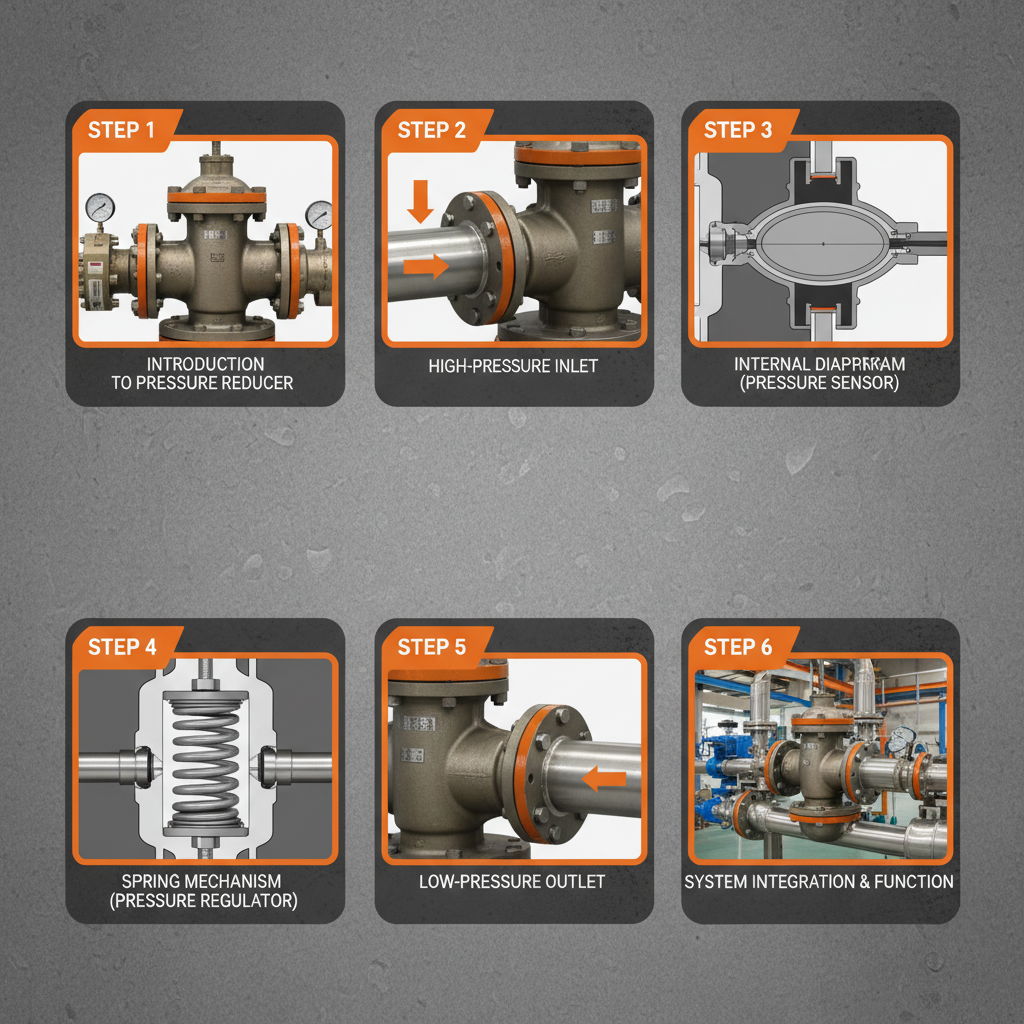
Relief valves are critical components in industrial and safety systems, designed to protect equipment and personnel from overpressure events. Their global significance stems from the widespread need to manage and mitigate risks associated with pressurized fluids and gases across diverse industries. Understanding their functionality and appropriate application is paramount for ensuring operational safety and preventing costly damage, making them a cornerstone of responsible engineering practices.
The demand for effective relief valves is driven by increasingly stringent safety regulations and the growing complexity of industrial processes. From oil and gas pipelines to chemical processing plants and power generation facilities, these valves play a vital role in maintaining system integrity. The economic impact of failures can be substantial, encompassing not only repair costs but also potential environmental liabilities and production downtime.
Moreover, relief valves are integral to humanitarian efforts, such as water purification systems and disaster relief operations where maintaining safe and reliable pressure control is crucial. Their widespread applicability makes them a fundamental element of modern infrastructure, impacting lives and economies worldwide.
The Importance of Relief Valves in Industrial Safety
Relief valves are often the last line of defense against catastrophic failures in pressurized systems. Their primary function is to automatically release excess pressure, preventing damage to equipment, pipelines, and vessels. This is particularly crucial in industries dealing with hazardous materials, where uncontrolled pressure surges can lead to explosions, fires, and environmental contamination. relief valves are, therefore, integral to plant safety and operational continuity.
Beyond preventing immediate disasters, consistently maintained relief valves contribute to lower lifecycle costs. By protecting equipment from overpressure, they reduce the frequency of repairs, replacements, and unplanned downtime. A robust relief valve system demonstrates a commitment to safety, attracting investment and fostering a positive reputation within the industry.
Defining Relief Valves and Their Core Function
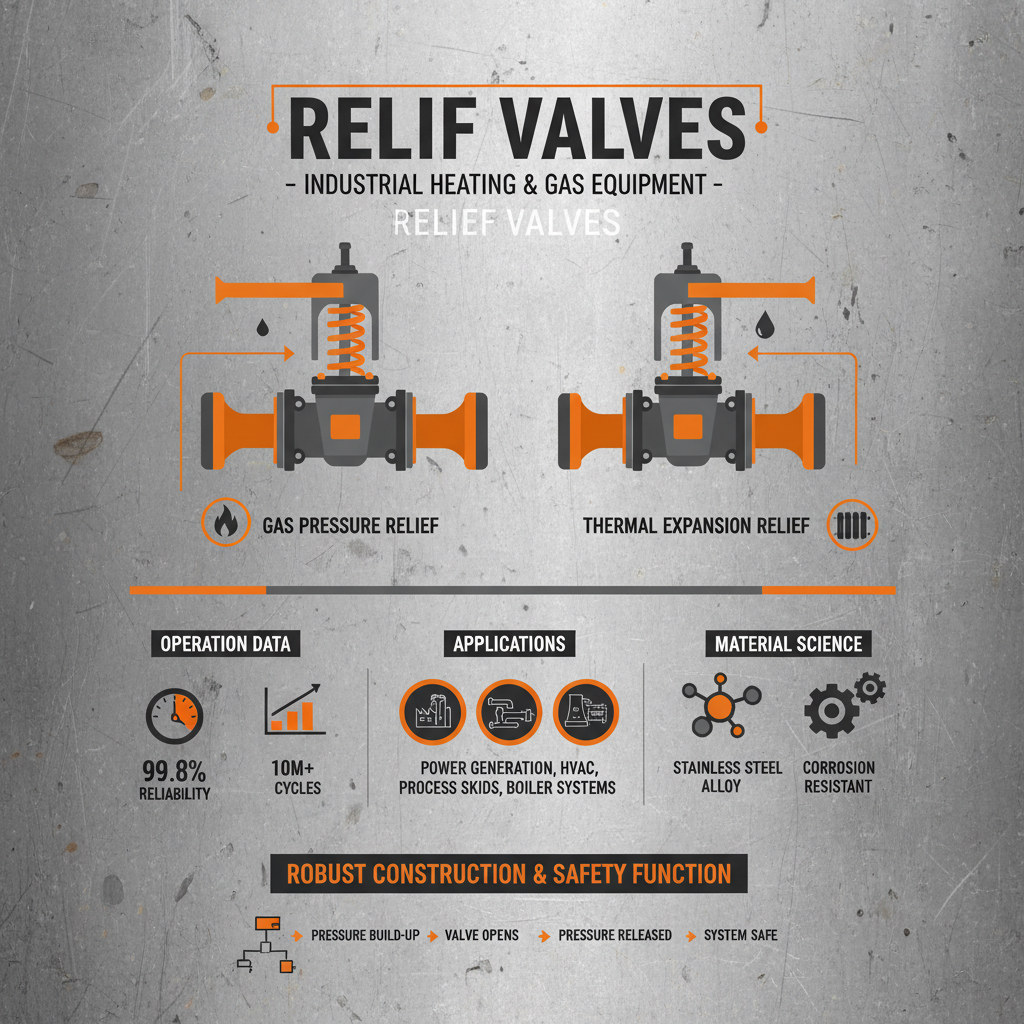
A relief valve is a safety device designed to automatically release a substance when the pressure in a system exceeds a predetermined limit. This prevents overpressure, which can damage equipment or cause a hazardous event. Unlike other pressure regulating devices, relief valves are designed to ‘pop open’ at a specific pressure and remain open until the pressure drops below a setpoint, offering rapid discharge in emergency situations.
The connection between relief valves and modern industry is profound. As industrial processes become more complex and utilize higher pressures, the need for reliable overpressure protection grows exponentially. This necessity extends beyond manufacturing into sectors like energy production, water treatment, and even healthcare, where precise pressure control is vital.
In humanitarian contexts, relief valves ensure safe operation of crucial equipment such as water purification units deployed in disaster zones. These systems require consistent pressure regulation to provide clean drinking water, and a malfunctioning valve could render the entire operation ineffective or even dangerous. The role of relief valves extends far beyond industrial applications.
Key Characteristics of High-Performance Relief Valves
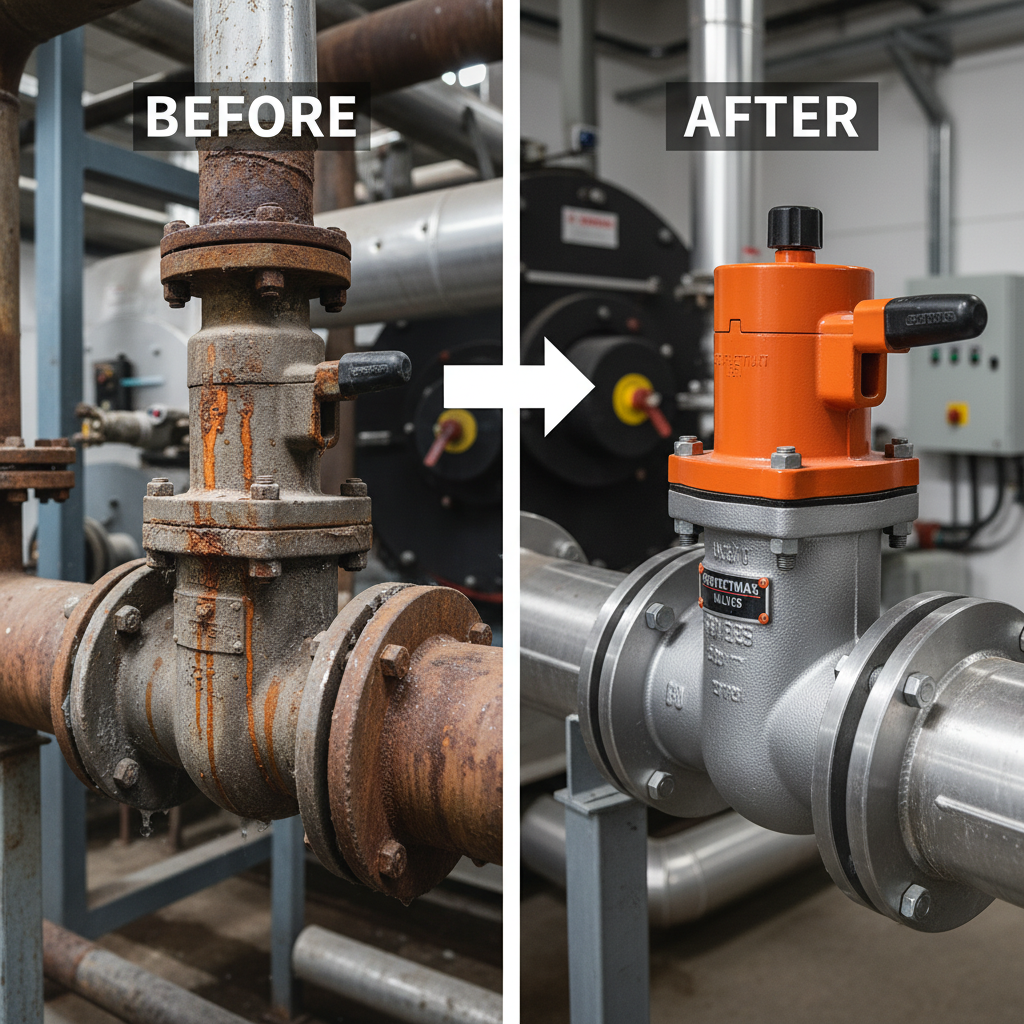
Durability is a cornerstone of high-performance relief valves. They must withstand harsh operating conditions, including corrosive environments, extreme temperatures, and fluctuating pressures, without compromising functionality. Materials selection, such as stainless steel or specialized alloys, is crucial for ensuring longevity and preventing premature failure. A durable relief valve minimizes the need for frequent replacements.
Responsiveness defines how quickly a relief valve reacts to overpressure conditions. A valve with a fast response time can prevent rapid pressure buildup, minimizing the risk of damage or catastrophic failure. This responsiveness is determined by factors such as valve design, spring characteristics, and orifice size.
Accuracy in set pressure is vital for preventing nuisance tripping or delayed response. Precise manufacturing and meticulous calibration ensure that the valve opens at the intended pressure, providing reliable protection without disrupting normal operations. Regular testing and recalibration are essential for maintaining accuracy over time.
Global Applications of Relief Valves Across Industries
The oil and gas industry relies heavily on relief valves to safeguard pipelines, refineries, and offshore platforms from overpressure events caused by process upsets or equipment malfunctions. They are essential for protecting storage tanks, compressors, and other critical equipment from damage and ensuring the safe transport of hydrocarbons.
In the chemical processing industry, relief valves are crucial for managing the risks associated with highly reactive and potentially hazardous substances. They protect reactors, distillation columns, and other process vessels from overpressure, preventing explosions and releases of toxic chemicals. Regions with large petrochemical complexes, like the Gulf Coast of the United States or industrial zones in China, have a particularly high demand for these valves.
Relief Valve Application by Industry Sector
The Advantages and Long-Term Value of Reliable Relief Valves
The primary advantage of utilizing high-quality relief valves is enhanced safety. Preventing overpressure incidents drastically reduces the risk of accidents, injuries, and fatalities, protecting both personnel and the environment. This contributes to a safer work environment and a more responsible operational profile.
Economically, reliable relief valves minimize costly downtime and repairs. By protecting equipment from damage, they extend its lifespan and reduce the need for frequent replacements. This translates into significant savings over the long term, contributing to improved profitability and return on investment.
Future Trends and Innovations in Relief Valve Technology
The integration of smart technology into relief valves is a growing trend. Sensors and data analytics can provide real-time monitoring of valve performance, allowing for predictive maintenance and early detection of potential issues. This proactive approach reduces the risk of unexpected failures and optimizes valve lifespan.
Advancements in materials science are leading to the development of lighter, more durable, and corrosion-resistant relief valves. These materials, such as advanced alloys and composites, can withstand extreme operating conditions and reduce the overall weight and size of the valve, making them suitable for a wider range of applications.
Digital twins, virtual representations of physical assets, are being utilized to simulate the behavior of relief valves under various operating conditions. This allows engineers to optimize valve design and predict performance, leading to more efficient and reliable systems.
Challenges and Solutions in Relief Valve Implementation
A common challenge in relief valve implementation is proper sizing. An undersized valve may not provide adequate protection, while an oversized valve can lead to instability and chatter. Accurate sizing requires a thorough understanding of the system’s characteristics and potential overpressure scenarios.
Another challenge is maintaining valve integrity over time. Corrosion, fouling, and wear can degrade valve performance, leading to leakage or failure. Regular inspection, testing, and maintenance are essential for ensuring continued reliability.
One solution is utilizing advanced computational fluid dynamics (CFD) modeling to optimize valve design and ensure accurate sizing. Another is implementing robust maintenance programs that include periodic testing, calibration, and replacement of critical components.
Overview of Critical Factors in Relief Valve Performance
| Valve Type |
Operating Pressure Range (PSI) |
Material Composition |
Maintenance Frequency (Months) |
| Conventional Spring-Loaded |
50-500 |
Carbon Steel |
12 |
| Pilot-Operated |
100-2000 |
Stainless Steel 316 |
6 |
| Balanced Bellows |
200-1000 |
Hastelloy C-276 |
9 |
| Direct Spring - High Flow |
300-800 |
Duplex Stainless Steel |
18 |
| Rupture Disc Combination |
10-1500 |
Carbon Steel / PTFE |
24 |
| Digital Relief Valve |
500-3000 |
Titanium Alloy |
12 |
FAQS
The typical lifespan of a relief valve varies depending on the operating environment, frequency of use, and maintenance schedule. Generally, a well-maintained relief valve can last between 5 to 15 years. Factors like corrosion, fouling, and mechanical wear will significantly influence longevity. Regular inspection and testing are crucial for maximizing lifespan and ensuring reliable performance.
Relief valves should be tested at least annually, and more frequently in harsh environments or critical applications. Testing typically involves verifying the set pressure, ensuring proper operation, and inspecting for leaks or damage. Regulatory standards may dictate specific testing frequencies based on industry and location. Proper documentation of testing results is essential for compliance and safety.
Relief valves can leak due to several factors, including seat damage, debris accumulation, corrosion, or improper installation. Seat damage can occur from repeated cycling or foreign material impacting the sealing surface. Corrosion weakens valve components, leading to leaks. Thorough inspection and cleaning can often resolve minor leaks, while significant damage may require valve replacement.
While often used interchangeably, relief valves and safety valves differ in their closure mechanism. Relief valves are designed for proportional flow – the valve opens gradually as pressure increases. Safety valves, on the other hand, have a snap-acting, full-lift design, opening rapidly and fully at the set pressure. Safety valves are typically used for compressible fluids like steam, while relief valves are used for incompressible liquids.
Selecting the right relief valve requires careful consideration of several factors, including the fluid type, operating pressure, temperature, flow rate, and applicable industry standards. Proper sizing is critical to ensure adequate protection. Consulting with a qualified valve engineer is highly recommended to ensure accurate selection and optimal performance.
Using an incorrectly sized relief valve can have serious consequences. An undersized valve may not be able to relieve enough pressure during an overpressure event, leading to equipment damage or catastrophic failure. An oversized valve can cause instability and chatter, potentially damaging the valve itself or disrupting normal operations. Accurate sizing is paramount for ensuring safety and reliability.
Conclusion
In conclusion, relief valves are indispensable components for safeguarding industrial processes, protecting critical infrastructure, and ensuring the safety of personnel. Their role extends beyond simple pressure regulation, contributing to operational efficiency, reduced downtime, and responsible environmental stewardship. Understanding the principles of operation, proper selection, and diligent maintenance of relief valves is crucial for any organization handling pressurized systems.
Looking ahead, the integration of smart technologies and advancements in materials science will continue to enhance the performance and reliability of relief valves. Proactive maintenance programs, coupled with a commitment to continuous improvement, will be essential for maximizing the long-term value of these critical safety devices. Visit our website at www.gasouyinuo.com to learn more about our comprehensive range of relief valve solutions.