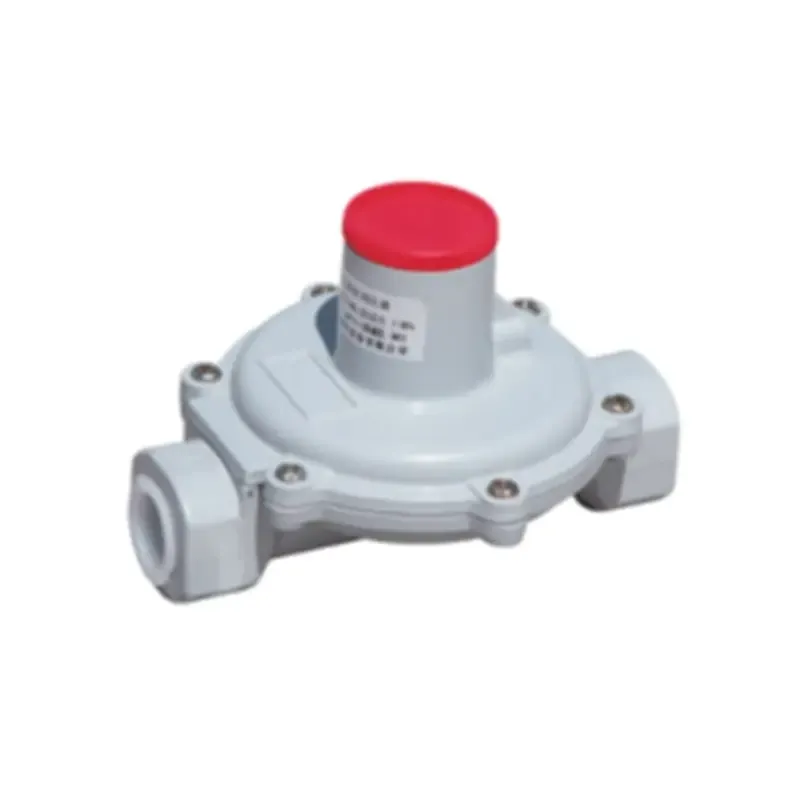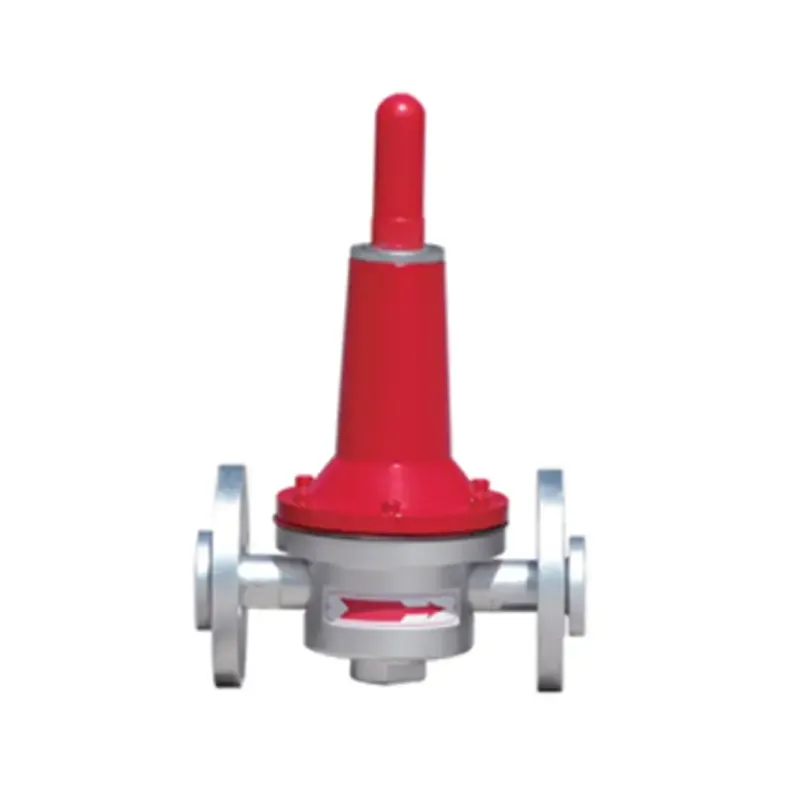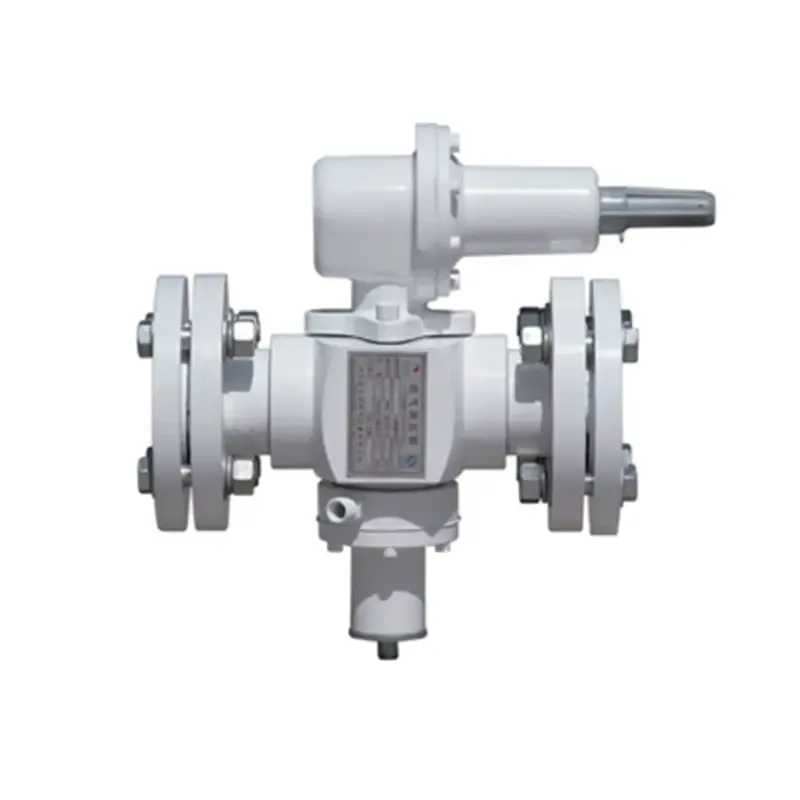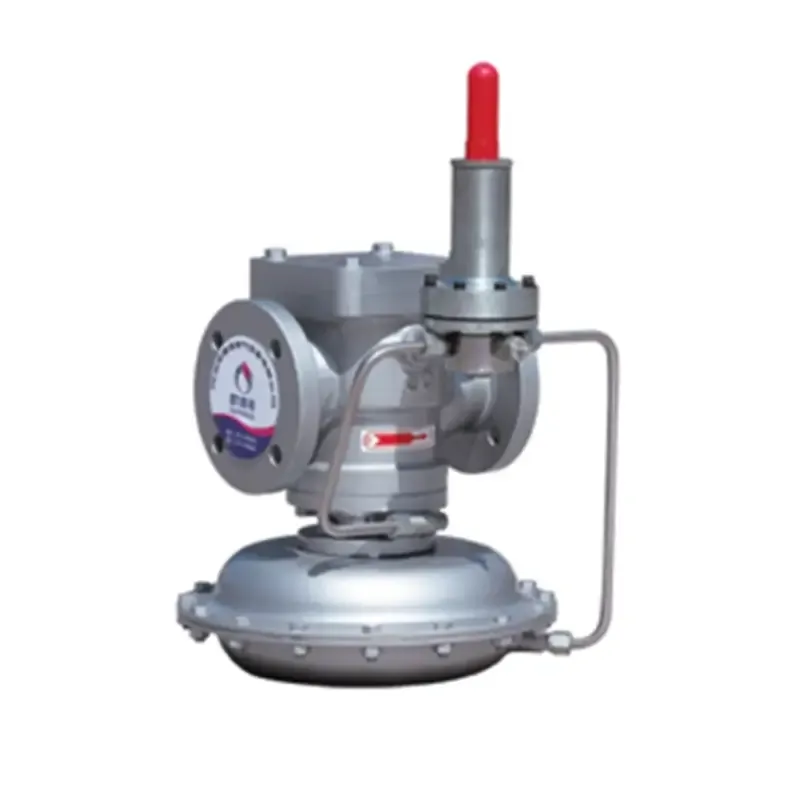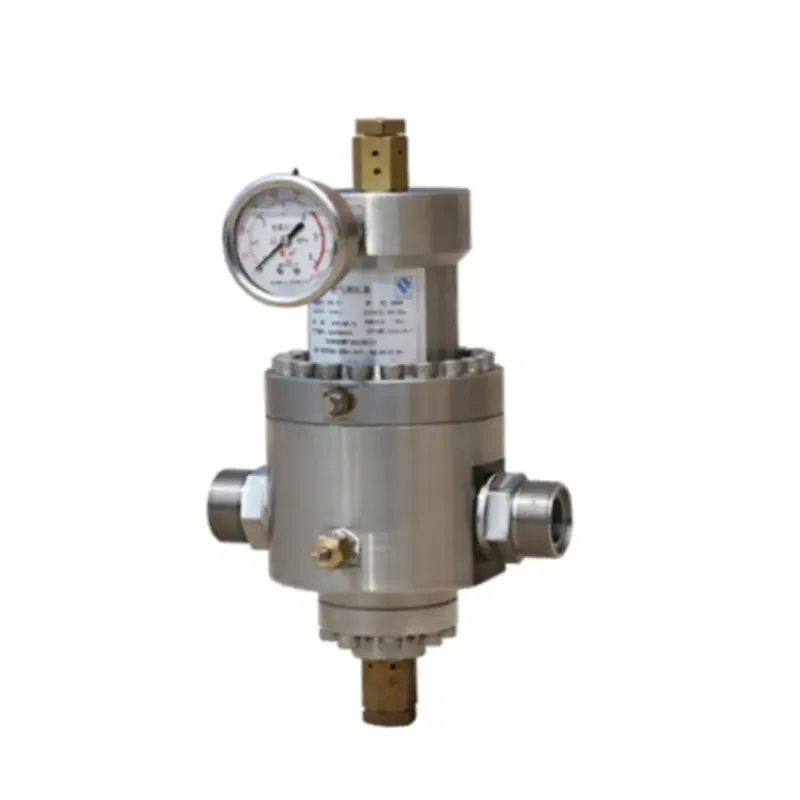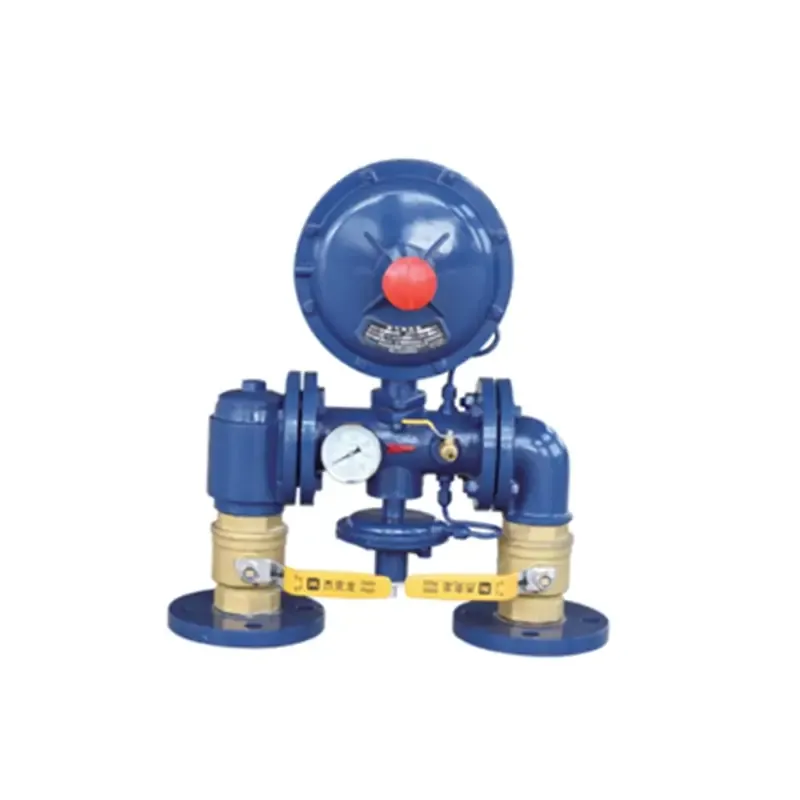
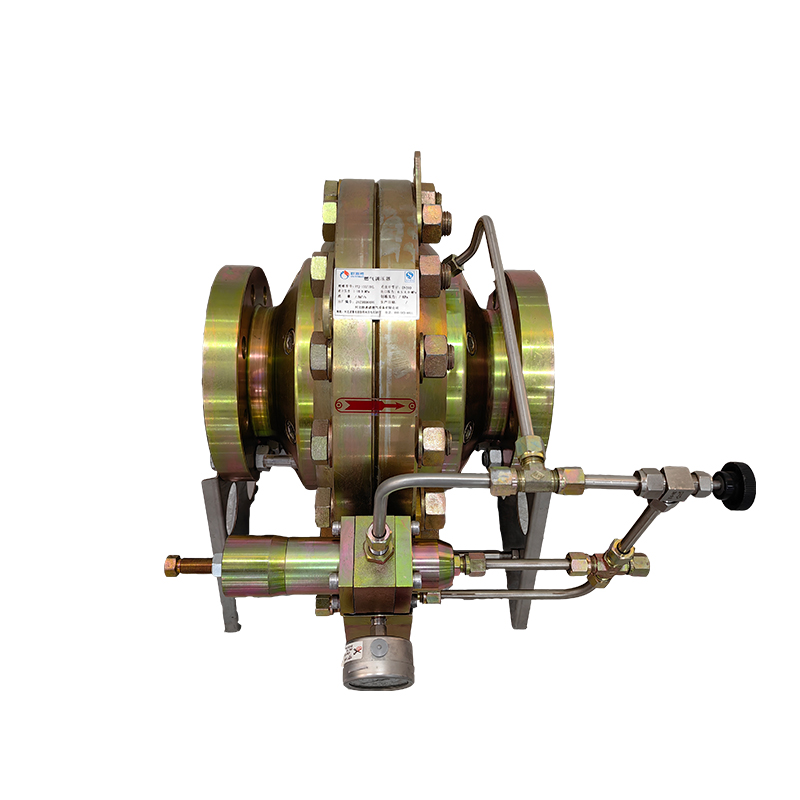
The HL series pressure regulator not only has stable performance, but also can be equipped with silencer to reduce noise. The valve barrel design provides a tight seal, and the sturdy construction makes the service life longer.
Applicable media
Natural gas, coal gas, liquefied petroleum gas and other non-corrosive gases.
Fabrication standard
GB27790-2020 City Gas Pressure Regulator
- Axial-flow type
- High precision
- Balance valve design
- The pressure deviation is relatively small at full load.
- The response time of the membrane under full load is very short.
- Fewer components and simple structure
- Valve position and travel indicator
- Modular design
- Easy on-line maintenance
-
Table of Technical Parameters
Implementation standards
EN 334 GB27790
Nominal pressure
CLass150~Class900(2 MPa-16 MPa)
Nominal size
DN25 ~ DN400 (NPS1” ~ NPS 16” )
Connection mode
ANSIB16.5 RF , RTJ
Flange ANSIB16.5 RF, RTJ
Design temperature
-29°C ~ 60°C ; -46°C ~ 60°C
Maximum inlet pressure
10MPa (may be lower depending on flange class)
Outlet pressure range
0.1MPa~ 8.0MPa
Precesion Class AC
+1%(AC1), +2.5% (AC2.5), +5%(AC5 )
Closing pressure rating SG
2.5%(SG2.5), 5%(SG5), 10% ( SG10)
Closing pressure zone Class SZ
2.5% 5% ( SZ2.5 SZ5 )
-
Caliber DN
Pressure Rating Flange Model
L
mm
L1
mm
L2
mm
d1
mm
d2
mm
d3
mm
h
mm
Ring No. R
Connecting bolt
Specifications
Quantity
DN25/1”
Class150 RF
184
2
12.7
79.4
110
330
580
-
M14
4
Class300 RF
197
2
15.5
88.9
125
330
580
-
M16
4
Class600 RF
210
7
17.5
88.9
125
330
580
-
M16
4
Class900 RTJ
254
6.35
28.6
101.6
150
410
660
16
M24
4
DN50/2”
Class150 RF
254
2
17.5
120.7
150
420
670
-
M16
4
Class300 RF
267
2
20.4
127
165
420
670
-
M16
8
Class600 RF
286
7
25.4
127
165
420
670
-
M16
8
Class900 RTJ
368
7.92
38.1
165.1
215
505
755
24
M24
8
DN80/3”
Class150 RF
298
2
22.3
152.4
190
510
760
-
M16
4
Class300 RF
317
2
27
168.3
210
510
760
-
M20
8
Class600 RF
337
7
31.8
168.3
210
510
760
-
M20
8
Class900 RTJ
381
7.92
38.1
190.5
240
600
850
31
M24
8
DN100/4”
Class150 RF
352
2
22.3
190.5
230
580
830
-
M16
8
Class300 RF
368
2
30.2
200
255
580
830
-
M20
8
Class600 RF
394
7
38.1
215.9
275
580
830
-
M24
8
Class900 RTJ
457
7.92
44.5
235
290
675
925
37
M30
8
DN150/6”
Class150 RF
451
2
23.9
241.3
280
670
920
-
M20
8
Class300 RF
473
2
35
269.9
320
670
920
-
M20
12
Class600 RF
508
7
47.7
292.1
355
670
920
-
M27
12
Class900 RTJ
610
7.92
55.6
317.5
380
770
1020
45
M30
12
DN200/8”
Class150 RF
543
2
27.0
298.5
345
780
1030
-
M20
8
Class300 RF
568
2
39.7
330.2
380
780
1030
-
M24
12
Class600 RF
610
7
55.6
349.2
420
780
1030
-
M30
12
Class900 RTJ
737
7.92
63.5
393.7
470
850
1100
49
M36*3
12
DN250/10”
Class150 RF
673
2
28.6
362
405
840
1090
-
M24
12
Class300 RF
708
2
46.1
387.4
445
840
1090
-
M27
16
Class600 RF
752
7
63.5
431.8
510
840
1090
-
M33
16
Class900 RTJ
838
7.92
69.9
469.9
545
940
1190
53
M36*3
16
DN300/12”
Class150 RF
737
2
30.2
431.8
485
920
1170
-
M24
12
Class300 RF
775
2
49.3
450.8
520
920
1170
-
M30
16
Class600 RF
819
7
66.7
489
560
920
1170
-
M33
20
Class900 RTJ
968
7.92
79.4
533.4
610
1030
1280
57
M36*3
20
DN400/16”
Class150 RF
986
2
35
539.8
595
920
1250
-
M27
16
Class300 RF
1000
2
55.6
571.5
650
920
1250
-
M33
20
Class600 RF
1100
7
76.2
603.2
685
920
1250
-
M39*3
20
Class900 RTJ
1210
7.92
88.9
616
705
1030
1370
57
M42*3
20
-
Inlet pressure
(MPa)
Outlet pressure
(MPa)
Specifications and models
DN50
DN80
DN100
DN150
DN200
0.2
0.05-0.1
1675
2089
2596
4670
6050
0.4
0.05
2041
2890
4070
7482
9792
0.1
1815
2420
3630
6155
8450
0.2
1465
2265
3085
5100
7260
0.3
1240
1975
2530
4330
6270
0.8
0.1
2900
3360
7810
11100
14880
0.2
2671
3150
6670
10030
13800
0.4
2590
2952
5760
9540
11820
0.6
2450
2790
5250
9072
10740
1.0
0.1
4840
5400
11300
17680
24180
0.3
4390
5012
10600
16250
21700
0.5
4299
4640
9980
14560
20280
0.7
3968
4100
9435
13650
15400
1.6
0.2
6800
9420
13970
21980
27720
0.4
6090
8369
12540
20860
26180
0.8
5680
7510
11690
19882
25056
1.0
5110
6810
10942
19180
23935
2.5
0.3
9450
11770
17250
27900
36900
0.7
8790
10470
16435
26700
34220
1.6
7900
9420
15179
25220
31810
4.0
0.2-1.8
12400
30400
43200
85600
96000
1.0
12000
29000
42000
84000
93000
1.6
11800
28000
40800
82000
90000
2.5
11600
27000
39600
80000
88000
rtj2-*/*hl series gas pressure regulator adjustment
Adjusting an RTJ2-*/*HL series gas pressure regulator requires a clear understanding of its control mechanism, system requirements, and safety procedures. These regulators are typically used in natural gas, LPG, or industrial gas distribution systems where stable downstream pressure is essential. Because improper adjustment can cause overpressure, system instability, or equipment damage, the process should always be carried out by trained personnel following the manufacturer’s technical guidelines.
Before any adjustment is made, the system must be stabilized and depressurized as needed. Ensure that upstream shutoff valves are accessible and that the regulator is installed correctly with proper flow direction and filtration. Contaminants such as dirt or oil can significantly affect regulator performance, so system cleanliness is an important prerequisite. Inspect the vent, diaphragm, and sensing lines to make sure they are unobstructed and properly connected.
To adjust the outlet pressure, locate the adjustment screw or spring-loading mechanism, which is usually positioned under a protective cap at the top of the regulator. Turning the adjustment screw clockwise increases the outlet pressure, while turning it counterclockwise decreases it. Adjustments should be performed gradually: change the setting in small increments, allow the system to stabilize, and then read the downstream pressure gauge. Rapid or excessive adjustments may cause overshoot or excessive hunting. For HL-type high and low pressure ranges, ensure the adjustment spring corresponds to the required setpoint, as using an improper spring can lead to inconsistent control.
During regulation, observe the system for any signs of instability such as vibration, pulsation, or continuous venting. These symptoms may indicate improper sizing, a damaged diaphragm, or restrictions in upstream piping. If the regulator fails to maintain pressure after adjustment, further inspection or replacement of internal components may be necessary.
Once the desired pressure is achieved, tighten the locknut or replace the protective cap to secure the setting. Conduct a leak test on all connections and check that the regulator responds correctly to both normal and maximum flow conditions. Finally, record the adjustment data in maintenance logs for compliance and future reference.
In summary, adjusting the RTJ2-*/*HL series regulator requires careful, incremental tuning and strict adherence to safety practices to ensure stable and reliable gas pressure control.
rtj2-*/*hl series gas pressure regulator troubleshooting
Troubleshooting an RTJ2-*/*HL series gas pressure regulator requires a systematic approach to identify and resolve common issues such as pressure instability, failure to open or close properly, or unusual noise. These regulators are critical for maintaining consistent downstream pressure in gas systems, so problems must be addressed promptly and safely.
The first step is safety isolation. Before inspecting the regulator, shut off the upstream gas supply and relieve system pressure to prevent accidents. Ensure proper ventilation, especially when working with flammable gases. Once the system is safe, a visual inspection can reveal obvious issues such as damaged diaphragms, bent or corroded springs, blocked vents, or loose fittings. Dirt, debris, or moisture in the gas line is a frequent cause of regulator malfunction, particularly in industrial or high-flow installations.
Next, check the pressure settings and adjustment mechanism. If the downstream pressure is too high or too low, the adjustment spring may be improperly set, damaged, or the locknut may have slipped. Gradually adjusting the screw while monitoring a calibrated pressure gauge helps determine if the regulator responds correctly. Failure to respond usually indicates internal blockage, worn seats, or diaphragm damage.
Other common issues include fluttering or hunting—rapid pressure fluctuations—which can result from excessive upstream pressure, flow turbulence, or a mismatched regulator size. Inspect the inlet and outlet piping to ensure there are no restrictions, sharp bends, or undersized connections that could destabilize flow. Additionally, ensure the vent line is clear; a blocked vent can prevent the diaphragm from moving freely.
For persistent problems, internal components such as the valve seat, diaphragm, or spring may need replacement. Only use manufacturer-approved parts to maintain proper performance and safety certifications. After any repair or adjustment, perform a leak test and operational check to confirm that the regulator maintains stable pressure across both normal and maximum flow conditions.
In summary, troubleshooting the RTJ2-*/*HL series involves safety precautions, visual and functional inspections, careful adjustment, and, if needed, replacement of worn internal parts to restore reliable and stable gas pressure control.
rtj2-*/*hl series gas pressure regulator troubleshooting
Troubleshooting an RTJ2-*/*HL series gas pressure regulator requires careful, step-by-step analysis to ensure safe and reliable operation. These regulators are designed to maintain stable downstream gas pressure, and issues such as pressure fluctuations, failure to regulate, or unusual noises can indicate underlying problems.
The first step is safety isolation. Shut off the upstream gas supply and depressurize the system to prevent accidents. Proper ventilation is essential when dealing with flammable gases. Begin with a visual inspection: check for damaged diaphragms, bent springs, corroded components, loose fittings, or debris around the inlet and outlet. Dirt or moisture in the gas can block the valve or diaphragm movement, leading to improper regulation.
Next, examine the pressure adjustment mechanism. If the downstream pressure is too high or too low, the adjustment spring may be worn, incorrectly set, or the locknut may have slipped. Adjust the screw slowly while monitoring a calibrated pressure gauge to observe the regulator’s response. Lack of response often points to internal blockages, worn seats, or diaphragm damage.
Pressure instability or fluttering can be caused by turbulence, excessive upstream pressure, or incorrect regulator sizing. Check the inlet and outlet piping for sharp bends, restrictions, or undersized sections that may disrupt flow. Also, ensure the vent is unobstructed, as a blocked vent can prevent proper diaphragm movement.
For persistent issues, internal components such as the valve seat, diaphragm, or spring may need replacement with manufacturer-approved parts. After repairs, perform a leak test and operational check under normal and maximum flow conditions to confirm proper function.
In summary, troubleshooting the RTJ2-*/*HL regulator involves safety isolation, inspection of external and internal components, careful adjustment, and verification through testing to restore reliable and stable gas pressure control.
filtration
gas filtration
natural gas filtration
pressure reducing device
pressure regulating skid
Write your message here and send it to us
Products categories