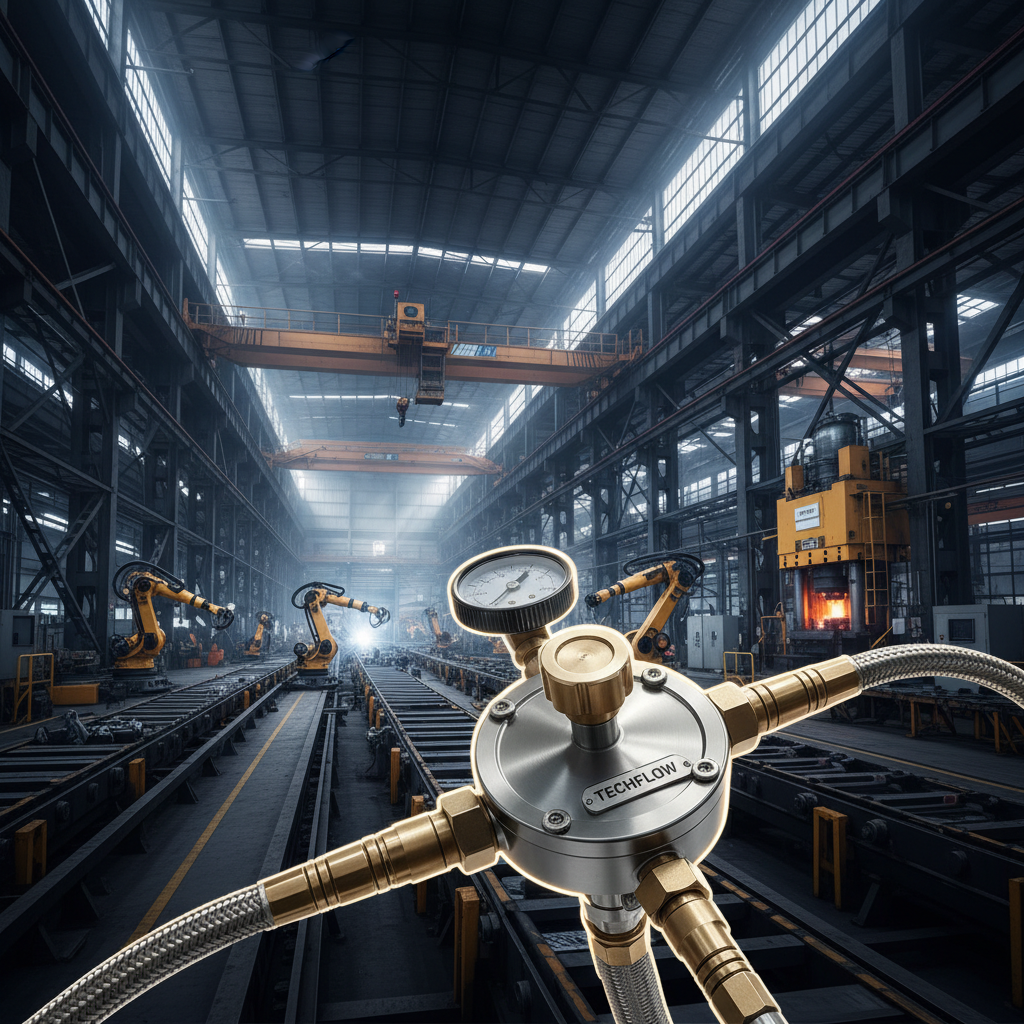
Safety relief valves are crucial components in industrial and process systems, designed to protect equipment and personnel from overpressure events. Their function is simple yet vital: automatically release a substance when the pressure exceeds a pre-set limit. This prevents catastrophic failures, maintains operational safety, and ensures regulatory compliance. Understanding the principles behind safety relief valve operation is paramount for engineers, plant operators, and anyone involved in process safety management.
Globally, the demand for robust and reliable safety systems, including safety relief valves, is steadily increasing. This is driven by factors such as stricter safety regulations, expanding industrialization in developing countries, and a growing awareness of the potential consequences of process failures. The United Nations Sustainable Development Goals (SDGs), particularly SDG 9 (Industry, Innovation, and Infrastructure), emphasize the importance of building resilient infrastructure, and these valves are integral to that effort.
The increasing complexity of modern processes, alongside the rise of Industry 4.0 and interconnected systems, further underscores the need for advanced safety relief valve technologies and comprehensive safety protocols. Failure to adequately address overpressure risks can result in significant financial losses, environmental damage, and, most importantly, loss of life.
The Importance of Safety Relief Valves
Safety relief valves are fundamental to process safety, acting as the last line of defense against overpressure. Their presence is mandated by numerous regulatory bodies worldwide, including OSHA, ASME, and ISO, to safeguard personnel, equipment, and the environment. Implementing effective safety relief valve programs isn't just a legal requirement; it’s a cornerstone of responsible operations.
Without reliable overpressure protection, even minor process upsets can escalate into major incidents with devastating consequences. A well-maintained and appropriately sized safety relief valve system provides peace of mind and minimizes the risk of costly downtime, environmental damage, and potential legal liabilities.
Defining Safety Relief Valves
A safety relief valve is a spring-loaded pressure-releasing device designed to protect a pressurized system from failure due to excessive pressure. Unlike safety valves, which are typically used for compressible fluids like gases, relief valves are designed for incompressible fluids like liquids. However, the terms are often used interchangeably, and combined safety relief valves exist for both types of fluids.
The core principle revolves around balancing the force of the spring against the pressure within the system. When the system pressure exceeds the valve’s set pressure, the spring is overcome, and the valve opens, allowing the fluid to discharge and reducing the pressure back to a safe level. This automatic action is critical in preventing catastrophic failures.
In the context of modern industry and humanitarian needs, these valves play a vital role in protecting critical infrastructure, ensuring the safe operation of power plants, and providing reliable pressure control in essential services like water treatment facilities. The integrity of these systems directly impacts public safety and economic stability.
Core Components and Operational Principles
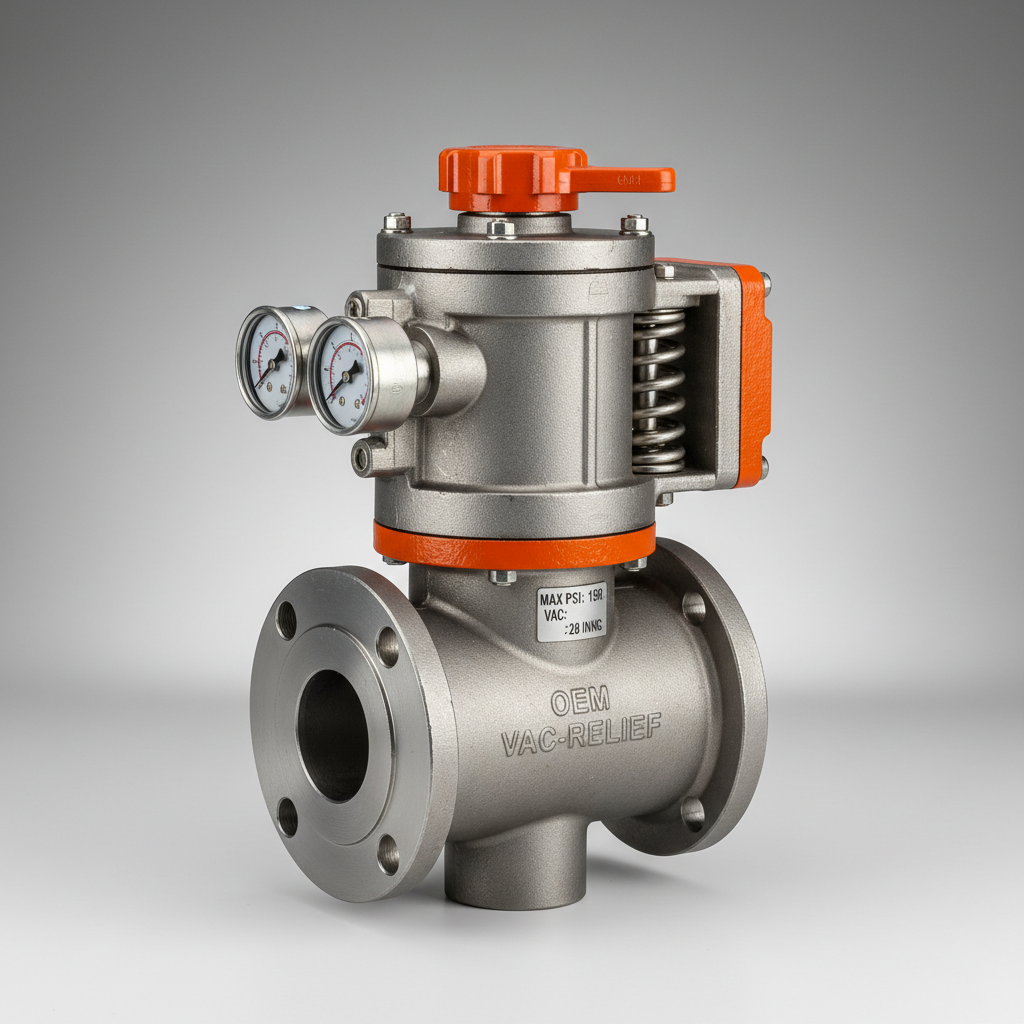
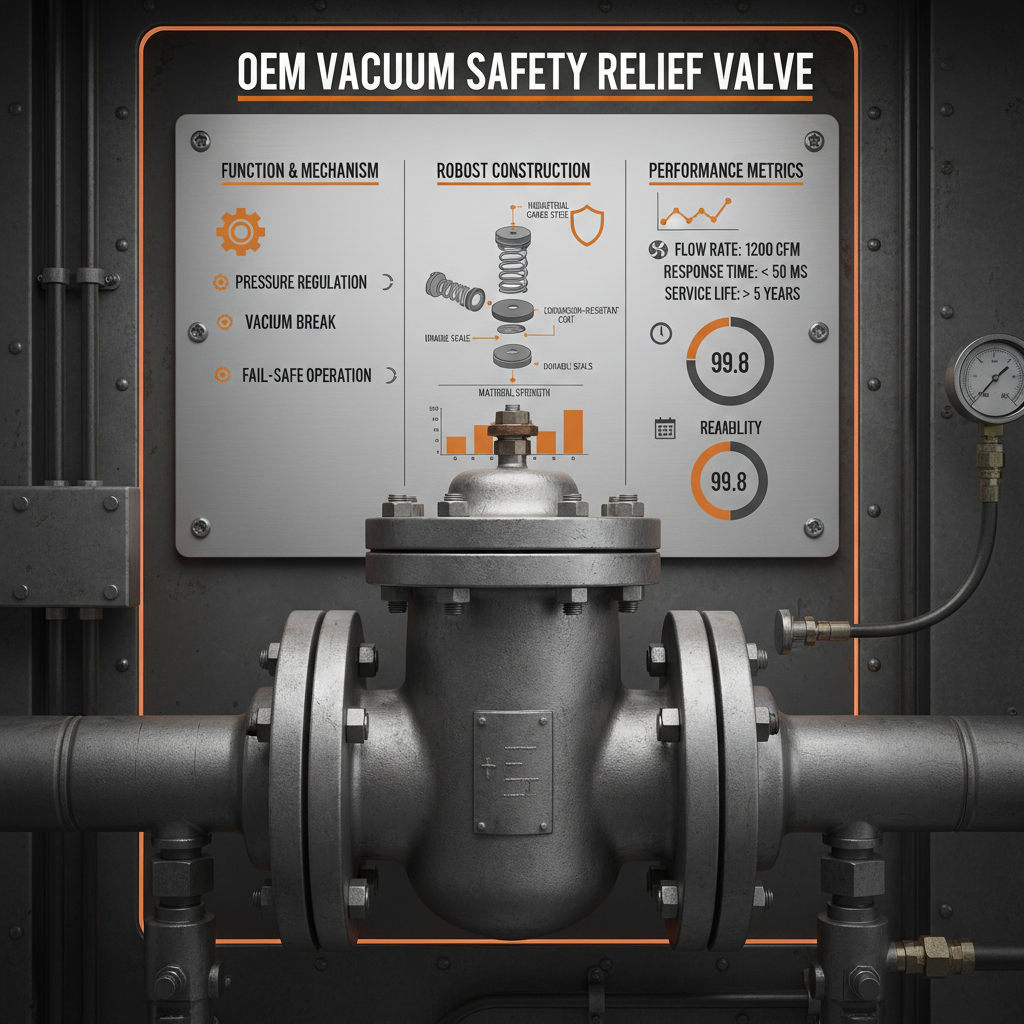
The primary components of a safety relief valve include the valve body, the nozzle, the disc, the spring, and the bonnet. The valve body provides the structural framework, while the nozzle controls the discharge flow. The disc, pressed against the nozzle by the spring, seals the valve until the set pressure is reached. The bonnet contains the spring and provides adjustment for the set pressure.
Operational principles are rooted in the fundamental laws of physics. The valve operates based on the balance between the force exerted by the system pressure on the disc and the opposing force of the spring. A critical concept is ‘accumulation,’ where a slight pressure increase above the set pressure is needed to fully lift the disc and achieve full flow capacity. Understanding this accumulation is crucial for proper valve sizing.
Regular inspection and maintenance are essential to ensure the valve's reliable operation. This includes checking for corrosion, leakage, and proper spring tension. Proper sizing of the valve is also critical; an undersized valve won't provide adequate protection, while an oversized valve can chatter and damage the valve seat.
Durability and Material Selection
The durability of a safety relief valve is paramount, as it represents a critical safety component. Material selection directly impacts its resistance to corrosion, erosion, and temperature extremes. Common materials include carbon steel, stainless steel, alloy steels, and specialized materials like Hastelloy and Monel for highly corrosive environments.
Factors influencing material selection include the fluid being handled, operating temperature, pressure, and potential for erosion. For example, valves used in seawater applications require materials resistant to chloride corrosion, while those handling high-temperature steam need materials with high creep resistance.
Safety Relief Valve Material Performance
Global Applications and Use Cases
Safety relief valves find widespread application across diverse industries globally. In the oil and gas sector, they protect pipelines, storage tanks, and processing facilities from overpressure events. In power generation, they safeguard boilers, steam turbines, and other critical equipment.
The chemical industry relies heavily on these valves to prevent runaway reactions and maintain safe operating conditions. Pharmaceutical manufacturing, food processing, and wastewater treatment plants also utilize safety relief valves to ensure product quality, environmental compliance, and worker safety.
Advantages and Long-Term Value
The advantages of utilizing high-quality safety relief valves extend beyond immediate safety. Reduced downtime due to prevented failures translates to significant cost savings. Improved operational efficiency and minimized environmental impact enhance sustainability.
The long-term value lies in the peace of mind they provide, knowing that critical systems are protected against catastrophic events. Investing in reliable safety valves builds trust with stakeholders, enhances brand reputation, and demonstrates a commitment to responsible operations.
Future Trends and Innovations
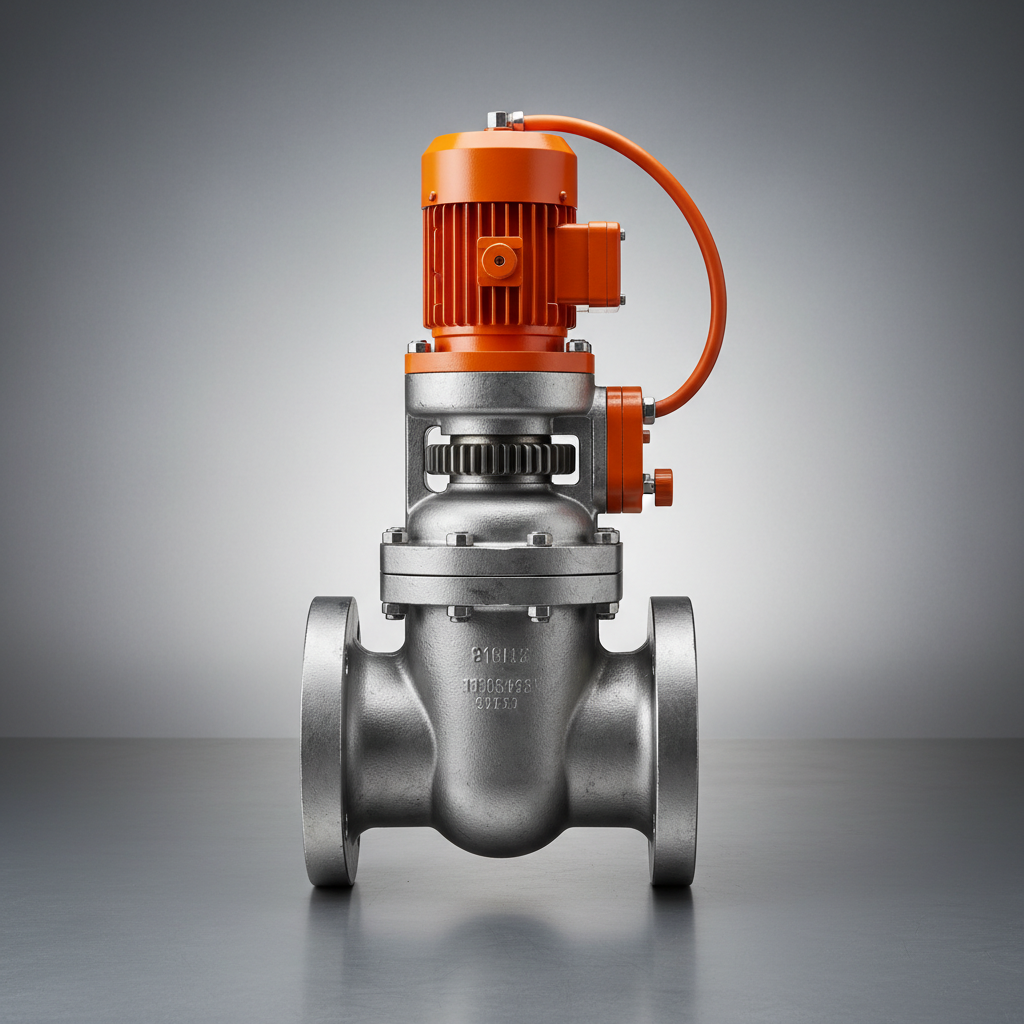
The future of safety relief valve technology is focused on increased automation, smart monitoring, and integration with Industry 4.0 systems. Digital relief valves equipped with sensors and communication capabilities allow for remote monitoring, predictive maintenance, and real-time performance analysis.
Advancements in materials science are leading to the development of valves with improved corrosion resistance and higher temperature capabilities. Furthermore, the increasing demand for sustainable solutions is driving research into eco-friendly valve designs and materials.
The integration of artificial intelligence and machine learning algorithms is enabling predictive maintenance strategies, reducing the risk of unexpected failures and optimizing valve performance.
FAQS
While often used interchangeably, safety valves are designed for compressible fluids (gases) and open rapidly (pop action), while relief valves are for incompressible fluids (liquids) and open proportionally to pressure. Combined safety relief valves exist for both fluid types. Proper selection is critical for optimal performance and safety.
Safety relief valves should be inspected annually and fully tested every 3-5 years, depending on regulatory requirements and the criticality of the application. Testing verifies proper set pressure, leak tightness, and operational functionality. Documentation of all inspections and tests is crucial for compliance.
Correct valve sizing is essential for preventing overpressure. An undersized valve won’t relieve enough pressure, while an oversized valve can chatter and damage the valve seat. Sizing calculations must consider the potential flow rate and system characteristics.
Common materials include carbon steel, stainless steel (304, 316), alloy steels, and specialized alloys like Hastelloy and Monel. Material selection depends on the fluid handled, temperature, pressure, and corrosive environment.
Consult with a qualified engineer and ensure the valve meets relevant standards like ASME Section VIII, API 520, and ISO 4126. Maintain thorough documentation of valve specifications, inspections, and testing.
Chatter is a rapid opening and closing of the valve disc, caused by instability in the flow. It can damage the valve seat. Prevention includes proper valve sizing, stable inlet piping, and using a valve design specifically resistant to chatter.
Conclusion
In summary, safety relief valves are indispensable components in protecting industrial processes and ensuring the safety of personnel and equipment. Their reliable operation is crucial for preventing catastrophic failures, maintaining regulatory compliance, and minimizing operational disruptions. Understanding the core principles, material selection, and future trends associated with these valves is vital for professionals across diverse industries.
Looking ahead, advancements in digital technologies and materials science will continue to enhance the performance and reliability of safety relief valves. By embracing these innovations and prioritizing preventative maintenance, organizations can proactively mitigate risks, optimize safety, and build a more sustainable and resilient future. Visit our website at www.gasouyinuo.com to learn more about our products and services.