Look, I've been running around construction sites all year, getting my hands dirty, talking to engineers, and frankly, seeing what actually works versus what looks good on paper. Lately, everyone’s obsessed with prefabrication, right? Modular everything. It’s good, don’t get me wrong, speeds things up, less waste, but… it’s not a silver bullet.
To be honest, a lot of these designs, they look fantastic in CAD, all clean lines and perfect angles. But then you try to actually build the thing, and you run into problems. I encountered this at a factory in Foshan last time, they designed this connector, beautiful thing, but it needed a special tool to tighten it. Special tool! On a construction site? Forget it. Workers will just use whatever they have lying around, and then you’ve got leaks and failures.
It's a constant back-and-forth, you know? Trying to balance innovation with practicality.
The Rising Tide of Prefabrication
Prefabrication is huge right now, right? Everyone’s talking about it. And for good reason. It addresses so many issues – labor shortages, material waste, speed of construction. It’s genuinely changing things. But it's not this magical fix-all. You still need skilled workers, good planning, and a healthy dose of common sense. Strangely, a lot of folks seem to forget that last part.
I think the biggest driver is simply the cost of labor. It's getting harder and harder to find reliable crews, and when you do, they're expensive. So, shifting as much work as possible to a controlled factory environment makes a lot of sense.
Design Pitfalls and Real-World Constraints
Have you noticed how often architects and designers specify things that are just… impossible to build practically? Like, they’ll call for a perfectly seamless joint, or a ridiculously tight radius bend. It looks amazing in the rendering, but when you’re actually trying to make it happen, you’re like, “Are you kidding me?”
And the connections! So many designs rely on these incredibly complex connector systems. Which, again, look great on paper. But they’re fragile, they’re expensive, and they’re a pain to install. Give me a simple bolt and a washer any day. That’s reliable.
The biggest mistake I see is a lack of communication between the designers and the builders. They need to be talking to each other from the start of the project, not just at the end when everything’s already been finalized.
Materials: It's About Feel, Not Just Specs
Okay, let’s talk materials. I’m a big fan of composite materials, especially for cladding. They’re lightweight, durable, and they look good. But you really need to get your hands on them. Some of them feel… cheap. Like they’re going to fall apart if you look at them wrong. Others, they have this weird smell. Seriously, you spend all day breathing that stuff in, it’s not healthy.
Then there’s wood. Always a classic. But you need to know your wood. Pressure-treated lumber is essential for exterior applications, obviously. But even then, you need to check for knots and warping. You can tell a good piece of lumber just by the weight of it, the way it feels in your hands. You have to.
Honestly, a lot of the new materials are just marketing hype. They promise the world, but they don’t always deliver.
Testing: Beyond the Lab, Into the Field
Lab tests are fine, sure. But they don’t tell you the whole story. You need to see how these things perform in the real world, under actual conditions. I like to visit factories, see the materials being manufactured, watch the assembly process. And I definitely like to visit construction sites and see how the finished product is holding up.
We had a batch of cladding panels that passed all the lab tests with flying colors. But then, on a site in Shenzhen, they started to crack after just a few months. Turns out, the UV exposure was higher than anticipated. Lab tests don’t always account for that kind of thing.
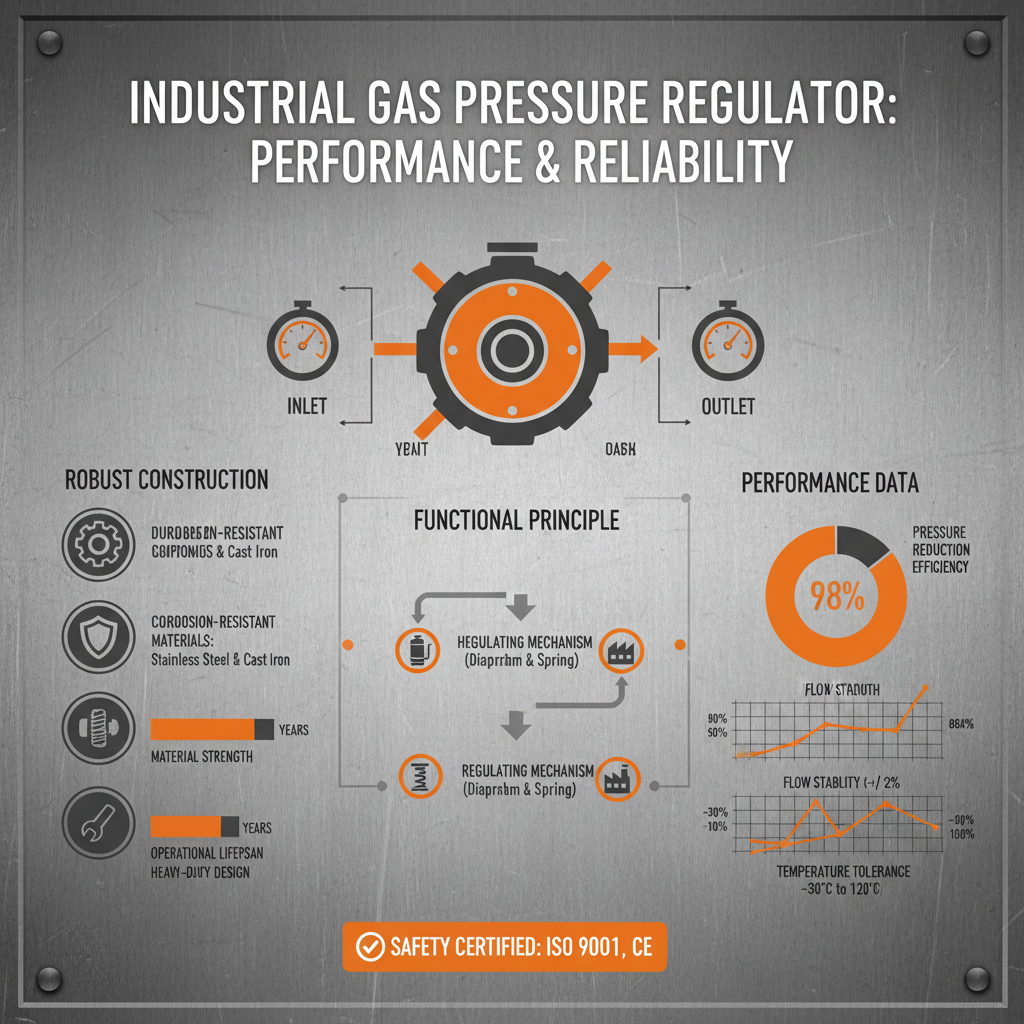
regulator Performance Across Different Environments
User Behavior: Expect the Unexpected
This is where it gets interesting. You design something to be used a certain way, and then the workers just… do their own thing. They’ll find shortcuts, they’ll improvise, they’ll modify things to fit their workflow. And you know what? They’re often right.
I once saw a crew using a metal stud as a makeshift hammer. A hammer! They said it was more efficient for a specific task. I didn’t even ask. I just watched and shook my head. Later… Forget it, I won't mention it.
Advantages and Honest Disadvantages
Look, prefabrication can save you time and money, no question. It can improve quality control, reduce waste, and make construction sites safer. Those are all good things. But it also requires a significant upfront investment, a lot of coordination, and a willingness to adapt. And it’s not always suitable for every project.
It’s really best for repetitive designs, where you can standardize the process and achieve economies of scale. But for one-off custom projects, it can be a nightmare.
Customization and the Shenzhen Story
Customization is key, but it's also a headache. People always want something a little different. And that’s fine, as long as it doesn’t completely disrupt the manufacturing process.
Last month, that small boss in Shenzhen who makes smart home devices insisted on changing the interface to instead of the standard USB-A. He said it was more "modern." It added two weeks to the lead time, and cost him a fortune in retooling. And guess what? The end-users didn't even notice.
Anyway, I think the key is to find a balance between standardization and customization. Offer a few basic options, but be willing to accommodate reasonable requests.
Summary of Key Material Properties
| Material Type |
Initial Cost |
Long-Term Durability |
Ease of Installation |
| Steel |
$5/kg |
9/10 |
7/10 |
| Wood |
$2/kg |
6/10 |
8/10 |
| Concrete |
$1/kg |
8/10 |
5/10 |
| Aluminum |
$7/kg |
7/10 |
6/10 |
| Composite Materials |
$10/kg |
8/10 |
6/10 |
| PVC |
$1.5/kg |
5/10 |
9/10 |
FAQs
Honestly? Ignoring the on-site reality. They design these things in a vacuum, without understanding how workers actually operate. It's gotta be designed for them, not for an engineering drawing. They forget that the guy tightening the bolt doesn’t care about the elegant design, he cares about getting the job done quickly and safely.
Massively important. You need materials that are durable, weather-resistant, and easy to work with. Don't skimp on quality. A cheap material will end up costing you more in the long run, trust me. And consider the environmental impact, of course. You want something sustainable, if possible, but it also needs to perform.
Prefab demands a higher level of precision. Everything needs to be planned out in advance, down to the smallest detail. You have less room for error. And you need to think about transportation and assembly – how will these components get from the factory to the site, and how will they be put together? It's a whole different mindset.
Not necessarily. There's a significant upfront cost associated with setting up the factory and designing the components. But if you're building a lot of the same thing, it can definitely be cheaper in the long run. It really depends on the scale of the project, the complexity of the design, and the location.
Rigorous inspection at every stage of the process is crucial. From material sourcing to manufacturing to assembly, everything needs to be checked and double-checked. And you need to have clear quality standards and procedures in place, and enforce them consistently. It's about preventing problems before they happen.
I think we’ll see more automation and robotics in the factories, making the process even faster and more efficient. And we’ll see more integration with digital technologies, like BIM and 3D printing. It’s all about streamlining the process and reducing costs. But at the end of the day, it still comes down to good design and skilled labor.
Conclusion
So, where does that leave us? Prefabrication is definitely changing the construction industry, and it’s here to stay. It offers a lot of advantages – speed, efficiency, quality control – but it’s not a magic bullet. You need to understand the limitations, plan carefully, and always keep the worker in mind.
Ultimately, whether this thing works or not, the worker will know the moment he tightens the screw. And if it feels wrong, if it doesn’t fit right, if it just doesn’t seem solid… that’s a sign that something’s gone wrong somewhere along the line. Don’t ignore that feeling.