


Oct . 26, 2025 11:25
Back to list
Natural Gas Filter Separator | High Efficiency, Low dP
What to Know Before You Buy a Natural Gas Filter Separator
If you’re sizing a Natural Gas Filter Separator for a CNG city‑gate upgrade, you’re not alone. Demand is rising as utilities pair filtration/coalescing with modern CNG Decompression Equipment to protect regulators, turbines, and downstream meters. To be honest, the buying decision is less about glamour specs and more about real-world pressure drop, element changeout intervals, and whether the vendor actually understands your gas composition.
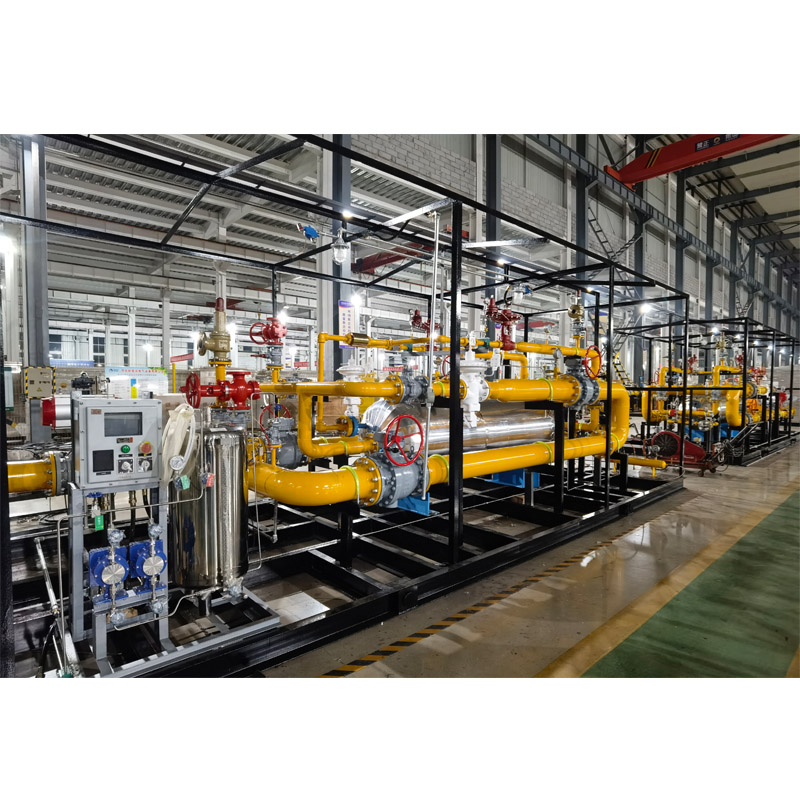
Industry snapshot
In China and across Asia, grid expansions and stricter emissions rules mean more stations installing coalescing Natural Gas Filter Separator units ahead of decompression skids. Why? Dry, clean gas trims unplanned outages and extends regulator life. Many customers say the surprise benefit is steadier setpoint control during seasonal peak load—basically fewer sticky valves.
How it fits with CNG decompression
Typical flow: high-pressure CNG trailers or mother stations feed a filter-separator; liquids and aerosols are coalesced and drained; solids are trapped; then multi‑stage heat exchange and pressure reduction deliver gas to the pipeline. Our reference system ties directly to CNG Decompression Equipment from the Hengshui base (No. 6 Weiqi Street, South District of Hengshui Innovation Port, Zaoqiang County, Hebei, China).
Typical product specifications
| Design code | ASME VIII Div.1 or GB150 (PED optional) |
| Pressure rating | Class 150–900 (≈1.6–15 MPa), real-world use may vary |
| Element type | Coalescing micro-fiber (borosilicate), β200 @ 0.3–0.6 μm |
| Solids efficiency | Up to 99.9% @ ≥0.3 μm (ISO 16889/12500 methods) |
| Initial ΔP (clean) | ≈3–6 kPa at rated flow |
| Materials | Carbon steel vessel; 304/316L internals; NACE MR0175 trims for sour gas |
| Service life | Elements 6–18 months (load dependent); vessel 20+ years with proper inspection |
Testing standards: hydrotest to design code, helium leak test where required, element validation to ISO 16889/ISO 12500; skid piping per ASME B31.8. Typical field data I’ve seen: outlet aerosol
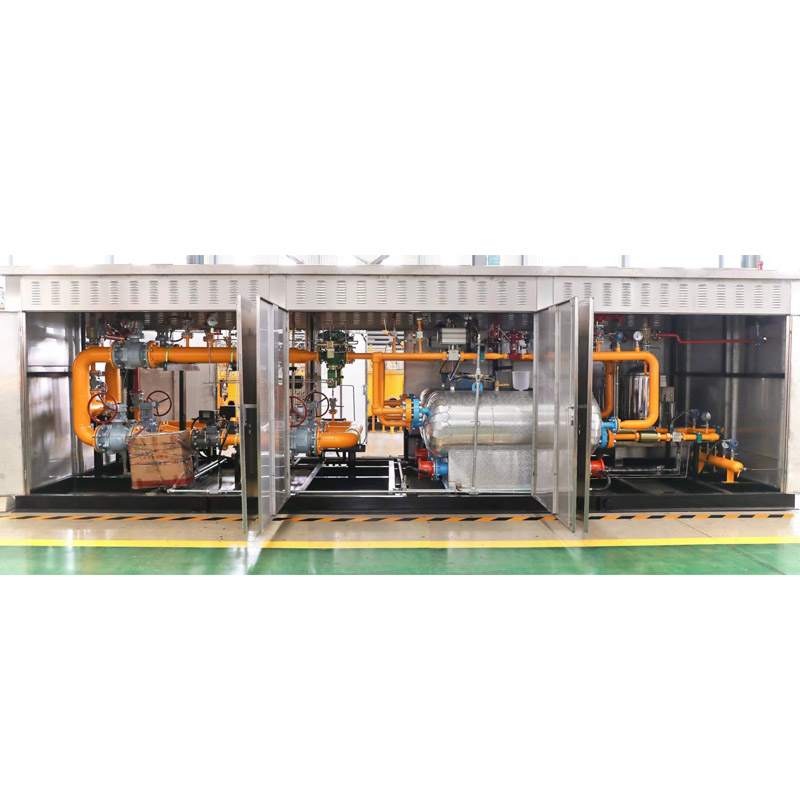
Where it’s used
- City‑gate and district regulating stations (ahead of regulators/heat exchangers)
- Mother/daughter CNG stations and off‑grid industrial users
- Pipeline pigging recovery and temporary bypass skids
- Upstream wellhead sweetening tie‑ins (with sour‑service materials)
Vendor comparison (field-notes style)
| Vendor type | Strengths | Watch-outs |
|---|---|---|
| Local OEM (China, GB/ASME capable) | Fast lead times, competitive CAPEX, custom nozzles/skid match | Element brand equivalence—verify test reports and traceability |
| Global brand (ASME/PED) | Deep test data, global service network | Higher price; longer logistics on spares |
| System integrator (complete CNG skid) | One-stop: filtration + decompression + controls | Occasional black‑box components—ask for BOM transparency |
Customization checklist
Options include vertical/horizontal vessel layouts, dual‑pot changeover, ASME or GB150 code stamp, sour‑service metallurgy, heat‑traced drains, cyclone pre‑stage for wet gas, and controls integration with your CNG Decompression Equipment PLC. I guess the unsung hero is valve selection—go full‑port to keep ΔP in check.
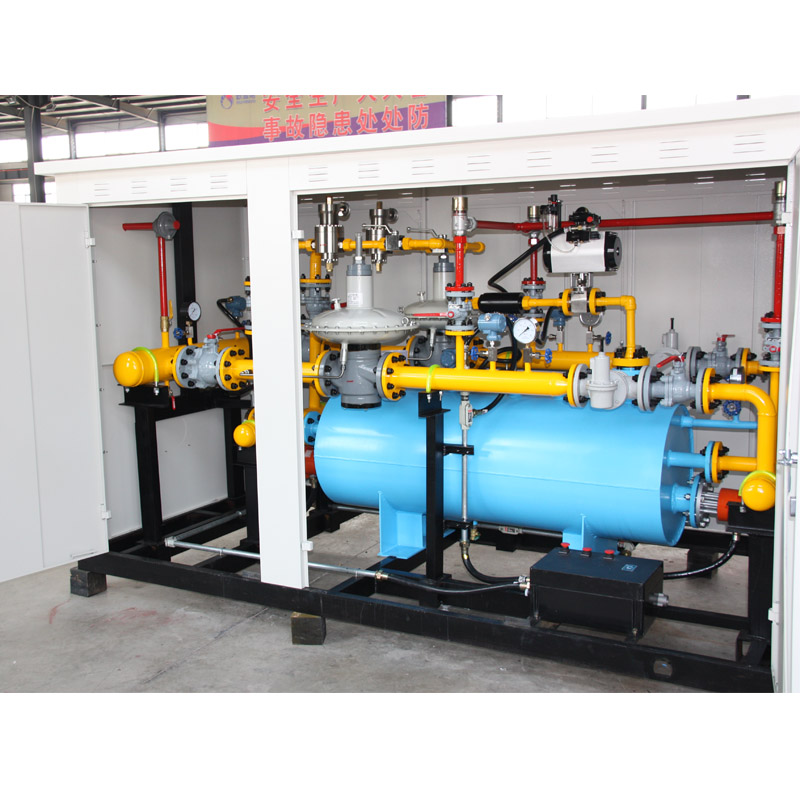
Quick case notes
• Northern city‑gate: dual‑vessel Natural Gas Filter Separator + decompression skid. Result: 37% fewer regulator maintenance calls in first winter; average clean ΔP 4.2 kPa at 8,000 Nm³/h. Customer feedback: “Meter runs finally stay dry.”
• Coastal CNG daughter station: added cyclone pre‑stage and auto‑drain. Aerosols cut from ≈6 mg/m³ to
Certifications and documentation
ISO 9001 QA, material MTRs, WPS/PQR, hydro/leak test records, NACE compliance where applicable, and a spare‑parts list with cross‑reference to common element vendors. Commissioning includes ΔP baselining and startup filtration audit.
Authoritative citations
- ASME Boiler & Pressure Vessel Code, Section VIII, Div.1 – Pressure Vessels. https://www.asme.org/codes-standards
- API 12J: Specification for Oil and Gas Separators. https://www.api.org/
- ISO 16889: Hydraulic fluid power filters — Multi‑pass method. https://www.iso.org/standard/13321.html
- ISO 12500‑1: Compressed air filters — Oil aerosol removal. https://www.iso.org/standard/51467.html
- NACE MR0175/ISO 15156: Materials for H2S service. https://www.nace.org/
Latest news
-
Industrial Natural Gas Pressure Reducing Valve Guide and SelectionNewsApr.16,2026
-
Understanding the Industrial Regulating Valve for Fluid ControlNewsApr.09,2026
-
Understanding Gas Pressure Reducer Types Applications and Safety MeasuresNewsApr.07,2026
-
Understanding and Optimizing Gas Pressure Reducing Valve SystemsNewsApr.04,2026
-
Optimizing System Performance with the Right Filter Separator SelectionNewsMar.31,2026
-
Comprehensive Guide to Understanding and Utilizing Pressure Pipe SystemsNewsMar.28,2026