


Sep . 15, 2025 08:00
Back to list
NG Equipment: Precision Voltage & Pressure Regulators
The Critical Role of Advanced NG Equipment in Modern Industrial Operations
In the complex landscape of industrial gas management, the precise control of pressure is not merely a operational necessity but a fundamental requirement for safety, efficiency, and environmental compliance. Modern gas infrastructure, from large-scale distribution networks to intricate industrial processes, relies heavily on sophisticated pressure regulation technology. Among these essential components, NG equipment, specifically high-performance gas pressure regulators like the RTZ1-/0.4RQ series, stands at the forefront, ensuring stable and reliable gas supply under varying conditions.
This article delves into the intricacies of these vital devices, exploring their technical specifications, manufacturing processes, diverse application scenarios, and the compelling advantages they offer to B2B decision-makers and engineers. We aim to provide a comprehensive overview that underscores the expertise, authority, and trustworthiness embedded in leading solutions for natural gas regulation.
Industry Trends and the Evolution of Gas Pressure Regulation
The natural gas industry is undergoing a significant transformation driven by global energy demands, stringent environmental regulations, and the imperative for operational cost reduction. Key trends influencing the development and deployment of gas pressure regulators include:
- Digitalization and Smart Control: The integration of sensors, IoT connectivity, and advanced algorithms has given rise to the smart regulator. These devices offer real-time monitoring, remote diagnostics, and predictive maintenance capabilities, significantly enhancing operational efficiency and safety.
- Enhanced Safety Standards: With increased public scrutiny and the inherent risks associated with high-pressure gas, regulators are continuously being upgraded to meet or exceed international safety standards such as API 6D and ASME B31.8.
- Energy Efficiency: Optimizing gas pressure reduces fugitive emissions and ensures more efficient combustion in downstream processes, leading to substantial energy savings and a reduced carbon footprint.
- Modular and Skid-Mounted Solutions: The demand for quick deployment and scalable infrastructure has boosted the popularity of skid mounted equipment, offering pre-assembled and tested units for various pressure reduction and metering applications.
- Demand for Precision: Across industrial applications, the need for stable and accurate pressure delivery is paramount. This drives innovation in components for a precision voltage regulator, which, in the context of advanced electronic controls within gas regulation systems, contributes to the overall stability and accuracy of the gas flow. More broadly, it emphasizes the need for a highly accurate pressure regulating device.
These trends underscore the critical need for reliable, high-performance NG equipment capable of adapting to complex operational demands while ensuring maximum safety and efficiency.
Technical Specifications: RTZ1-/0.4RQ Series Gas Pressure Regulator
The RTZ1-/0.4RQ series gas pressure regulator is engineered for robust performance and precise control in demanding industrial environments. It represents a state-of-the-art pressure regulating device designed to handle varying inlet pressures and deliver a stable outlet pressure, crucial for maintaining process integrity and safety.
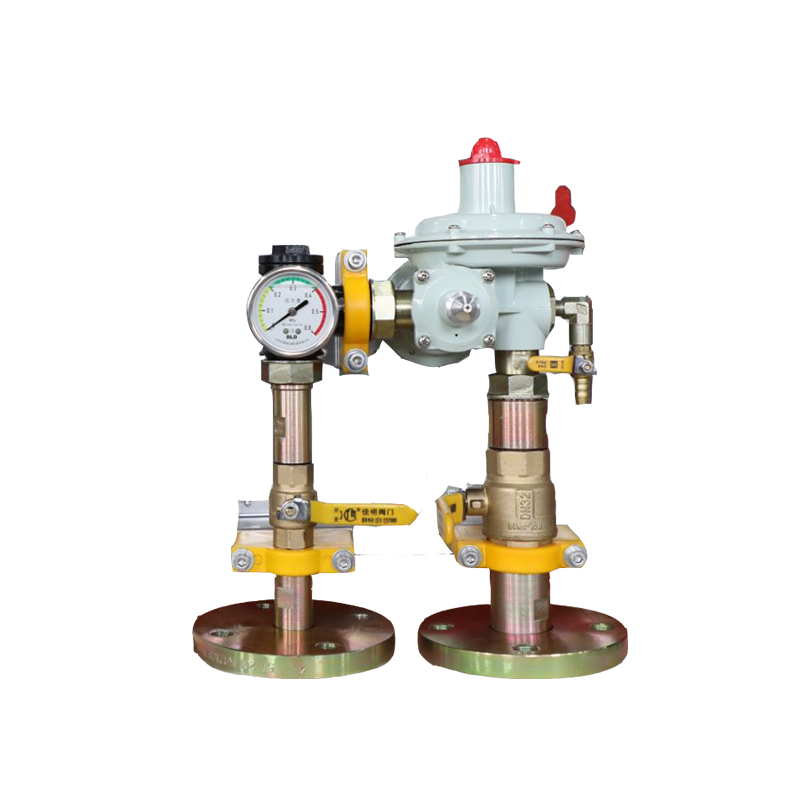
Figure 1: RTZ1-/0.4RQ Series Gas Pressure Regulator
Below are typical technical parameters, showcasing its capabilities:
The robust design and selection of high-quality materials ensure extended service life and minimal maintenance requirements, even in harsh industrial environments. Its responsiveness and stability make it an ideal pressure regulating device for critical applications.
Manufacturing Process Flow of Advanced NG Equipment
The production of high-integrity NG equipment like the RTZ1-/0.4RQ series involves a meticulous multi-stage process, integrating advanced engineering with rigorous quality control. This ensures each unit meets the stringent performance and safety criteria demanded by industry standards.
- Material Selection & Sourcing: High-grade materials are chosen based on application requirements, including specific grades of ductile iron or cast steel for main housings (ensuring corrosion resistance and structural integrity), and stainless steel for internal components like valve seats and springs (for precision and durability). Elastomers (e.g., NBR, Viton) are selected for diaphragms and seals based on gas compatibility and temperature range, adhering to standards like ASTM.
- Casting/Forging: For larger, high-pressure components, casting processes (e.g., sand casting for ductile iron) or forging (for specialized steel parts) are employed to create the initial shapes of the body and cover. These processes are strictly controlled to minimize defects and ensure material integrity.
- CNC Machining: Precision machining is critical. Multi-axis CNC machines are used to achieve tight tolerances for internal passages, valve seats, and connection points. This stage ensures the dimensional accuracy necessary for optimal sealing, flow characteristics, and compatibility with other components.
- Surface Treatment & Coating: Components may undergo surface treatments such as passivation for stainless steel, or protective coatings (e.g., epoxy paint, galvanization) for cast iron parts, to enhance corrosion resistance and extend service life, particularly in outdoor or corrosive environments.
- Assembly: Skilled technicians assemble the various components, including diaphragms, springs, valve plugs, and sensing lines. This stage often involves cleanroom environments for critical parts to prevent contamination.
-
Testing & Calibration: Each regulator undergoes rigorous testing:
- Hydrostatic Pressure Test: To verify body integrity at elevated pressures, conforming to standards like ANSI B16.34.
- Leakage Test: Using air or nitrogen, often with submerged testing, to detect any leaks from the body, seat, or seals, meeting requirements like ISO 5208.
- Functional Test & Calibration: Each unit is tested under simulated operating conditions to verify outlet pressure accuracy, set-point stability, lock-up performance, and response time, ensuring it adheres to specifications like EN 334.
- Final Inspection & Packaging: A final visual and quality inspection ensures no defects are present. Products are then carefully packaged for shipment, with appropriate protective measures.
This comprehensive process ensures a service life often exceeding 20 years with proper maintenance, making these regulators suitable for target industries such as petrochemical, metallurgy, and industrial gas distribution (which impacts even sectors like water supply & drainage indirectly via energy needs).
Application Scenarios and Operational Advantages
The versatility and reliability of the RTZ1-/0.4RQ series make it indispensable across a wide range of industrial and commercial applications requiring precise gas pressure management. Key application scenarios include:
- City Gate Stations & District Regulating Stations: Essential for reducing high transmission line pressures to distribution network pressures, ensuring safe and stable supply to urban areas.
- Industrial Gas Consumption Points: Providing regulated gas pressure to industrial furnaces, boilers, burners, and other processing equipment in sectors like metallurgy, chemical processing, and food production. The stable pressure facilitates optimal combustion and process control, leading to significant energy saving.
- Power Generation: Supplying natural gas at a controlled pressure to gas turbines and internal combustion engines used for electricity generation, where steady fuel delivery is crucial for efficiency and reliability.
- Commercial & Large-Scale Heating Systems: Regulating gas supply to large commercial buildings, hospitals, and institutional heating plants, ensuring safe and consistent operation.
- Temporary & Mobile Gas Solutions: Often integrated into skid mounted equipment for rapid deployment in remote sites, temporary facilities, or emergency response scenarios, offering flexibility and robustness.
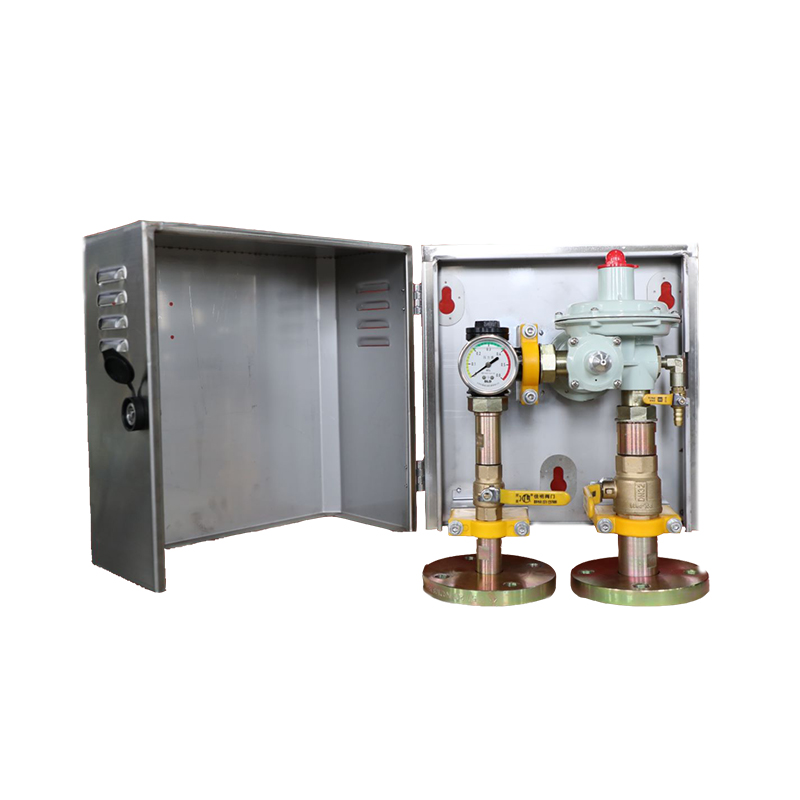
Figure 2: Example of NG equipment in a typical industrial setup.
In these scenarios, the RTZ1-/0.4RQ series demonstrates several key advantages:
- Exceptional Stability: Maintains a consistent outlet pressure despite fluctuations in inlet pressure or downstream demand, preventing process upsets.
- Enhanced Safety: Equipped with features like slam-shut valves (OS/USV) and relief valves, it provides critical overpressure protection, minimizing risks.
- Corrosion Resistance: High-quality materials and coatings ensure durability and longevity, even when exposed to harsh environmental elements or corrosive gas compositions.
- Low Maintenance Requirements: Robust construction and reliable components translate to reduced downtime and lower operational costs over the equipment's long service life.
- Adaptability: The design allows for easy integration into existing systems and can be configured for various gas types (natural gas, LPG, inert gases).
Vendor Comparison: Evaluating Gas Pressure Regulators
Selecting the right NG equipment vendor requires careful consideration of various factors beyond initial purchase price. A comprehensive comparison highlights key differentiators:
This comparison highlights the benefits of investing in a high-quality pressure regulating device from a reputable manufacturer. Superior accuracy, robust construction, and comprehensive safety features lead to enhanced operational reliability and lower total cost of ownership over the product's lifespan.
Customized Solutions and System Integration
Recognizing that no two industrial applications are identical, leading manufacturers of NG equipment offer extensive customization options. This flexibility ensures that the RTZ1-/0.4RQ series can be perfectly tailored to specific operational demands, maximizing efficiency and integration potential.
Customization avenues include:
- Specific Pressure and Flow Ranges: Adjusting spring settings, orifice sizes, and valve trim to meet unique inlet/outlet pressure and flow requirements.
- Material Upgrades: For highly corrosive gas streams or extreme temperatures, specialized alloys (e.g., Hastelloy, Monel) or alternative elastomer materials can be utilized to ensure optimal performance and longevity.
- Instrumentation & Controls: Integration with advanced monitoring equipment, including pressure transmitters, temperature sensors, and flow meters. This facilitates connection to SCADA systems or distributed control systems (DCS), transforming it into a true smart regulator.
- Skid-Mounted Assemblies: Providing complete pressure regulating and metering stations pre-mounted on skids, including filters, heaters, flow computers, and safety systems. This significantly reduces installation time and complexity on-site.
- Special Certifications: Accommodating requirements for specific regional certifications (e.g., GOST for Russia, KGS for Korea) or industry-specific approvals.
By offering bespoke solutions, manufacturers ensure optimal system performance, enhanced safety, and seamless integration into complex industrial ecosystems, delivering greater value to the client.
Application Case Studies & Customer Feedback
Real-world implementations demonstrate the tangible benefits of deploying high-quality NG equipment. These scenarios highlight how the RTZ1-/0.4RQ series has addressed critical challenges for our partners:
Case Study 1: Large Industrial Complex Gas Supply
A major petrochemical plant required an exceptionally stable and reliable gas supply to power its critical processes, including steam generation and direct heating furnaces. Fluctuations in the pipeline pressure were causing inefficiencies and safety concerns. We provided several customized RTZ1-/0.4RQ regulators, integrated into a robust skid mounted equipment solution, complete with advanced monitoring capabilities.
Outcome: The plant reported a 15% reduction in fuel consumption due to optimized combustion from stable pressure delivery (energy saving). Operational downtime related to gas supply issues was virtually eliminated. Customer feedback highlighted the "unwavering stability and low maintenance" of the supplied pressure regulating device.
Case Study 2: Remote Power Generation Unit
A remote power generation facility in a challenging climate needed a pressure regulating device capable of performing reliably under extreme temperature variations and limited accessibility. The existing equipment suffered from frequent breakdowns and required constant manual adjustments.
Outcome: The RTZ1-/0.4RQ series, with specialized material upgrades for low-temperature resilience and integrated remote telemetry, was installed. The smart regulator functionality allowed for remote monitoring and adjustments, significantly reducing the need for costly on-site visits. The client praised the "rugged construction and set-and-forget reliability" of the NG equipment, leading to substantial operational cost savings and improved grid stability.
Ensuring Trustworthiness: FAQ, Lead Time, Warranty & Support
Building trust is paramount in B2B partnerships. We are committed to transparency and robust post-sales support for our NG equipment.
Frequently Asked Questions (FAQ)
Q: What is the typical service life of the RTZ1-/0.4RQ series regulator?
A: With proper installation and routine maintenance, the RTZ1-/0.4RQ series is designed for a service life of 20 years or more, thanks to its robust construction and high-quality materials.
Q: Can these regulators handle different types of gases?
A: Yes, while primarily designed for natural gas, the RTZ1-/0.4RQ series can be adapted for use with LPG, nitrogen, air, and other non-corrosive gases by selecting appropriate diaphragm and seal materials. Please consult our technical team for specific gas compatibility.
Q: How do you ensure product quality and compliance?
A: Our manufacturing processes are ISO 9001 certified, and all products undergo rigorous testing, including hydrostatic, leakage, and functional tests, in accordance with international standards like EN 334 and ISO 5208. We provide comprehensive test reports and certification documentation with each shipment.
Lead Time and Fulfillment
Standard configurations of the RTZ1-/0.4RQ series typically have a lead time of 4-6 weeks from order confirmation. For highly customized solutions or large-scale projects, lead times will be provided with the project proposal, reflecting the specific engineering and manufacturing requirements. Our efficient supply chain management ensures timely delivery to meet project schedules.
Warranty Commitments
All RTZ1-/0.4RQ series NG equipment comes with a standard 12-month warranty from the date of commissioning or 18 months from the date of shipment, whichever comes first. This warranty covers defects in material and workmanship. Extended warranty options are available upon request, providing additional peace of mind for critical infrastructure.
Customer Support and After-Sales Service
Our commitment extends beyond delivery. We offer comprehensive after-sales support, including:
- Technical Assistance: A dedicated team of engineers provides expert technical advice, troubleshooting, and operational support.
- Spare Parts Availability: We maintain a ready stock of genuine spare parts to minimize downtime for maintenance or repairs.
- On-Site Support: For complex installations or specific issues, our field service engineers are available for on-site assistance globally.
- Training Programs: We offer training sessions for client personnel on the operation, maintenance, and troubleshooting of our gas pressure regulators.
Conclusion
The RTZ1-/0.4RQ series gas pressure regulator exemplifies the pinnacle of modern NG equipment, combining advanced engineering, robust construction, and precise control capabilities. From ensuring critical safety in petrochemical plants to optimizing efficiency in remote power generation, its versatility and reliability are unmatched. By investing in such high-quality pressure regulating devices, industries can achieve superior operational performance, adhere to stringent safety standards, and realize significant long-term cost savings. We remain dedicated to delivering innovative, reliable, and customized solutions that meet the evolving demands of the global gas infrastructure.
References
- International Organization for Standardization (ISO). ISO 5208: Industrial valves — Pressure testing of metallic valves.
- European Committee for Standardization (CEN). EN 334: Gas pressure regulators for inlet pressures up to 100 bar.
- American Petroleum Institute (API). API Specification 6D: Specification for Pipeline Valves.
- American Society of Mechanical Engineers (ASME). ASME B31.8: Gas Transmission and Distribution Piping Systems.
- European Pressure Equipment Directive (PED). Directive 2014/68/EU.
Latest news
-
Industrial Natural Gas Pressure Reducing Valve Guide and SelectionNewsApr.16,2026
-
Understanding the Industrial Regulating Valve for Fluid ControlNewsApr.09,2026
-
Understanding Gas Pressure Reducer Types Applications and Safety MeasuresNewsApr.07,2026
-
Understanding and Optimizing Gas Pressure Reducing Valve SystemsNewsApr.04,2026
-
Optimizing System Performance with the Right Filter Separator SelectionNewsMar.31,2026
-
Comprehensive Guide to Understanding and Utilizing Pressure Pipe SystemsNewsMar.28,2026