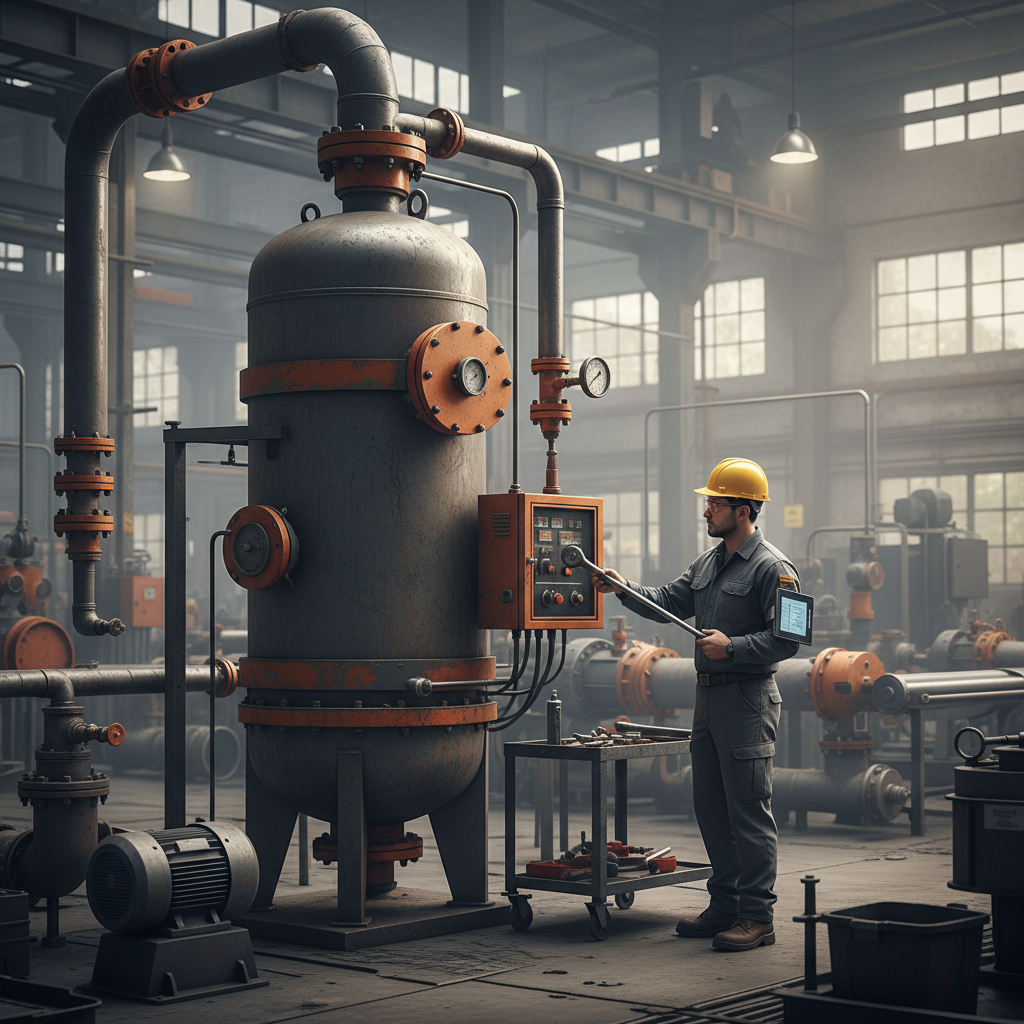
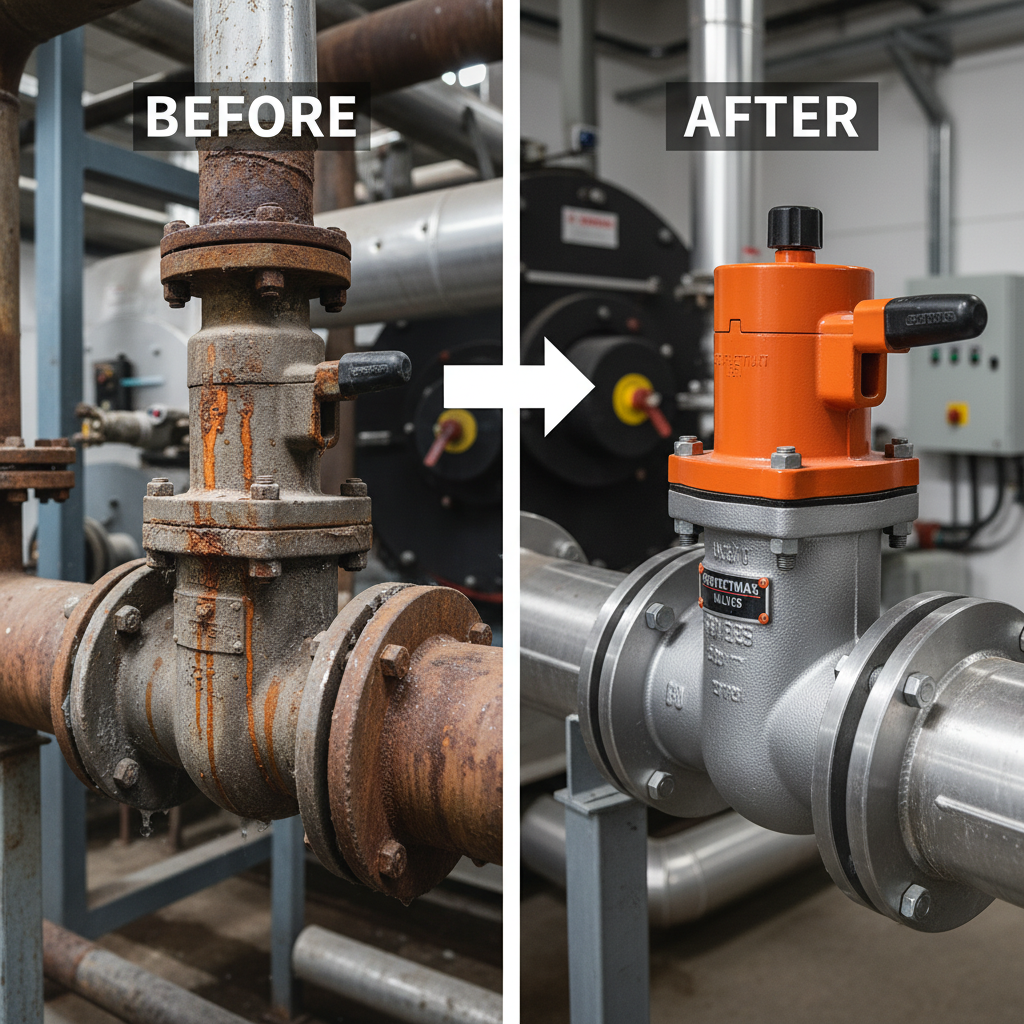
Gas filters are crucial components in a vast array of industrial, commercial, and residential applications, playing a vital role in ensuring air quality and process efficiency. From purifying air in hospitals and laboratories to removing contaminants from industrial exhaust streams, the demand for effective gas filters is consistently growing. This growing need is driven by increasing environmental regulations, heightened safety concerns, and a greater awareness of the health impacts of air pollution.
Globally, the gas filter market is experiencing significant expansion, fuelled by increasing industrialization in emerging economies and stricter emission control standards in developed nations. According to a report by Grand View Research, the global gas filtration market was valued at USD 4.8 billion in 2022 and is projected to reach USD 7.2 billion by 2030, exhibiting a CAGR of 5.2% during the forecast period. This growth is particularly noticeable in sectors like oil & gas, pharmaceuticals, and chemical processing.
Understanding the principles, types, and applications of gas filters is therefore paramount for professionals across diverse fields. A well-maintained and appropriately selected gas filter is not just a component; it’s a safeguard for human health, environmental sustainability, and operational reliability.
Introduction to Gas Filters
Gas filters are essential devices employed to remove particulate matter, gases, vapors, and other contaminants from gas streams. These filters operate using various mechanisms, including adsorption, absorption, and mechanical filtration, tailored to specific contaminant types and application requirements. The selection of an appropriate gas filter depends heavily on the chemical composition of the gas, the size and concentration of the contaminants, and the desired level of purification.
Their application spans across industries, safeguarding both human health and the integrity of sensitive processes. From ensuring breathable air in confined spaces to preventing corrosion in pipelines, the functionalities of gas filters are diverse and critical.
Defining Gas Filters and Their Significance
A gas filter is essentially a barrier designed to separate unwanted substances from a gaseous medium. Unlike liquid filters that typically deal with suspended solids, gas filters handle contaminants that are often molecular in size, requiring different filtration techniques. These can range from simple mesh filters removing larger particles to sophisticated activated carbon filters adsorbing volatile organic compounds (VOCs).
Their significance stems from their ability to protect equipment, ensure product quality, and maintain safe working environments. In the pharmaceutical industry, for example, gas filters are vital for sterilizing air used in manufacturing processes, preventing contamination of sensitive products. In industrial settings, they prevent the release of harmful pollutants into the atmosphere.
The link to modern industry and humanitarian needs is undeniable. A properly functioning gas filter contributes to sustainable practices, complies with stringent regulations, and preserves public health.
Core Components of Effective Gas Filters
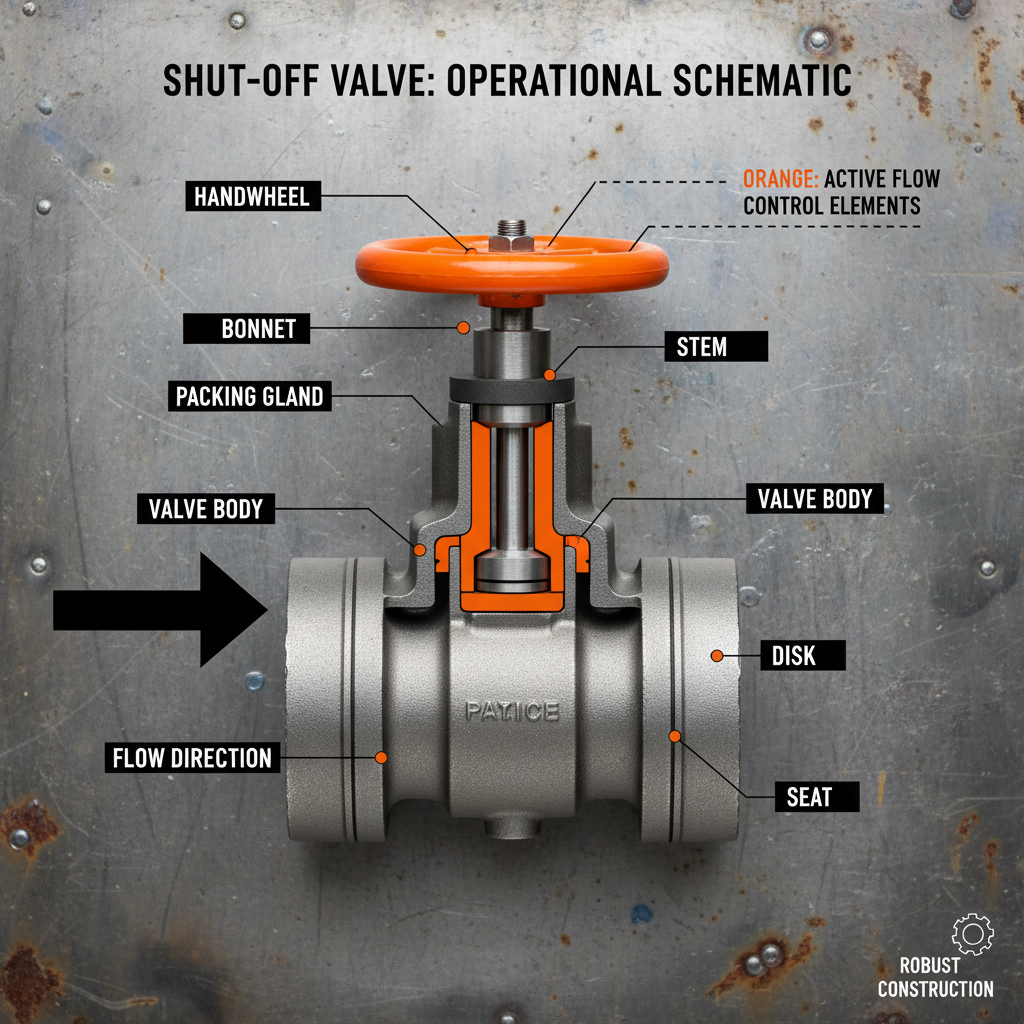
Effective gas filters rely on several key components working in harmony. The filter media, the heart of the system, is responsible for capturing contaminants. This can include materials like activated carbon, silica gel, molecular sieves, or specialized fabrics. The housing provides structural support and directs gas flow. A robust housing is crucial for withstanding pressure differentials and preventing bypass.
Another essential component is the pre-filter, which removes larger particles to extend the lifespan of the main filter media. Differential pressure sensors monitor the filter’s condition, indicating when replacement is necessary. Finally, effective sealing mechanisms are critical to ensure no unfiltered gas leaks through the system.
The choice of materials for these components is pivotal. For example, activated carbon excels at adsorbing organic vapors, while HEPA filters are ideal for capturing fine particulate matter. The compatibility of materials with the gas stream is also vital to prevent corrosion or degradation of the filter elements. A quality gas filter will utilize materials specifically engineered for the intended application.
Furthermore, the design and configuration of the filter – whether it’s a cartridge, bag, or panel filter – play a significant role in its performance. Cartridge filters offer high efficiency and are easily replaceable, while bag filters provide a larger surface area for handling high dust loads.
Key Performance Factors in Gas Filtration
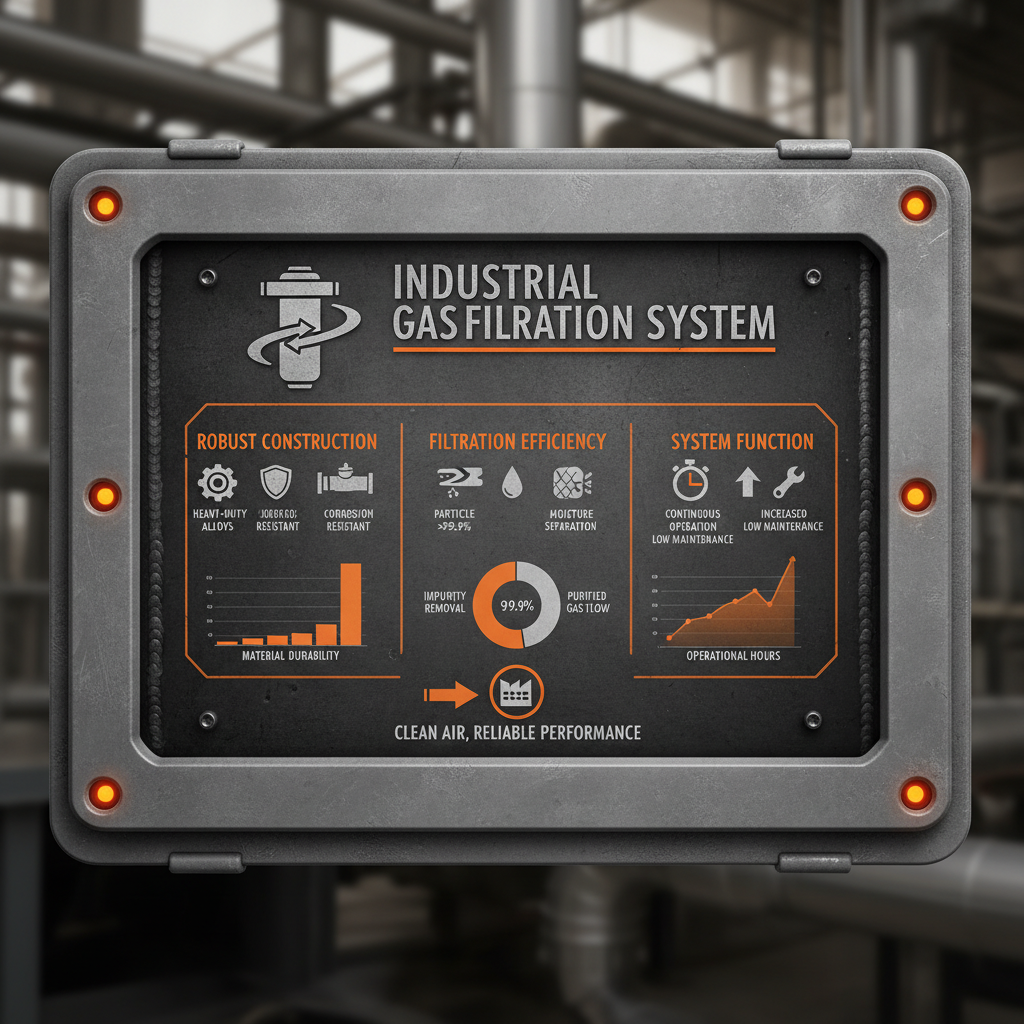
Several factors determine the efficacy of a gas filter. Filtration efficiency, measured as the percentage of contaminants removed, is paramount. Pressure drop, the resistance to gas flow caused by the filter, is another critical consideration; higher pressure drop equates to increased energy consumption.
Filter capacity, the total amount of contaminant a filter can hold before becoming saturated, dictates its lifespan and replacement frequency. Furthermore, the filter’s ability to withstand temperature and humidity fluctuations, as well as exposure to corrosive chemicals, directly impacts its durability and operational reliability.
Gas Filter Performance Comparison
Global Applications of Gas Filter Technology
Gas filters find applications across a remarkably broad spectrum of industries. The oil and gas sector utilizes them extensively for natural gas sweetening (removing hydrogen sulfide and carbon dioxide) and pipeline protection. The chemical industry relies on gas filters to purify reactants and prevent the release of hazardous emissions. In healthcare facilities, specialized gas filters are crucial for maintaining sterile environments and protecting patients from airborne pathogens.
The pharmaceutical industry utilizes gas filters for sterilizing air used in manufacturing processes, preventing contamination. In post-disaster relief operations, portable gas filters can provide breathable air in contaminated environments. In remote industrial zones, self-contained gas filtration systems ensure a safe and compliant working atmosphere.
Advantages and Long-Term Value of Gas Filters
The advantages of implementing effective gas filtration systems are multi-faceted. From a cost perspective, reducing equipment downtime and preventing corrosion translates to significant savings. Sustainability is enhanced through the reduction of harmful emissions and the conservation of resources. Social impact is positively affected by safeguarding public health and improving air quality.
Beyond the tangible benefits, gas filters instill confidence and trust. A commitment to air quality demonstrates a responsible and proactive approach to environmental stewardship and employee safety. The innovation in gas filter technology, continually pushing the boundaries of efficiency and performance, strengthens the value proposition further.
Future Trends in Gas Filter Innovation
The future of gas filter technology is poised for rapid advancement. Nanomaterials are being integrated into filter media to enhance adsorption capacity and selectivity. Smart filters equipped with sensors and data analytics are enabling predictive maintenance and optimized performance. The development of more sustainable and biodegradable filter materials is gaining momentum.
Green energy initiatives, such as carbon capture and storage, are driving demand for advanced gas filtration systems. Digital transformation and automation are streamlining filter monitoring and control. Increased focus on indoor air quality will fuel innovation in residential and commercial gas filtration solutions.
Core Analysis Dimensions for Gas Filter Performance
| Filter Type |
Application Area |
Efficiency Score (1-10) |
Lifespan (Months) |
| Activated Carbon Filter |
VOC Removal |
8 |
6 |
| HEPA Filter |
Particulate Matter |
9 |
12 |
| Molecular Sieve |
Gas Drying |
7 |
8 |
| Ceramic Filter |
High-Temperature Gases |
6 |
18 |
| Fabric Filter |
Dust Collection |
5 |
4 |
| Metal Fiber Filter |
Corrosive Gases |
7 |
10 |
FAQS
The lifespan of a gas filter varies significantly depending on the type of filter, the contaminants it’s removing, and the level of exposure. Factors like gas flow rate, temperature, and humidity also play a role. Typically, filters range from a few months to over a year, with regular monitoring of pressure drop being essential to determine when replacement is needed. Ignoring a clogged gas filter can lead to reduced efficiency and potential system damage.
Selecting the appropriate gas filter requires careful consideration of the specific application. You need to identify the contaminants present in the gas stream, their concentration, and the required level of purification. Factors like temperature, pressure, and gas flow rate are also crucial. Consulting with a gas filtration specialist can help you determine the optimal filter type and media for your needs.
One of the most reliable indicators is an increase in pressure drop across the filter. This signifies that the filter media is becoming clogged and restricting gas flow. Reduced efficiency in the process being served can also indicate filter saturation. Visual inspection for damage or degradation of the filter element can also provide clues, although this is not always possible without disassembly.
Yes, safety is paramount. Depending on the contaminants the filter has removed, it may contain hazardous substances. Always wear appropriate personal protective equipment (PPE), such as gloves and respirators, when handling used filters. Follow the manufacturer’s instructions for disposal to ensure compliance with environmental regulations. Proper ventilation is also essential during filter replacement.
Absolute filtration ratings indicate the percentage of particles of a specific size that a filter will remove, typically 99.97% or higher. Nominal filtration ratings are less precise and represent the size of particles that a filter can generally remove, but don’t guarantee a specific efficiency level. For critical applications requiring high purity, absolute filters are generally preferred.
Regular maintenance is key. Implement a schedule for monitoring pressure drop and visually inspecting filters. Pre-filtration can extend the lifespan of the main filter by removing larger particles. Ensure proper sealing to prevent bypass. Finally, choose a reputable supplier like Gasouyinuo to ensure you’re receiving high-quality filters specifically designed for your application.
Conclusion
In summary, gas filters are indispensable components across numerous industries, safeguarding human health, protecting equipment, and ensuring environmental sustainability. Understanding the principles of gas filtration, the different filter types, and the factors influencing performance is crucial for making informed decisions and optimizing system efficiency. A robust and well-maintained gas filter is not merely an expense, but an investment in safety, reliability, and long-term operational success.
Looking ahead, continued innovation in materials, sensor technology, and filter design will drive further advancements in gas filtration. Embracing these advancements and prioritizing preventative maintenance will be essential for meeting the evolving challenges of air quality and process control. We encourage you to visit our website at www.gasouyinuo.com to explore our comprehensive range of gas filter solutions and expert support.