0%

Table of Contents

Relief valves are critical safety devices designed to protect equipment and personnel from overpressure situations. Their global relevance stems from the widespread use of pressurized systems across numerous industries – from oil and gas pipelines and chemical processing plants to power generation and even domestic water heaters. The potential consequences of uncontrolled pressure, including catastrophic failures, environmental damage, and loss of life, necessitate the implementation of robust overpressure protection systems, making relief valve an indispensable component. According to the American Society of Mechanical Engineers (ASME), proper relief valve sizing and maintenance are paramount to ensuring operational safety and regulatory compliance.

The increasing complexity of industrial processes and the growing demand for energy resources drive the continued need for reliable relief valves. Global standards organizations like the International Organization for Standardization (ISO) constantly refine guidelines for design, testing, and implementation, reflecting an ongoing commitment to safety. The World Bank's infrastructure projects frequently incorporate stringent overpressure protection requirements to safeguard investments and ensure sustainable development. Failing to address overpressure risks can lead to significant economic losses and environmental repercussions, impacting communities worldwide.

Understanding the principles and applications of relief valves is not only essential for engineers and technicians but also for policymakers and stakeholders responsible for risk management and public safety. Effectively deployed relief valves contribute to a more secure and resilient industrial landscape, protecting valuable assets and preserving human life.


Essential Guide to Relief Valves for Optimal Safety and System Protection

Introduction to Relief Valves

Essential Guide to Relief Valves for Optimal Safety and System Protection

Relief valves are essential components in safeguarding systems against overpressure events. These automatic pressure-limiting valves are designed to open when the pressure within a system exceeds a predetermined set point, releasing excess pressure to a safer location. This prevents damage to equipment, protects personnel, and ensures the overall integrity of the operation.

The selection and application of a relief valve require careful consideration of various factors, including the system’s operating conditions, fluid properties, and potential failure modes. Improperly sized or maintained valves can compromise their effectiveness, leading to potentially hazardous situations. A comprehensive understanding of relief valve technology is crucial for ensuring safe and reliable operation across diverse industries.

Defining the Purpose of a Relief Valve

At its core, a relief valve functions as a fail-safe mechanism. Its primary purpose is to protect a pressurized system from failure due to overpressure. This overpressure can arise from various sources, including thermal expansion of fluids, equipment malfunction, or process upsets. Without a functioning relief valve, excessive pressure can lead to rupture of vessels, pipelines, or other components, resulting in potentially catastrophic consequences.

The importance of these valves extends beyond simply preventing equipment damage. They play a critical role in ensuring the safety of personnel working in and around pressurized systems. A relief valve mitigates the risk of injury or fatality resulting from explosions or the release of hazardous materials.

Furthermore, relief valves are often mandated by regulatory standards and insurance requirements. Compliance with these regulations demonstrates a commitment to safety and responsible operation, protecting both the organization and the public. They are an integral part of a comprehensive risk management strategy.

Core Components & Operational Principles

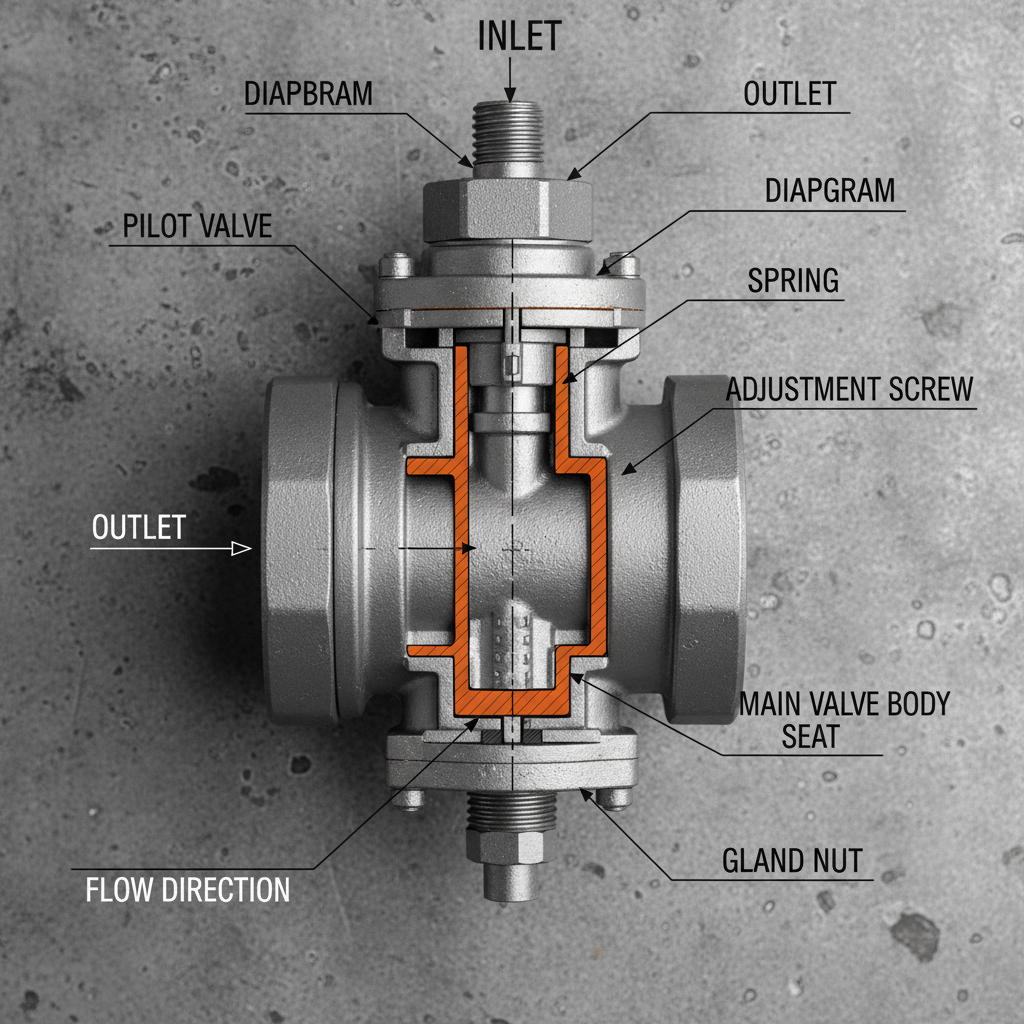
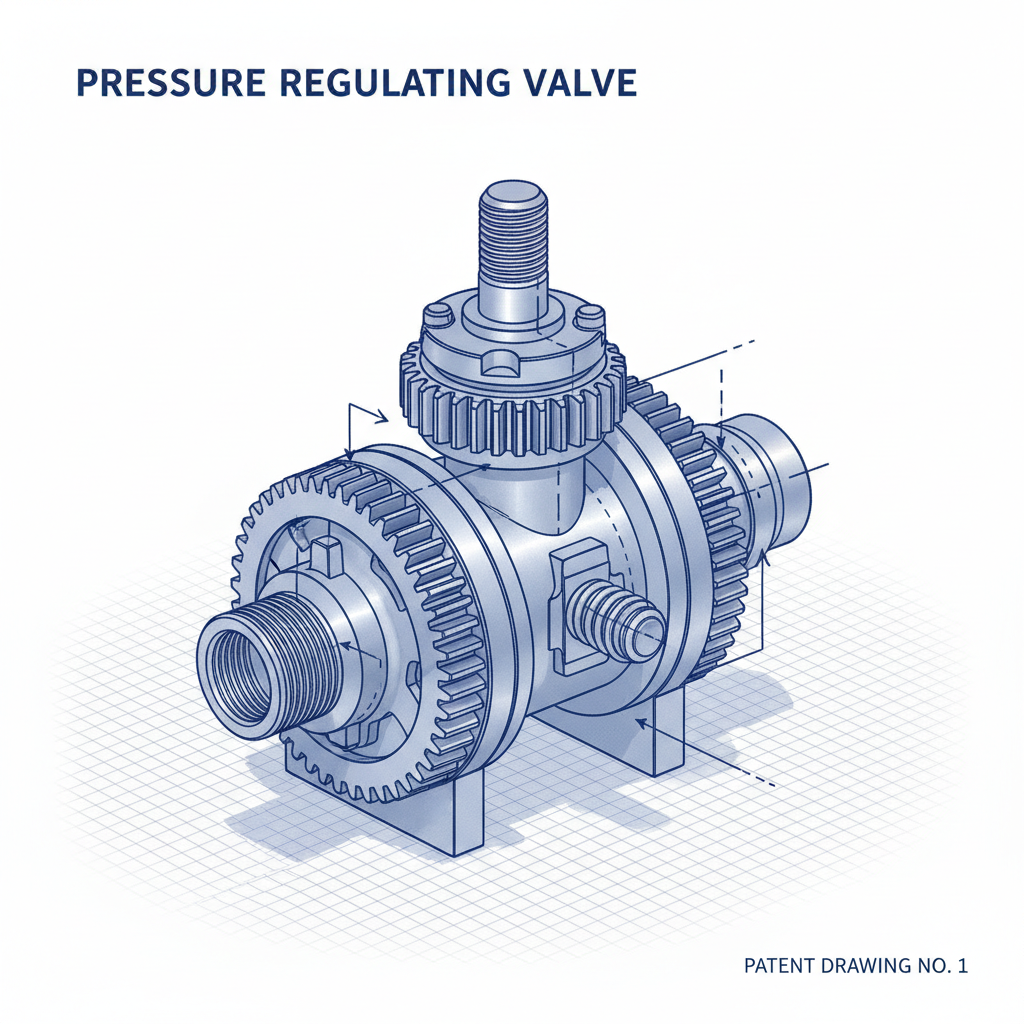
A typical relief valve comprises several key components working in concert. These include the valve body, disc, nozzle, bonnet, and spring. The spring exerts a force on the disc, keeping it seated against the nozzle and preventing flow. The set pressure is determined by the spring's calibration.

When the system pressure reaches the set point, the force exerted by the fluid overcomes the spring force, causing the disc to lift and allow fluid to flow through the valve. The amount of lift, and therefore the flow rate, is proportional to the extent to which the pressure exceeds the set point. This characteristic ensures that the valve relieves only the necessary amount of pressure to maintain system safety.

Different types of relief valves exist, including conventional, balanced bellows, and pilot-operated valves, each designed for specific applications and pressure ranges. Understanding these variations is essential for selecting the most appropriate valve for a given system.

Performance Characteristics of Relief Valves

Evaluating the performance of a relief valve involves several critical characteristics. These include capacity, accumulation, and back pressure. Capacity refers to the maximum flow rate the valve can handle at a given overpressure. Accumulation is the amount of overpressure required for the valve to reach full capacity.

Back pressure, the pressure existing on the outlet side of the valve, can significantly impact its performance. Excessive back pressure can reduce the valve's capacity and even prevent it from opening fully. Therefore, careful consideration of back pressure is crucial during valve selection and installation.

Relief Valve Performance Metrics


Global Applications Across Industries

Relief valves find application in a vast array of industries. In the oil and gas sector, they protect pipelines, storage tanks, and processing facilities from overpressure events. The chemical industry relies on these valves to safeguard reactors, distillation columns, and other critical equipment.

Power generation plants utilize relief valves to protect boilers, steam turbines, and other pressurized components. The pharmaceutical industry employs them in fermentation processes and other applications where precise pressure control is essential. Even in seemingly benign applications like residential water heaters, relief valves are a crucial safety feature.

Benefits and Long-Term Value Proposition

The benefits of properly implemented relief valve systems are multifaceted. Reduced downtime and maintenance costs result from preventing equipment damage. Enhanced safety protects personnel and minimizes the risk of costly accidents.

Improved regulatory compliance avoids fines and legal liabilities. Furthermore, a robust overpressure protection system enhances operational efficiency and reliability, contributing to long-term profitability. The initial investment in quality relief valves and installation services is often significantly outweighed by the avoided costs and risks.

Beyond the economic advantages, there is an inherent value in prioritizing safety and responsible operation. Building trust with stakeholders, including employees, customers, and the community, is essential for sustainable success.

Future Trends & Technological Advancements

The field of relief valve technology is continually evolving. Advancements in materials science are leading to the development of valves that can withstand more extreme temperatures and pressures. Digital technologies, such as smart valves with remote monitoring capabilities, are gaining traction, enabling predictive maintenance and improved operational control.

Integration with process control systems allows for more sophisticated overpressure protection strategies. Furthermore, a growing emphasis on sustainability is driving the development of valves with reduced environmental impact. The adoption of automation and machine learning techniques promises to further enhance the efficiency and reliability of these critical safety devices.

Looking ahead, the convergence of these trends will usher in a new era of intelligent overpressure protection, characterized by enhanced safety, reduced costs, and improved operational performance.

Summary of Key Relief Valve Parameters

Valve Type Application Area Material Composition Maintenance Frequency
Conventional Low-Pressure Systems Carbon Steel Annually
Balanced Bellows High-Pressure Systems Stainless Steel Semi-Annually
Pilot-Operated Critical Applications Alloy Steel Bi-Annually
Spring-Loaded General Purpose Brass Every 18 Months
Proportional Precise Control Systems Titanium As Needed
Digital Remote Monitoring Composite Materials Automated Alerts

FAQS

What is the typical lifespan of a properly maintained relief valve?

The lifespan of a relief valve varies significantly depending on the application, operating conditions, and maintenance schedule. However, with regular inspection and maintenance, a well-selected valve can typically operate reliably for 10-20 years or even longer. Factors like corrosion, erosion, and exposure to harsh chemicals can reduce the lifespan, necessitating more frequent replacement. Proper documentation of maintenance activities is crucial for tracking valve performance and predicting potential failures.

How often should relief valves be tested and inspected?

Relief valves should be routinely inspected and tested as per the manufacturer’s recommendations and relevant industry standards (like ASME). Typically, visual inspections should be conducted monthly to check for external damage or leaks. Full functional testing, involving lifting the valve to verify its set pressure and capacity, should be performed at least annually, and potentially more frequently in critical applications. Documenting these tests is essential for compliance and safety.

What are the common causes of relief valve failure?

Common causes of relief valve failure include corrosion, erosion, fouling, and spring fatigue. Contamination from process fluids can also cause the valve to stick or malfunction. Improper sizing or installation can lead to premature failure. Neglecting regular maintenance, such as lubrication and cleaning, contributes significantly to reduced valve life. Proper valve selection, regular inspection, and proactive maintenance are essential to prevent failures.

What is the importance of ‘back pressure’ in relief valve applications?

Back pressure refers to the pressure existing on the discharge side of a relief valve. Excessive back pressure can significantly reduce the valve’s relieving capacity and even prevent it from opening correctly. It is critical to consider back pressure during valve selection and installation and ensure that it remains within the valve’s specified limits. Back pressure compensation devices can be used to mitigate the effects of varying back pressure.

Can a relief valve be re-certified after repair?

Yes, a relief valve can be re-certified after repair, but it must be performed by a qualified and certified technician. Re-certification typically involves a thorough inspection, cleaning, and testing to verify that the valve meets all applicable standards and specifications. Proper documentation of the repair and re-certification process is essential for maintaining compliance.

What are the key considerations when selecting a relief valve for a specific application?

Key considerations include the system's operating pressure, temperature, fluid properties, flow rate requirements, and potential back pressure. The valve material must be compatible with the process fluid to prevent corrosion or erosion. The valve type (conventional, balanced bellows, pilot-operated) should be selected based on the specific application requirements. Compliance with relevant industry standards and regulations is also crucial.

Conclusion

In conclusion, relief valves are indispensable safety devices that protect pressurized systems and personnel from the potentially catastrophic consequences of overpressure events. Their effective implementation requires a thorough understanding of their operating principles, performance characteristics, and application considerations. Regular inspection, maintenance, and adherence to industry standards are essential for ensuring their continued reliability.

Looking ahead, technological advancements and a growing emphasis on safety and sustainability will continue to drive innovation in relief valve technology. By embracing these advancements and prioritizing proactive maintenance practices, we can enhance operational efficiency, reduce risks, and create a safer and more resilient industrial landscape. Visit our website at www.gasouyinuo.com to learn more about our relief valve solutions and how we can help you protect your assets and personnel.

David Chen

David Chen

David Chen is a Senior Project Engineer at Hebei Ouyinuo Gas Equipment Co., Ltd., specializing in the design and implementation of smart regulator technologies. With a Bachelor's degree in Mechanical Engineering and over 8 years of experience, David has been instrumental in optimizing the performance and reliability of Ouyinuo’s core
Previous Advanced Pressure Vessel Technology for Industrial Safety and Efficient Operations
Next Advanced Gas Valve Technology for Efficient and Safe Gas Control Systems