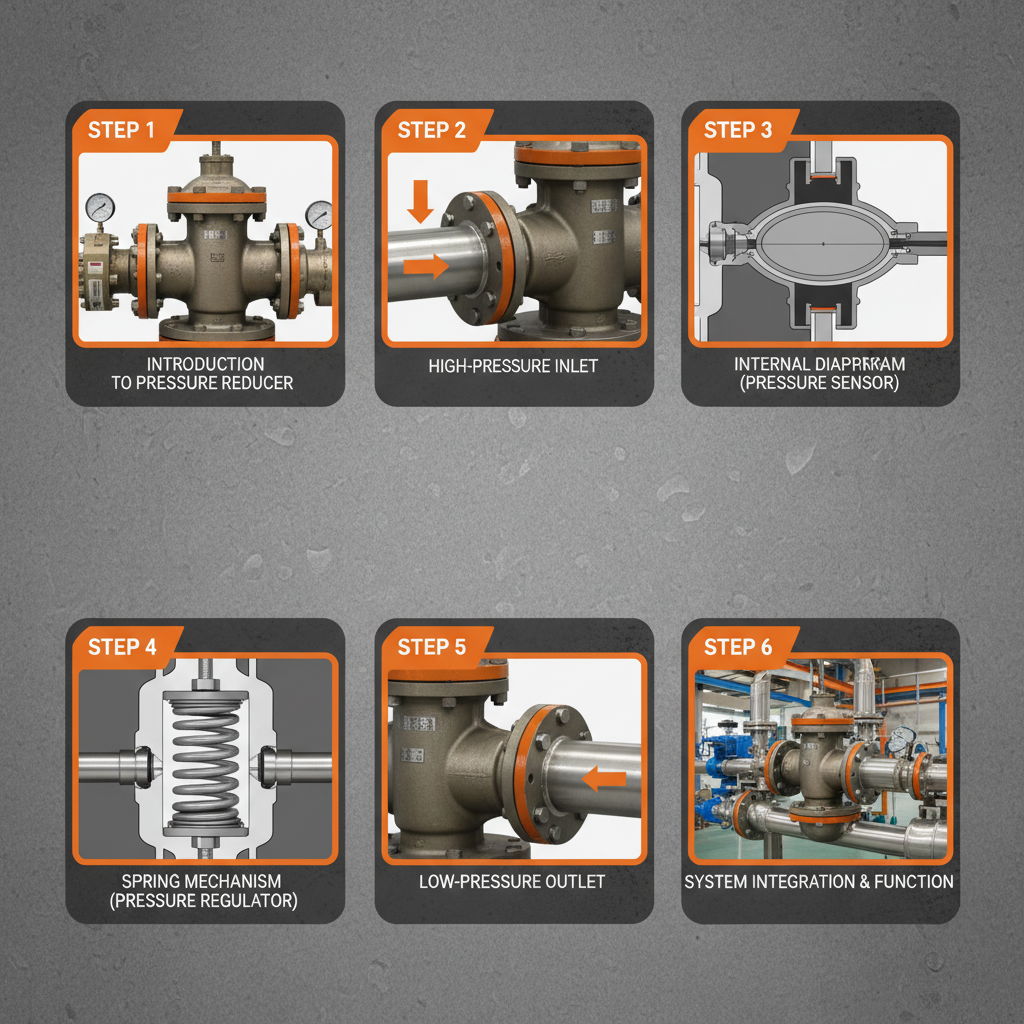
The global energy landscape is currently undergoing a massive transition, where the reliability of fuel transport systems has become a cornerstone of industrial stability. At the heart of this infrastructure lies the natural gas valve, a critical component designed to regulate, direct, and isolate the flow of one of the world's most vital energy sources. Without precision-engineered valving solutions, the safe transmission of natural gas from extraction sites to residential heaters and industrial furnaces would be an impossible risk.
Understanding the intricacies of a natural gas valve is not merely a technical necessity for engineers but a safety imperative for global infrastructure. As cities expand and industrial demands increase, the need for valves that can withstand extreme pressures and corrosive environments has grown. These components ensure that energy is delivered efficiently while preventing catastrophic leaks, thereby protecting both human life and the environment.
In this comprehensive guide, we explore the technical dimensions, global applications, and future innovations surrounding natural gas valving technology. By examining the intersection of material science and fluid dynamics, we can better appreciate how these devices facilitate the seamless operation of integrated device series and peak shaving equipment, ensuring a steady energy supply in an unpredictable global market.
Global Relevance of Natural Gas Valve Infrastructure
On a global scale, the transmission of natural gas is a logistical feat that relies on thousands of miles of pipelines and millions of individual control points. According to data from the International Energy Agency (IEA), the demand for cleaner-burning fossil fuels has surged, placing unprecedented stress on existing pipeline networks. The natural gas valve serves as the primary safeguard in these networks, managing the volatile nature of high-pressure gas flow to prevent system failure.
The primary challenge facing the industry today is the aging infrastructure in developed nations and the rapid, often unplanned expansion in emerging markets. When a valve fails, the result isn't just a loss of revenue; it can lead to environmental disasters and severe safety hazards. This has led to a global shift toward ISO-certified, high-durability valves that can integrate seamlessly into modern control systems and safety device series.
Defining the Natural Gas Valve and Its Industrial Role
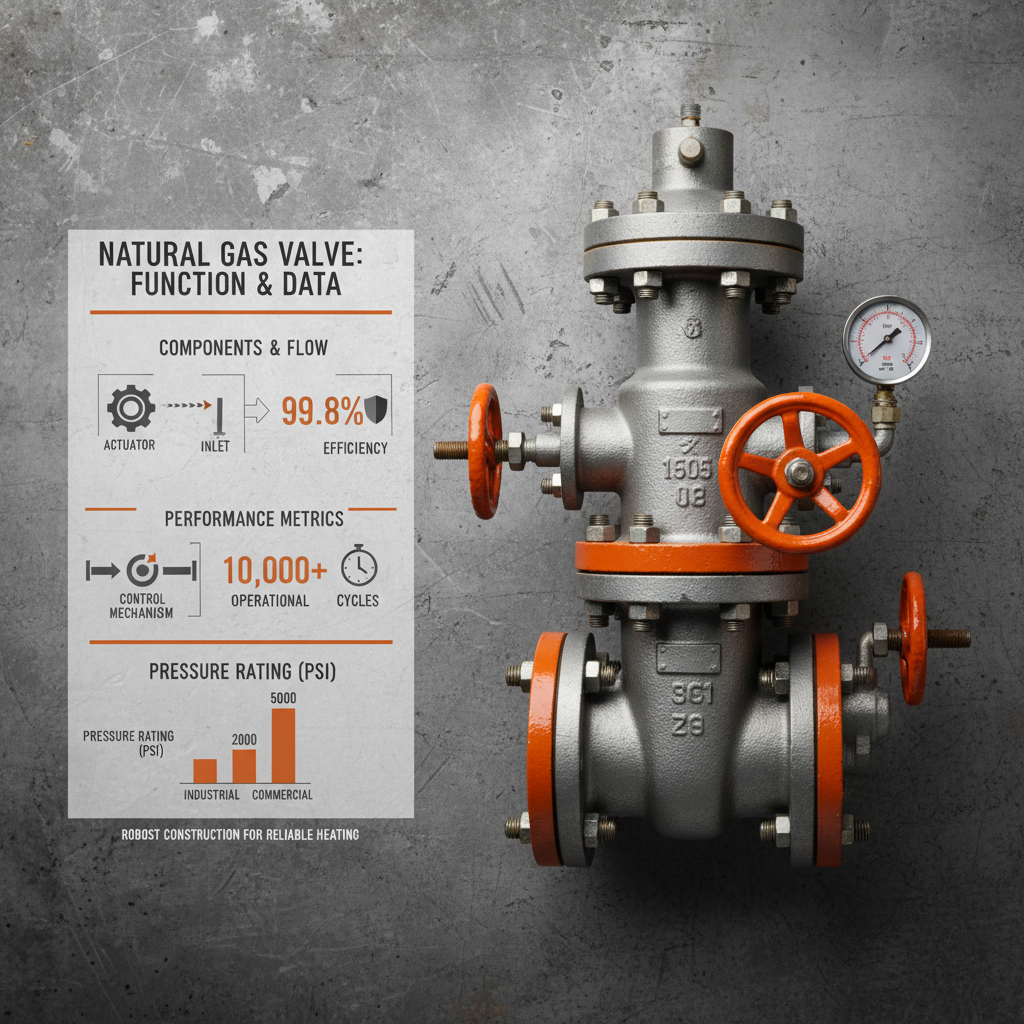
In simple terms, a natural gas valve is a mechanical device used to start, stop, or regulate the flow of natural gas within a piping system. Unlike water valves, gas valves must be engineered to handle compressible fluids and potentially corrosive elements like hydrogen sulfide. They act as the "traffic controllers" of the energy grid, ensuring that the correct volume of gas reaches its destination at the required pressure.
Beyond simple on-off functionality, modern valves are integrated into complex Voltage Regulator Series and Point Supply equipment. They enable the precise modulation of flow, which is essential for maintaining the stability of the grid during peak demand periods. This capability is what allows city-wide heating systems to operate without fluctuations, regardless of how many thousands of units are drawing power simultaneously.
From a humanitarian and industrial perspective, the reliability of these valves is linked to economic stability. In remote industrial zones or during extreme weather events, the ability to safely isolate sections of a pipeline using a robust natural gas valve prevents widespread outages and ensures that critical facilities, such as hospitals and power plants, remain operational.
Core Components for Operational Excellence
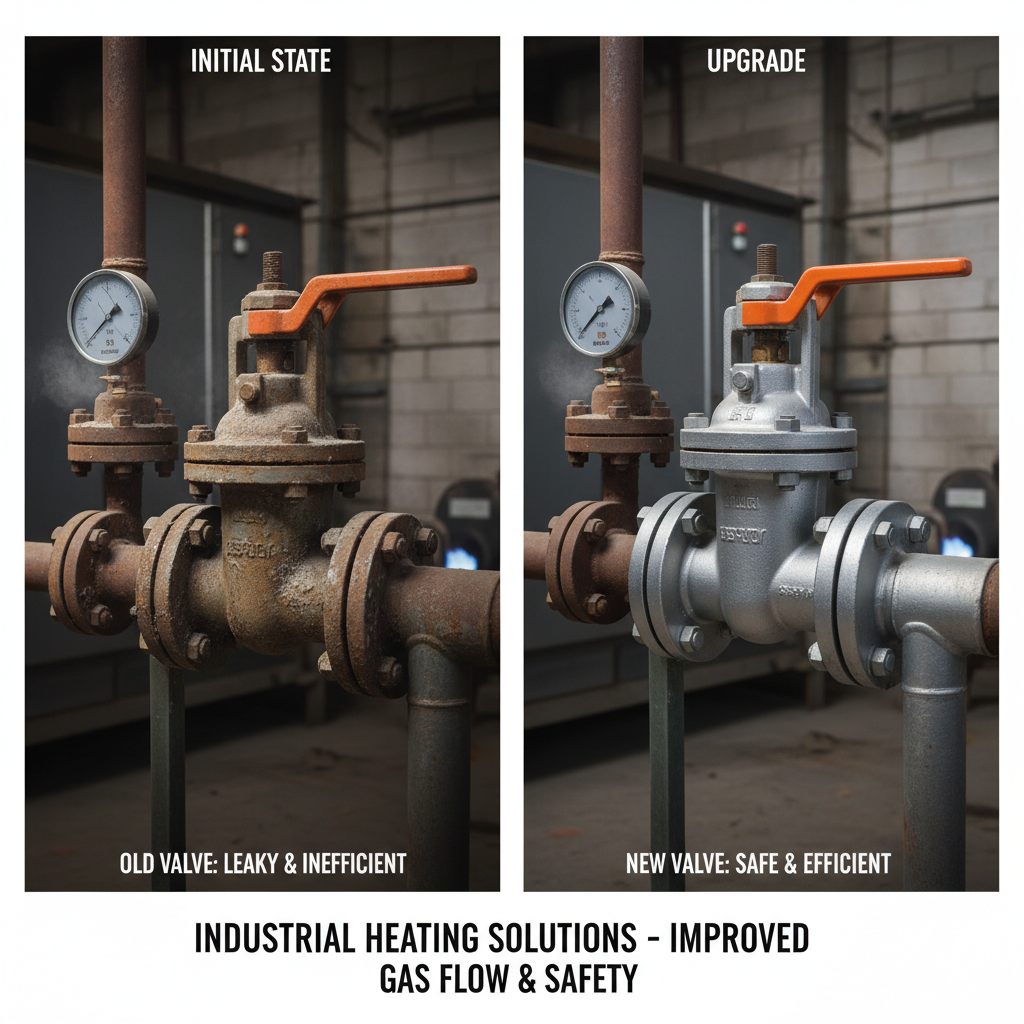
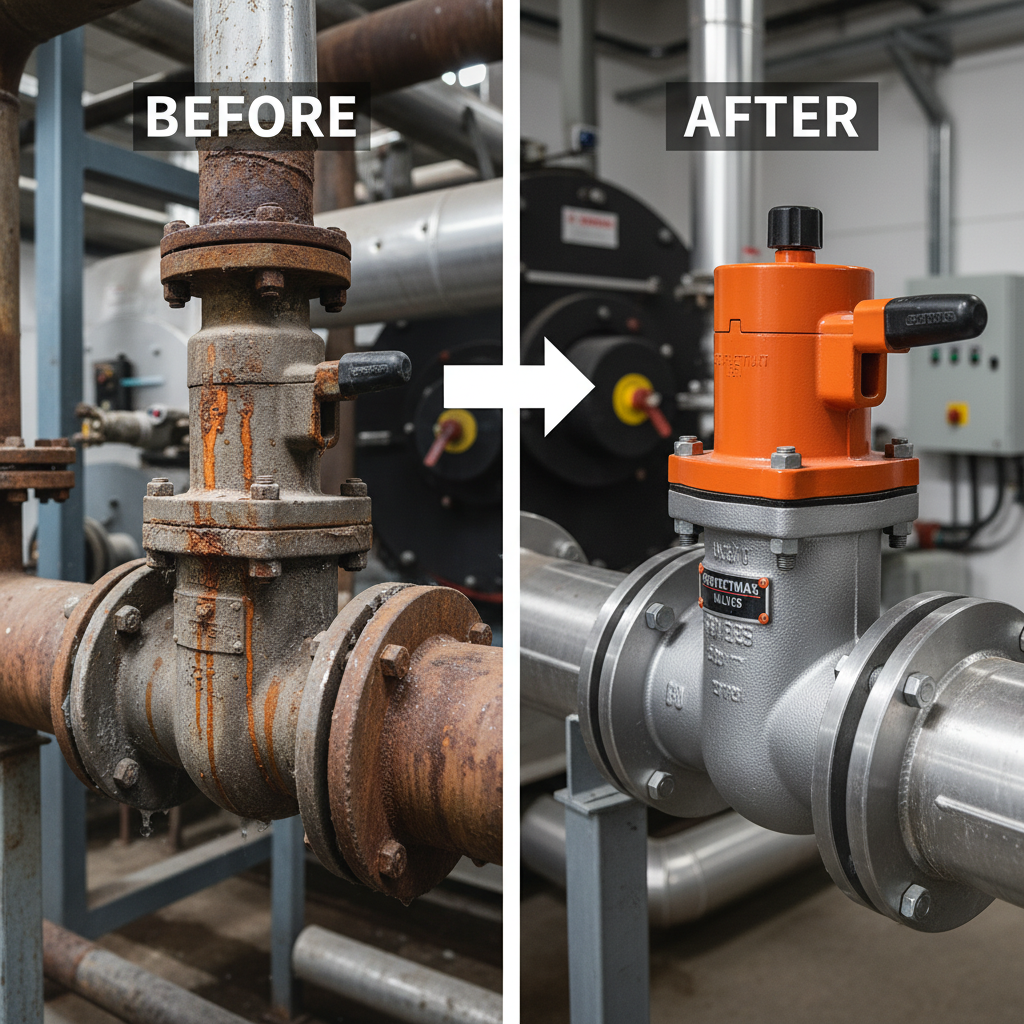
Durability is the foremost requirement for any natural gas valve. The materials used—typically high-grade carbon steel or stainless alloys—must resist oxidation and withstand the abrasive nature of pipeline debris. A valve that degrades quickly leads to fugitive emissions, which are not only a financial loss but a significant contributor to greenhouse gas emissions.
Scalability and versatility allow a natural gas valve to be used across diverse applications, from small-scale residential meters to massive transmission hubs. This is achieved through modular designs that can be adapted to different pressure ratings and pipe diameters, ensuring that the same engineering logic can be applied to both a vessel series and a large-scale integrated device series.
Finally, cost efficiency is balanced with safety. While high-performance alloys increase the initial investment, they drastically reduce the Total Cost of Ownership (TCO) by extending maintenance intervals. A well-engineered natural gas valve minimizes downtime, which in the energy sector can cost companies millions of dollars per hour during unplanned outages.
Practical Application and Performance Metrics
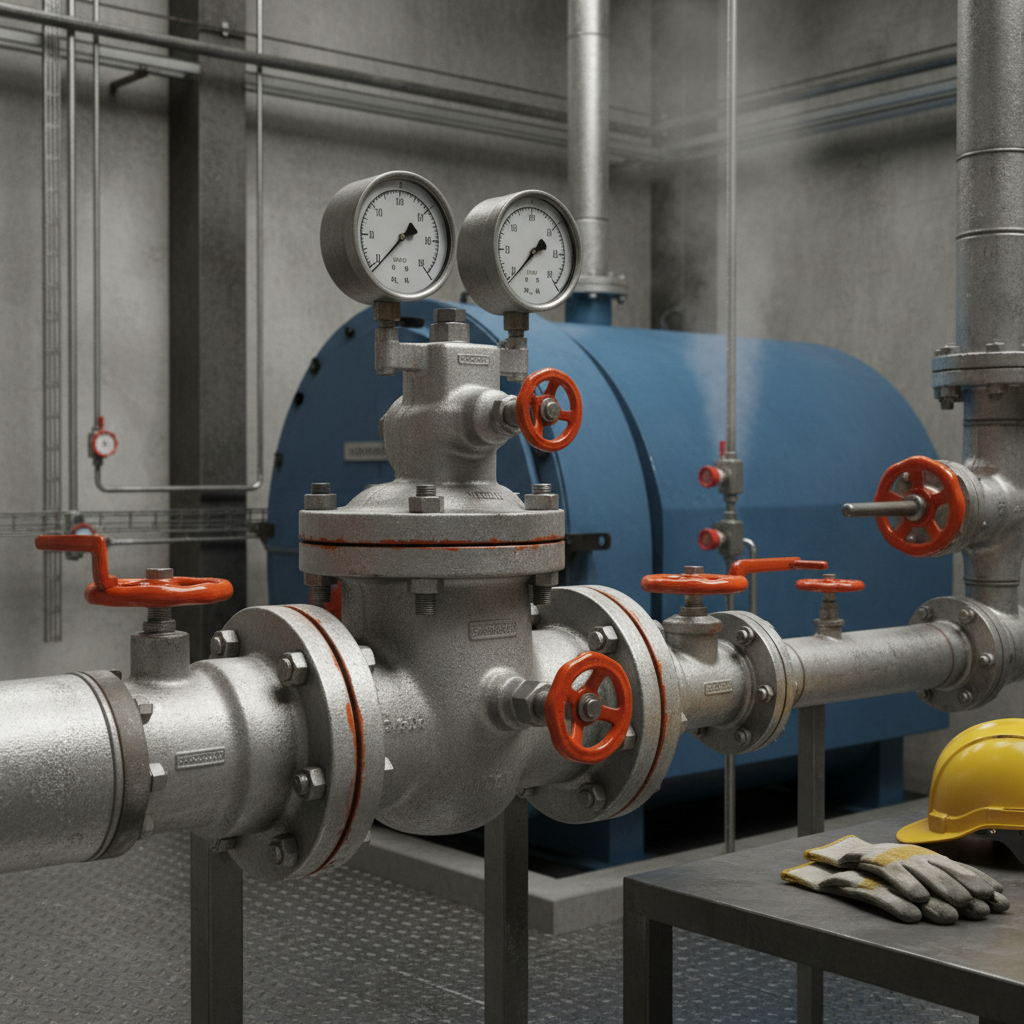
The application of a natural gas valve varies significantly depending on its position in the supply chain. In upstream extraction, heavy-duty ball valves are used for isolation. In midstream transport, check valves prevent backflow, and in downstream distribution, precision regulators maintain constant pressure for the end consumer. Each role requires a different balance of sealing integrity and actuation speed.
To quantify the effectiveness of these components, industry experts look at leak rates, cycle life, and response time. High-performance valves are now being tested under simulated extreme conditions—such as arctic temperatures or high-salinity coastal environments—to ensure they perform consistently regardless of geography.
Comparative Performance of Natural Gas Valve Types
Global Use Cases and Sector Integration
In the North American and European markets, the natural gas valve is often integrated into "Smart Grids." These systems use automated actuators to adjust flow based on real-time consumption data, reducing waste and optimizing pressure. This level of integration is crucial for Peak Shaving Equipment Series, which manage the surge in demand during winter months.
In emerging industrial zones across Southeast Asia and Africa, the focus is on rapid deployment and robustness. In these regions, valves are often used in remote power generation plants where maintenance access is limited. The ability of a valve to operate for years without manual intervention is the key to the success of these critical energy projects.
Long-term Value and Sustainability Benefits
The long-term value of investing in a premium natural gas valve extends beyond simple operational continuity. From a sustainability standpoint, the reduction of methane leaks (fugitive emissions) is a global priority. Precise sealing technology ensures that natural gas—a potent greenhouse gas—remains inside the pipes, directly supporting international climate goals and reducing the carbon footprint of energy transport.
Logically, the reliability of these components builds trust between energy providers and the public. When a community knows that their safety device series is engineered to the highest standards, it reduces the social friction associated with pipeline expansion. The "peace of mind" factor is an intangible but essential value in the utility sector.
Furthermore, high-quality valves enable the transition to hydrogen blending. As the world moves toward a hydrogen economy, valves that can handle the unique permeability and embrittlement challenges of hydrogen will be the bridge that allows existing natural gas infrastructure to remain useful, preventing trillions of dollars in stranded assets.
Future Innovations and Digital Transformation
The future of the natural gas valve is inextricably linked to the Industrial Internet of Things (IIoT). We are moving toward "intelligent valves" equipped with embedded sensors that can detect wear, pressure drops, and vibration in real-time. This shifts the maintenance paradigm from reactive to predictive, allowing operators to replace a valve before it fails.
Material science is also evolving, with the introduction of nano-coatings that provide unprecedented resistance to corrosion and friction. These innovations allow for smaller, more efficient valve designs that can handle higher pressures without increasing the weight or footprint of the installation, which is particularly beneficial for Vessel Series equipment.
Automation is the final piece of the puzzle. The integration of AI-driven control systems allows for autonomous flow adjustment, optimizing the entire distribution network without human intervention. This digital transformation ensures that the natural gas valve remains a dynamic component of the global energy strategy.
Comparison of Natural Gas Valve Technologies across Industrial Dimensions
| Valve Generation |
Control Mechanism |
Maintenance Cycle |
Environmental Impact |
| Legacy Mechanical |
Manual Hand-wheel |
Annual Inspection |
Moderate Leakage |
| Pneumatic Actuated |
Air-pressure Control |
Bi-Annual |
Low Leakage |
| Digital Electric |
PLC / SCADA |
Condition-based |
Minimal Emission |
| IoT-Integrated |
AI Cloud-managed |
Predictive (Real-time) |
Ultra-Low Emission |
| Composite Alloy |
Hybrid Actuation |
5-Year Interval |
Zero-leak Target |
| Hydrogen-Ready |
Precision Electronic |
Quarterly Sensing |
Carbon Neutral |
FAQS
A ball valve uses a rotating ball to create a quick, tight seal, making it ideal for on/off isolation in a natural gas valve setup. A gate valve, conversely, uses a sliding plate and is better suited for applications where the valve is either fully open or fully closed, offering a straight-through flow with minimal pressure drop once open.
Depending on the environment, standard industrial valves should be inspected annually. However, valves integrated into critical safety device series or those operating in corrosive environments may require quarterly checks. IoT-enabled valves are now moving toward "condition-based maintenance," where sensors trigger an alert only when a performance dip is detected.
No, not all. Hydrogen molecules are smaller than methane and can cause "hydrogen embrittlement" in certain steels. To be hydrogen-ready, a natural gas valve must be constructed from specific alloys and utilize specialized elastomers in its seals to prevent leakage and structural failure.
The most common failures are caused by seat erosion, seal degradation, and corrosion from impurities in the gas stream. Using low-grade materials or neglecting lubrication in manual valves often leads to "stiction" or leaks. Investing in high-performance alloys and regular preventative maintenance typically eliminates these issues.
Yes, most modern valves can be fitted with pneumatic, hydraulic, or electric actuators. These are then connected to a SCADA (Supervisory Control and Data Acquisition) system, allowing operators to monitor and control the natural gas valve from a centralized control room miles away from the actual pipeline.
Valve selection impacts cost in two ways: through pressure drop and through leakage. A valve with a poor flow coefficient (Cv) creates a pressure drop that requires compressors to work harder, increasing energy costs. Additionally, fugitive emissions are a direct loss of sellable product, making high-seal-integrity valves more cost-effective over time.
Conclusion
In summary, the natural gas valve is far more than a simple piece of hardware; it is the critical nexus where safety, efficiency, and energy reliability meet. From the basic requirements of durability and seal integrity to the advanced integration of AI and IoT, these components ensure that the global energy grid remains stable and sustainable. By prioritizing high-grade materials and smart technology, industries can reduce their environmental impact while maximizing operational uptime.
Looking forward, the evolution of valving technology will be the key to unlocking the hydrogen economy and achieving a carbon-neutral future. We encourage engineers and procurement specialists to move beyond the "lowest initial cost" mindset and instead focus on the total lifecycle value of their infrastructure. For those seeking industry-leading solutions in control systems and safety devices, we invite you to explore our professional range. Visit our website: www.gasouyinuo.com