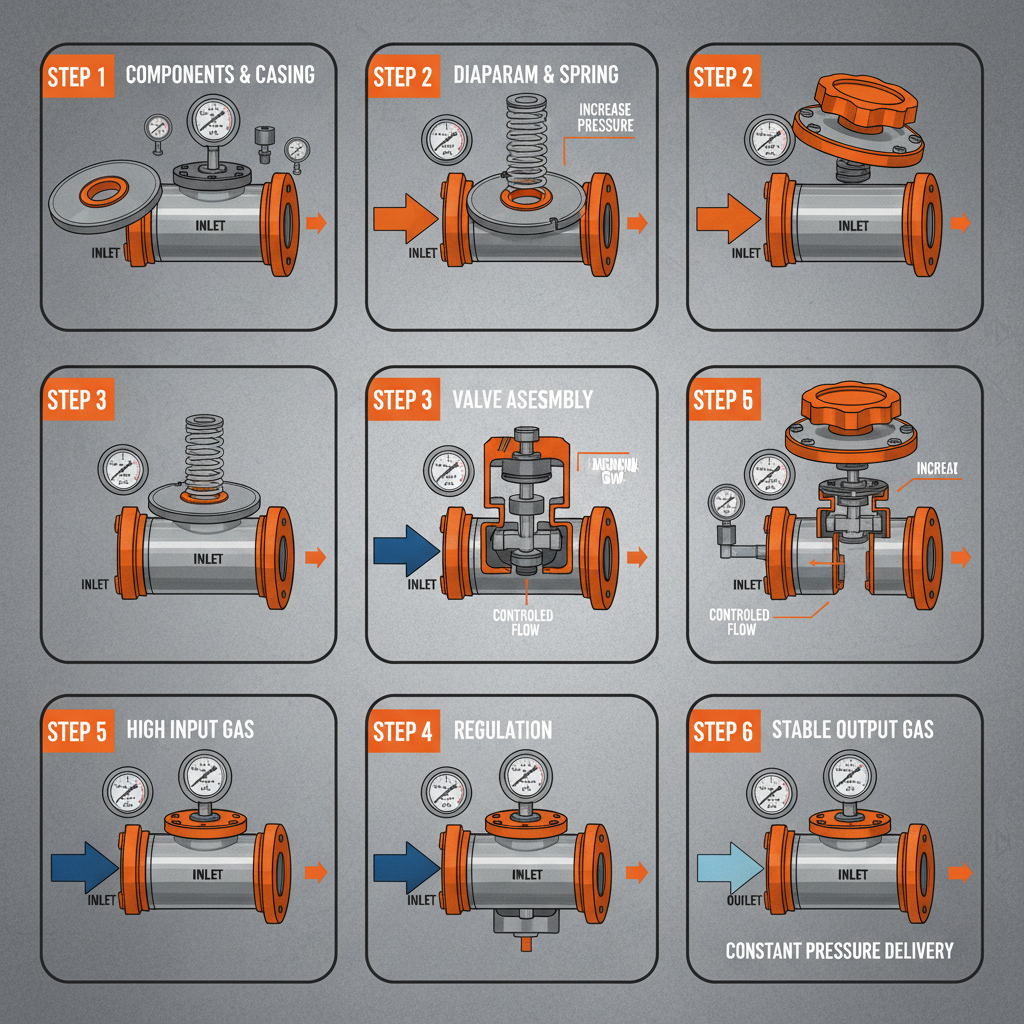
Understanding Gas Pressure Regulator Valve Technology and its Global Impact
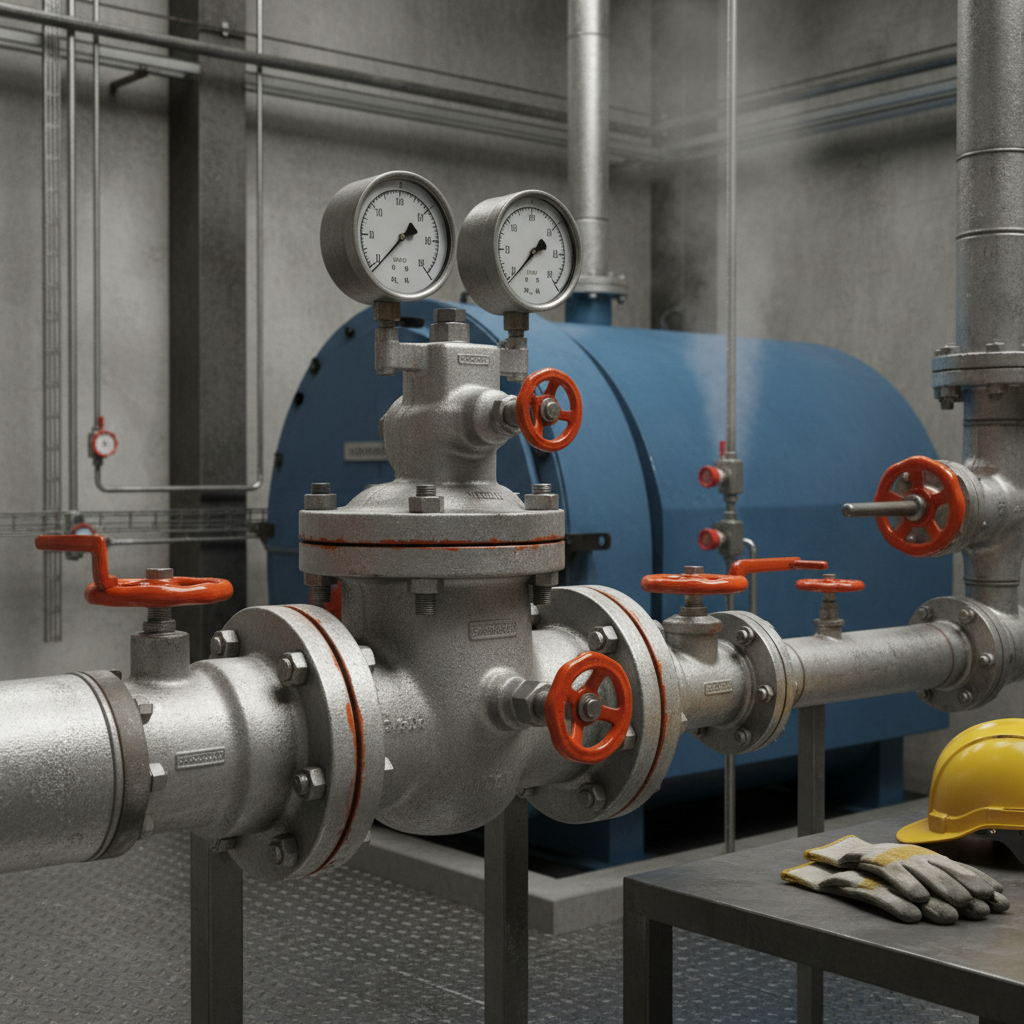
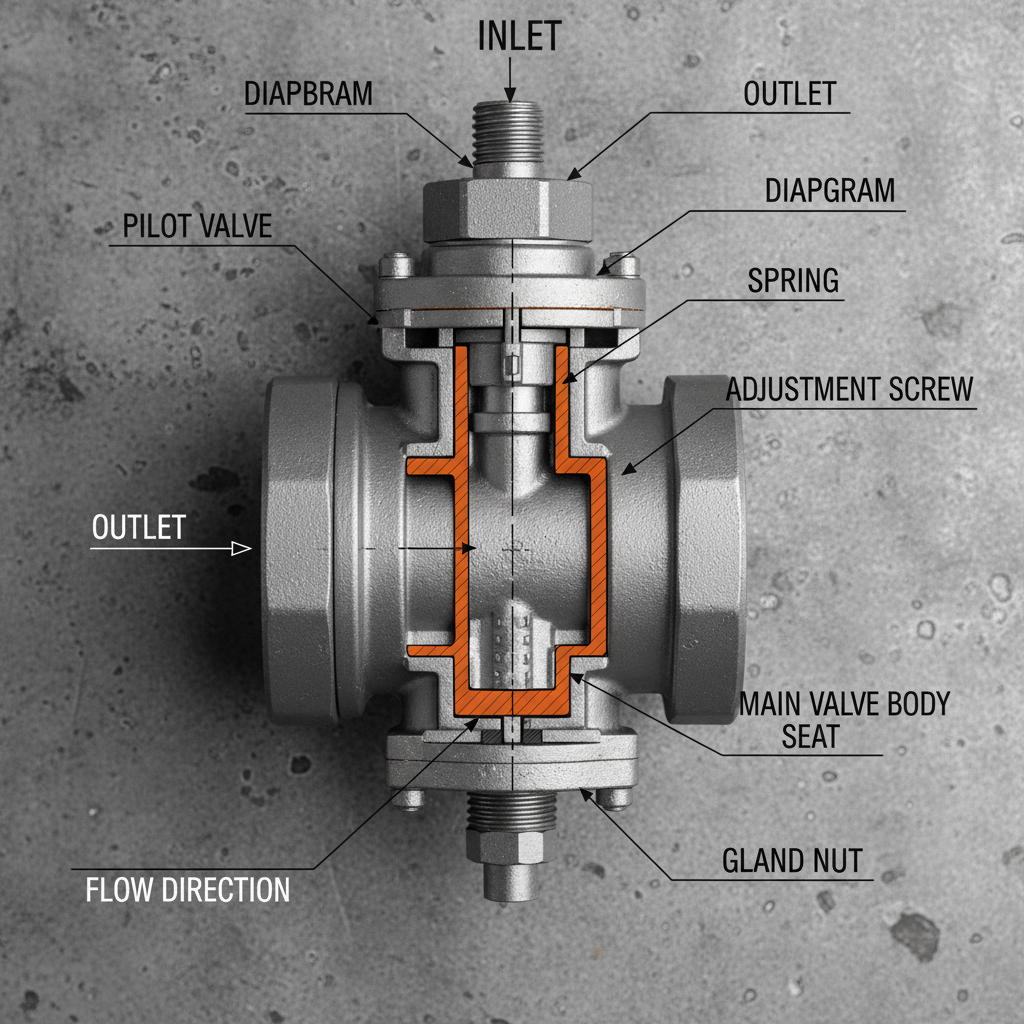
The precise control of gas flow is paramount in a vast array of industrial and domestic applications. A gas pressure regulator valve is the crucial component ensuring this control, safely reducing a high inlet pressure to a lower, more usable outlet pressure. Its importance spans across energy distribution, manufacturing processes, scientific research, and even everyday household appliances, highlighting its fundamental role in modern infrastructure. Globally, the demand for efficient and reliable gas pressure regulation is steadily increasing, driven by growing energy consumption and stricter safety standards. The United Nations Sustainable Development Goal 7 – Affordable and Clean Energy – directly relies on safe and efficient gas distribution networks, where a properly functioning gas pressure regulator valve plays a vital role. ISO standards, such as ISO 10497, provide rigorous guidelines for design, testing, and performance, emphasizing the critical nature of these valves. Challenges in maintaining consistent gas pressure, mitigating risks associated with fluctuating supply, and adapting to evolving gas compositions necessitate continuous innovation in gas pressure regulator valve technology. Understanding these valves – their function, components, and applications – is crucial for engineers, technicians, and anyone involved in gas handling and distribution systems.
Read more »

 By:Robert Wang - March 16, 2026
 By:Kevin Zhang - March 13, 2026
 By:David Chen - March 9, 2026
 By:Jason Liu - March 6, 2026
 By:Michael Lee - March 4, 2026