Essential Guide to Safety Relief Valve Operation and Industrial Applications
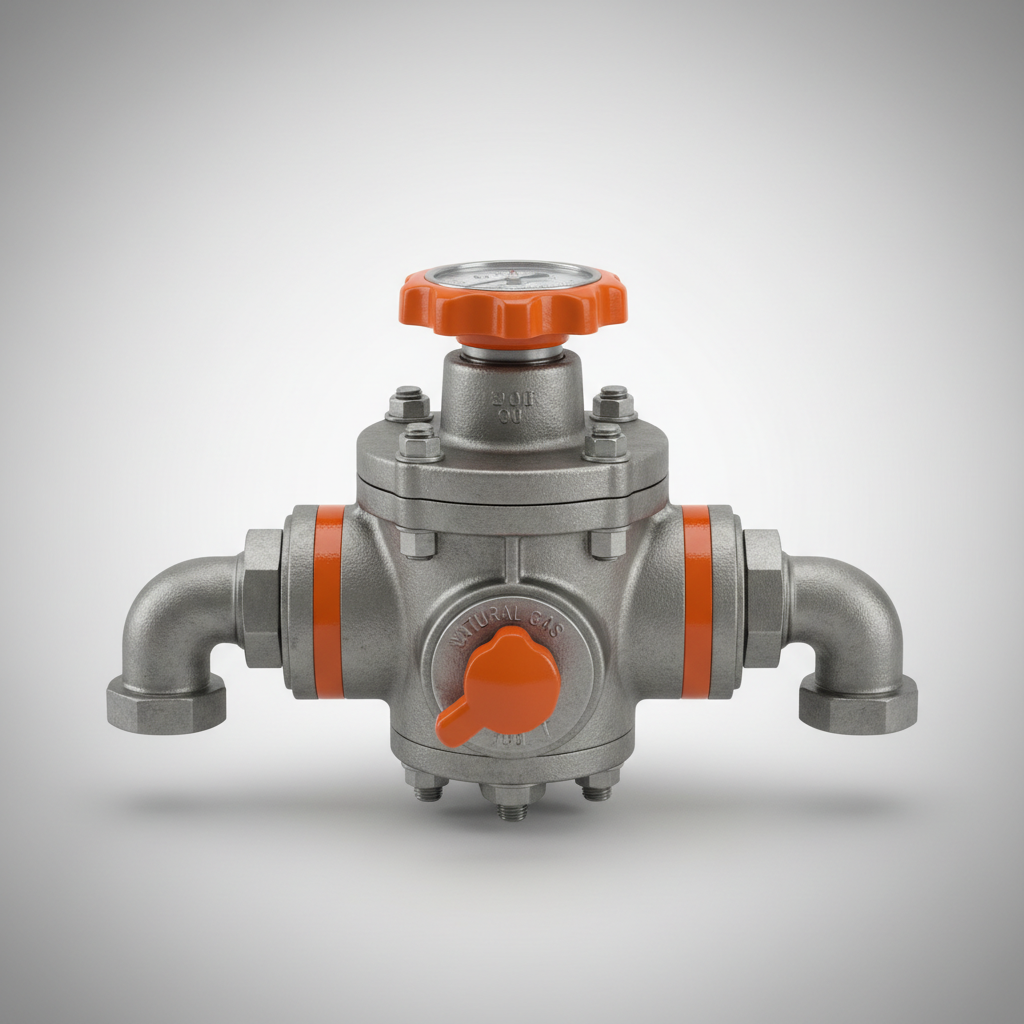
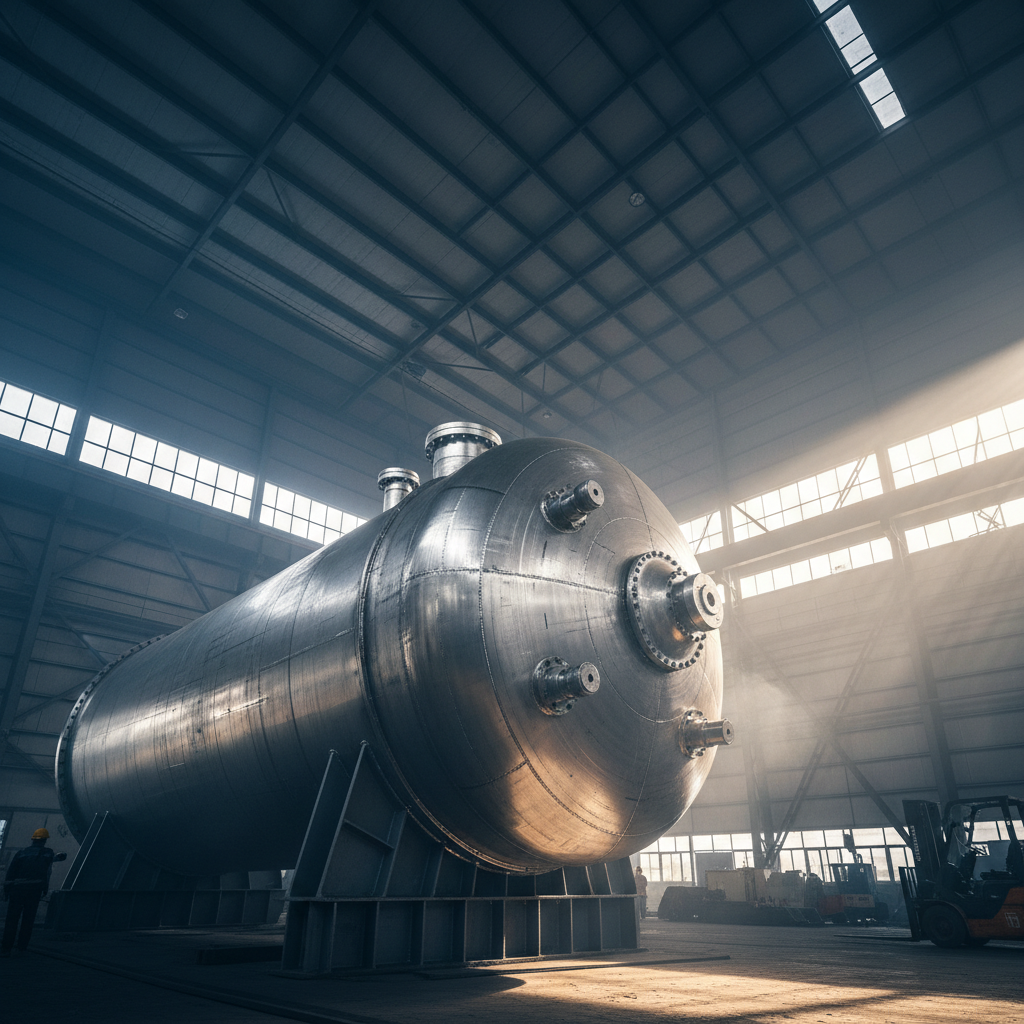
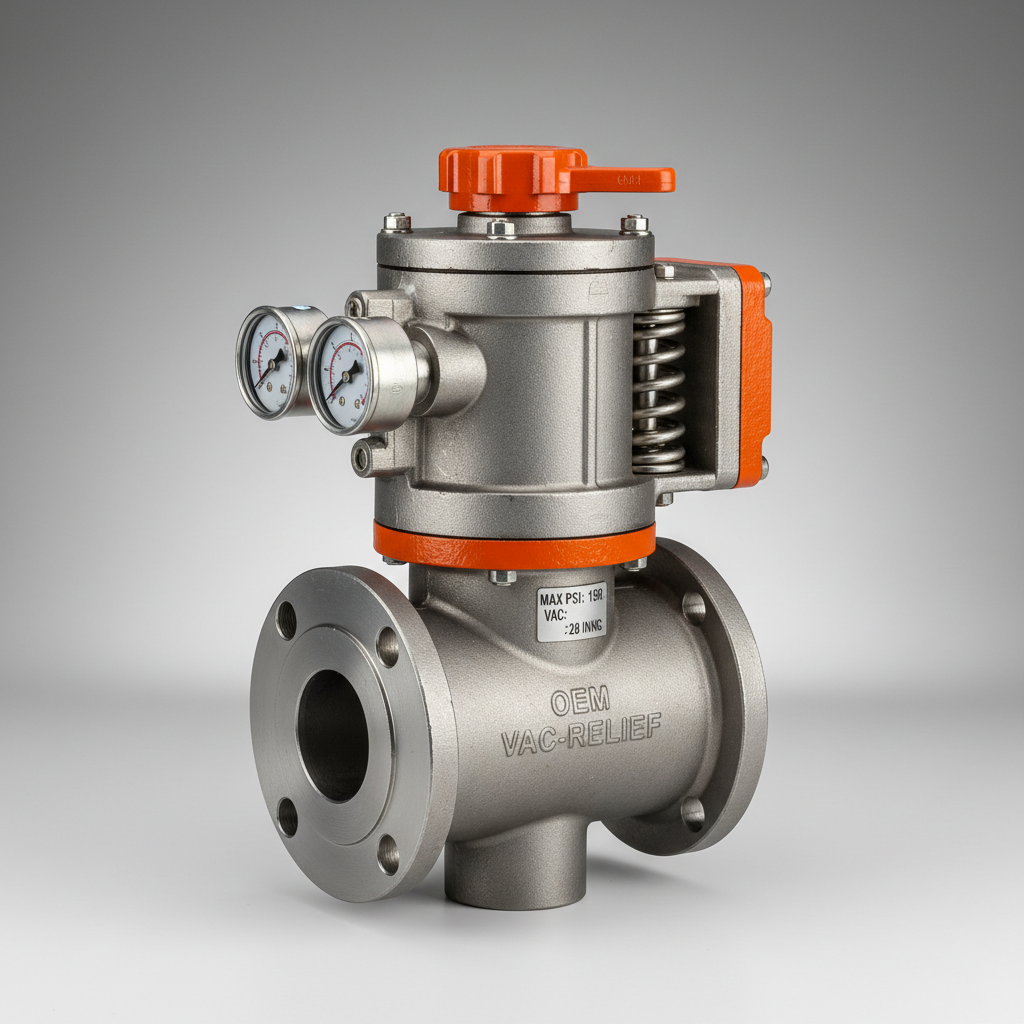
Safety relief valves are crucial components in industrial and process systems, designed to protect equipment and personnel from overpressure events. Their function is simple yet vital: automatically release a substance when the pressure exceeds a pre-set limit. This prevents catastrophic failures, maintains operational safety, and ensures regulatory compliance. Understanding the principles behind safety relief valve operation is paramount for engineers, plant operators, and anyone involved in process safety management. Globally, the demand for robust and reliable safety systems, including safety relief valves, is steadily increasing. This is driven by factors such as stricter safety regulations, expanding industrialization in developing countries, and a growing awareness of the potential consequences of process failures. The United Nations Sustainable Development Goals (SDGs), particularly SDG 9 (Industry, Innovation, and Infrastructure), emphasize the importance of building resilient infrastructure, and these valves are integral to that effort. The increasing complexity of modern processes, alongside the rise of Industry 4.0 and interconnected systems, further underscores the need for advanced safety relief valve technologies and comprehensive safety protocols. Failure to adequately address overpressure risks can result in significant financial losses, environmental damage, and, most importantly, loss of life.
Read more »

 By:Kevin Zhang - February 21, 2026
 By:David Chen - February 17, 2026
 By:Michael Lee - February 15, 2026
 By:Jason Liu - February 14, 2026
 By:Robert Wang - February 11, 2026